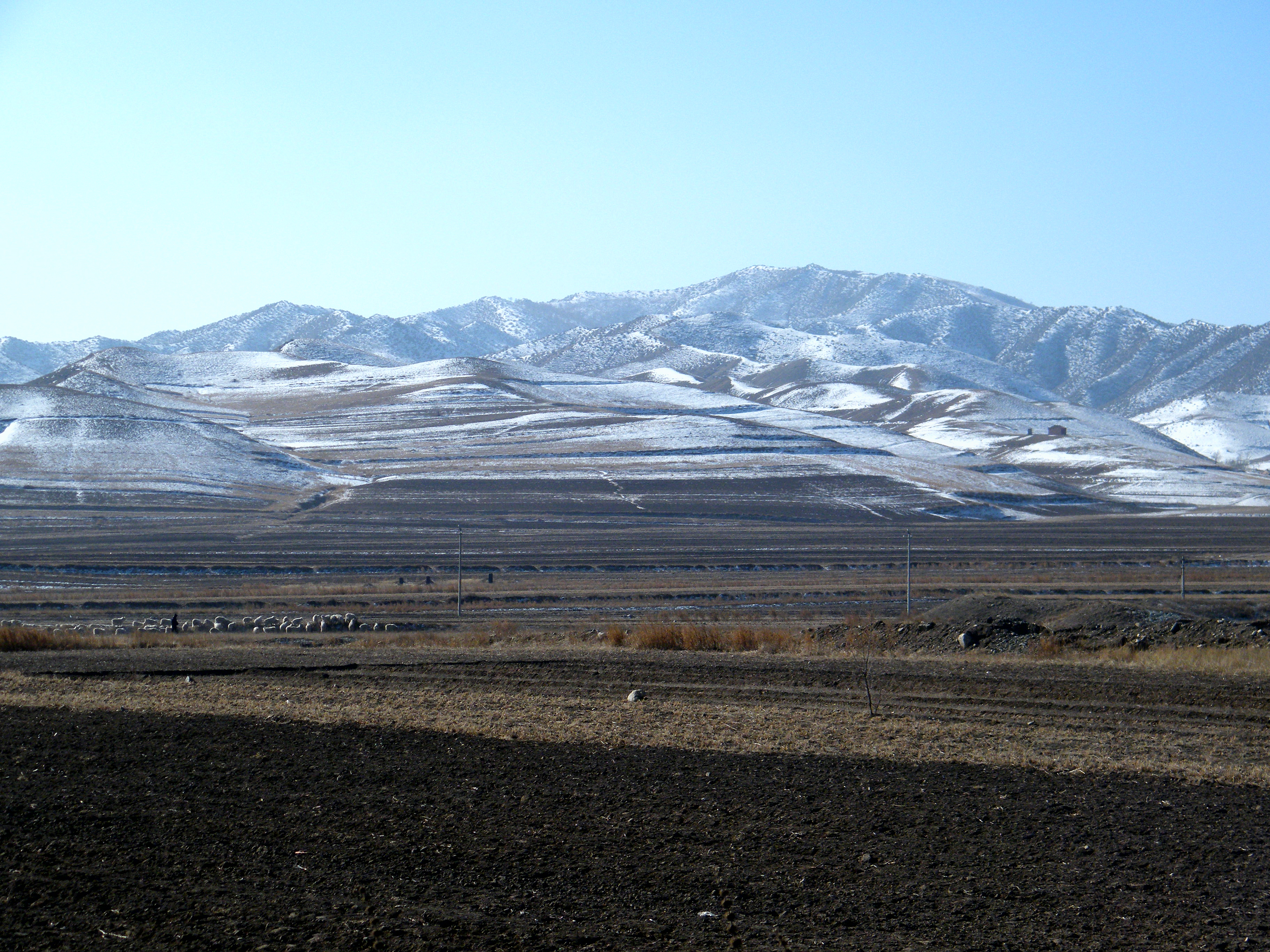
Baotou sits on the arid grasslands of Inner Mongolia, a city of 2.7 million people at 1067 m above sea level in the Asia/Shanghai timezone. The climate is arid, with dry air and wide swings between seasons. Expats tend to settle in Qingshan and Kundulun, two districts that anchor much of the city's foreign resident life. The expat community here is small, so newcomers often find their footing through the same few neighborhoods, schools, and social circles.
Rents split sharply between the center and the edges. A 1-bedroom in the city center runs $600/mo, while the same apartment outside the center drops to $400/mo. Three-bedroom units go for $2,088/mo in the center and $1,790/mo outside it. A single adult can live on a budget tier of $900/mo with rent included, or step up to a comfortable tier of $3,000/mo. Excluding rent, monthly costs come to about $450/mo, with utilities at $149/mo and internet at just $10/mo. Everyday spending stays low: an inexpensive restaurant meal is $5 per person, a mid-range three-course dinner for two is $22, and a cappuccino is $3. Local wages are modest, with an average monthly net salary of $671/mo, so many expats earn remotely or bring savings.
Safety is generally steady, with a safety index of 58/100 and a crime index of 42/100, where a lower crime figure is better. Healthcare quality is rated fair, which means routine care is available but serious or specialized treatment may prompt a trip elsewhere. Air quality is a real consideration, with an air quality index of 85, a number where lower is better. The city's industrial base and arid setting shape both the air and the daily rhythm.
Visa routes follow China's national framework, and the nearest airport is BAV, 26 km away. Internet averages 62 Mbps, fast enough for remote work and streaming. The overall expat score is 77/100, with a FIRE score of 79/100, a retiree score of 54/100, and a digital nomad score of 62/100. English proficiency is limited, so basic Mandarin helps. Baotou suits frugal savers, remote workers chasing a low cost of living, and anyone drawn to Inner Mongolia's dry, open landscape rather than a polished expat hub.