Thailand Retirement Visa (Non-OA)
Thailand · Asia
Data updated Sep 3, 2026
Min Monthly Income
$30,000
Difficulty
Moderate
Duration
12 months
Path to Citizenship
No
Overview
The Non-OA positions itself as Thailand's straightforward retirement offer: prove your age, show your money, get a year. What that framing skips is that you're not really applying for a visa - you're applying to anchor your life to a single country's immigration calendar. The 800,000 baht deposit sits in a Thai bank account earning near-zero interest, your health insurance renews every year at premiums that rise as you age, and every 12 months you present yourself to an immigration office and prove you still qualify. That's not a one-time decision. That's an ongoing relationship with a bureaucracy that can, and does, change its requirements.
The person who thrives here is 52, owns their time completely, has a lump sum they don't need liquid, and wants to live in Thailand full-time rather than use it as a base. The person who struggles is anyone whose income is irregular - freelancers with variable monthly deposits, or remote employees whose paychecks are split across multiple accounts - because Thai immigration expects a clean, legible financial story and bank statements that don't require explanation. The person in the wrong category entirely is the one who wants flexibility: the ability to spend four months in Thailand, three in Portugal, two in Japan. This visa rewards commitment. Treating it like a travel hub while paying the compliance costs gets expensive fast.
The thing most people don't work out until they're already in-country is the tax exposure. Once you've spent 180 days in Thailand in a calendar year, you're a Thai tax resident - and under rules that took effect January 2024, any foreign income you remit into Thailand is taxable in the year you bring it in. The old workaround of earning in one year and transferring the next is gone. For a US remote worker earning $6,000 a month and moving money into a Thai bank to cover rent and expenses, that income is potentially subject to Thai progressive rates on top of your ongoing US filing obligations. There's no US-Thailand tax treaty to soften this. Getting the numbers right before you start transferring money matters more than getting the visa right.
What the Non-OA offers that most other visas don't is simplicity of renewal once you're established. After the first year the process becomes routine - same documents, same immigration office, no new consulate appointments, no re-qualifying from scratch. For someone who has decided Thailand is where they want to be for the next decade, that stability is real. The annual costs are predictable, the process is known, and the low cost of living means even after tax considerations, the monthly math often still works out substantially in your favor compared to staying in the US.
Eligibility Requirements
Min Income
$30,000
Min Savings
$22,000
Min Age
50 yrs
Duration
12 months
Physical Presence
None required
Requirements Checklist
Valid passport with at least 6 months validity
Proof of sufficient income (bank statements, employment contract)
Health insurance covering the entire stay
Clean criminal background check
Completed application form with all required documents
Proof of accommodation in the country
Tax Information
Thailand's Remittance Rule Changes the Math
Thailand taxes residents on Thai-source income and, since a rule change that took effect January 1, 2024, on foreign-sourced income remitted into Thailand within the same tax year it was earned. For someone living out a Non-OA retirement visa, that reaches almost everything the visa was built around: pension withdrawals, 401(k) and IRA distributions, freelance income paid into a US account and later wired to a Thai bank, and any remote salary that crosses the border in the year it's earned. Progressive rates start at 0% on the first 150,000 baht (about $4,300) and climb through 5%, 10%, 15%, 20%, 25%, and 30% bands before topping out at 35% above 5,000,000 baht (about $143,000). None of this cares whether the income originated in Bangkok or Boca Raton once it lands in a Thai account.
Thailand has no standalone capital gains tax, which sounds like relief until you see how gains are actually treated. Once remitted, gains from a US brokerage account get folded into ordinary income and taxed on the same progressive schedule, so a single large distribution in a given year can push straight into the 35% bracket. The one exemption that matters locally, gains from shares listed on the Stock Exchange of Thailand, does nothing for a Vanguard fund or a Fidelity account held back home. Dividends split the same way: Thai-source dividends face a flat 10% withholding that can be elected as final tax and left alone, while foreign dividends remitted to Thailand drop into the same progressive brackets as salary and pension income.
The Non-OA visa itself carries no preferential tax treatment. Standard residents pay the schedule above, full stop, and nothing about holding a retirement visa softens it. Thailand does run a separate incentive, the Long-Term Resident visa introduced in 2022, which gives qualifying holders a flat 17% rate on Thai-source employment income and a full exemption on foreign-source income remitted to Thailand, for up to ten years. But that is a different visa track with its own wealth, income, or insurance thresholds administered through the Board of Investment, and simply holding a Non-OA does not get you there. Anyone weighing the switch should confirm current LTR eligibility and the exemption's actual scope with a Thai tax advisor before assuming it applies.
Where the IRS Still Has a Claim
None of the above touches the US filing obligation. Citizens and green card holders owe worldwide income reporting regardless of where they've resettled, and the Foreign Earned Income Exclusion for 2026 only shelters up to $132,900 of earned income, meaning remote salary or freelance revenue, and only if the bona fide residence test or the 330-day physical presence test is met. A Non-OA visa makes the day-count test realistic since it grants a full year without the border runs that tourist entries require. What the exclusion does not touch: dividends, capital gains, rental income from a property back home, pension distributions, and Social Security. Every one of those stays fully taxable on the US return no matter how long you've lived in Chiang Mai.
The foreign tax credit is where double taxation actually gets resolved here, since there is no US-Thailand tax treaty to fall back on. Thai tax paid on income remitted in the same year it was earned can offset US tax on that same income through Form 1116, but Thai rates run lower than US rates at comparable income levels, so the credit often reduces the US bill without wiping it out. Anyone using the LTR foreign-income exemption instead of standard residency status will find even less to credit, since there's little or no Thai tax paid to offset against in the first place.
The Non-OA visa's minimum balance requirement, typically 800,000 baht (roughly $22,000 to $24,000) held in a Thai bank account, sits well above the $10,000 threshold that triggers FBAR. FinCEN Form 114 becomes mandatory the moment combined foreign account balances cross that line at any point in the year, and the visa's own maintenance requirement guarantees it. The non-willful penalty for missing it starts at a statutory $10,000 per violation, adjusted annually for inflation, running close to $16,700 for 2026.
The decisions that go wrong tend to cluster in year one: picking bona fide residence over physical presence (or the reverse) without running both numbers, treating the 800,000 baht account as just a visa formality instead of an FBAR trigger, and assuming Thai withholding on dividends settles the matter when the US return is still due in full. A first-year advisory engagement, typically $1,500 to $3,000, is cheap next to a missed FBAR filing or a foreign tax credit claimed against the wrong bucket of income.
Living in Thailand
COL Index vs NYC
33.7
Monthly Cost (excl. rent)
$603
1BR Rent (City Center)
$475
Safety Index
62.7
Healthcare Index
77.5
Quality of Life Index
106.2
Time Zone
UTC+07:00
Capital
Bangkok
Population
69.8M
Official Languages
Thai
Avg Internet Speed
355 Mbps
Public Transit Quality
Good
With a budget covering rent and living costs, you'd need roughly $1,078/mo for a comfortable single-person lifestyle in Thailand.See how far your money goes →
🏙️ Best Cities in Thailand for Retirees
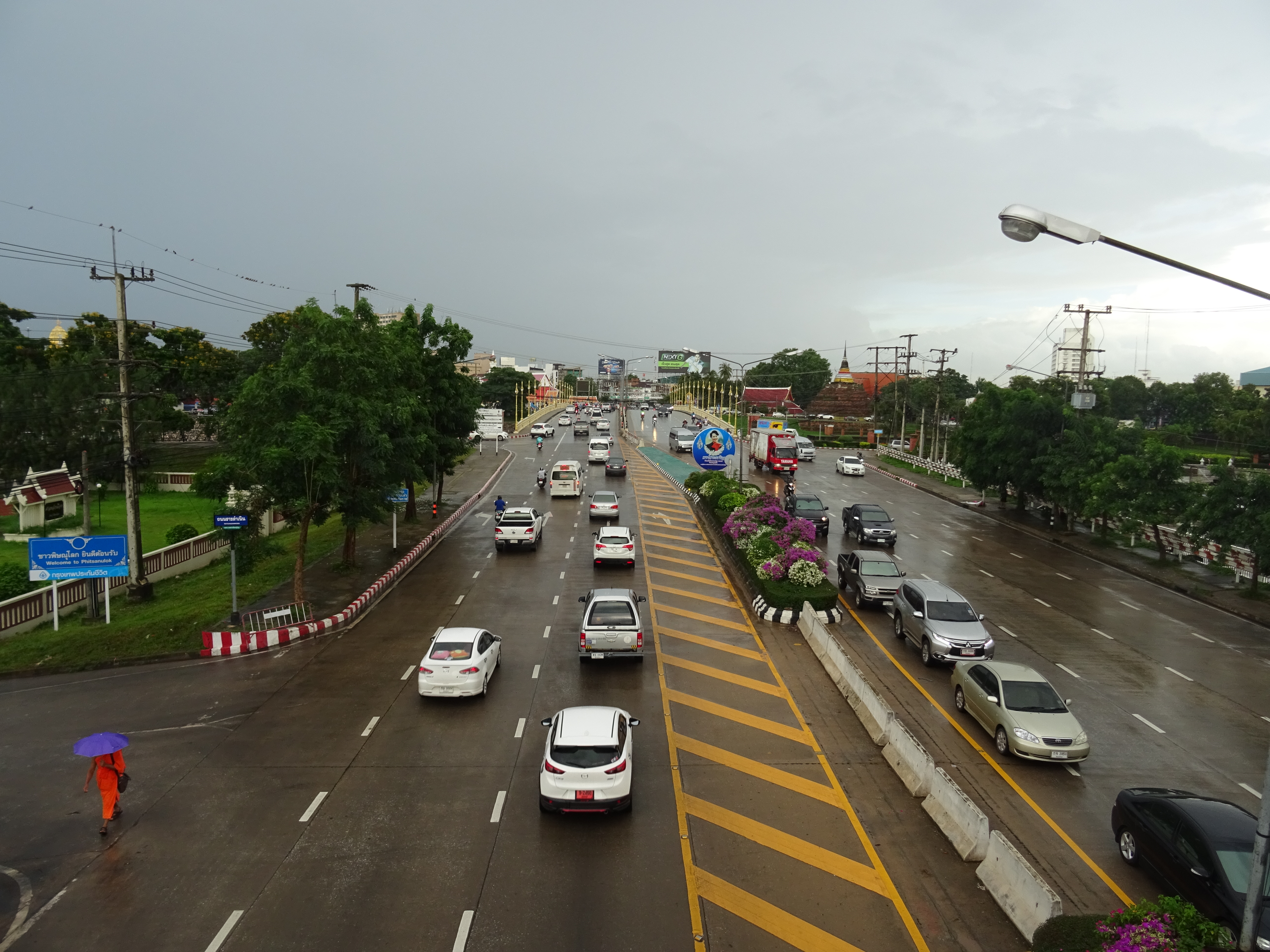 66
66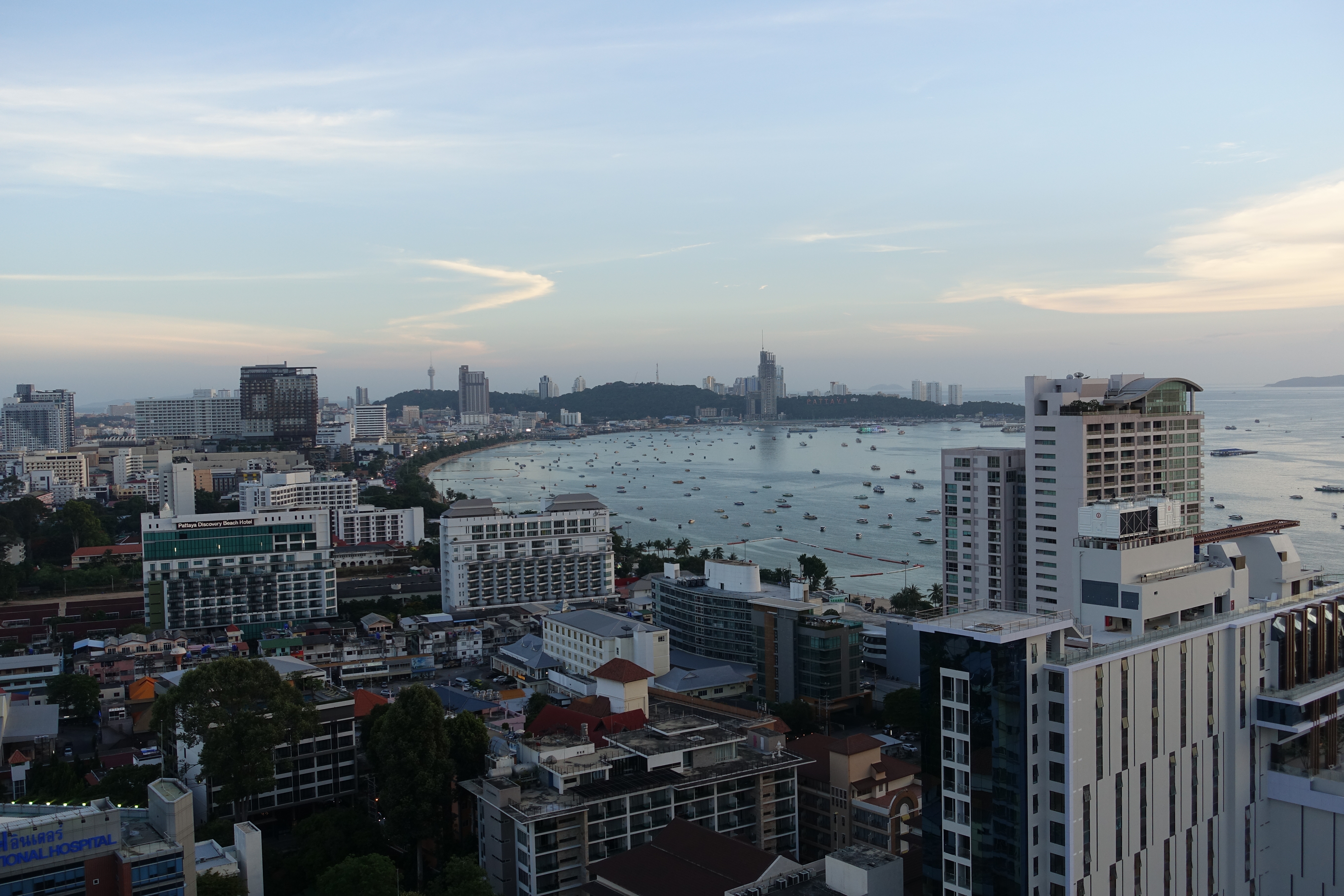 68
68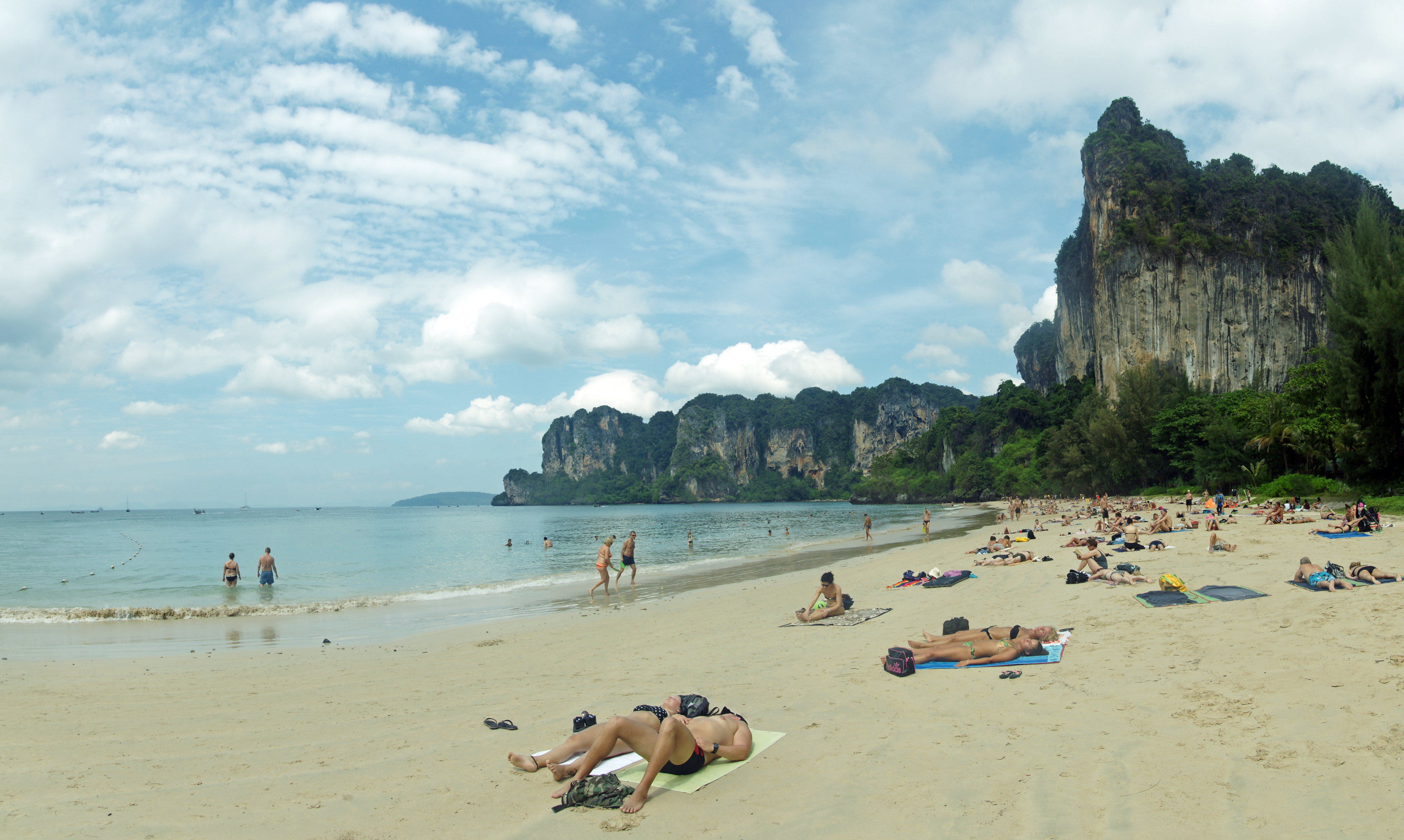 ✦ 78
✦ 78Getting Your Financial Story Ready Before You Apply
The financial requirement looks simple on paper - 800,000 baht in a Thai bank account, or monthly income of 65,000 baht, or a combination of both. What makes it complicated is that Thai immigration isn't just verifying a number; they're reading the shape of your finances over time, and anything that looks like funds were assembled specifically for the application will draw scrutiny.
If you're going the bank deposit route, the money needs to have been sitting in a Thai bank account for at least two months before you apply, and it needs to look like it belongs there - not like a wire transfer that appeared three weeks before your appointment. Opening a Thai bank account itself takes some effort if you haven't done it before, and some branches are more foreigner-friendly than others. Budget time for this, not just money.
The income route causes more problems than people expect. If you're a US remote employee, you can't just submit pay stubs - you need a letter from your embassy in Thailand certifying your monthly income, and some embassies have stopped issuing these. The fallback is 12 months of bank statements showing consistent monthly deposits of at least 65,000 baht (roughly $1,900 as of 2026) into a Thai account. If your paycheck lands in a US account and you make irregular transfers to Thailand, you won't have that statement history. That's a documentation gap that takes time to fix, not a form you can backfill.
The combination method - partial deposit plus partial income - is real and available, but it's the least-documented option and the one most likely to generate questions at the consulate. If you go this route, have a lawyer or agent review your package before you submit.
How People Get the Housing Requirement Wrong
The accommodation requirement doesn't generate much discussion because it sounds obvious - of course you need somewhere to live. Where it trips people up is the TM30 form, which requires your landlord or hotel to notify immigration within 24 hours of your arrival at any new address. Not your arrival in Thailand. Your arrival at each address.
Most long-term renters in Thailand learn this the hard way: their landlord either doesn't know about TM30, doesn't want the administrative hassle, or files it late. If your TM30 isn't properly filed, your 90-day reporting can get blocked, and without a clean 90-day report you can't extend your visa. The chain of dependencies is tight and the weak link is almost always the landlord.
The practical solution is to ask explicitly before signing any lease whether the landlord will file TM30 and to get something in writing confirming it. In popular expat areas - Chiang Mai's Nimman district, Phuket's Rawai - this is routine and landlords know what they're doing. In less-traveled areas or in buildings without expat tenants, it's often the first time anyone has asked. That's not necessarily a dealbreaker, but it's a conversation to have before you move in, not after.
The Gap Between Visa Approval and Actually Being Set Up
Getting the Non-OA approved is the cleaner part of the process. What happens in the first few weeks after you land is where the real administrative load sits, and it happens faster than most people expect.
Within 24 hours of reaching your accommodation, TM30 needs to be filed. Then the 90-day reporting clock starts. If you're on the bank deposit method and didn't open your Thai bank account before arrival, you need to do that quickly - which means showing up at a branch with your passport, visa, and TM30 receipt, and hoping the branch you've chosen has staff who handle foreign accounts regularly. Bangkok Bank and Kasikorn are generally cited as more foreigner-accommodating, but it varies by branch and it can still take multiple visits.
The re-entry permit is the other thing people forget until they're already at the airport. Your Non-OA visa stamp doesn't survive departure from Thailand unless you've bought a re-entry permit first - single entry is 1,000 baht, multiple entry is 3,800 baht. If you leave without one, your visa is cancelled and you're starting over. Immigration offices at major airports sell them, but the process is calmer and faster at a local immigration office before your trip.
None of this is difficult. It's just a sequence of things with deadlines, and missing one early in the process creates problems that take weeks to unwind. Writing out the timeline before you land - not after - is the difference between a smooth first month and a stressful one.
The Long-Term Path, in Practice
The Non-OA doesn't lead directly to permanent residency, and Thai citizenship is, realistically, off the table for most foreign retirees - it requires five years of permanent residency among other requirements, and the PR process itself is discretionary, quota-limited, and heavily weighted toward people who speak Thai and have long employment histories in the country.
What the annual extension path does give you is continuity. Each year you renew, you're building a record with Thai immigration. If you ever want to explore PR - and some people do, after 10 or 15 years - that consistent renewal history is what makes the application legible. But the number of people who actually pursue it is small, and the number who succeed is smaller.
For most retirees on this visa, the practical long-term plan isn't PR. It's continued annual renewal, possibly a switch to the Thailand Privilege Visa (formerly Elite) at some point when the insurance costs start making that program's upfront fee look reasonable by comparison, or an eventual pivot to a different Southeast Asian country if Thai requirements tighten further.
Non-OA vs the DTV - a Judgment Call
The Destination Thailand Visa is the obvious comparison point for anyone under 60 who still has active income. Five-year validity, 180-day stays, designed for remote workers - and without the 800,000 baht deposit requirement. On paper, if you're earning remotely and aren't yet 50, the DTV looks cleaner.
The difference in practice comes down to how you actually want to live. The DTV gives you flexibility but no permanence - you're capped at 180 consecutive days per entry, which means building a life (a regular doctor, a long lease, consistent banking relationships) requires more deliberate management. The Non-OA, assuming you're age-eligible, gives you the right to stay for a year without leaving, with a renewal process that becomes more streamlined each time.
The 180-day Thai tax residency rule hits both visas the same way. If you're spending more than 180 days in Thailand regardless of which visa you hold, you have the same tax exposure. So the DTV's flexibility doesn't actually shelter you from Thai tax - it just means you can leave before hitting the threshold, if you're willing to manage your calendar around it. Whether that's an advantage or a nuisance depends entirely on whether you want to be somewhere else for part of the year anyway.
If Thailand is the destination and you want to stop thinking about logistics, the Non-OA is the more settled choice. If you want Southeast Asia as a base and Thailand as one option among several, the DTV fits better - but you're trading one set of tradeoffs for another, not escaping them.
Work Permissions
Application Steps
- 1
📋 Confirm age and financial requirements
1-2 weeks
- 2
📋 Open Thai bank account and deposit funds
2-3 months
- 3
📄 Obtain health insurance
1 week
- 4
📬 Submit application at Thai immigration office
1 day
- 5
🏛️ Complete annual renewal and 90-day reporting
Annually
This visa requires proof of health insurance. Compare international plans before you apply.
Compare health insuranceWe may earn a commission at no cost to you.
Frequently Asked Questions
Click any question to expand the answer.
Ready to Apply?
Work with trusted visa specialists who handle the paperwork so you can focus on your move.
Get help with this visa →* We may earn a commission if you apply through our link
At a Glance
Last verified: July 15, 2026