Thailand Destination Thailand Visa (DTV)
Thailand · Asia
Data updated Sep 9, 2026
Application Fee
$57
Processing Time
2 wks–3 wks
Difficulty
Moderate
Duration
60 months
Overview
The Destination Thailand Visa is a five-year multiple-entry visa, and the commitment it's asking you to make is more specific than it first appears. You're not just getting permission to live in Thailand - you're locking into a structure where every 180 days you either extend in-country or leave and re-enter, where your bank account needs to show roughly USD 14,940 in accessible cash as of 2026 before you apply and again when you extend, and where none of the time you spend there counts toward anything permanent. That last part is the one most people gloss over. The DTV is explicitly a long-stay tourist-category visa, and Thailand has been deliberate about keeping it that way.
The person who sails through this application is a US-based remote employee or established freelancer with a clean employment contract, a single employer, and a savings account that can comfortably show THB 500,000 without any financial gymnastics. If your income comes from a mix of clients, platforms, and part-time arrangements, the documentation story gets harder to tell, and some embassies will ask for more than others. The person who gets burned is the one who applies assuming the process is standardized - it isn't, and what the Royal Thai Embassy in Washington asks for may differ from what another post requires. The person in the wrong category entirely is the one who wants to eventually become a Thai resident or citizen, because the DTV will not move them one day closer to either.
The thing most applicants don't fully work out before they apply is the tax situation. If you spend 180 days or more in Thailand in a calendar year - which the DTV is essentially designed to let you do - you become a Thai tax resident. That doesn't automatically mean you owe Thailand money on your foreign income, but it does mean the question is live, and the answer depends on whether you remit that income into Thailand in the same year you earn it. US citizens also remain subject to US filing requirements regardless. Getting this wrong is not a visa problem, it's a tax problem, and it's worth sorting out before you book flights.
What the DTV actually unlocks is time - more uninterrupted time in one place than any standard tourist visa allows, at a cost of living that makes USD 4,000-6,000 a month feel comfortable in most Thai cities. For someone who wants to spend a year in Chiang Mai or a few months in Bangkok without the administrative overhead of a proper work visa, this is the most direct route there.
Eligibility Requirements
Min Savings
$14,940
Application Fee
$57
Renewal Cost
$10,000/yr
Min Age
20 yrs
Duration
60 months
Physical Presence
None required
Remote Work / Freelance · Business Income
1099 Contractor · Business Owner · Self-Employed
Requirements Checklist
Valid passport with at least 6 months validity
Proof of sufficient income (bank statements, employment contract)
Health insurance covering the entire stay
Clean criminal background check
Completed application form with all required documents
Proof of accommodation in the country
Tax Information
Thailand's Remittance-Based Tax Reality for DTV Holders
Thailand taxes residents on worldwide income in principle, but the operative rule for most US remote workers is a remittance-based practice that has been the administrative norm for decades and was reaffirmed in 2023: foreign-source income is taxable in Thailand only if you remit it into Thailand in the same calendar year you earn it. Money that stays offshore - in a US brokerage, a US bank account, or a foreign account you don't transfer from - falls outside the scope of Thai tax under current practice. That distinction is the most important thing to understand before you move any money.
Tax residency triggers at 180 days in a calendar year. Not a rolling 12 months, not a visa-year - a calendar year, January through December. Once you cross that threshold, you're a Thai tax resident for that year and the remittance rules apply to you. Under 180 days and you're a non-resident, taxed only on Thai-source income.
For income that is remitted, Thailand uses a progressive personal income tax structure. In 2026, the brackets run from 0% on the first roughly THB 150,000 (around USD 4,000) up through 5%, 10%, 15%, 20%, 25%, and 30%, reaching 35% on annual taxable income above THB 5,000,000 (around USD 135,000), all after deductions and allowances. A US freelancer remitting USD 60,000 equivalent annually would land somewhere in the 25-30% range on the upper portion of that income.
Thai-source income - work physically performed in Thailand for Thai clients, Thai employment wages, Thai rental income - is taxable regardless of whether you remit it. The remittance practice applies specifically to foreign-source income. And it's worth being clear-eyed about the enforcement trajectory: Thailand's Revenue Department has signaled interest in tightening how foreign income is treated, and the rules that exist today may not be the rules that exist in three years.
No Dedicated Regime for DTV Holders
There is no preferential tax program built specifically for DTV holders. The two special regimes Thailand does offer - the Long-Term Resident (LTR) visa's flat 17% personal income tax rate on qualifying employment income, and BOI-linked personal income tax incentives for targeted sectors - are tied to different visa categories and specific employment or investment conditions that DTV holders generally won't meet.
The remittance practice itself functions as a de facto benefit for anyone keeping foreign earnings offshore, but that's not a program with an application window or a registration process. It's simply how Thai tax administration currently works for foreign-source income.
If you're earning enough that a 17% flat rate on employment income sounds appealing, the LTR visa is worth examining on its own merits. For the DTV specifically, there's no equivalent.
The US Layer - FEIE, FTC, and FBAR
The IRS taxes US citizens and green card holders on worldwide income regardless of where they live. Moving to Thailand on a DTV changes your Thai tax exposure; it does not change your US filing obligation.
The Foreign Earned Income Exclusion can shelter earned income - remote salary from a US employer, freelance income from foreign clients - up to $132,900 for 2026. To claim it, you need to qualify under either the Bona Fide Residence test or the Physical Presence test, which requires at least 330 full days outside the US in any rolling 12-month period. Long DTV stays support the Physical Presence test, but frequent trips back to the US can break it. What the FEIE does not cover: dividends, interest, capital gains, rental income, pensions, Social Security. Those categories sit outside the exclusion entirely, regardless of how long you've been abroad.
The Foreign Tax Credit works differently. If you're remitting income into Thailand and paying Thai tax on it, you can claim those Thai taxes paid as a credit against your US liability on the same income via Form 1116. For higher earners whose income exceeds the FEIE limit, or for anyone who wants to preserve earned income for US retirement account contributions (which FEIE-excluded income doesn't support), the FTC can be the more useful tool. The two approaches aren't mutually exclusive in all cases, but they require careful structuring - particularly when some foreign earnings are remitted to Thailand and taxed there while others aren't.
There is no US-Thailand income tax treaty, so no treaty-based relief covers business profits, pensions, interest, or royalties, and there are no tie-breaker rules for dual residents. In practice, most US remote workers on a DTV rely on FEIE and FTC, since no treaty exists to provide additional relief.
On FBAR: the DTV requires you to open a Thai bank account. The moment your combined foreign account balances exceed $10,000 at any point in the calendar year - not on average, at any point - you're required to file FinCEN 114. Non-willful failure to file carries a penalty of approximately $16,700 per violation per year, as of 2026. The account the visa effectively requires you to open is the account that triggers this obligation.
Getting Year One Right
The decisions that go wrong in year one tend to go wrong quietly. Missing a registration window for a preferential regime - not applicable to the DTV specifically, but a real risk for anyone who later transitions to an LTR - is often permanent. Choosing the wrong FEIE election method, or filing FEIE when FTC would have been more advantageous given your income level and Thai tax payments, creates a structure that's costly to unwind. Not filing FBAR for a Thai bank account you opened because the visa process required it is the kind of oversight that generates penalties disproportionate to the underlying account balance.
A US expat CPA with Thailand experience and a local Thai tax advisor together typically run $1,500-$3,000 for year-one setup and filing. What that buys is correct FEIE or FTC elections from the start, treaty positioning where it applies to your income types, FBAR compliance, and a clear picture of what to remit and what to keep offshore given the Thai remittance rules. The remittance question alone - which income to bring into Thailand and when - is something most people get wrong without guidance, because the answer depends on your income mix, your Thai tax bracket, and your US tax position simultaneously.
State tax exposure is also part of year one. If you retain ties to a US state with income tax - a driver's license, a storage unit, a domicile you haven't formally abandoned - some states will continue to assert tax residency regardless of time spent abroad. Cutting those ties cleanly before you leave, or understanding which states are aggressive about this and which aren't, is part of what a good US expat CPA handles.
Getting the first year structured correctly means every subsequent year runs on a foundation that's already been thought through.
Living in Thailand
COL Index vs NYC
33.7
Monthly Cost (excl. rent)
$603
1BR Rent (City Center)
$475
Safety Index
62.7
Healthcare Index
77.5
Quality of Life Index
106.2
Time Zone
UTC+07:00
Capital
Bangkok
Population
69.8M
Official Languages
Thai
Avg Internet Speed
355 Mbps
Public Transit Quality
Good
With a budget covering rent and living costs, you'd need roughly $1,078/mo for a comfortable single-person lifestyle in Thailand.See how far your money goes →
🏙️ Best Cities in Thailand for Digital Nomads
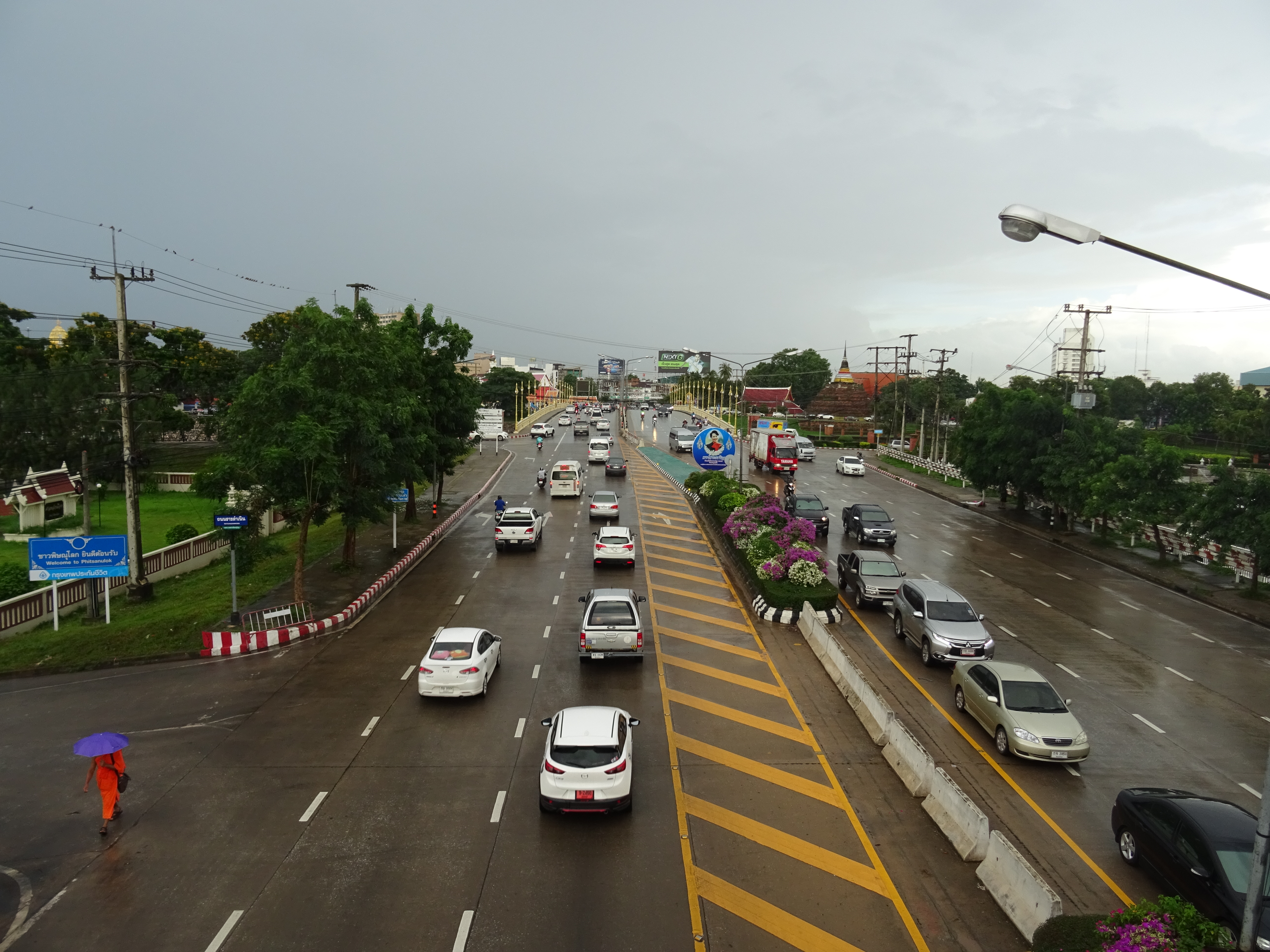 72
72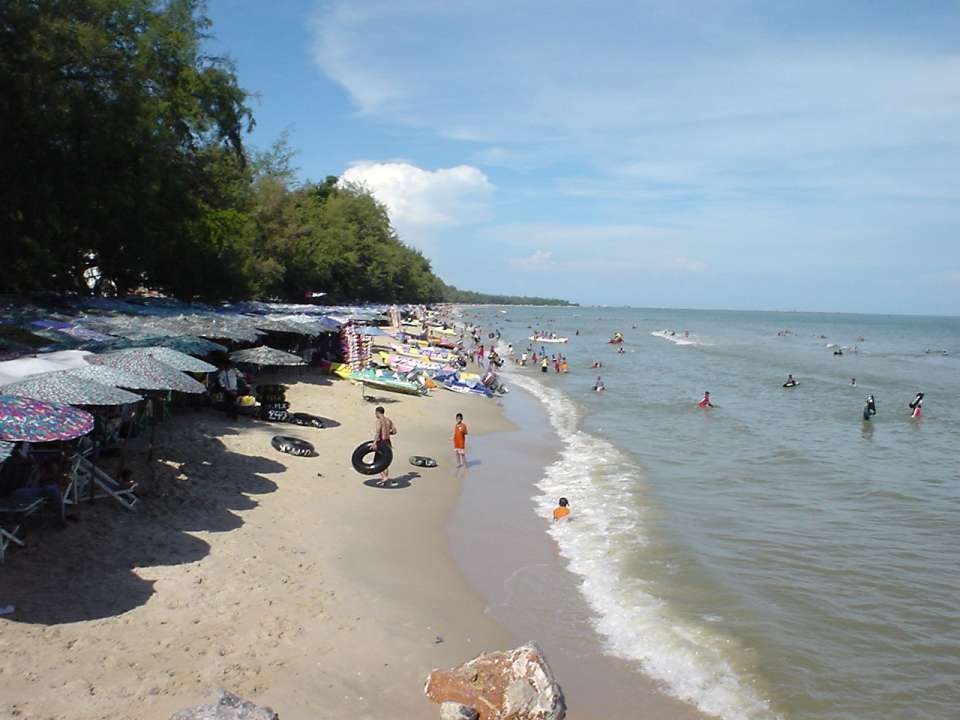 71
71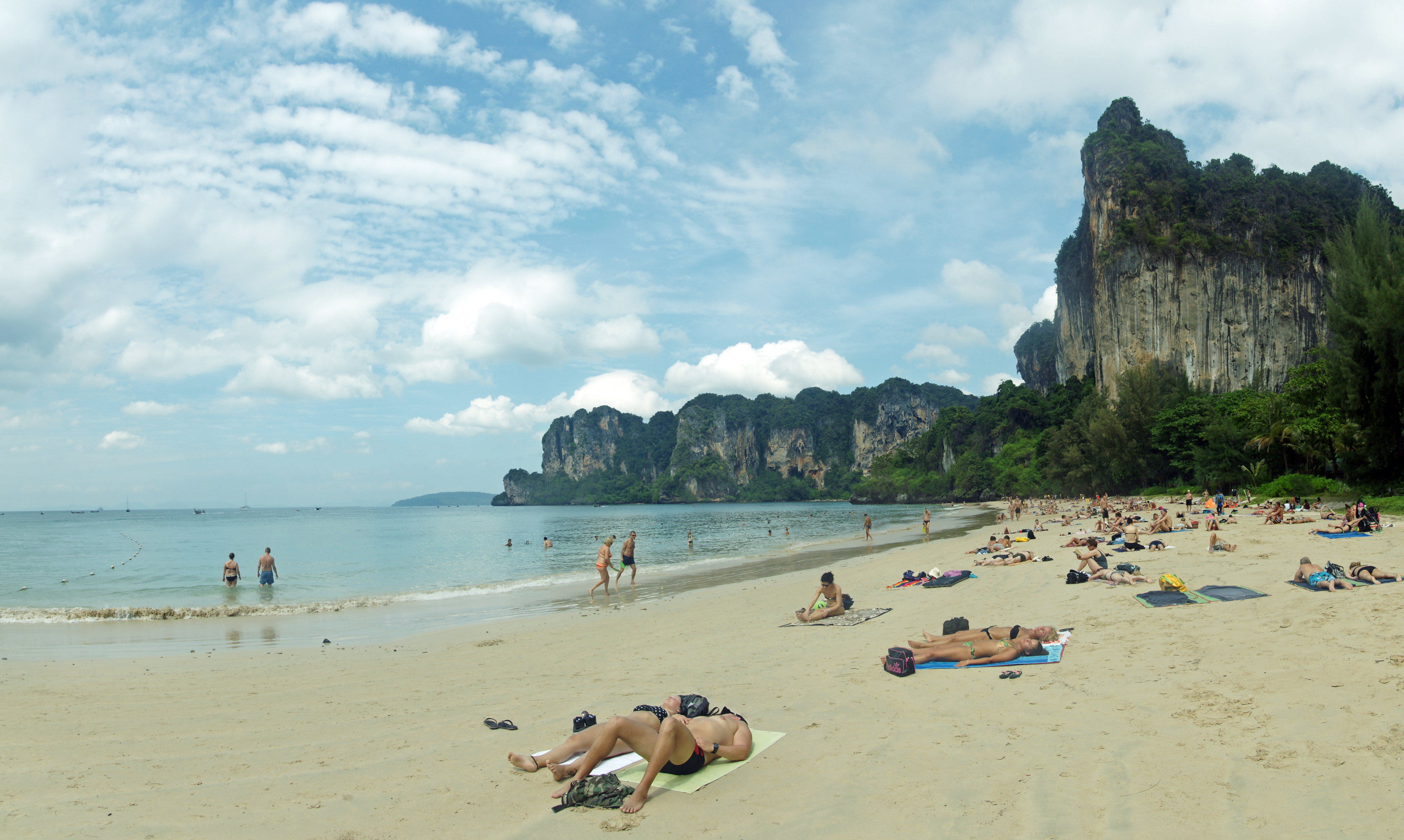 ✦ 80
✦ 80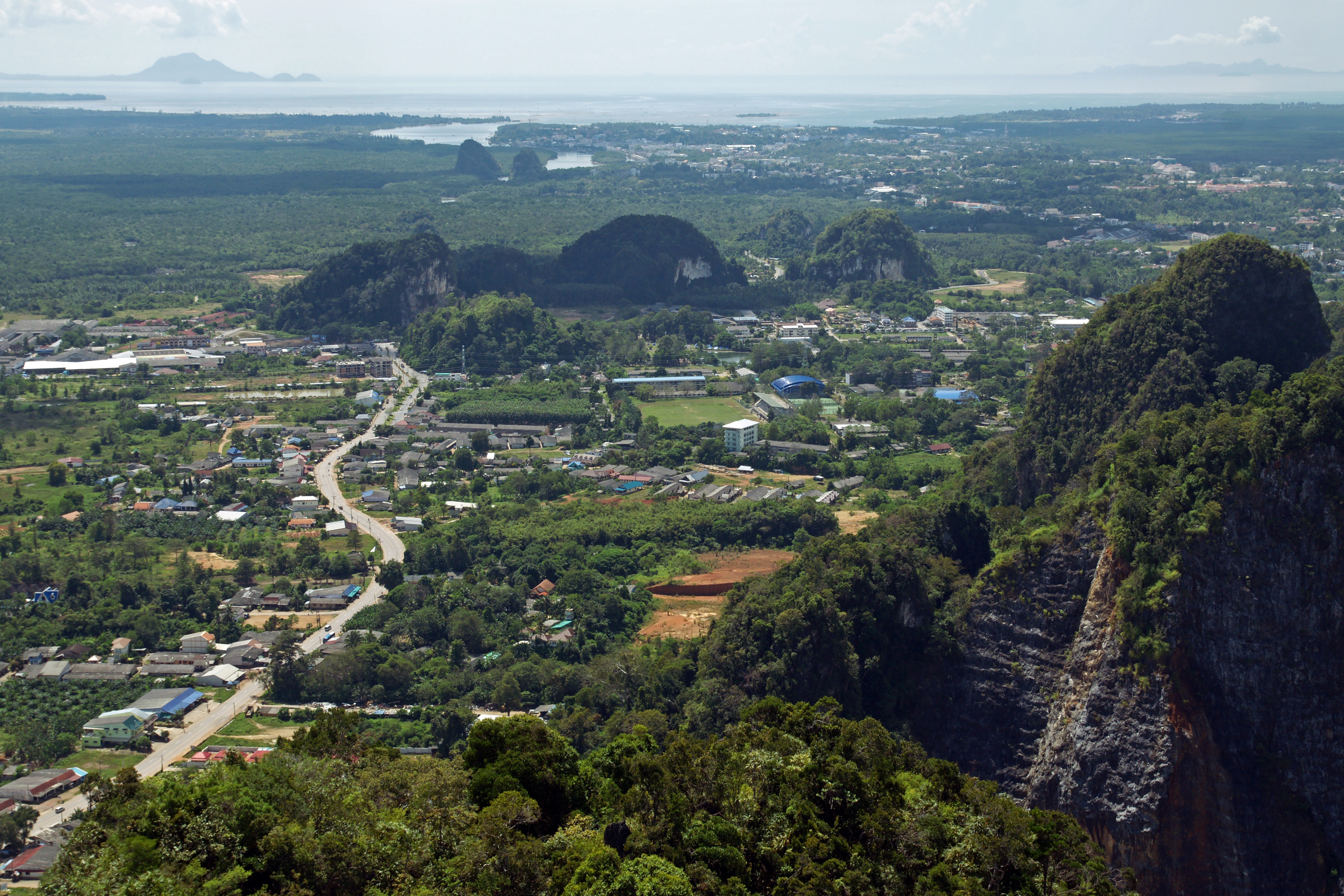 69
69 69
69Getting Your Income Documentation Story Straight
The funds requirement for the DTV is a bank balance, not an income threshold, and that distinction matters more than it seems. You need to show THB 500,000 sitting in an account - cash or deposits, not investments, not crypto - and some embassies will want to see that it's been there for a while, not just deposited the week before you apply. If you're a salaried employee, this is usually straightforward: three to six months of bank statements showing a consistent balance, plus an employer letter confirming remote-work status. The letter needs to be specific. It should say that your employer is not a Thai entity, that your work is performed remotely, and ideally that your salary is paid in a foreign currency to a foreign account.
Freelancers have more to explain. Multiple income streams, variable monthly deposits, and clients in different countries can all look messy on paper even when the underlying financial picture is solid. The way to handle this is to consolidate the narrative before you apply - not falsify anything, but make it legible. One bank account that aggregates your income, invoices that clearly show foreign clients, and tax returns that confirm your earnings over the past year or two will do more work than a stack of individual payment records from different platforms.
What some applicants don't anticipate is that the same documentation may come up again when they apply for the in-country extension. At that point, some immigration offices have asked to see proof of funds in a Thai bank account rather than an overseas one. This isn't universally enforced, but it's happened enough that if you're planning to stay the full 360 days, it's worth opening a Thai bank account early in your stay rather than scrambling for one when your first 180 days are almost up.
The Housing Requirement and Where People Get It Wrong
The DTV doesn't have a formal housing requirement in the way some other visas do - you're not required to sign a lease before you apply or prove you have a permanent address in Thailand. But immigration will ask for an address when you arrive, and the 90-day reporting obligation that kicks in for long-stay visitors requires you to report your address to Thai immigration every 90 days if you're not leaving and re-entering the country more frequently than that.
Where people get this wrong is by treating it as a formality. The 90-day report is not optional, and missing it comes with fines. If you're moving around - spending time in Chiang Mai, then Bangkok, then Koh Samui - each change of address technically needs to be reported, and the reporting can be done online, by mail, or in person at an immigration office depending on your location and the current state of the online system, which has had reliability issues. Some long-stay visitors find it easier to maintain one address on paper even if they're not always there.
The practical advice is to sort your accommodation situation in the first two weeks after arrival, get a proper lease or at least a rental agreement, and register that address with immigration when you do your first 90-day report. Hotels and serviced apartments can work for the initial period, but they complicate the reporting process over time.
What Actually Happens After You Land
Your e-Visa approval notice gets you on the plane and through the immigration queue. After that, you have 180 days and a stamp in your passport, and the gap between that and having anything resembling a settled administrative life in Thailand is wider than most people expect.
The first few weeks involve a sequence of practical tasks that aren't difficult individually but take time to chain together. Opening a Thai bank account typically requires a passport, your visa documentation, a local address, and sometimes a letter from your embassy - requirements vary by bank and branch. Getting a Thai SIM with a real data plan is easy. Finding an accountant or tax advisor who understands the situation of a foreign remote worker on a DTV is harder, and if you're going to be there for close to a year, you want that conversation early rather than in month ten.
The 180-day extension has to be applied for before your initial permission expires, at a Thai Immigration Office. The process involves showing up in person, bringing your documents, paying the THB 1,900 fee, and waiting. Some offices are efficient; some are not. Arriving on a Monday morning with a complete document set is better than arriving on a Friday afternoon with anything missing. If you're planning to use the full 360 days before your next exit, put the extension date in your calendar the day you arrive.
The Long-Term Path - What It Actually Takes
The DTV does not lead anywhere permanent in Thailand, and this is worth sitting with before you commit to it as a multi-year strategy. Thai permanent residence requires three consecutive years on qualifying non-immigrant visas - categories that come with work authorization, income requirements, and a different relationship with the Thai immigration system than the DTV provides. None of your DTV time counts toward that clock.
If permanent residence or eventual citizenship is something you care about, the DTV is the wrong starting point. You would need to leave, re-enter on a non-immigrant visa, meet the income and employment thresholds for that category, and begin the clock from there. Thai citizenship then requires PR, several more years of Thai residence, demonstrated Thai-language ability, and documentation requirements that are substantial by any standard.
For most people reading this, that's probably not the plan. The DTV works well as a multi-year arrangement for someone who wants extended time in Thailand without administrative complexity, and who is comfortable with the fact that it doesn't build toward anything beyond the five-year visa validity itself. That's a legitimate choice. It just needs to be a conscious one.
DTV vs. Thailand's LTR Visa - A Judgment Call
The Long-Term Resident visa is the other serious option for remote workers in Thailand, and the comparison comes down to one question: how much do you earn, and how much do you want Thailand to acknowledge it?
The LTR has substantially higher income and asset thresholds - well above what the DTV requires - but it comes with things the DTV doesn't: a work permit for certain categories, clearer tax treatment including a flat 17% rate on qualifying income for some LTR holders, and a visa structure that's more explicitly designed for people who are committing to Thailand as a long-term base rather than an extended stay. If you're earning well above the DTV's implied income range and you want the tax certainty, the LTR is worth the additional qualification work.
The DTV wins on accessibility. The application is more straightforward, the income threshold is lower, and the soft-power activity categories mean it covers a broader range of reasons to be in Thailand. For someone who wants to spend a year studying Muay Thai, doing a cooking program, or simply working remotely while living somewhere affordable and interesting, the DTV gets them there without the LTR's overhead.
Malaysia's DE Rantau pass is worth a mention for anyone who's undecided on country. It offers a similar duration for remote workers with a defined income requirement and a simpler administrative environment in some respects, though Thailand's cost of living, infrastructure, and the sheer range of places to live within the country give it a different character entirely. The DE Rantau is a visa; the DTV is more like a decision about where you want to spend the next few years.
Work Permissions
Application Steps
- 1
📋 Confirm eligibility and intended activity
1 week
- 2
📄 Prepare required documents
1-2 weeks
- 3
📬 Apply online via Thai e-Visa portal
1-2 days
- 4
⏳ Await approval and download visa
1-2 weeks
- 5
🏛️ Extend stay at local immigration office
1 day
This visa requires proof of health insurance. Compare international plans before you apply.
Compare health insuranceWe may earn a commission at no cost to you.
Frequently Asked Questions
Click any question to expand the answer.
Ready to Apply?
Work with trusted visa specialists who handle the paperwork so you can focus on your move.
Get help with this visa →* We may earn a commission if you apply through our link
At a Glance
Last verified: July 15, 2026