Slovenia Type D Long-Stay Visa
Slovenia · Europe
Data updated Sep 5, 2026
Min Monthly Income
$1,200
Application Fee
$84
Processing Time
4 wks–8 wks
Difficulty
Moderate
Duration
12 months
Path to Citizenship
10 years
Overview

Slovenia does not offer a dedicated retirement visa. The Type D long-stay visa for "other reasons" is the standard route for American retirees and passive income earners. You need to demonstrate roughly €1,100/month in stable income, Social Security, pension, rental income, or a combination all count. The initial visa itself is single-use and not renewed; once you arrive, you convert it into a residence permit, which you then renew annually at the local Administrative Unit. After 5 continuous years on that permit you can apply for permanent residency, and after 10 years, citizenship. The process is paperwork-heavy but not procedurally hostile, the main friction is the annual renewal cycle and the requirement to maintain a genuine presence in Slovenia rather than treating it as a mail address.
Eligibility Requirements
Available to all non-EU/EEA nationals including US, Canadian, UK, Australian, and New Zealand citizens. EU and EEA nationals have free movement rights and do not need this visa.
Min Income
$1,200
Min Savings
$505
Application Fee
$84
Min Age
18 yrs
Duration
12 months
Physical Presence
183 days/yr
Max Absence
90 days
Min Lease
12 months
Language
No Slovenian language requirement for initial visa. Basic Slovenian may be required for permanent residency application after 5 years.
+20% per adult · +10% per child
Requirements Checklist
Valid passport; completed Type D visa application form; two passport-size photos; proof of sufficient monthly income (€1,100+/month via bank statements, pension letter, or Social Security award letter); proof of accommodation in Slovenia (rental lease minimum 12 months); comprehensive health insurance covering Slovenia; criminal background check from country of residence; apostille on criminal record; cover letter stating purpose of stay; proof of current tax residence
Apostille required on official documents
Tax Information
Slovenia taxes residents on worldwide income once you spend 183 or more days in the country in a calendar year. The US and Slovenia have had a comprehensive income tax treaty in force since 2001, covering most income categories and providing relief from double taxation for American retirees and expats, this is a meaningfully stronger position than expats get in countries with no treaty at all. Note that Social Security totalization (which governs which country's payroll taxes you owe, separate from income tax) isn't addressed by this treaty, so self-employed Americans may still owe US self-employment tax on top of any Slovenian contributions. US persons remain subject to IRS filing requirements regardless of Slovenian tax residency. FBAR applies once you open a Slovenian bank account and combined foreign balances exceed $10,000. Consult both a US expat CPA and a Slovenian tax advisor before your first full tax year.
Living in Slovenia
COL Index vs NYC
46.2
Monthly Cost (excl. rent)
$941
1BR Rent (City Center)
$814
Safety Index
76.2
Healthcare Index
66.1
Quality of Life Index
179.3
Time Zone
UTC+01:00
Capital
Ljubljana
Population
2.1M
Official Languages
Slovene
Avg Internet Speed
454 Mbps
Public Transit Quality
Good
With a budget covering rent and living costs, you'd need roughly $1,755/mo for a comfortable single-person lifestyle in Slovenia.See how far your money goes →
🏙️ Best Cities in Slovenia for Expats
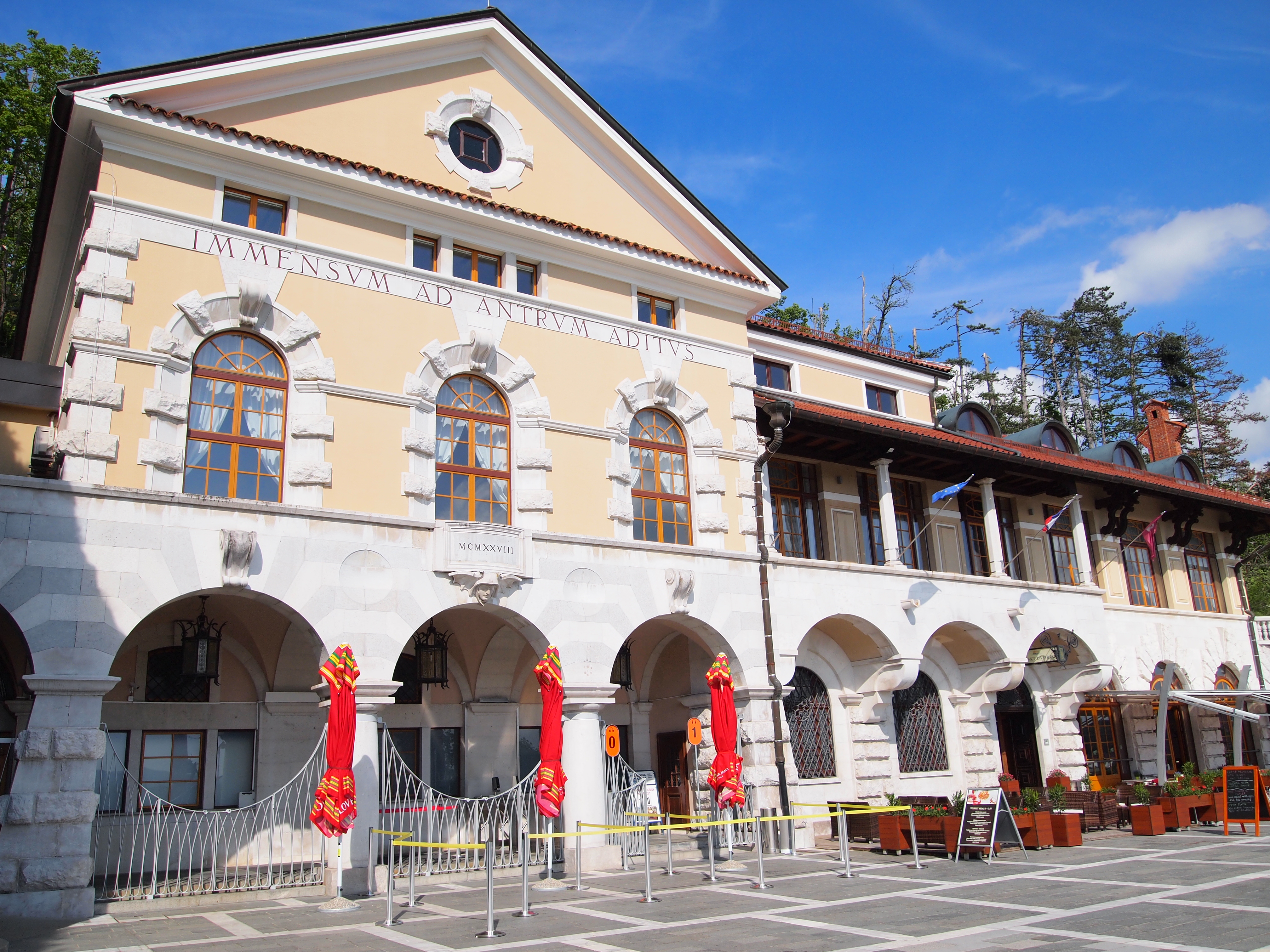 ✦ 88
✦ 88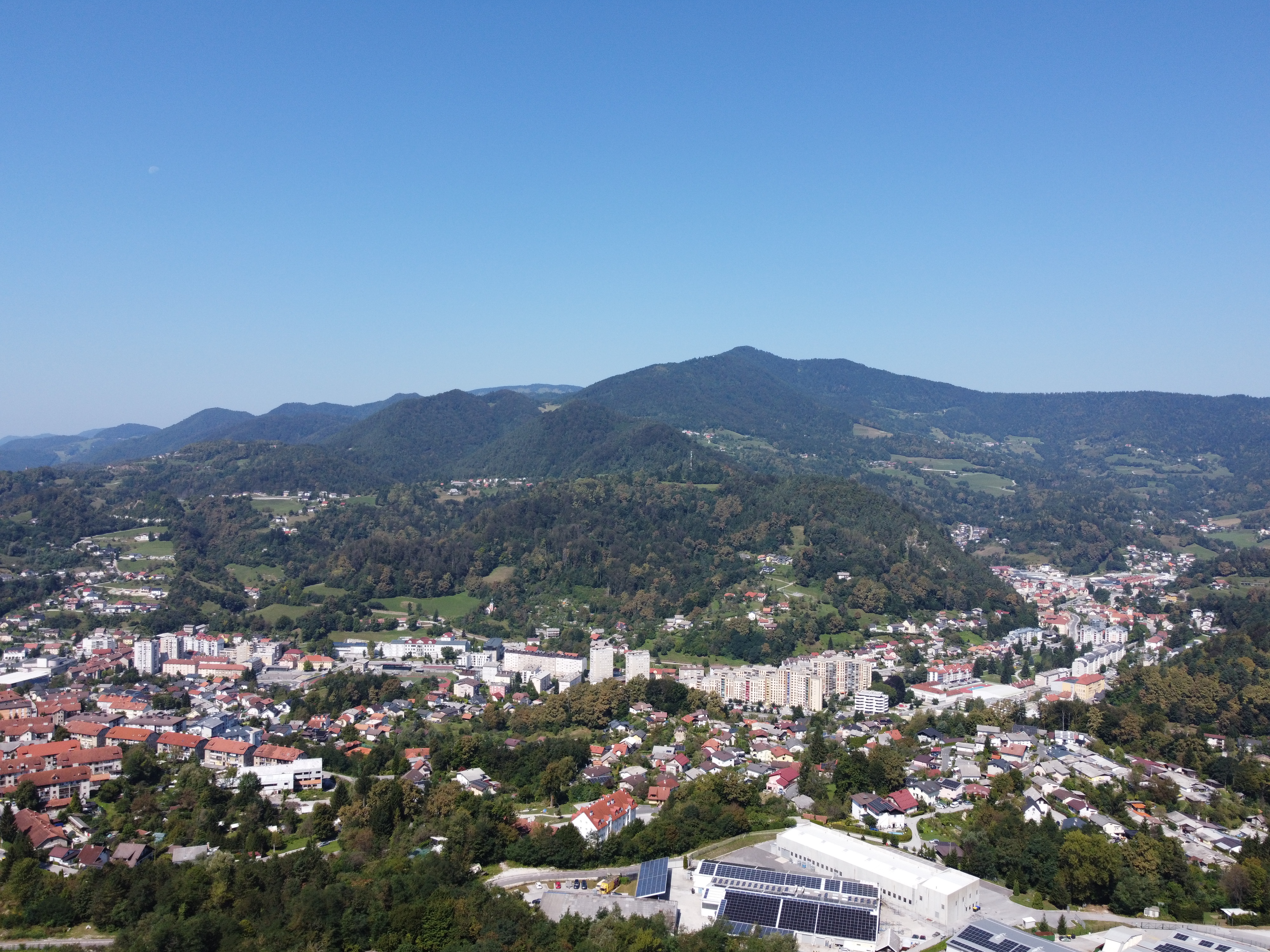 ✦ 82
✦ 82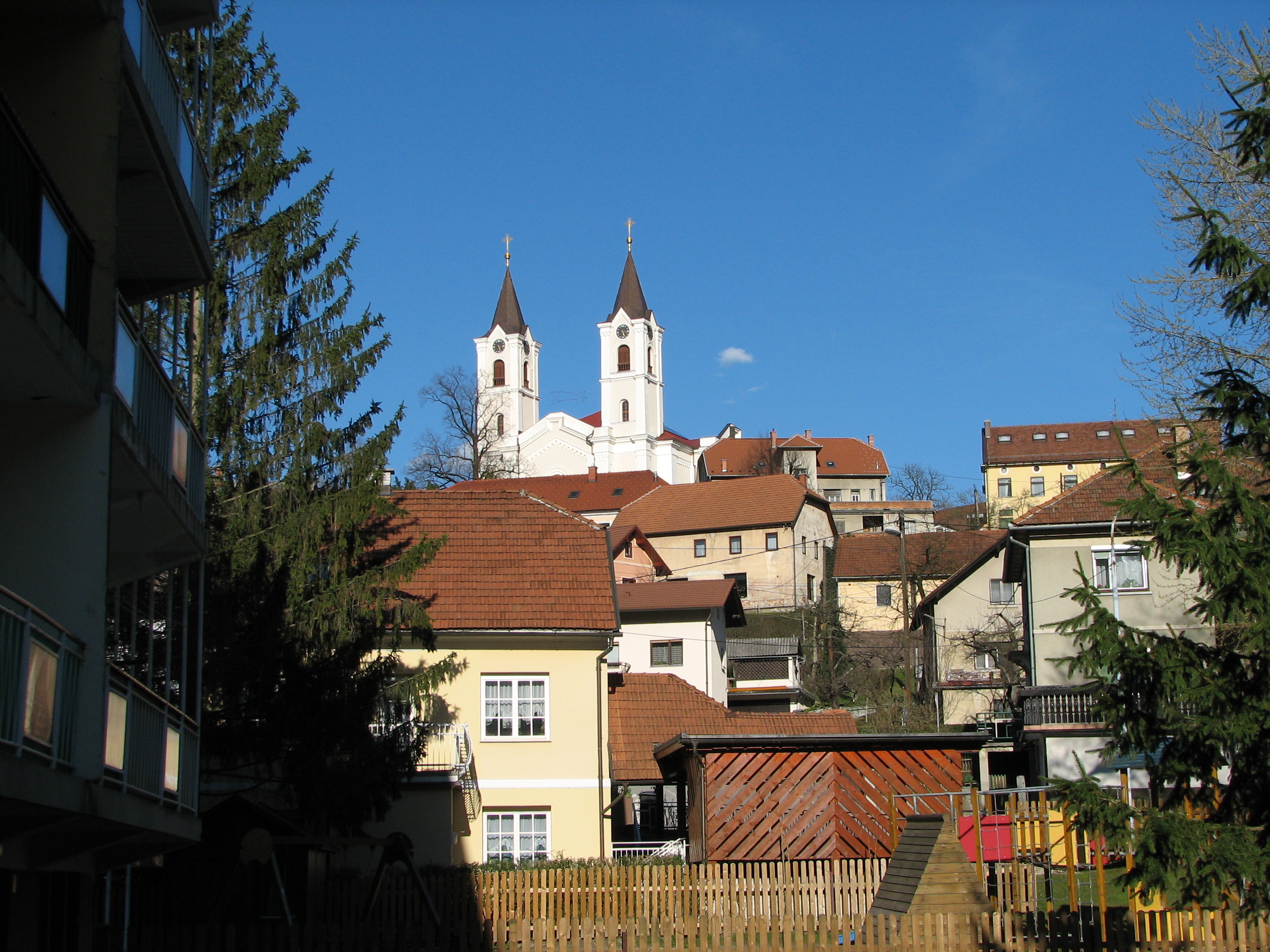 ✦ 85
✦ 85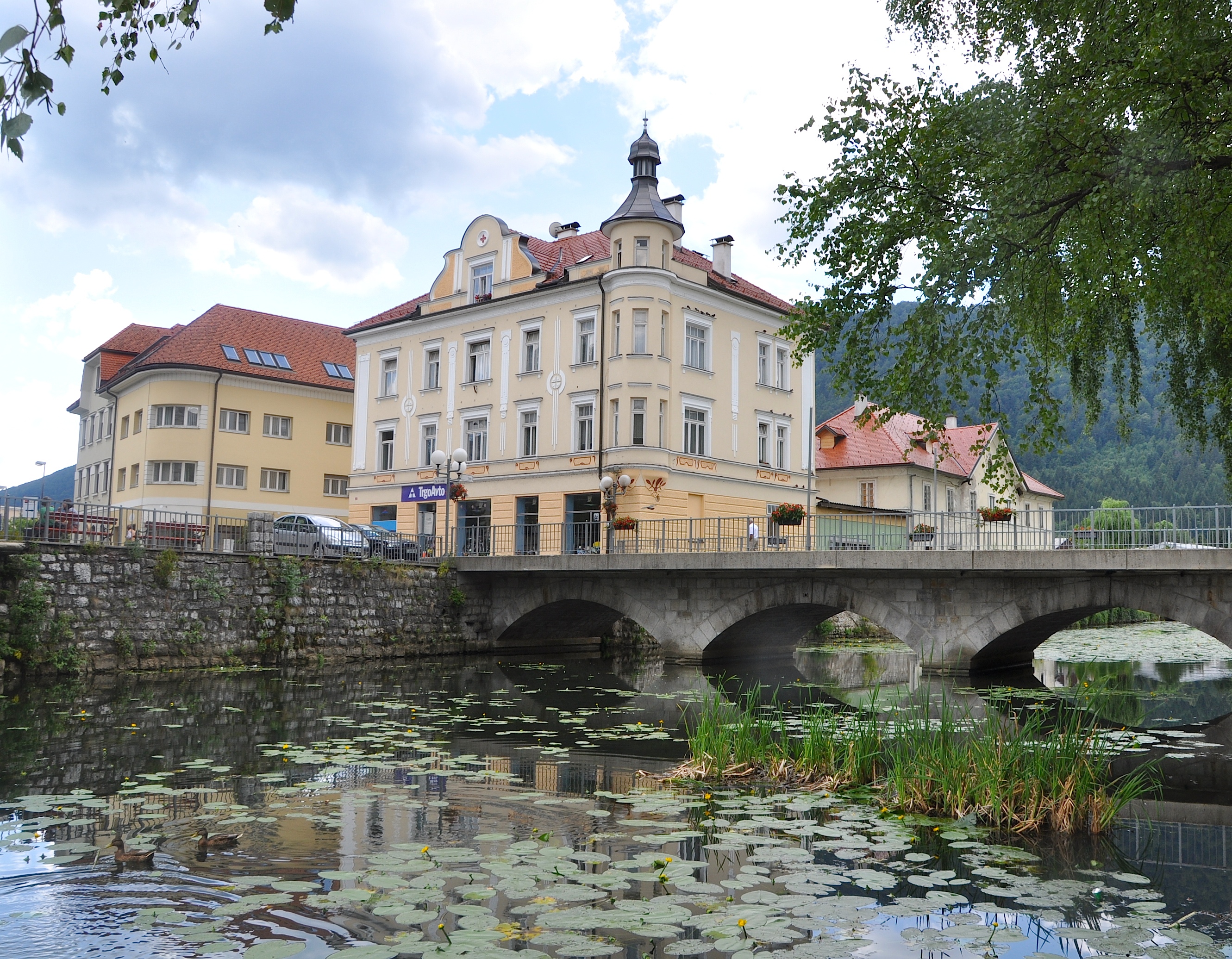 ✦ 81
✦ 81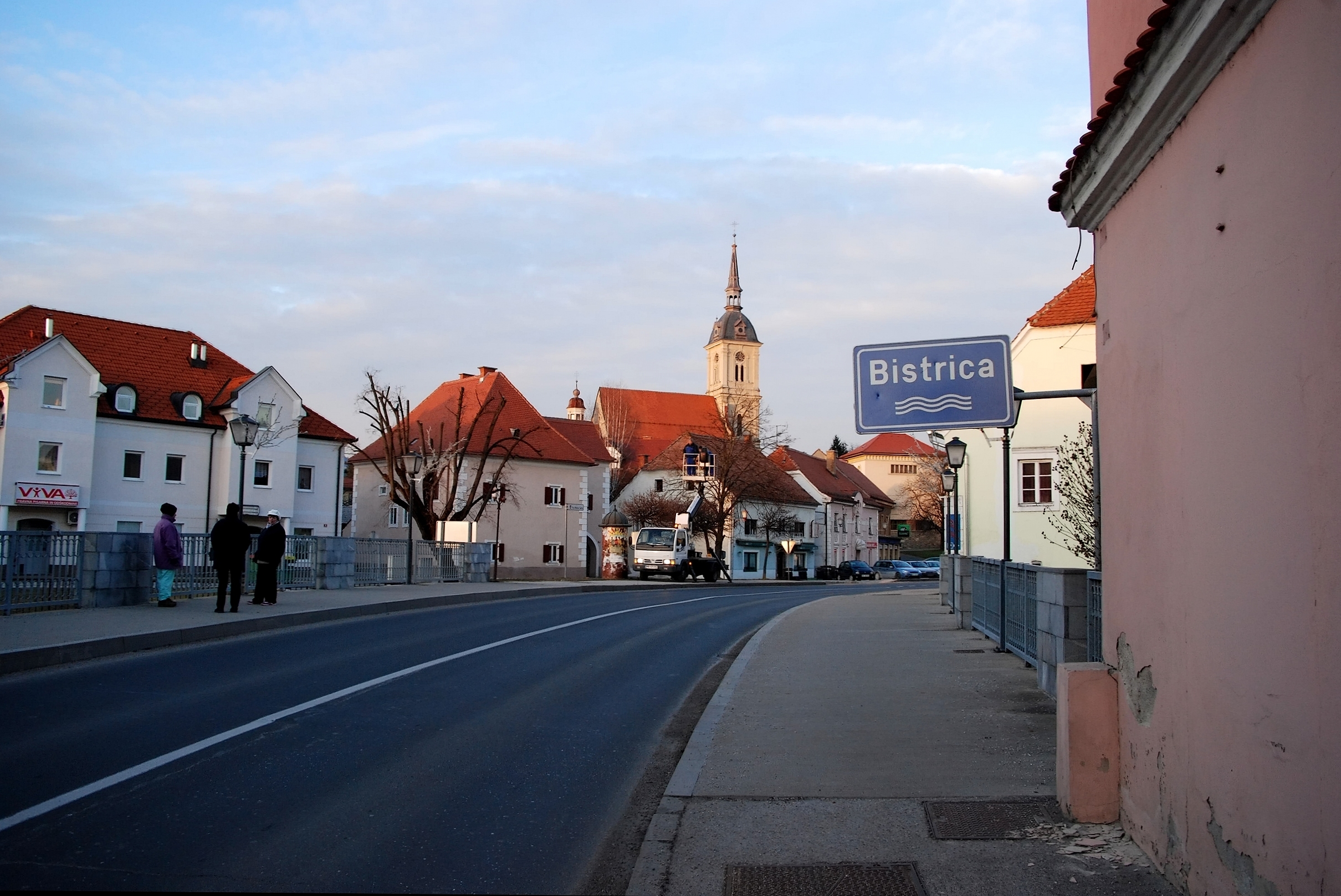 ✦ 86
✦ 86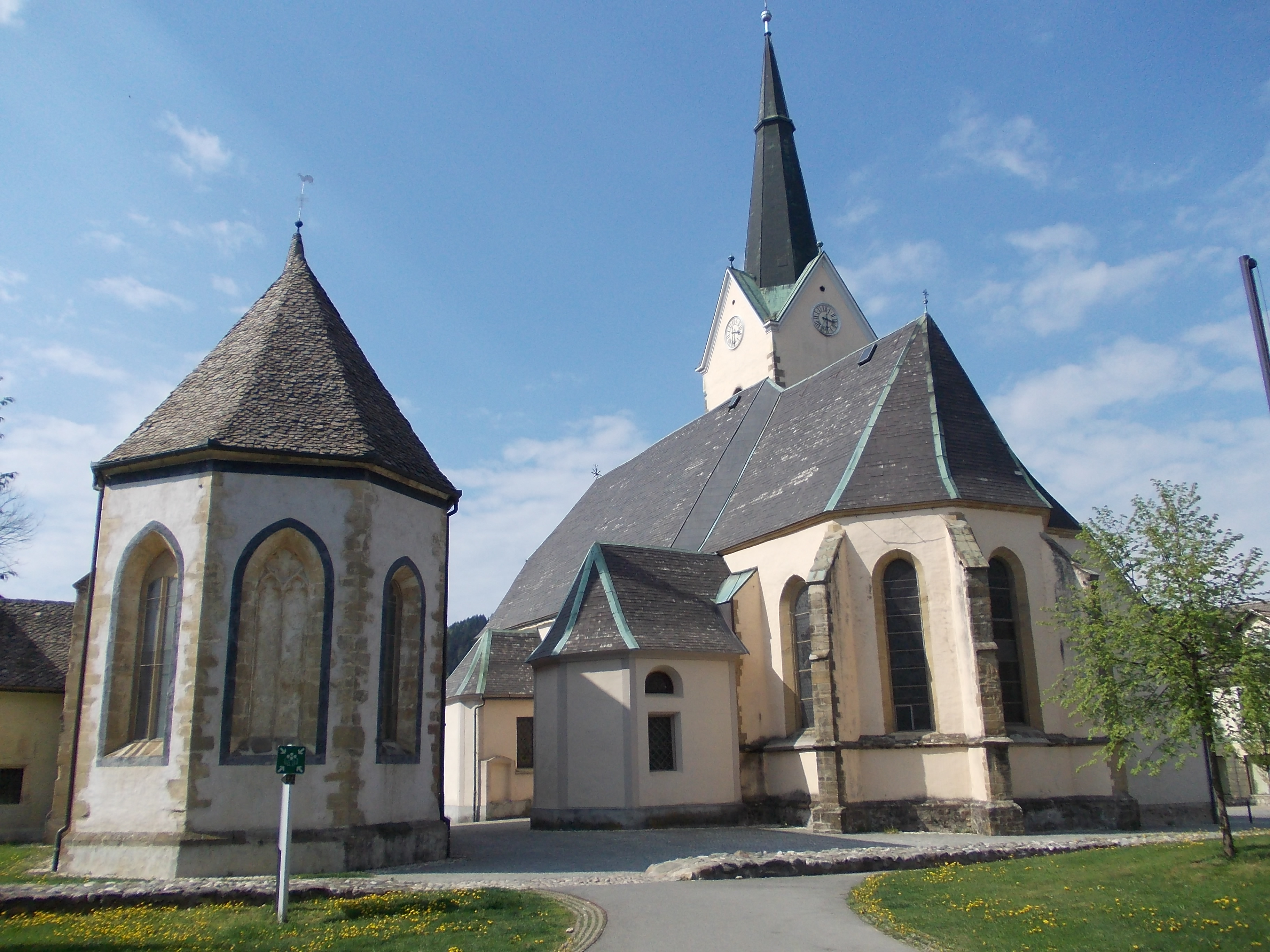 ✦ 81
✦ 81
Slovenia does not have a dedicated retirement visa, which trips up most Americans researching the move. The correct route is the Type D long-stay visa issued under the category of "other reasons," a flexible classification that covers retirees, passive income earners, and anyone relocating without an employment contract. The income bar is low by European standards: roughly €1,100/month, which most US Social Security recipients clear on their own. Pension income, rental income from abroad, and investment distributions all count toward the threshold.
The friction is in the renewal cycle, not the initial application. The Type D visa itself is single-use and gets you in the door; once you arrive, you convert it into a residence permit, which you then renew annually at the local administrative unit (Upravna Enota). Each renewal requires you to demonstrate continued income and maintained residence, which means you need to actually live there, this isn't a visa you can hold while spending 10 months a year elsewhere. The upside of that commitment is real: 5 years of continuous residence qualifies you for permanent residency, putting a Slovenian, and by extension EU, permanent residency card within reach for anyone who commits to the timeline. (Citizenship, if you want it, takes 10 years.)

Documentation is the bulk of the work: apostilled criminal record, proof of accommodation for at least 12 months, comprehensive health insurance, and bank statements showing consistent income. No medical exam, no consular interview, and no language test for the initial application. The apostille requirement on the criminal record is the step most people underestimate in terms of lead time, budget 6 to 8 weeks if you need an FBI check apostilled through the US State Department. Once you've cleared the visa itself, the harder part is everything that comes after: finding housing, registering for healthcare, and picking a region that fits your budget. Our complete guide to moving to Slovenia walks through that full process.
Work Permissions
Application Steps
- 1
📋 Identify your visa purpose and category
1 week
- 2
📄 Prepare documentation package
2-3 weeks
- 3
📅 Apply at Slovenian embassy in home country
Same day
- 4
⏳ Await visa decision
2-4 weeks
- 5
🏛️ Register address and apply for residence permit
1-2 weeks
Frequently Asked Questions
Click any question to expand the answer.
Ready to Apply?
Work with trusted visa specialists who handle the paperwork so you can focus on your move.
Get help with this visa →* We may earn a commission if you apply through our link
At a Glance
Last verified: July 15, 2026