Slovenia Digital Nomad Visa
Slovenia · Europe
Data updated Sep 3, 2026
Min Monthly Income
$3,654
Application Fee
$80
Processing Time
~9 wks
Difficulty
Moderate
Duration
12 months
Overview
Slovenia's digital nomad permit is marketed as a flexible EU base for remote workers, and in one sense that's accurate. But the commitment the application quietly asks for is bigger than the 12-month duration implies. This visa doesn't renew. There's no path to permanent residency attached to it. When you apply, you are choosing a fixed, one-time stay in a country with a real tax residency clock ticking, and if you cross 183 days - which a full year essentially guarantees - you will likely trigger Slovenian tax residency. That's not a deal-breaker, but it's a different decision than "I'll go try Slovenia for a year."
The profile that moves through this cleanly is someone earning $3,654 or more per month (as of 2026) from a foreign employer or established freelance clients, who wants 12 months in a stable, central-European EU country and is done with that chapter when the permit ends. They don't need renewal. They're not building toward a Slovenian passport. They have a US expat CPA and treat the FBAR filing as routine. The profile that struggles is the person trying to use this as a stepping stone to longer-term Slovenian residency - there's no formal bridge - or the freelancer whose income is inconsistent month-to-month, because the documentation story gets complicated fast when some months are strong and some aren't.
The thing most people don't think about before applying is what happens to their US brokerage account while they're there. FEIE covers your remote salary and freelance income up to the annual exclusion limit. It does not cover dividends or capital gains. If you're earning $6,000 a month from a US employer and another $1,500 in ETF dividends, you will owe US tax on the dividend income regardless of what Slovenia does with it - and if Slovenia also taxes it, the Foreign Tax Credit is your only lever. Getting this sorted before you file, rather than after, is the difference between a manageable first year and an expensive correction.
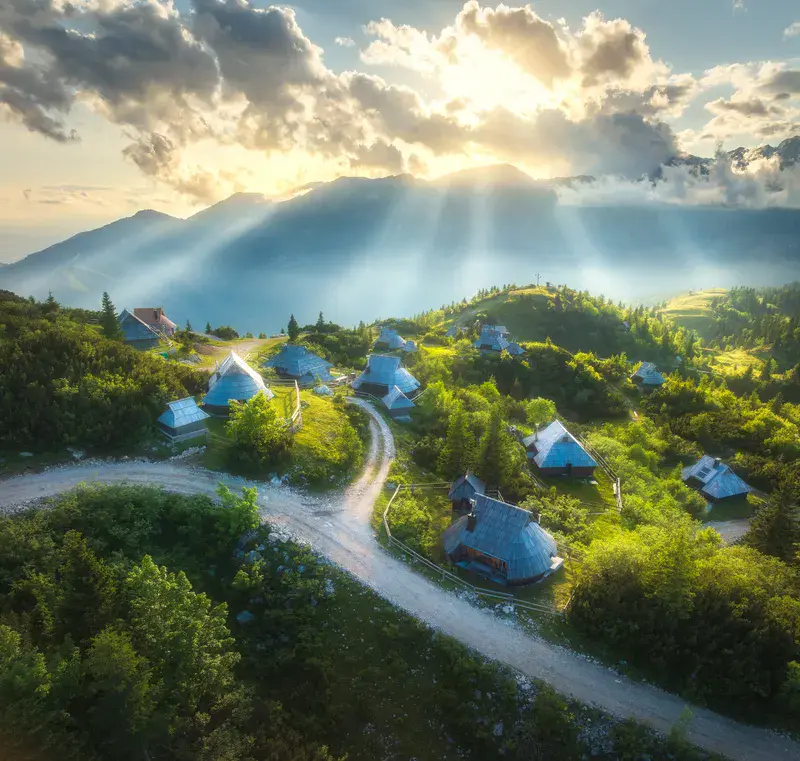
What Slovenia offers that a lot of comparable programs don't is a livable EU city - Ljubljana is small, safe, well-connected, and roughly half the cost of Western Europe - without requiring you to prove language skills, complete an integration program, or pass a civics exam. For someone who wants 12 real months in Europe rather than a long tourist circuit, that combination is harder to find than it sounds.
Eligibility Requirements
EU citizens do not need this permit; the point of Slovenia’s digital nomad route is to serve applicants who fall outside EU freedom of movement. In practice, that means Americans, Canadians, Australians, Brits, and other non-EU/non-EEA nationals are the audience for this visa.
The common edge cases are Norway, Iceland, and Liechtenstein, which sit in the EEA but are not EU members; Switzerland is also outside the EU and does not get EU free-movement rights here. Post-Brexit UK nationals are non-EU for this program, so they are in the same bucket as U.S. and Canadian applicants.
Dual nationals with an EU passport should use the EU passport instead of this permit. That route bypasses the digital nomad process entirely and is faster and cheaper than applying under the non-EU track.
Min Income
$3,654
Application Fee
$80
Min Age
18 yrs
Duration
12 months
W2 Employee (foreign employer) · 1099 Contractor · Self-Employed
Max 0% from local sources
Requirements Checklist
• Identity: valid passport; completed application form; passport-sized biometric photograph.
• Employment: proof of remote work for a non-Slovenian employer or clients; employment contract or client contracts.
• Financial: proof of sufficient income; bank statements for the last 3 to 6 months; pay slips or proof of earnings.
• Health: private health insurance covering Slovenia and the Schengen Area.
• Background: criminal record certificate / police clearance certificate.
• Accommodation: proof of accommodation in Slovenia; rental agreement, hotel booking, or invitation letter.
Tax Information
The Local Tax Reality

Slovenia taxes residents on worldwide income - salary, freelance contracts, foreign dividends, brokerage gains, rental income from a property back home, all of it. The visa does not change this. What changes your tax exposure is whether you become a Slovenian tax resident, and the trigger for that is not the permit itself but how long you stay and where your life is centered. The structured data for this visa does not confirm a specific day-count rule, though 183 days is the standard benchmark most advisors use, and Slovenia follows the general EU pattern of also looking at habitual home and center of vital interests. If you arrive in January and stay twelve months, you will almost certainly cross it. If you arrive in October for a shorter window of the permit's validity, you may not. Income tax brackets for Slovenia are not populated in the data set for this visa - a local tax advisor can run the actual rates for your income level, but the broader point is that Slovenia's system is a standard progressive structure, not a flat or territorial one.
No Preferential Regime
Slovenia has no special expat tax program disclosed in the structured data for this visa - no territorial exemption, no flat-rate scheme, no NHR-style arrangement that shields foreign income from local tax. Dividend and capital gains rates are also not populated, so there is nothing directional to offer there. If your income includes a meaningful amount of passive income, that gap in the publicly available data is itself the answer: get a local tax advisor before you arrive, not after.
The US Layer - FEIE, FTC, FBAR

The IRS does not adjust its expectations because you moved. US citizens and green card holders file US returns regardless of where they live, and a year in Ljubljana does not change that. FEIE (Form 2555) shelters earned income only - your W-2 salary from a US employer, your freelance 1099 income, self-employment income - up to $126,500 for 2024 (verify the current year limit before filing). It does not touch dividends, capital gains, pension distributions, or Social Security. For a twelve-month nomad permit, the Physical Presence Test is usually the cleaner FEIE path: 330 full days outside the US in any twelve-month period, and time in Slovenia counts. The Foreign Tax Credit (Form 1116) is the other lever, but it only offsets US tax on income that Slovenia has also taxed - if you have no Slovenian tax liability on a given income stream, the FTC does nothing for it. Tax treaty status between the US and Slovenia is listed as unknown in the data, so there is no confirmed treaty shortcut for dividends, pensions, or Social Security flows.
Then there is FBAR. FinCEN 114 is mandatory if combined foreign financial accounts exceed $10,000 at any point in the calendar year, not just at year-end. This visa does not require a local bank account, but many people open one anyway for rent and daily expenses. The moment that account, combined with any other foreign accounts you hold, crosses $10,000 - even briefly - the filing obligation exists. Non-willful failure is $10,000 per violation per year.
Getting Year One Right
The decisions that go wrong without professional guidance tend to cluster in the first year and stay wrong. Missing the correct FEIE election method is one - Bona Fide Residence versus Physical Presence Test have different requirements and different implications for a permit that doesn't renew, and choosing the wrong one can cost you the exclusion entirely. FBAR non-filing for an account the visa quietly leads you to open is another. And if Slovenia ever introduces a preferential registration window - which the current data does not show, but rules shift - missing that window in year one is typically permanent. A US expat CPA handling FEIE, FTC, and FBAR work, paired with a Slovenian tax advisor for residency classification and local filing questions, runs $1,500 to $3,000 for the first year. That combination gets your elections right from the start, positions any treaty benefit correctly if treaty status is clarified, and keeps the penalty exposure off the table for a filing obligation that most people don't realize they have until they've already missed it.
Living in Slovenia
COL Index vs NYC
46.2
Monthly Cost (excl. rent)
$941
1BR Rent (City Center)
$814
Safety Index
76.2
Healthcare Index
66.1
Quality of Life Index
179.3
Time Zone
UTC+01:00
Capital
Ljubljana
Population
2.1M
Official Languages
Slovene
Avg Internet Speed
454 Mbps
Public Transit Quality
Good
With a budget covering rent and living costs, you'd need roughly $1,755/mo for a comfortable single-person lifestyle in Slovenia.See how far your money goes →
🏙️ Best Cities in Slovenia for Digital Nomads
 74
74 72
72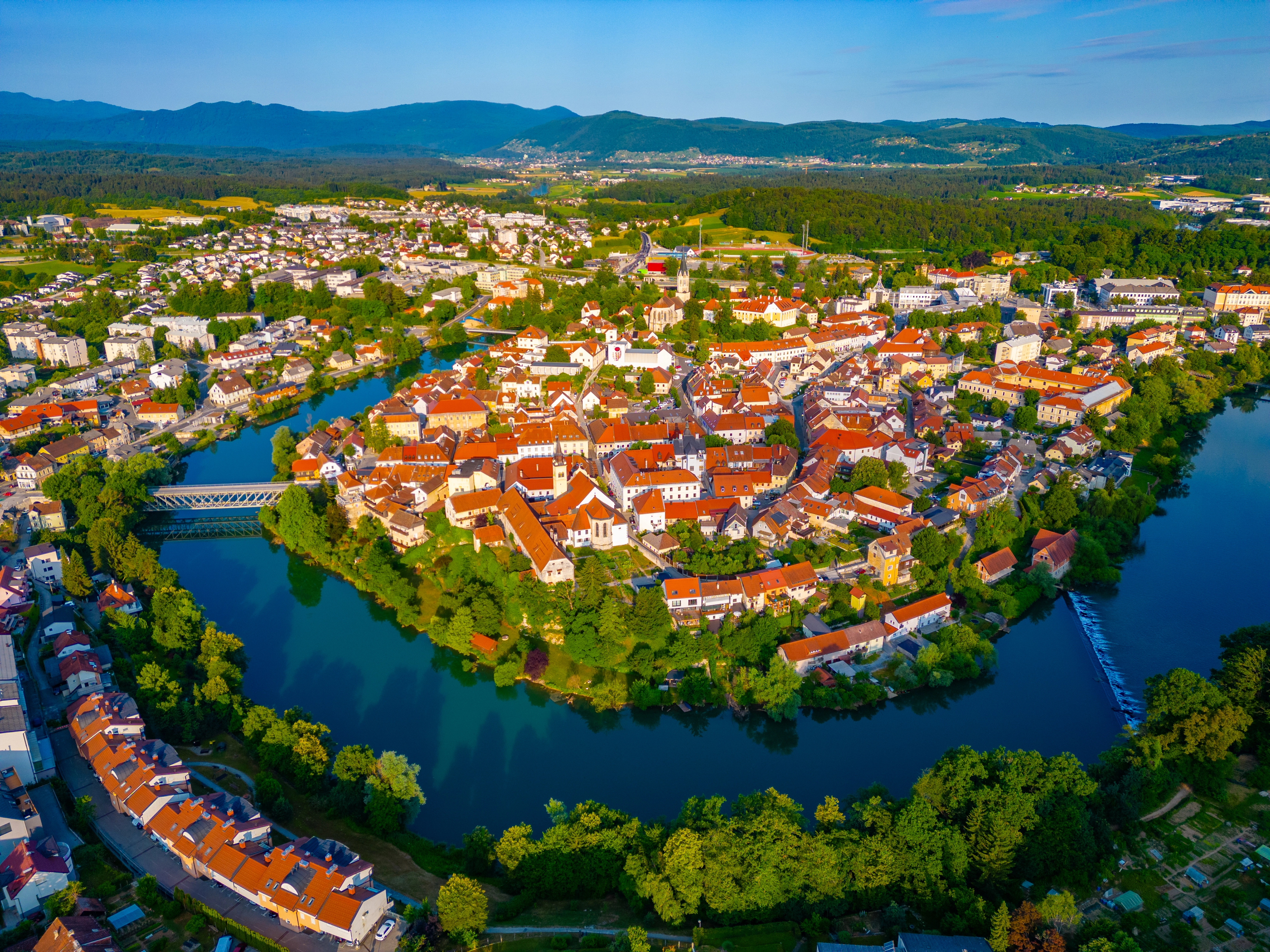 ✦ 75
✦ 75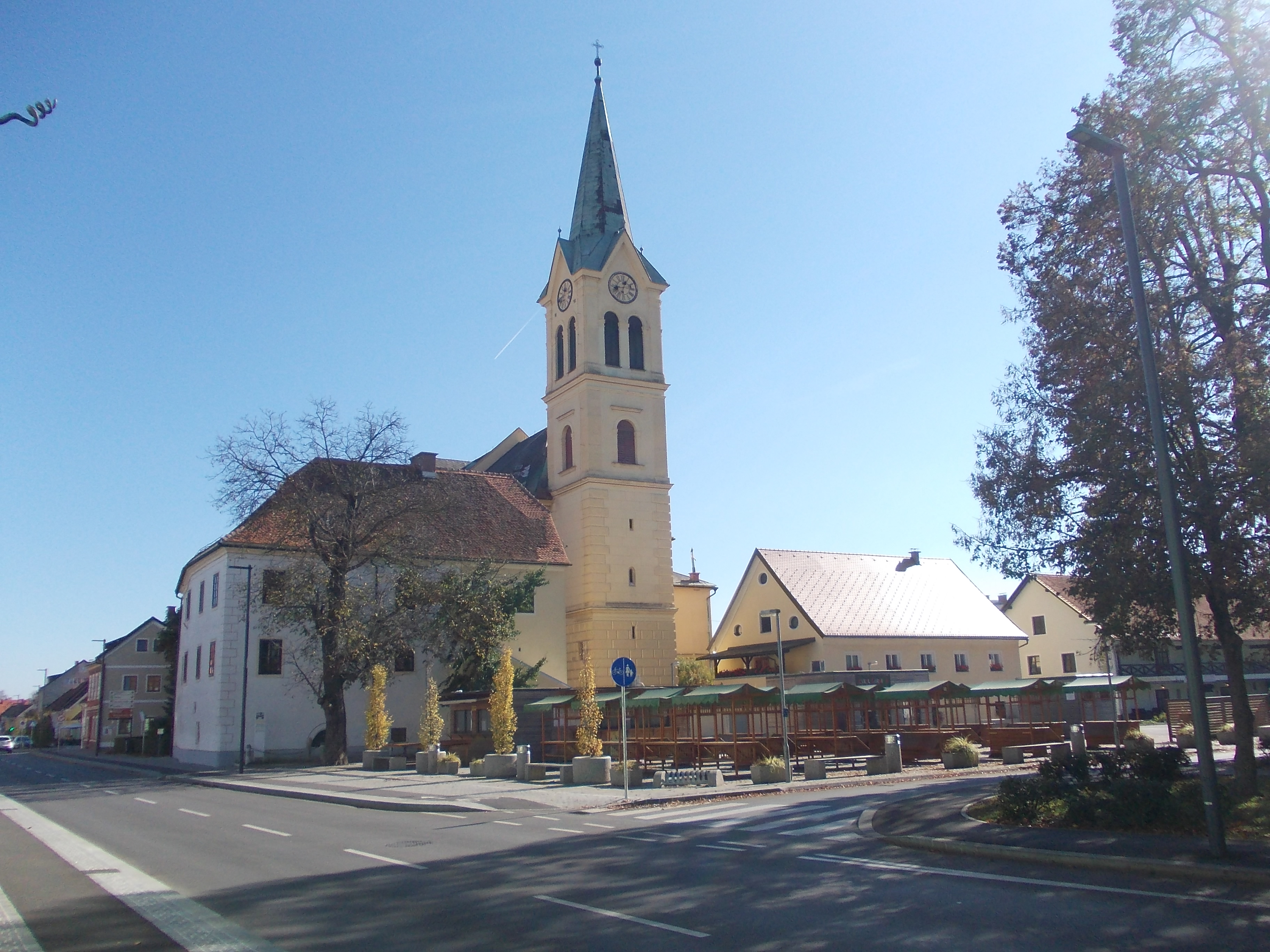 73
73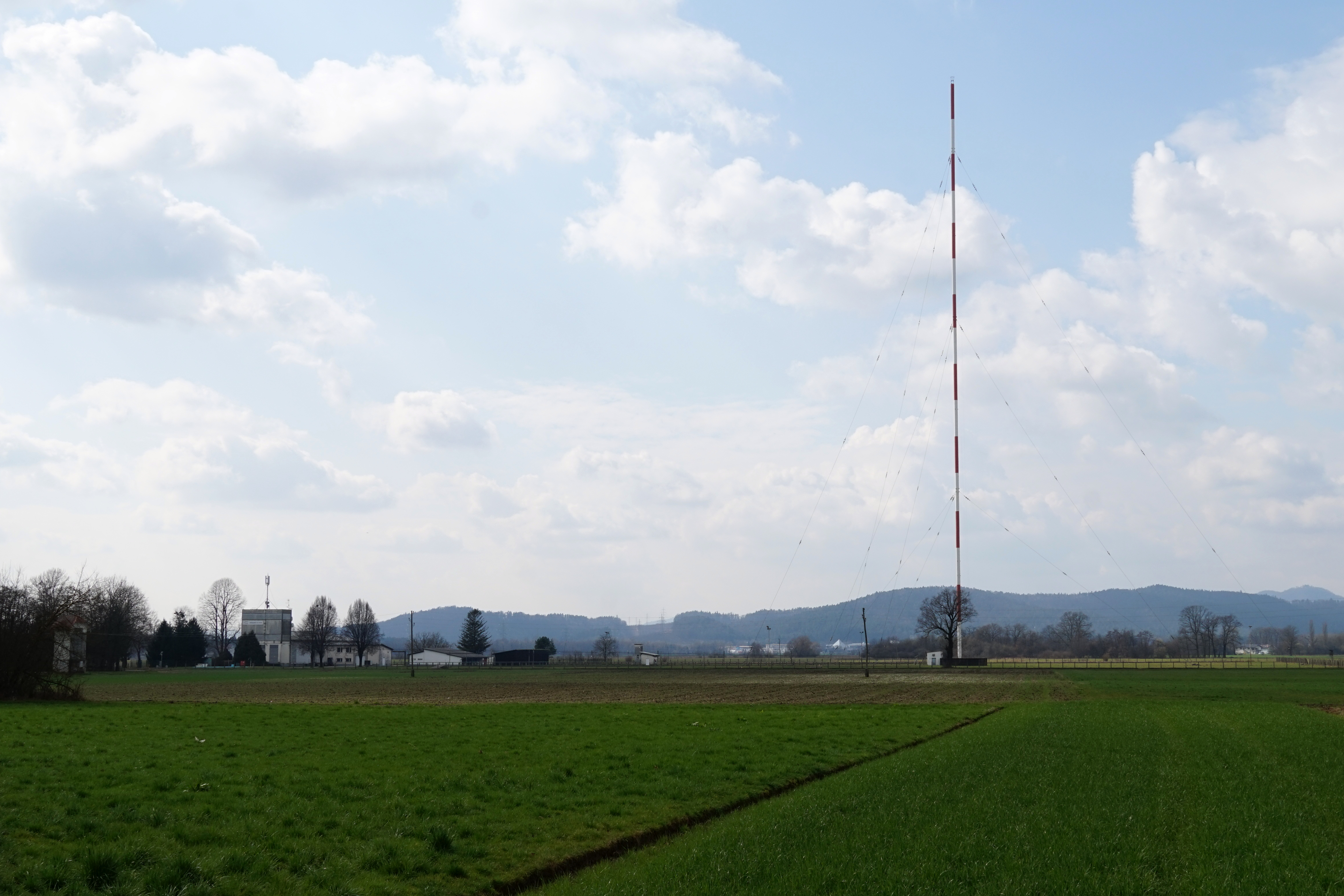 ✦ 76
✦ 76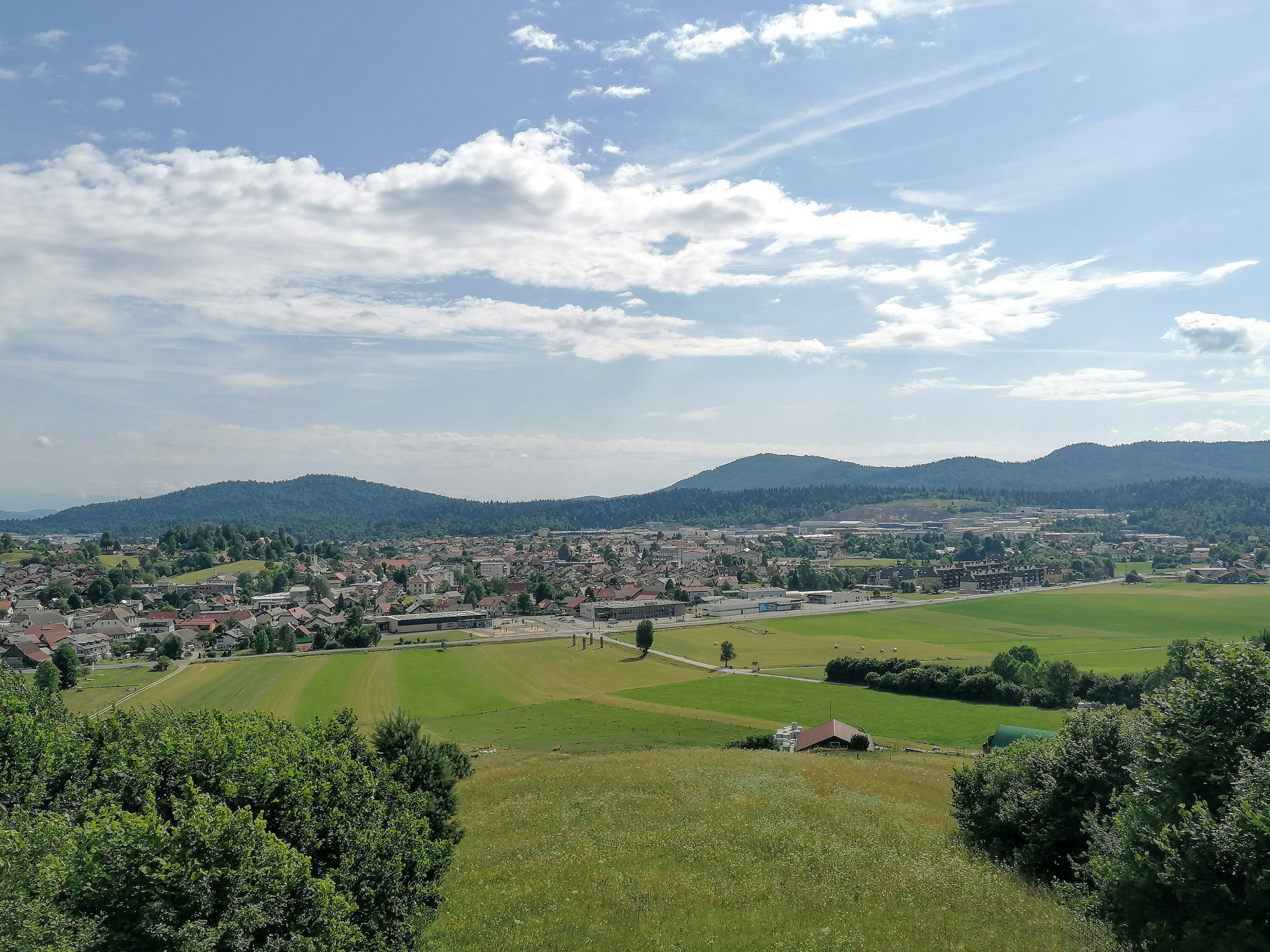 70
70Getting Your Income Documentation Story Straight

The income threshold for this visa is $3,654 per month as of 2026, and getting the documentation right still creates a specific trap. If you show up to the consulate with bank statements that are technically sufficient but tell a confusing story - irregular deposits, multiple income streams labeled unclearly, currency conversions that don't map cleanly to a monthly figure - the officer has no official floor to anchor to, which means your file goes into discretionary territory. That's not a comfortable place to be.
The cleanest version of this documentation package treats the file like it's making an argument, not just checking boxes. If you're a W-2 employee, three to six months of pay stubs plus a letter from your employer confirming remote work eligibility is the core. If you're a freelancer or contractor, bank statements alone are weak - you want those supported by signed contracts or retainer agreements that show recurring income, not just that money arrived. The officer needs to be able to look at your file and answer the question "does this person reliably earn enough from foreign work?" in about two minutes.
One thing that catches people is the currency situation. If you earn in USD and your statements are in USD, you should include a note or your own calculation showing the euro equivalent at a recent exchange rate. It's a small thing, but leaving it implicit means the officer has to do the conversion themselves, and some won't.
The Accommodation Requirement and Where People Get It Wrong
Proof of accommodation sounds straightforward until you realize you probably don't have a signed Slovenian lease before your visa is approved, and most Slovenian landlords won't sign one for someone who doesn't have a permit yet. The application asks you to prove where you'll live before you've been allowed to live there. That's the loop most people hit around week three of prep.
The practical fix is a short-term booking - Airbnb, a serviced apartment, a hotel - for your first month or two, presented as your initial accommodation. This satisfies the requirement without requiring a long-term lease you can't realistically get yet. Once you arrive and begin the in-country registration process, you'll need a proper rental agreement eventually, but the application itself doesn't require a twelve-month lease.
What actually creates problems is people submitting an accommodation address that doesn't match where they'll realistically be living, or submitting a friend's address as an invitation letter when that friend isn't prepared for the legal weight of that document. The invitation letter option exists, but it carries residency registration implications for the person signing it that most friends don't understand when they offer.
What Actually Happens After You Land

Visa approval is not the end of the administrative process - it's the start of a different one. Once you arrive in Slovenia, you have to register your address with a local administrative unit, the Uprava Enota, which is how your temporary residence actually gets formalized. The visa sticker gets you through the border; the residence registration is what makes your stay legal beyond the visa window and lets you do things like open a local bank account or get a local SIM on a resident plan.
The gap between "I have a visa" and "I have a functioning local setup" is usually two to four weeks, depending on how quickly you can register and whether your landlord is cooperative with the registration paperwork. Some landlords in Ljubljana are familiar with this process; others have never registered a foreign tenant and will need some hand-holding. That's not a crisis, but it adds friction in a period when you're also settling in, dealing with jet lag, and figuring out where to buy groceries.
If you apply in-country - already in Slovenia on a tourist or visa-waiver entry - the process looks slightly different. You can submit at the local Uprava Enota and receive a temporary residence certificate while your application is processed, which keeps your stay legal past 90 days. A lot of people don't know this option exists until they've already booked a flight home to wait.
The Long-term Path - What It Actually Requires
The permit doesn't renew and doesn't lead to permanent residency, and the FAQ notes you can reapply after six months outside Slovenia. What that actually means in practice is that a second stint requires you to leave, wait out six months elsewhere, and apply again from scratch as if the first year didn't happen. There's no credit carried forward, no accumulated residency toward a PR clock.
If long-term Slovenia is actually the goal, the digital nomad permit is probably the wrong entry point. Slovenian permanent residency through the normal route requires five consecutive years of legal residence under a qualifying status - not the digital nomad permit, which is temporary and explicitly non-renewable. Someone serious about staying long-term would likely need to transition to a different residency category, which means meeting different requirements and restarting the documentation process.
Slovenia vs. the Obvious Alternative
The country that comes up most often in the same breath as Slovenia is Portugal, and the comparison is worth thinking through carefully rather than defaulting to whoever has the Reddit thread with more replies. Portugal's NHR tax regime has changed significantly and the D8 digital nomad visa has its own documentation requirements; Slovenia doesn't offer a preferential tax program, but it also doesn't have Portugal's current housing market, which in Lisbon has priced out a lot of the people who moved there five years ago for affordability.
Croatia is the other frequent alternative - EU member, coastal, Adriatic lifestyle, digital nomad visa with a similar structure. The practical difference is that Croatia's permit has a renewal option that Slovenia's doesn't, which matters if you want more than twelve months without leaving. Slovenia is landlocked and smaller, which some people find limiting and others find clarifying. Ljubljana is walkable in a way that most Croatian cities aren't, and the proximity to Italy, Austria, and the rest of the Balkans means weekend travel is unusually easy.
The honest framing is that if you're choosing between these three and the tax picture matters to you, none of them is obviously dominant right now - Portugal's preferential regime is diminished, Slovenia has no special program, Croatia is in a similar position. The choice comes down to where you actually want to spend a year, which is a question the visa comparison can't answer.
Work Permissions
Application Steps
- 1
📋 Research eligibility and gather basics
1-2 weeks
- 2
📄 Collect required documents
2-4 weeks
- 3
📅 Book appointment if abroad
1 week
- 4
📬 Submit application
Same day
- 5
⏳ Wait for decision
30-90 days
- 6
🏛️ Register address in Slovenia
1-2 days
- 7
🏛️ Plan Schengen travel and exit
Frequently Asked Questions
Click any question to expand the answer.
Ready to Apply?
Work with trusted visa specialists who handle the paperwork so you can focus on your move.
Get help with this visa →* We may earn a commission if you apply through our link
At a Glance
Health Insurance Required
This visa requires valid health insurance for the duration of your stay.
Compare Insurance Plans →Expat Tax Help
Filing US taxes from abroad is complex. Work with a specialist who knows expat tax law.
Find an Expat Tax Pro →Last verified: July 15, 2026