Saudi Arabia Freelance Visa
Saudi Arabia · Middle East
Data updated Sep 3, 2026
Processing Time
3 days–1 wks
Difficulty
Moderate
Duration
12 months
Overview
Saudi Arabia’s Freelance Visa targets self-employed professionals who want to work with Saudi clients on a legal footing for 12 months at a time, with local work explicitly permitted and employment types restricted to self_employed. There is no publicly specified minimum monthly income, savings threshold, or investment requirement, which means a FIRE retiree living on $3,800/month from US ETFs or rental income is not assessed on a fixed number but on professional credentials and proof of freelance activity instead. Health insurance is mandatory, and local health coverage premiums become part of your true cost of living from day one.
From a time-commitment perspective, the physical presence requirement and maximum consecutive absence aren't part of the public rules, so there is no codified “183 days” rule in the visa’s fact pattern to plan around. In practice, you can’t assume a Schengen-style 90/180 structure or a tax-residency-linked presence rule; a geo-split like 6 months in Riyadh and 6 months in Portugal needs to be planned around immigration stamps and local tax rules rather than a clear freelance-visa-driven day count. The visa’s 12‑month duration suits test-driving Saudi Arabia for a year but doesn’t give the multi-year visibility of, for example, a 5‑year UAE Green Visa.
On long-term settlement, nothing in the official facts confirms that this 12-month freelance status does not lead to permanent residency or citizenship; “Leads to PR”, “Years to PR”, and “Years to Citizenship” aren't confirmed, though the visa does not lead to PR. The visa is renewable, though there's no guaranteed path of rolling 12‑month extensions analogous to Panama’s Friendly Nations Visa upgrading to permanent residence after 2 years. Anyone thinking in 10‑year horizons has to treat this as a potentially repeatable temporary work permission, not a ladder to a Saudi passport.
Application friction is moderate to low: processing times run about 3 business days to 1 week once a complete file is lodged, and the bureaucracy score is a relatively gentle 1.1875 / 5. There is no apostille, FBI background check, medical exam, or consular interview requirement in the official facts, which means the administrative burden is far lighter than, say, a US immigrant petition or a Canadian work permit. The trade-off is opacity on key figures: application fee, renewal cost, and any minimum capital aren't listed publicly, so budgeting must assume a moving target until you’re in the online application flow.
This route makes most sense if you’re already operating as a self-employed consultant or creative and expect to invoice Saudi clients for at least 12 months while covering private health insurance and accepting that fees aren't listed upfront. It’s a poor fit if your plan is to park $1–2M in index funds, live on dividends with no active work, and secure a defined, multi-year path to permanent residency and eventual citizenship.
Eligibility Requirements
Saudi Arabia does not open the Freelance Visa universally; nationality restrictions apply, driven both by labor-market policy and by broader foreign policy and security considerations. The country distinguishes sharply between nationalities that are welcome for skilled, self_employed work and those subject to tighter scrutiny or informal blocks, and these constraints can shift with regional politics or sanctions rather than through a technocratic “points” system.
In practice, the eligible pool tends to prioritize countries with strong economic and political ties to the Kingdom and a track record of supplying white‑collar talent. Western nationals from the US, Canada, the UK, EU/EEA states, Australia, and New Zealand, as well as key Asian partners such as Japan and South Korea, are among the most common applicants for skilled permits and are more likely to be accepted under freelance or premium residency–style tracks. GCC citizens sit in a separate, preferential category, but the freelance.sa platform highlighted in public discourse, per HRSD and independent analysis, is reserved to Saudi nationals, underscoring how finely sliced the eligibility matrix really is.
If your passport is from a sanctioned or politically sensitive country—such as Iran, Syria, or North Korea—or from jurisdictions facing intermittent banking and AML pressure, practical access to this visa may be close to zero even if no formal prohibition is published. For these applicants, an indirect strategy via a second passport from an eligible country (for example, naturalization in Canada or an EU state) can materially change the picture, because Saudi authorities focus on the passport used to apply, not your place of birth.
The underlying lists of favored and disfavored nationalities have evolved alongside Vision 2030 reforms, with new bilateral deals, security events, or sanctions occasionally tightening or opening specific channels without fanfare. Anyone on the margins—dual nationals, citizens of countries with recent diplomatic incidents, or holders of newly issued passports—should treat internet checklists as stale the moment they’re posted.
Before investing in translations, document legalization, or advisory fees, confirm your eligibility directly with official Saudi channels: the Ministry of Foreign Affairs (for visa issuance) and the Ministry of Human Resources and Social Development (for freelance work authorization). For borderline cases, a $150–$300 consultation with a Saudi immigration lawyer or licensed local agent is often cheaper than having an application silently stalled or refused due to an unwritten nationality screen.
Min Age
25 yrs
practical
Duration
12 months
Self-Employed
Max 100% from local sources
Requirements Checklist
• Identity: Valid passport (minimum 6 months validity, blank pages); passport-sized photographs (recent, white background); national ID or Iqama (if already resident in Saudi Arabia).
• Employment: Completed freelance visa application form; proof of professional experience (portfolio, reference letters, work contracts, client testimonials); educational certificates or diplomas relevant to freelance profession; freelance work document or registration on official freelance platform (Qiwa/MHRSD).
• Health: Valid health/medical insurance policy covering stay in Saudi Arabia (as per local regulations).
• Background: Police clearance certificate or certificate of no criminal record from country of residence (if requested by authorities).
• Financial: Payment receipt for government visa fees; payment receipt for freelance license/portal fees (if applicable).
• Translation: Certified Arabic translations of educational certificates and professional documents (if originally issued in another language).
Tax Information
Local tax picture for freelance visa holders
Saudi Arabia’s tax regime for individuals is not publicly specified in the visa facts, and the Freelance Visa itself is not tied to a named regime such as “territorial” or “remittance-based.” For planning purposes, you cannot assume that foreign passive income (ETF dividends, US rental income, or pension distributions) is automatically exempt simply because your work authorization is tied to self_employed local activity. The official data for this visa says nothing about whether foreign-source income is taxed, whether a worldwide basis applies, or how self-employment income earned from Saudi clients is treated.
Capital gains treatment on foreign investments is also not specified. If you sell index funds or ETFs in a foreign brokerage while holding this 12‑month visa, there is no published local rule in the facts indicating whether those gains are exempt, taxed at a special rate, taxed on a remittance basis, or fully taxed as normal income. For FIRE practitioners managing $500K–$3M portfolios, that absence of clear guidance means you cannot forecast your net withdrawal rate in Saudi Arabia without separate local tax advice.
Tax residency triggers—such as a 183‑day presence test, or an automatic residency link to permit issuance—are not disclosed in the official facts for this program. Likewise, tax registration steps, filing deadlines, and whether freelancers must obtain a Saudi tax ID and file annual returns are all not specified. The Tax Treaty with the US is marked as unknown here, so you cannot rely on treaty protection for US Social Security, dividends, or pensions without checking a current treaty table from the Saudi and US authorities.
For US Citizens and Green Card Holders
For Americans on the Saudi Arabia Freelance Visa, US tax rules operate entirely independently of the local system, whose details are not specified in this dataset. All worldwide income remains reportable to the IRS. If you earn self-employment income from Saudi clients, you may be able to exclude a portion of that earned income using the Foreign Earned Income Exclusion on Form 2555, up to $126,500 for 2024, provided you meet either the Physical Presence Test (330 full days abroad in any 12‑month window) or the Bona Fide Residence Test. The 12‑month visa duration and unspecified presence requirement lean toward planning around the 330‑day test rather than betting on a long-term “bona fide resident” status.
Foreign Tax Credits on Form 1116 will only offset US tax if you actually pay Saudi income tax on the same income stream at a meaningful rate. Because the visa facts do not confirm whether Saudi Arabia imposes income tax on your foreign or local freelance income, you cannot model FTC benefits without separate local advice. If local tax on your freelance profit or investment income is zero, there will be no FTC relief against US tax on that income, and FEIE cannot shelter your ETF dividends, capital gains, rental income, or pensions in any case.
FBAR (FinCEN 114) and FATCA Form 8938 obligations apply regardless of Saudi policy. If you open a local bank account—something not publicly specified as required for this visa, but common in practice—for health insurance payments or client receipts, you must aggregate all foreign financial accounts worldwide. If the total ever exceeds $10,000 even for one day, you must file FBAR, and potentially Form 8938 once higher thresholds are crossed, with non‑willful FBAR penalties starting at $10,000 per violation.
Given the gaps in published Saudi tax detail for this program, the practical setup is to engage two specialists: a US CPA who handles expat cases and is comfortable with Forms 2555, 1116, 8938, and FBAR, and a Saudi-based tax advisor who can confirm how freelance income and foreign investment returns are treated in your specific case. The $1,500–$3,000 you spend in year one on coordinated advice is often offset by avoiding penalties, double taxation, and suboptimal FEIE/FTC elections that are hard to unwind later.
Living in Saudi Arabia
COL Index vs NYC
41.9
Monthly Cost (excl. rent)
$780
1BR Rent (City Center)
$602
Safety Index
76.1
Healthcare Index
61.8
Quality of Life Index
177.0
Time Zone
UTC+03:00
Capital
Riyadh
Population
34.8M
Official Languages
Arabic
Avg Internet Speed
196 Mbps
Public Transit Quality
Good
With a budget covering rent and living costs, you'd need roughly $1,382/mo for a comfortable single-person lifestyle in Saudi Arabia.See how far your money goes →
🏙️ Best Cities in Saudi Arabia for Freelancers
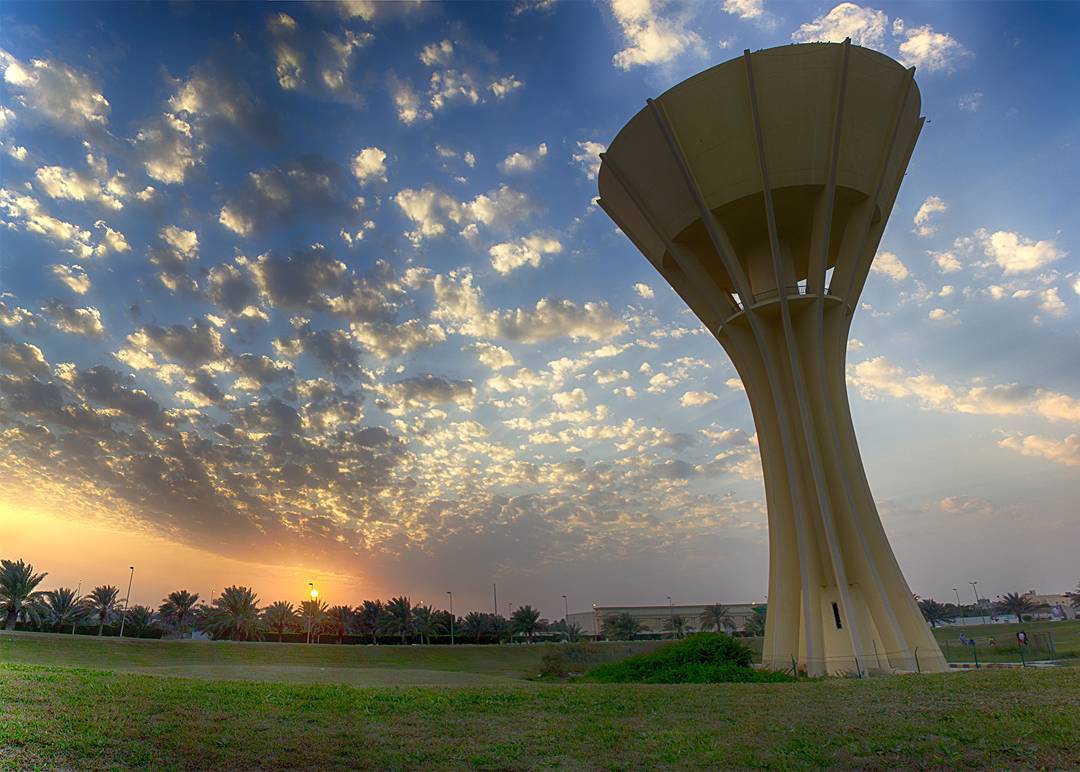 67
67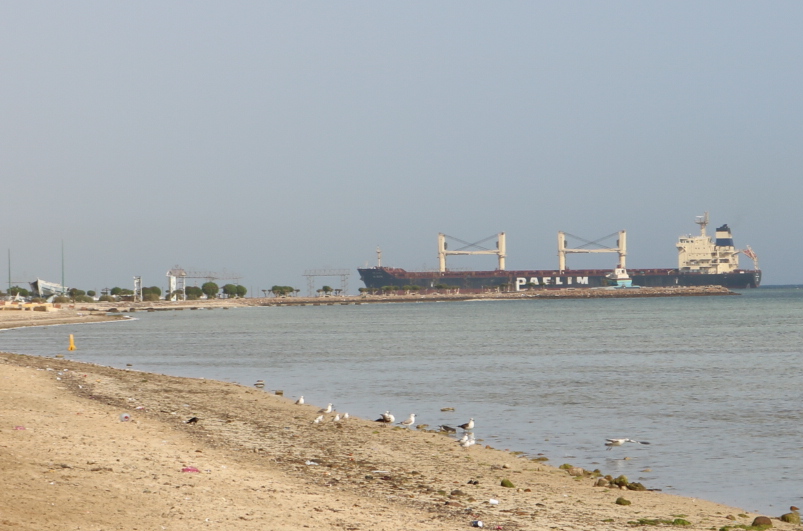 62
62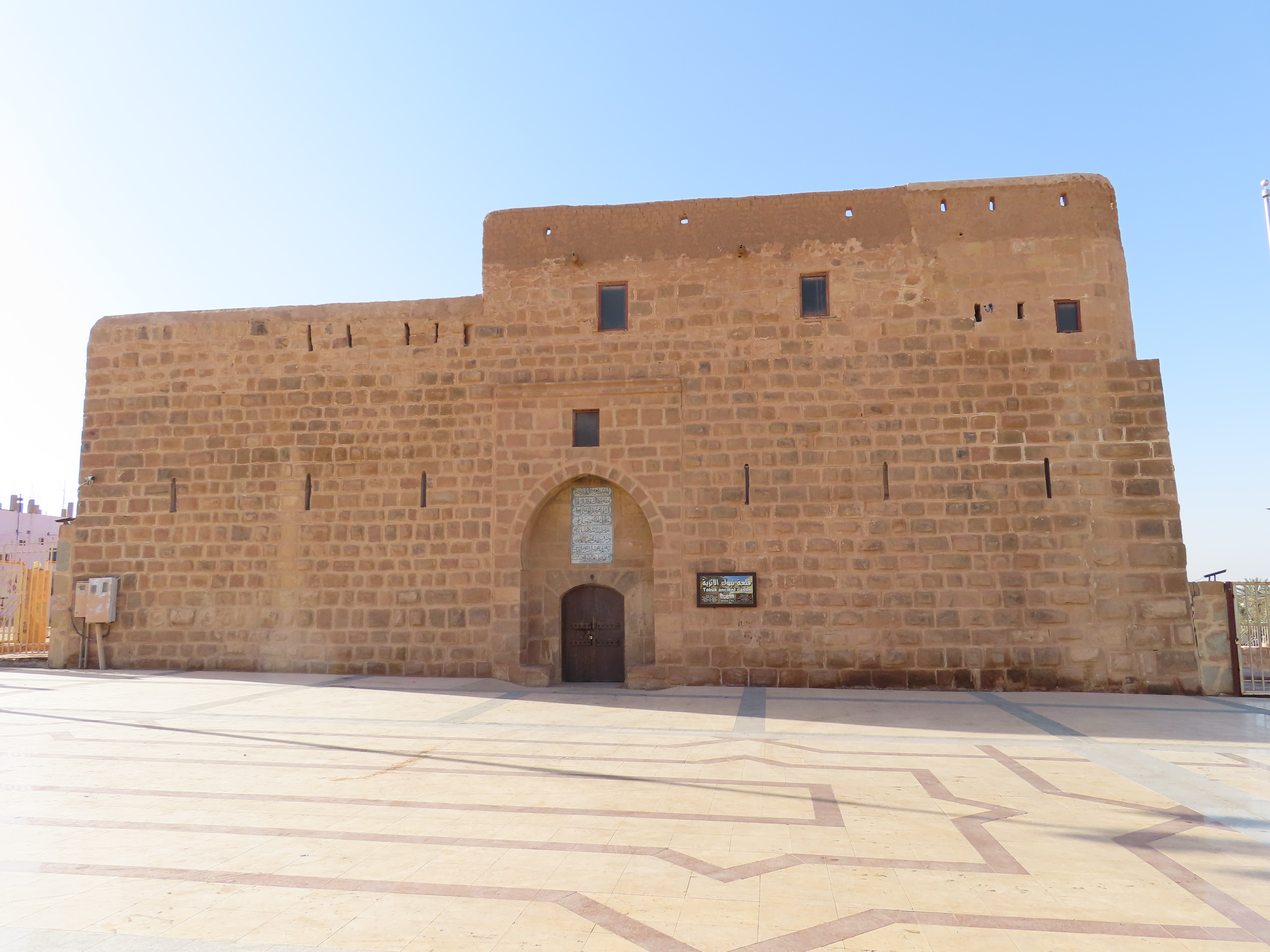 63
63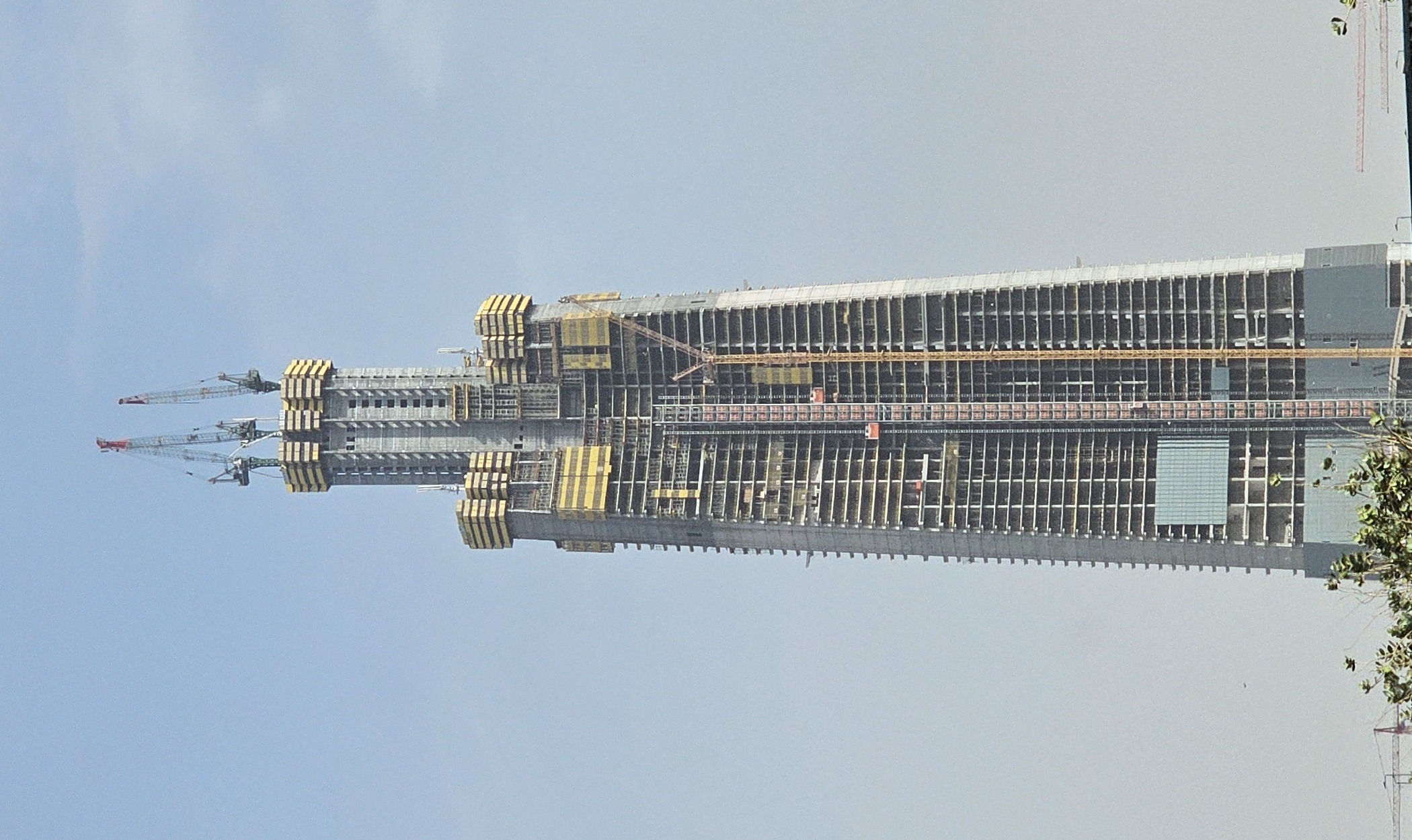 ✦ 77
✦ 77 74
74Getting the income documentation story straight before applying
The paperwork here isn't asking for a tax return, it's asking for a track record. Portfolio pieces, signed contracts, client testimonials, reference letters, educational certificates tied to the freelance profession being declared, and registration on the government freelance platform all have to tell the same story: this person has been doing this work, for real clients, for a while. Officers reviewing a freelance application aren't primarily checking income thresholds the way some digital nomad programs do. They're checking coherence. A portfolio full of one-off gigs and a contract history that starts three weeks before the application date reads very differently from years of consistent client relationships, even if the total dollar figures land in the same range.
This matters more than usual here because there's no interview to smooth over gaps. Everything gets decided on paper, so ambiguity in the documentation doesn't get a second chance to explain itself. Applicants sometimes assemble the strongest client testimonials they have and stop there, forgetting that educational certificates need certified Arabic translation if issued elsewhere, and that mismatched formatting or missing certification stamps on translated documents is exactly the kind of thing that stalls a file that would otherwise sail through in under a week.
Because the permit doesn't restrict how much income can come from local clients, freelancers who already have or expect Saudi-based work should document that separately and clearly rather than folding it into the same client list as their US income. A reviewer trying to assess whether someone is a legitimate freelancer wants to see the shape of the business, not just a lump total. Sequencing matters too: get the platform registration sorted before assembling the rest of the file, since some of the other documentation references that registration, and doing it in the wrong order means resubmitting pieces that were otherwise fine.
The insurance and registration step people treat as an afterthought
Health insurance is mandatory here, and it has to meet local regulatory standards rather than just existing as a general travel policy. There's no medical exam requirement, which makes it easy to assume the insurance piece is a formality. It isn't. A policy that covers emergency care abroad but doesn't meet what Saudi authorities expect for a residency-linked stay is the kind of thing that gets flagged late, after everything else in the file looked clean.
The registration side has its own quiet trap. Anyone already resident in Saudi Arabia under a different status needs to fold in national ID or Iqama documentation, which is a different paperwork trail than someone applying from outside the country for the first time. These two populations, people already inside versus people applying from abroad, end up needing subtly different document sets, and applicants sometimes copy a checklist meant for the other group. Since the whole process runs through the same government portal rather than a consulate, there's no one at a counter to catch that kind of mismatch before submission.
There's also no route to walk in on a tourist visa and convert it once already inside the country. The application happens before travel, through the Ministry portal, which means anyone currently in Saudi Arabia on a different visa type and hoping to switch over needs to plan around that constraint rather than assume it's possible from the inside. This is one of the more common misunderstandings, particularly among people who've used tourist-to-work conversions in other countries and assume the same flexibility applies here. It doesn't, and discovering that after arrival rather than before is the expensive way to learn it.
The gap between an approved visa and a working permit on the ground
Getting the visa approved is not the same as being fully set up to work and live in the country. Once approved, freelance work documentation and registration still need to be finalized through the same HRSD portal, and anyone converting to resident status picks up Iqama registration at that stage rather than earlier. The paper approval is the start of the administrative relationship, not the end of it.
This gap is where the timeline advantage of a fast approval can quietly erode. A three-to-seven-day processing window covers the visa decision itself, not the follow-on registration steps that determine whether someone can actually open a bank account, sign a lease, or invoice clients under a fully recognized status. Applicants who plan their travel and housing around the visa approval date alone, rather than around when local registration actually completes, tend to find themselves in a stretch where they're legally present but administratively half-finished.
None of this requires a medical exam or a certificate of coverage, which keeps the post-arrival load lighter than in a lot of other countries. But it does mean budgeting time, not just for the visa, but for the paperwork that follows it inside the country. Treating the visa approval as the finish line rather than the midpoint is the single most common way this process feels slower than it looked on paper.
What the long-term path actually requires
This permit does not lead to permanent residency, and that's worth sitting with before applying rather than after a few renewal cycles in. The visa runs on an annual basis and is renewable, but renewable is not the same as cumulative toward anything. Each year functions as its own decision point, tied to continued freelance registration and presumably a refreshed documentation trail, rather than as
Work Permissions
Application Steps
- 1
📋 Research eligibility for select professions
1-2 days
- 2
📄 Gather required identity and financial proofs
1 week
- 3
📋 Access HRSD freelance services portal
Same day
- 4
📬 Submit online visa application
1 day
- 5
⏳ Wait for visa processing and approval
0.43-1 week
- 6
🏛️ Enter Saudi Arabia on visa
- 7
🏛️ Register for freelance work documents
1-3 days
Frequently Asked Questions
Click any question to expand the answer.
Ready to Apply?
Work with trusted visa specialists who handle the paperwork so you can focus on your move.
Get help with this visa →* We may earn a commission if you apply through our link
At a Glance
Last verified: May 13, 2026