Mexico Retirement Visa
Mexico · Latin America
Data updated Sep 3, 2026
Min Monthly Income
$4,393
Application Fee
$56
Processing Time
1 wks–2 wks
Difficulty
Moderate
Duration
12 months
Path to Citizenship
5 years
Overview
Mexico's retirement and rentista visa is one of the more misunderstood in the Western Hemisphere, partly because it has a name that implies you need to be retired. You don't. What you need is income that isn't coming from active work in Mexico - pensions, investment returns, rental income, dividends - and enough of it to meet the consulate's threshold, which is pegged to Mexico's UMA index and recalculates every year. The decision you're actually making is whether to become a legal resident of Mexico, which is different from living there on tourist status, and different again from just visiting a lot. Many Americans in Mexico have been doing one while calling it the other for years. This visa forces you to pick a lane.
The profile that moves through this cleanly is someone with reliable passive income above the threshold - a pension, Social Security plus investment distributions, rental income from US property - who wants to live in Mexico for most of the year and isn't expecting the visa to function as a tax optimization tool. The profile that struggles is the remote worker trying to qualify on freelance income that spikes and dips, or someone whose income documentation doesn't translate cleanly into what a consulate officer wants to see. The profile in the wrong category entirely is the person who has been living in Mexico on rolling 180-day tourist visits for two years and wants to legitimize it without leaving; the process requires applying at a Mexican consulate in the US or your home country, and the "perpetual tourist" history sometimes creates questions.
What most applicants don't fully reckon with before they apply: Mexico taxes residents on worldwide income once you've crossed 183 days in the country in a calendar year. If you're living there full-time on a retirement or rentista visa, you're almost certainly a Mexican tax resident, which means Mexico now has a claim on your pension payments, your US investment income, your rental income from the house back home. Combined with your US filing obligation - which doesn't go away - that creates a two-country tax situation that requires actual planning, not assumptions.
What makes this visa worth the process for the right income profile is something most countries don't offer: legal residency in a country with no minimum stay requirement, genuine quality of life in cities like Oaxaca, Mérida, or San Miguel at a fraction of US costs, and a clear path to permanent residency after four years that doesn't require you to pass a language test to get started.
Eligibility Requirements
Min Income
$4,393
Min Savings
$73,000
Application Fee
$56
Renewal Cost
$450/yr
Duration
12 months
Language
None
Pension / Social Security · Savings · Remote Work / Freelance · Passive / Investment Income
+33% per adult
Requirements Checklist
Valid passport plus copy of the photo page
One passport photo (32mm x 26mm, color, white background, no glasses)
Proof of economic solvency, one of two routes:
Income route: 6 months of bank statements showing pension, Social Security, or salary income over ~$4,393/month, plus the Social Security award letter or pension letter
Savings route: 12 months of investment or bank statements averaging over ~$73,215
Proof of legal status in the US (non-US citizens)
Completed visa application form
Consular visa fee ($56 USD, non-refundable)
In-person interview required
Tax Information
How Mexico Taxes Residents
Mexico taxes residents on worldwide income - your US pension payments, Social Security distributions, rental income from property back home, foreign dividends, and brokerage gains all fall within scope once you've established Mexican tax residency. That residency triggers at 183 days in Mexico within a calendar year, counted from January 1, and the threshold applies regardless of whether those days were continuous or spread across multiple trips. The income tax structure is progressive, with the top marginal rate reaching 35%; specific bracket thresholds weren't available in the structured data for this page and should be verified against current SAT (Mexico's tax authority) tables before you file, since the peso-denominated thresholds shift periodically. What doesn't shift is the underlying structure: if you're living in Mexico full-time on a retirement or rentista visa, you are almost certainly a Mexican tax resident, and Mexico's claim on your worldwide income follows from that regardless of where the income originates.
No Special Expat Regime Exists
Mexico has no NHR-style program, no flat-rate expat scheme, no preferential registration window to hit in your first year of residency. There is no version of this where you elect into something better than the standard system. Foreign retirees pay the same progressive income tax rates as Mexican nationals on worldwide income, and that's the system - there's no exception built for people who moved from abroad. Dividend and capital gains treatment weren't populated in our structured data; how Mexico taxes your specific investment income should be confirmed with a Mexican tax advisor before you plan around any assumed rate.
What the IRS Still Expects
Moving to Mexico doesn't close your US tax filing obligation - American citizens and green card holders report worldwide income to the IRS regardless of where they live. The Foreign Earned Income Exclusion covers earned income only: wages, active freelance payments, remote salary. Up to $126,500 for 2024 (verify current year limit before filing) can be excluded from US taxable income if you qualify under either the Bona Fide Residence or Physical Presence Test. What the FEIE does not cover is everything the retirement and rentista visa is actually built on - pension income, Social Security, dividends, capital gains, rental income from your US property. For most people using this visa, the FEIE is beside the point; their qualifying income sits entirely outside it. The Foreign Tax Credit is more relevant here: Mexican income tax paid on income both countries tax can offset your US liability dollar for dollar, and the US-Mexico tax treaty provides additional treaty positioning that affects how certain income types are classified across both systems - a material advantage compared to non-treaty countries. Once you open a Mexican bank account, which establishing residency practically requires, FinCEN 114 is mandatory if combined foreign account balances exceed $10,000 at any point during the year. Non-willful failure to file carries a $10,000 penalty per violation per year.
What Professional Advice Actually Prevents
The mistakes that happen without proper guidance in the Mexico context are specific. Choosing the wrong FEIE election method - Bona Fide Residence versus Physical Presence Test - can cost you the exclusion for a partial year you were entitled to claim, particularly if you enter Mexico mid-year and your presence pattern doesn't clearly satisfy one test over the other. Failing to file FBAR for the Mexican bank account opened to satisfy the residency deposit or rental payment requirements is the penalty exposure that catches people who either didn't know the account qualified or assumed someone else was handling it. And for income streams that touch both countries' tax systems, failing to apply treaty provisions correctly in year one creates a filing record that's harder to clean up than to get right from the start. Combined first-year advisory costs for a US expat CPA familiar with the US-Mexico treaty plus a Mexican contador typically run $1,500 to $3,000, covering the treaty analysis, FEIE election if applicable, SAT registration, and FBAR compliance. The residency path to permanency in Mexico runs four years; the foundation built in year one is the one everything files on top of.
Living in Mexico
COL Index vs NYC
34.5
Monthly Cost (excl. rent)
$702
1BR Rent (City Center)
$771
Safety Index
46.6
Healthcare Index
72.5
Quality of Life Index
126.3
Time Zone
UTC-08:00
Capital
Mexico City
Population
128.9M
Official Languages
Spanish
Avg Internet Speed
174 Mbps
Public Transit Quality
Fair
With a budget covering rent and living costs, you'd need roughly $1,473/mo for a comfortable single-person lifestyle in Mexico.See how far your money goes →
🏙️ Best Cities in Mexico for Retirees
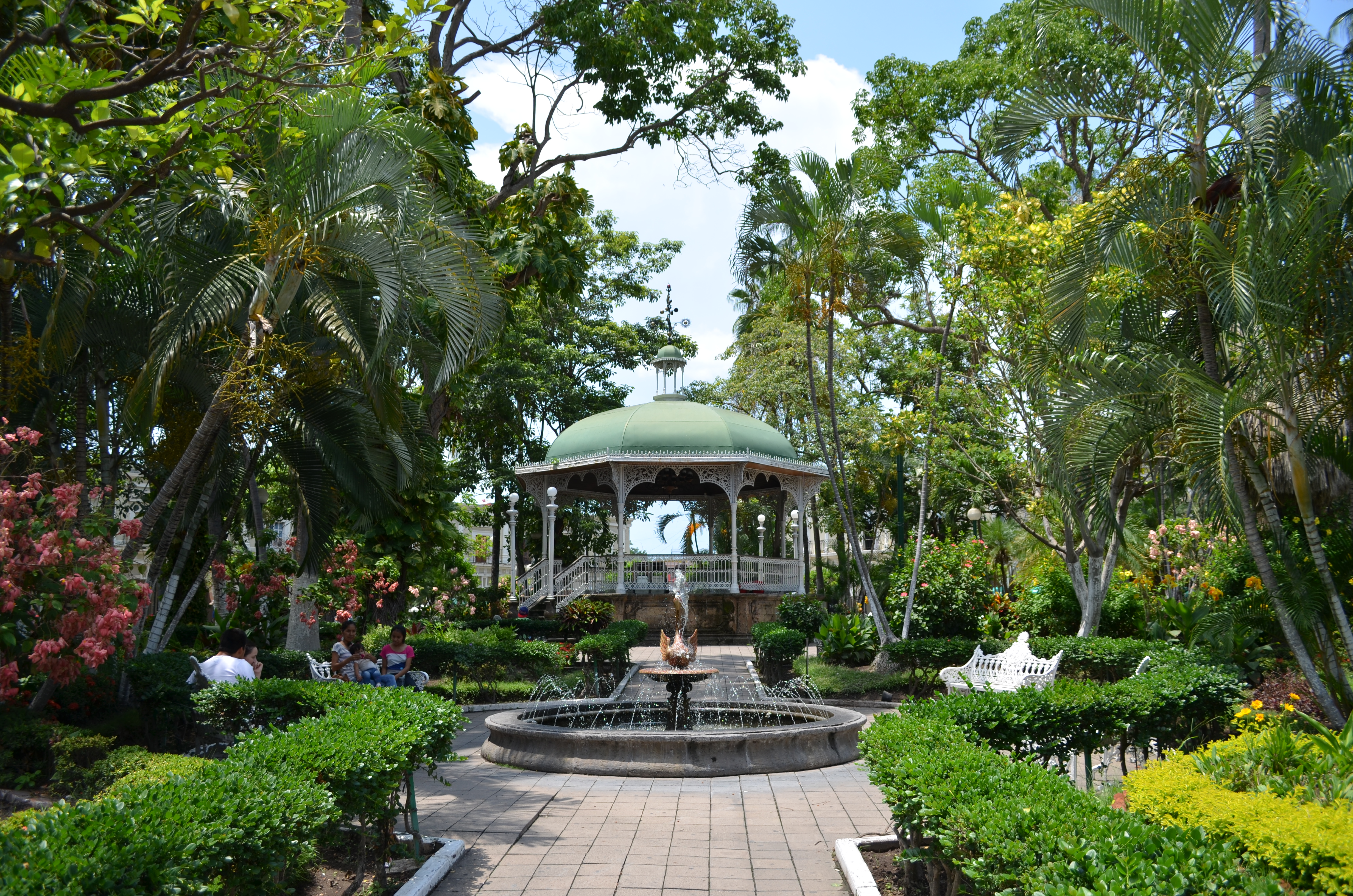 67
67 70
70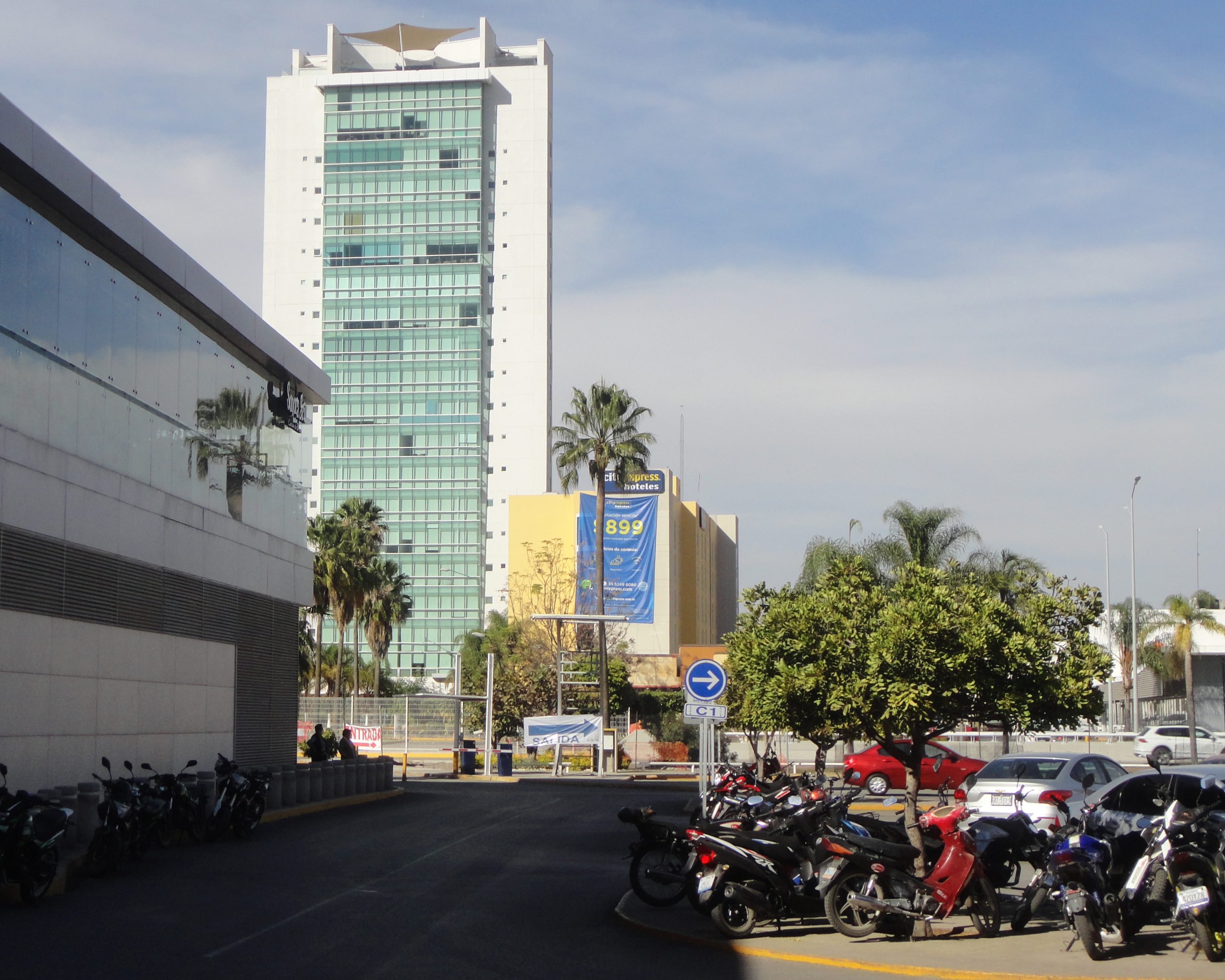 69
69 73
73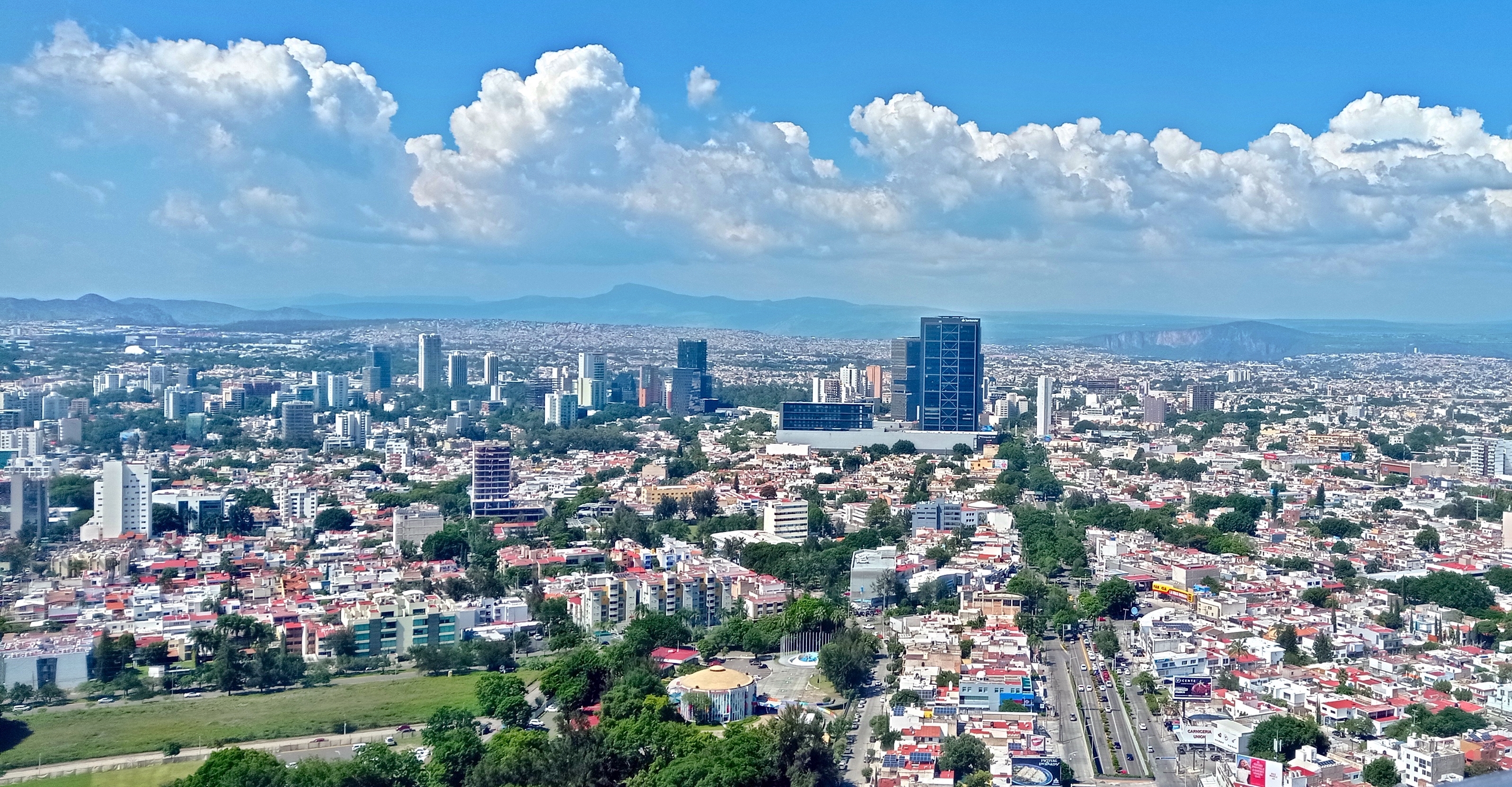 69
69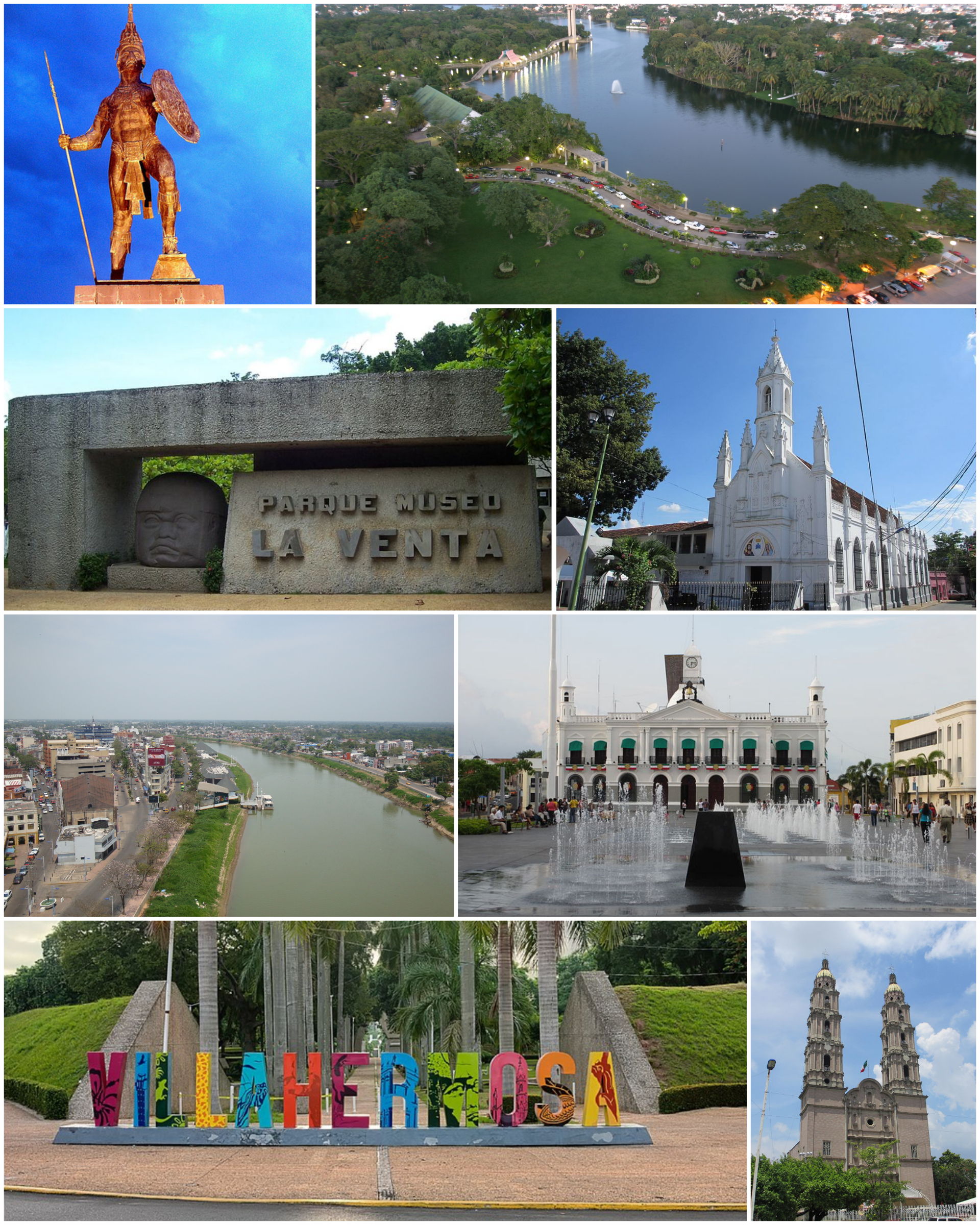 70
70Getting Your Income Documentation to Tell a Clear Story
The consulate appointment is where most applications succeed or fail, and the variable isn't usually whether you have enough income - it's whether the paperwork makes that obvious to someone who has fifteen minutes to review your file. Mexican consulates in the US have a reputation for inconsistency, which is real, but most of the variability in outcomes traces back to applications where the income picture required interpretation rather than just reading.
What works: bank statements showing consistent monthly deposits, a Social Security award letter confirming your benefit amount, brokerage statements showing dividend or interest distributions. What creates friction: income that varies month to month, statements that mix active freelance payments with passive returns without clear separation, or assets held in accounts with names that don't match your application exactly. The consulate is not your accountant; they're not going to sort out which deposits count and which don't. That sorting needs to happen before the folder gets handed across the desk.
The UMA-based threshold changes at the start of each calendar year, which means the dollar figure you read about in a forum six months ago may not be current. Some consulates apply additional internal requirements - certain ones want twelve months of statements, others accept three - and calling ahead, or working with an immigration attorney who knows that consulate's current practices, saves the trip of showing up with the wrong documents.
The Housing Reality Before and After You Arrive
Mexico doesn't require you to have a permanent address before you apply at the consulate, but you'll need a Mexican address once you arrive to register your visa and obtain your residency card at the local INM office. In practice this means having housing lined up before you land, or being prepared to rent something quickly once you do.
The Mexican rental market operates differently by region in ways that aren't obvious from the outside. In cities with large expat populations - Puerto Vallarta, San Miguel de Allende, parts of Mexico City - furnished rentals aimed at foreign residents are abundant and can be arranged remotely with relative confidence. In smaller cities or more traditional towns, the rental market is more relationship-based, leases are often informal, and finding a landlord willing to sign a formal contract in your name for immigration purposes requires more legwork. Some people solve this by arriving and staying in a short-term rental while they look for something longer-term; that works as long as you have the address sorted before your INM appointment.
Lease agreements in Mexico don't follow a single national template the way they do in some countries. Having a local attorney review a lease before you sign is inexpensive and catches things that aren't obvious to someone reading a Spanish contract for the first time.
The Gap Between Your Visa and Your Residency Card
The consulate in the US issues you a visa - a sticker in your passport - that allows you to enter Mexico and begin the residency process there. It does not make you a resident. Within 30 days of entering Mexico, you need to appear at the nearest INM office, present your documents, pay the registration fee, and have your biometrics taken in order to receive your Residente Temporal card. That card is the actual residency document.
The 30-day window is real and the INM appointment scheduling in some cities runs slower than 30 days if you don't book early. Mexico City and Guadalajara INM offices in particular can be backed up. People who arrive, get settled, spend two weeks finding an apartment, and then try to book an INM appointment sometimes find themselves scrambling. The answer is to book the appointment before you land or in the first few days after arrival, not after you've sorted out your living situation.
Until the card arrives - which takes additional weeks after the appointment - you're in a documented but technically incomplete state that can create friction if you need to open a bank account or establish a formal address for other purposes. Most people move through this period without significant problems, but knowing it exists is better than being surprised by it.
What Four Years Toward Permanent Residency Actually Looks Like
Permanent residency in Mexico is available after four years of continuous Residente Temporal status, and "continuous" is interpreted with some flexibility - exits and entrances are fine, and Mexico doesn't have a minimum annual presence requirement the way many European countries do. What matters is that you've maintained valid status throughout those four years, renewed on time, and haven't done anything that would constitute a status violation.
The practical challenge over four years isn't bureaucratic - it's personal. Mexico is an easy country to love for two weeks and a harder country to live in for years without Spanish, without local relationships, and without some tolerance for the ways that daily life operates differently than it does in the US. The gap between the expat experience in San Miguel de Allende and actually being a resident of a Mexican city for four years is wider than most people expect when they're still in the planning phase.
Citizenship is available after five years of legal residency in Mexico, and unlike some countries, Mexico's path doesn't require renouncing US citizenship. A basic Spanish exam and knowledge of Mexican history are part of the naturalization process, which is either a reasonable expectation or a meaningful obstacle depending on how much language acquisition has happened over those years.
Mexico vs. the Obvious Alternatives
The comparison most people in this income range are running is Mexico versus Portugal, Panama, or Costa Rica - the other countries that come up repeatedly in the "retire abroad" conversation. Portugal's appeal has cooled for many Americans since the NHR overhaul and the rise in Lisbon rents; what it still offers is EU residency and a path to an EU passport, which Mexico explicitly doesn't. If eventual EU access matters to you, Portugal or another EU country is the comparison that should govern the decision, and Mexico drops out of it entirely.
Panama's pensionado visa has historically been easier to qualify for and offers specific discounts for retirees that Mexico doesn't replicate. If cost reduction is the primary objective and quality of life factors are similar, Panama deserves a serious look for anyone who qualifies on pension income. The lifestyle difference between Panama City and Oaxaca is significant and mostly comes down to what kind of place you actually want to live in.
What Mexico offers that none of the competitors match is geographic proximity to the US combined with genuine cultural depth, a massive variety of climates and city types within a single country, and a resident expat community large enough that you will never struggle to find English-speaking doctors, attorneys, accountants, or social connection if you want it. The ease of flying home for family visits or medical care that requires US specialists is something people undervalue when they're researching from a distance and overvalue enormously once they're actually living abroad.
Work Permissions
Application Steps
- 1
📋 Confirm income or savings threshold
1 week
- 2
📅 Apply at Mexican consulate in home country
1-2 weeks
- 3
🏛️ Enter Mexico and apply for Temporary Residency Card
1 day
- 4
⏳ Await and collect residency card
1-3 weeks
This visa requires proof of health insurance. Compare international plans before you apply.
Compare health insuranceWe may earn a commission at no cost to you.
Frequently Asked Questions
Click any question to expand the answer.
Ready to Apply?
Work with trusted visa specialists who handle the paperwork so you can focus on your move.
Get help with this visa →* We may earn a commission if you apply through our link
At a Glance
Expat Tax Help
Filing US taxes from abroad is complex. Work with a specialist who knows expat tax law.
Find an Expat Tax Pro →Last verified: July 9, 2026