Malta Retirement Programme
Application Fee
€2,500 (≈ $2,796.51)
Processing Time
about 8 months
Difficulty
Moderate
Path to Citizenship
5 years
Overview
The Malta Retirement Programme is a special tax status for retirees who live in Malta on a pension. Beneficiaries pay a flat 15% on foreign-source income remitted to Malta, subject to a minimum annual tax of €7,500 for the main applicant plus €500 for each dependant or special carer. The status is open to nationals of the EU, EEA and Switzerland as well as non-EU nationals, and it comes with a Maltese residence permit.
Applicants must not be employed, must receive a pension in Malta that makes up at least 75% of their chargeable income, and must hold a qualifying property as their principal residence. The non-refundable application fee is €2,500, and every application goes through a licensed Authorised Registered Mandatory.
The catch is the compliance load. You need EU-wide health cover, at least 90 days a year in Malta averaged over five years, and a qualifying property for as long as you hold the status. Acquiring permanent residence or Maltese citizenship ends it.
Eligibility Requirements
The programme is open to EU, EEA and Swiss nationals and to non-EU nationals. EU, EEA and Swiss nationals register their residence with Identità, while non-EU nationals apply for a residence permit with the special tax status certificate attached. Maltese nationals cannot apply.
Application Fee
€2,500 (≈ $2,796.51)
Min Age
18 yrs
Physical Presence
90 days/yr
Min Lease
12 months
Language
Ability to communicate in Maltese or English.
Pension / Social Security · Passive / Investment Income
Requirements Checklist
0 of 9 documents in hand
0%These take the longest, so start them first.
Request these while the slow items are in progress.
You only need these on the day you submit.
Extra requirements for this visa
- Apostille required on official documents
How and where to apply
Through an Authorised Registered Mandatory licensed by the Commissioner for Revenue in Malta, who files with the Malta Tax and Customs Administration. Non-EU applicants then apply for the residence permit through Identità, the Expatriates Unit in Malta.
Tax Information
How Malta taxes beneficiaries
Beneficiaries pay a flat 15% on foreign-source income received in or remitted to Malta, which covers the pension and any other foreign income brought in. Foreign income that stays abroad is not taxed in Malta, and foreign capital gains are not taxed even when remitted. Income arising in Malta is taxed at a flat 35%. Double tax relief can reduce the bill, but the minimum annual tax of €7,500 plus €500 for each dependant or special carer remains payable regardless. A beneficiary who remits less than the minimum still pays the full amount.
What the IRS still requires
US citizens are taxed on worldwide income, so a Form 1040 is still due whatever Malta charges. The United States and Malta have had an income tax treaty in effect since 2011, and under its pension article private pensions are generally taxable in the country of residence, with relief for double taxation. The foreign earned income exclusion of $132,900 for 2026 covers wages and self-employment income only, so pensions do not qualify. If your foreign account balances pass $10,000 in aggregate at any point in the year, you also file FinCEN Form 114. Form 8938 covers a wider set of assets, including foreign pensions, once its thresholds are passed.
Living in Malta
COL Index vs NYC
57.0
Monthly Cost (excl. rent)
$892
1BR Rent (City Center)
$1,187
Safety Index
57.0
Healthcare Index
53.3
Quality of Life Index
132.8
Time Zone
UTC+01:00
Capital
Valletta
Population
525.3K
Official Languages
English, Maltese
Avg Internet Speed
209 Mbps
Public Transit Quality
Fair
With a budget covering rent and living costs, you'd need roughly $2,079/mo for a comfortable single-person lifestyle in Malta.See how far your money goes →
🏙️ Best Cities in Malta for Retirees
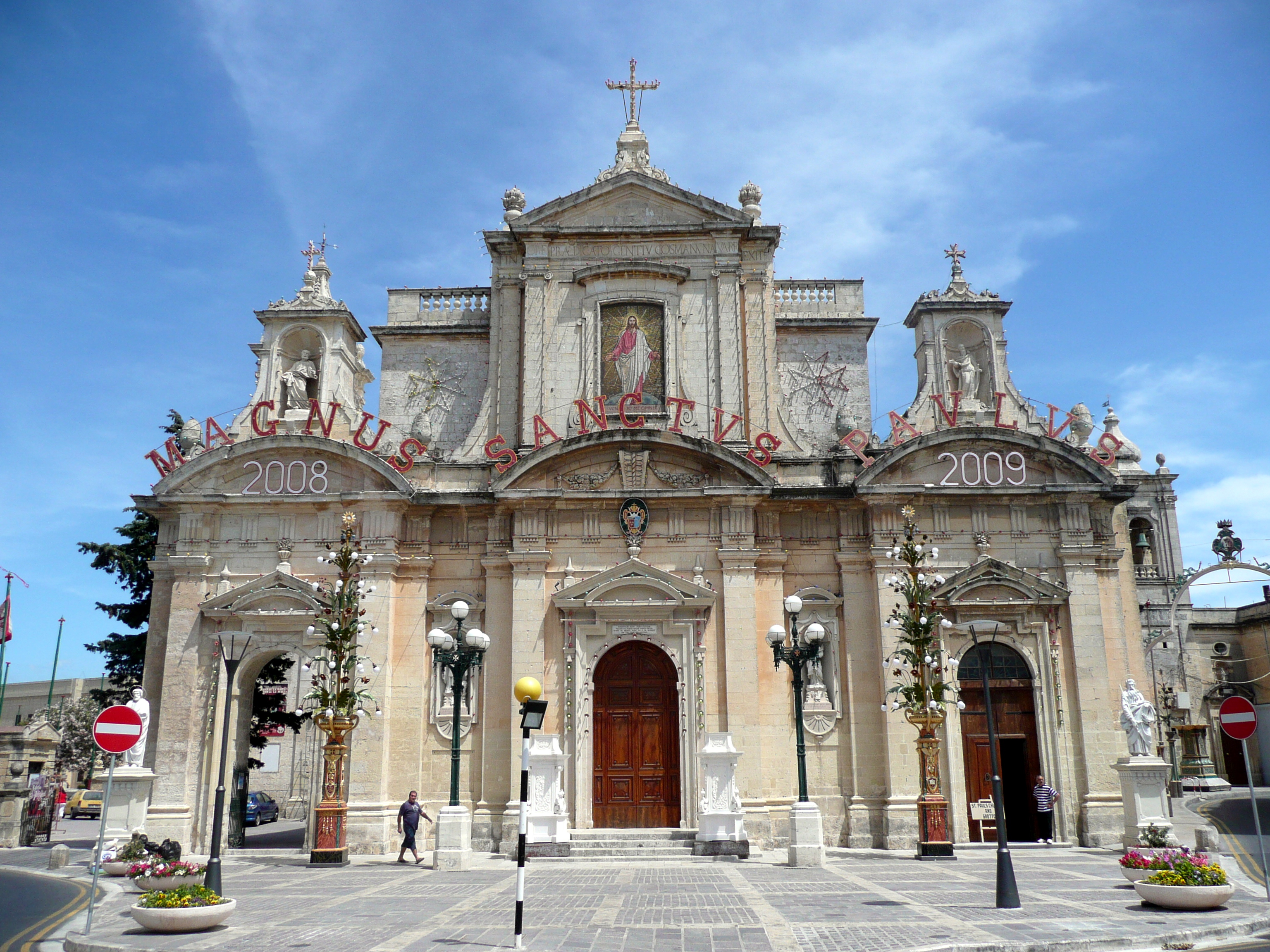 ✦ 82
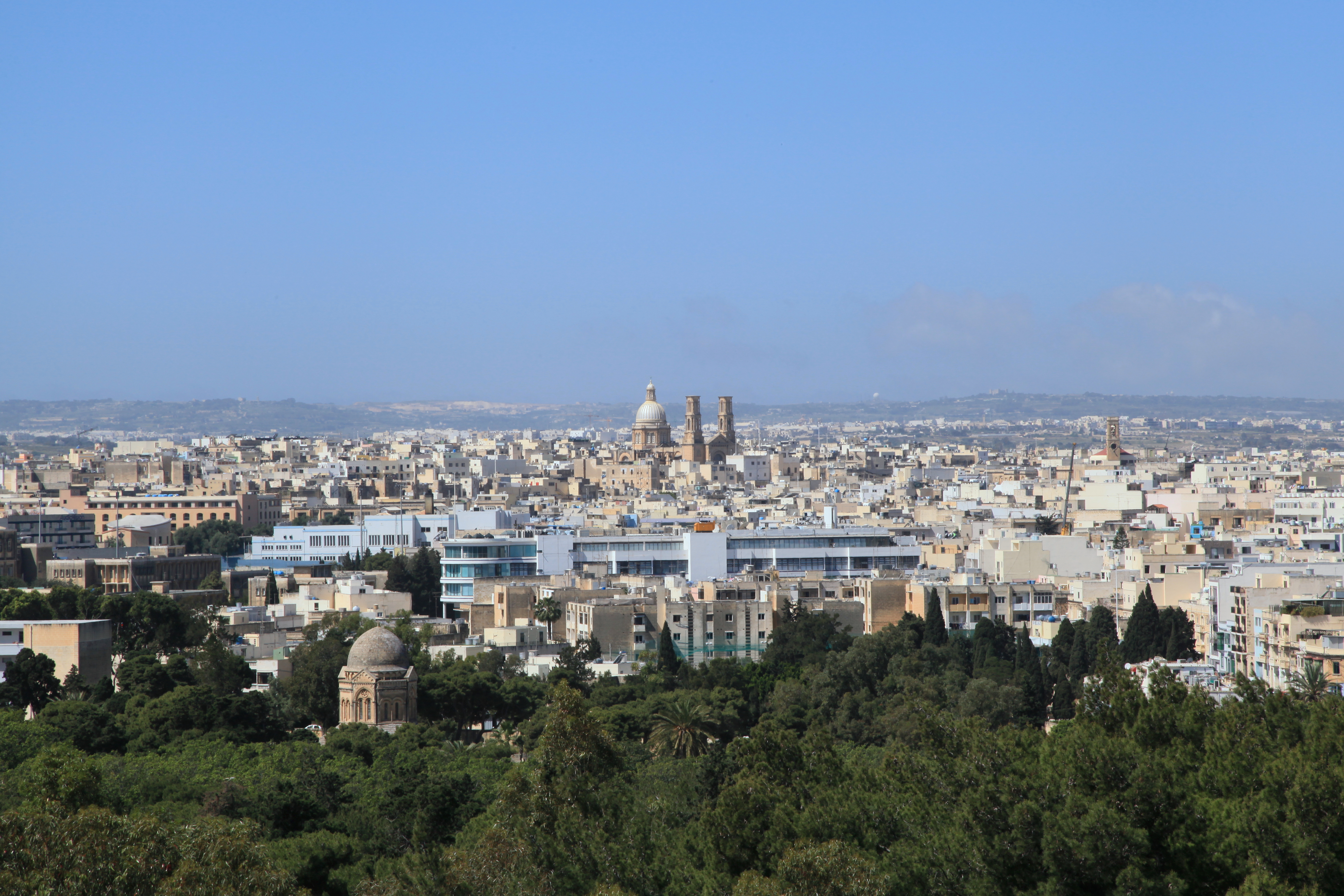 ✦ 75
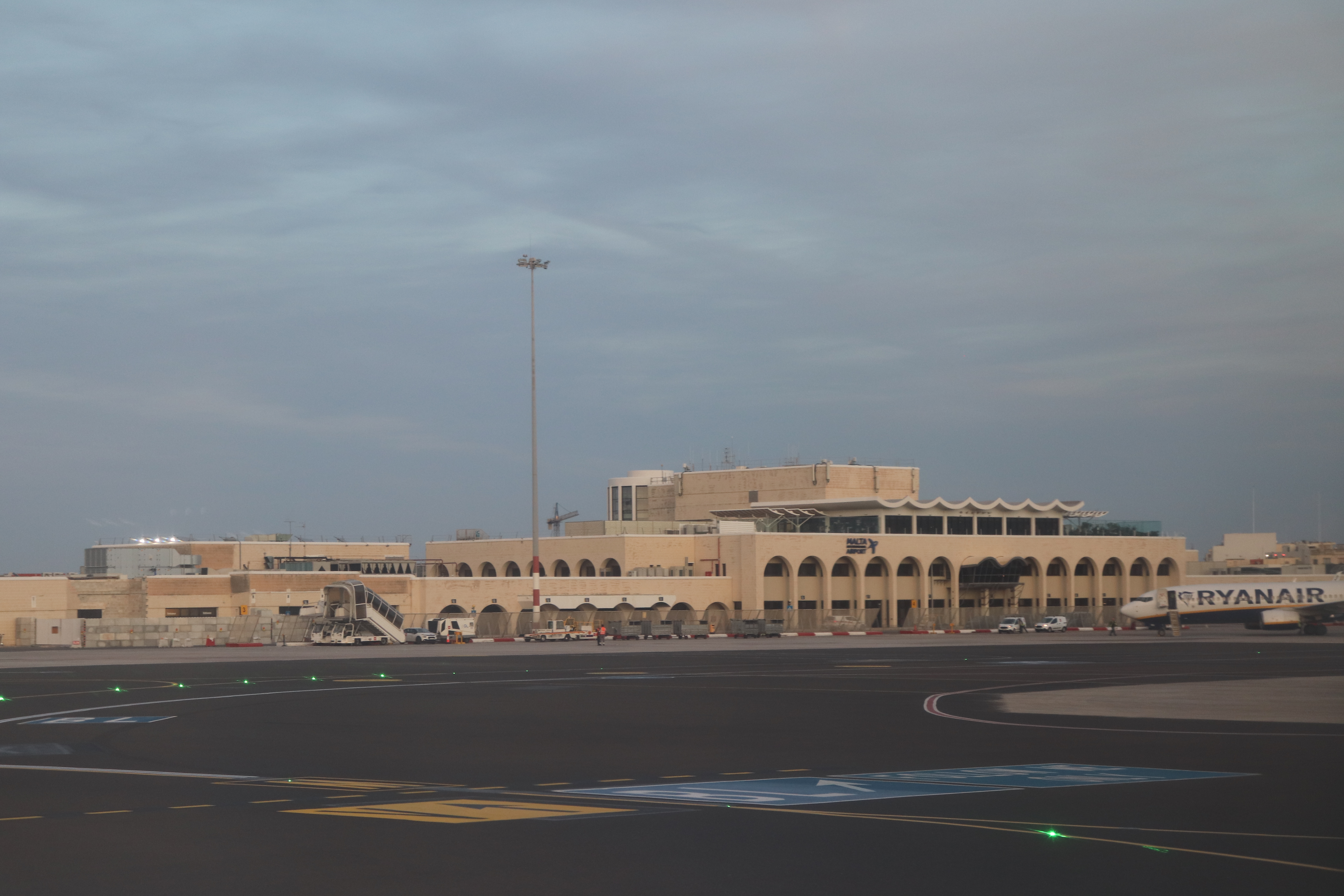 ✦ 81
Who qualifies
The main applicant must be at least 18, must not be in an employment relationship, and must receive a pension as a regular source of income. The pension must be received in Malta and make up at least 75% of chargeable income. Regular income from an occupational retirement scheme, a personal overseas retirement plan or an insurance policy counts, while lump sums and commutations do not.
You must not be domiciled in Malta, must not intend to establish domicile within five years, and must not benefit from another Maltese special tax programme such as the Global Residence Programme or the High Net Worth Individuals Rules. Applicants also need stable and regular resources that cover themselves and their dependants without recourse to Maltese social assistance, the ability to communicate in Maltese or English, and a clean record under the programme’s good-character test. Beneficiaries may hold a non-executive board seat in a Malta-resident company but may not be employed by it.
Property requirements
You need a qualifying property that serves as your principal residence. Buying requires a value of at least €275,000 in northern and central Malta or €220,000 in Gozo and the south. Renting requires at least €9,600 a year in northern and central Malta or €8,750 in Gozo and the south, under a lease of at least 12 months. A purchase is proved with the deed of sale, and the property cannot be shared with unrelated parties. Losing the property ends the status, and the withdrawal can apply retroactively.
The application route
Applications cannot be filed directly. They go through an Authorised Registered Mandatory, a professional licensed by the Commissioner for Revenue, who submits the file and the non-refundable €2,500 fee by bank draft or cheque. Once the file is complete, the Commissioner issues a Letter of Intent valid for 12 months. Within that window you provide proof of the property, the sickness insurance and the minimum tax payment, and the special tax status certificate follows.
The residence permit is a second stage. Non-EU applicants apply to Identità with a copy of the tax status certificate, and the first-time permit fee is €100. EU, EEA and Swiss nationals register their residence with Identità instead. Foreign documents are usually apostilled or legalised first.
Costs
The fixed entry costs are the €2,500 application fee and, for non-EU applicants, the €100 permit fee, on top of the professional fees charged by the mandatory. The recurring cost is the minimum annual tax of €7,500 for the main applicant plus €500 for each dependant or special carer, payable even when less is remitted. Health insurance and the property itself come on top.
Presence and compliance
Beneficiaries must spend at least 90 days a year in Malta, averaged over any five-year period, and must not spend more than 183 days in any calendar year in any other single jurisdiction. The 183-day cap has no averaging. Each year you file a tax return and an annual declaration that the property, insurance and income conditions still hold, and the pension must keep arriving in Malta.
Family members
The programme covers the main applicant’s spouse or long-term partner, minor children in their care and certain dependent adult children. Each dependant and each special carer adds €500 to the annual minimum tax and must carry the same EU-wide sickness insurance. Household staff are taxed at ordinary progressive rates and register with the tax authorities.
Health cover
The applicant and every dependant need sickness insurance covering all risks normally covered for Maltese nationals across the EU. A lapse in cover ends the status.
What ends the status
The status ends if the pension stops arriving in Malta, if the property or the insurance is lost, if you become domiciled in Malta, or if the presence rules are broken. Misrepresentation and failing to answer requests from the Commissioner for Revenue also end it.
Permanent residency and citizenship
The programme does not lead to permanent residence, and taking up permanent residence or long-term resident status terminates the special tax status. Maltese naturalization requires 12 months of residence immediately before applying and four years of aggregate residence in the six years before that, plus Maltese or English proficiency, and it too ends the status.
Work Permissions
Application Steps
- 1
📋 Engage an Authorised Registered Mandatory
- 2
📋 Secure the qualifying property
- 3
📋 Arrange EU-wide health insurance
- 4
📄 Assemble the application documents
- 5
📬 Submit the application and pay the fee
3 to 4 months for review
- 6
⏳ Complete the Letter of Intent conditions
Up to 12 months
- 7
🏛️ Apply for the residence permit
- 8
🏛️ Meet the annual obligations
Every year
This visa requires proof of health insurance. Compare international plans before you apply.
Compare health insuranceWe may earn a commission at no cost to you.
Compare this visa
Curated comparisons that include this route.
Frequently Asked Questions
Click any question to expand the answer.
Ready to Apply?
Work with trusted visa specialists who handle the paperwork so you can focus on your move.
Get help with this visa →* We may earn a commission if you apply through our link
At a Glance
Last verified: October 26, 2026