Guatemala Pensionado
Guatemala · Latin America
Data updated Sep 5, 2026
Min Monthly Income
$700
Application Fee
$25
Processing Time
~26 wks
Difficulty
Moderate
Duration
24 months
Path to Citizenship
5 years
Overview
Qualification for Guatemala's Pensionado residence hinges on a single financial test: can you prove at least $700 per month in lifetime pension income or equivalent passive income, sourced from outside the country? If you can, the path to legal residence here is more accessible than almost anywhere else in the region. But the word "prove" is doing a lot of work in that sentence. The documentation process - apostilles, certified Spanish translations, notarized financial statements, coordinating with the Instituto Guatemalteco de Migración - is where the straightforward-sounding visa gets complicated. You are not just moving to Guatemala. You are committing to a bureaucratic process that can take at least six months as of 2026, and that timeline is largely outside your control.
The applicant who sails through this is someone with a clean, verifiable pension - Social Security, a military retirement, a corporate defined-benefit plan - a straightforward paper trail, and the patience to let the process move at its own pace. The applicant who struggles is the freelancer or portfolio-income person who has to construct a narrative around what their income actually is, because the IGM is looking for something that reads like a pension, not a collection of 1099s and brokerage statements. And the applicant who is in the wrong category entirely is anyone expecting to take a local job or work as a salaried employee here. That is not what this visa is for, and no amount of income above the threshold changes that restriction.
The thing most people don't work out before they apply is the tax question - specifically, what happens to income from remote work physically performed inside Guatemala. Guatemala uses a territorial tax system, which sounds like a clean exemption for foreign-source income, and often it is. But if you are sitting in Antigua doing client work, the source of that income may not be as foreign as you think. This is worth resolving with a cross-border tax professional before you book your consulate appointment, not after you've been living here for six months.
What this visa actually unlocks is the ability to live legally in one of the most geographically and culturally varied countries in Central America at a cost of living that most $4,000-plus monthly earners will find comfortable, without needing a job offer, a local sponsor, or a high income floor. The $700 threshold is low by any regional comparison. For someone whose income is already stable and documented, that combination - low bar, legal status, low costs - is real.
Eligibility Requirements
Min Income
$700
Application Fee
$25
Renewal Cost
$40/yr
Min Age
50 yrs
practical
Duration
24 months
Pension / Social Security · Passive / Investment Income
Max 0% from local sources
+24% per adult · +24% per child
Requirements Checklist
Valid passport with at least 6 months validity
Proof of sufficient income (bank statements, employment contract)
Health insurance covering the entire stay
Clean criminal background check
Completed application form with all required documents
Proof of accommodation in the country
Apostille required on official documents
FBI background check required (allow 3–4 months)
Tax Information
Guatemala Taxes You on What Happens Here - Not What Happens Back Home
Guatemala runs a territorial tax system, which for most US remote workers is the single most important fact on this page. Foreign-source income - your US employer's paycheck, your freelance clients in Chicago, dividends from your brokerage, gains from selling stock - is generally outside Guatemalan tax scope entirely. The country taxes what's earned here, not what's earned elsewhere.
Tax residency typically triggers after 183 days of presence in a tax year, though Guatemala's rules can also look at where your center of economic interests sits, so the 183-day line isn't the only one that matters. For someone arriving mid-year on a Pensionado visa and spending the back half of the year in Antigua, residency status in year one is worth confirming with a local advisor rather than assuming.
For Guatemala-source income - local freelance work, local rental income, local business activity - the individual tax structure runs roughly 5% on gross income under a simplified regime for eligible small taxpayers, or a progressive structure with rates around 5% up to approximately GTQ 300,000 annually and 7% above that on net income in certain categories. The GTQ thresholds shift in USD terms with exchange rates, and which regime applies depends on how your activity is classified.
The exposure that catches people off guard: remote work physically performed in Guatemala may be characterized as Guatemala-source income, even if your client is American and your payment lands in a US account. Where the service is performed matters for source characterization, not just where the client is located. If you're working full-time from a house in Guatemala City, that income may not be as clearly "foreign-source" as it looks.
No Special Expat Regime
There is no confirmed special expat or non-domicile tax program for Pensionado residents in 2026. No replacement program is confirmed as active as of 2026. Guatemala's tax advantage for foreign residents comes from the territorial system itself - the fact that most of what a US remote worker earns simply falls outside Guatemalan tax scope - not from any dedicated expat regime. Dividends from Guatemalan companies carry a final 5% withholding tax, and capital gains on Guatemalan-source assets are taxed at a flat 10% rate, as of 2026.
The US Layer - FEIE, FTC, and FBAR
The IRS doesn't stop taxing you because you moved to Guatemala. US citizens and green card holders file US returns on worldwide income regardless of where they live, and Guatemala's territorial system doesn't change that.
The Foreign Earned Income Exclusion covers earned income from services performed abroad - remote salary, freelance income - up to $132,900 for 2026. It does not cover dividends, capital gains, pensions, Social Security, or interest income. Those stay fully in the US tax base no matter how long you've been abroad. To claim FEIE, you need to qualify under either the Bona Fide Residence Test or the Physical Presence Test, and the election method you choose has downstream consequences that aren't easy to reverse.
The Foreign Tax Credit is the other mechanism, and in Guatemala's case its usefulness is narrower than in high-tax countries. Because Guatemala generally doesn't tax foreign-source income, there often isn't much Guatemalan tax being paid on the same income the US wants to tax - which means less FTC to apply. Where it becomes relevant is on actual Guatemala-source income that both countries are taxing simultaneously, particularly business income or wages from local activity.
The United States does not have a comprehensive income tax treaty with Guatemala. Cross-border relief comes from domestic FTC rules, not treaty provisions. That's the full picture.
FBAR applies the moment your combined foreign account balances exceed $10,000 at any point during the year. The Pensionado visa process typically does not require opening a Guatemalan bank account, though many applicants choose to open one, which means FBAR is almost certainly mandatory for anyone who goes through with it. FinCEN 114 is the form; the deadline is April 15 with an automatic extension to October 15. Non-willful failure to file carries a penalty of $16,700 per violation as of 2026 (inflation-adjusted).
Getting Year One Right
The mistakes that happen in year one tend to be structural - the kind that create problems for every subsequent year rather than just the one. Choosing the wrong FEIE election method between Bona Fide Residence and Physical Presence isn't just a math error; it affects how future years get filed and can take time and paperwork to unwind. Mischaracterizing remote work income as clearly foreign-source when it may have Guatemalan exposure is another one, particularly for anyone doing substantial hours from a fixed location in-country.
FBAR non-filing for the local bank account many Pensionado applicants choose to open is probably the most avoidable penalty on the list, and also one of the more common ones.
A US expat CPA who handles Guatemala cases plus a local Guatemalan tax advisor runs roughly $1,500 to $3,000 combined in year one. What that buys is correct FEIE or FTC election from the start, a clear determination of whether your remote income has Guatemalan source exposure, proper FBAR filing, and a baseline that doesn't need to be untangled before year two. How long the Pensionado residency path runs is up to you - but the foundation it rests on gets set in the first filing year.
Living in Guatemala
COL Index vs NYC
36.8
Monthly Cost (excl. rent)
$761
1BR Rent (City Center)
$814
Safety Index
28.9
Healthcare Index
37.4
Quality of Life Index
89.4
Time Zone
UTC-06:00
Capital
Guatemala City
Population
16.9M
Official Languages
Spanish
Avg Internet Speed
142 Mbps
Public Transit Quality
Poor
With a budget covering rent and living costs, you'd need roughly $1,575/mo for a comfortable single-person lifestyle in Guatemala.See how far your money goes →
🏙️ Best Cities in Guatemala for Retirees
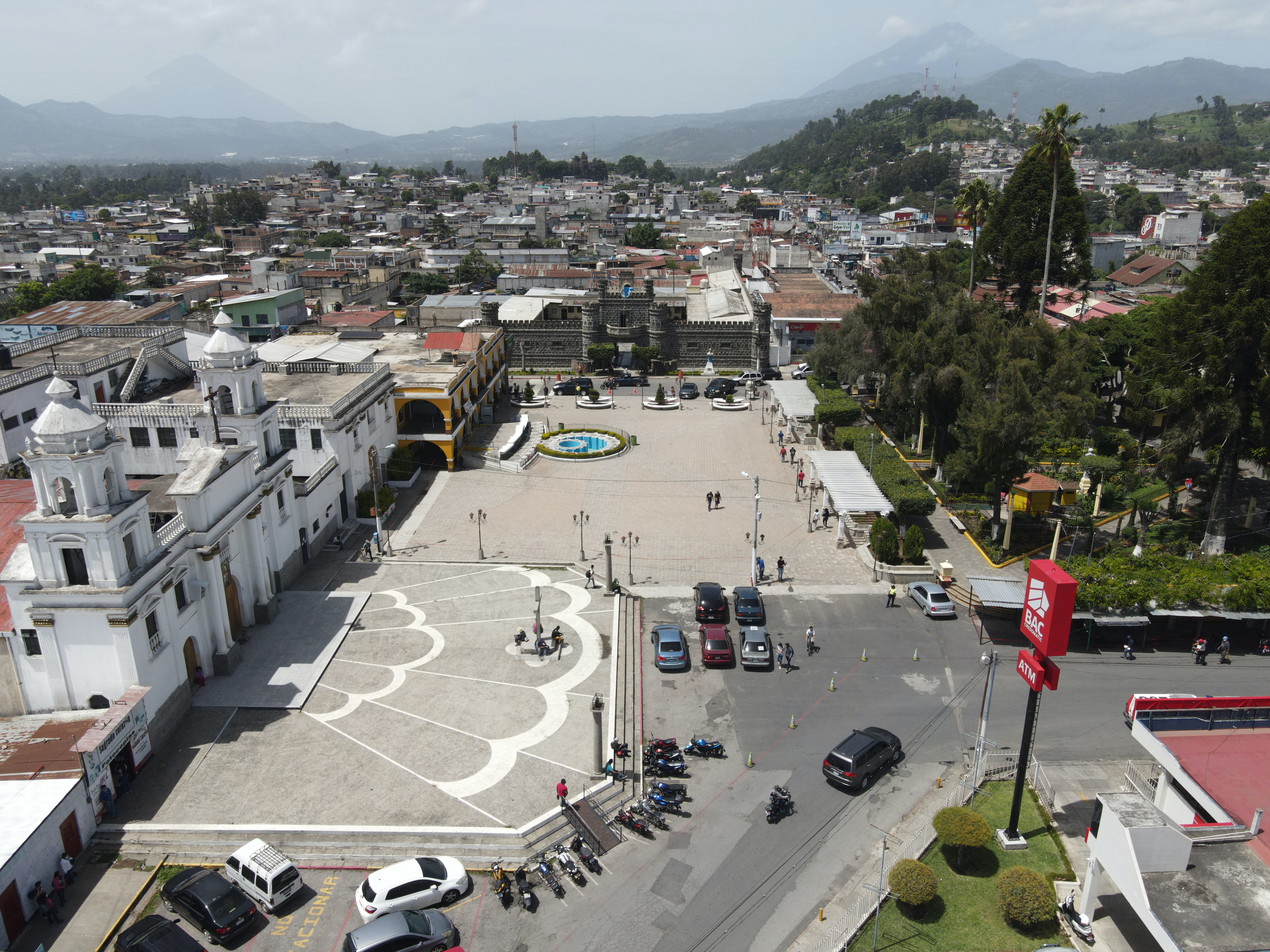 39
39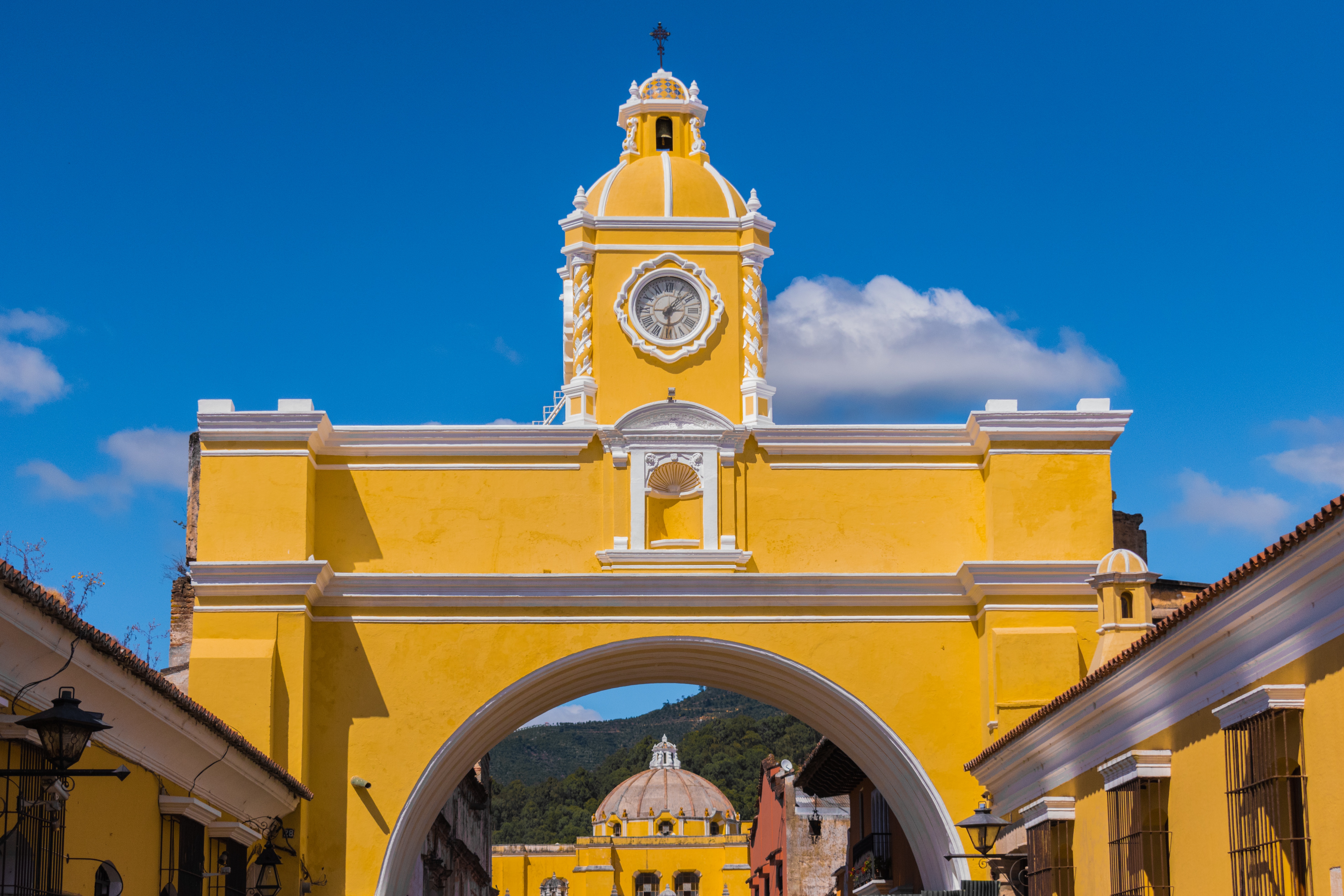 56
56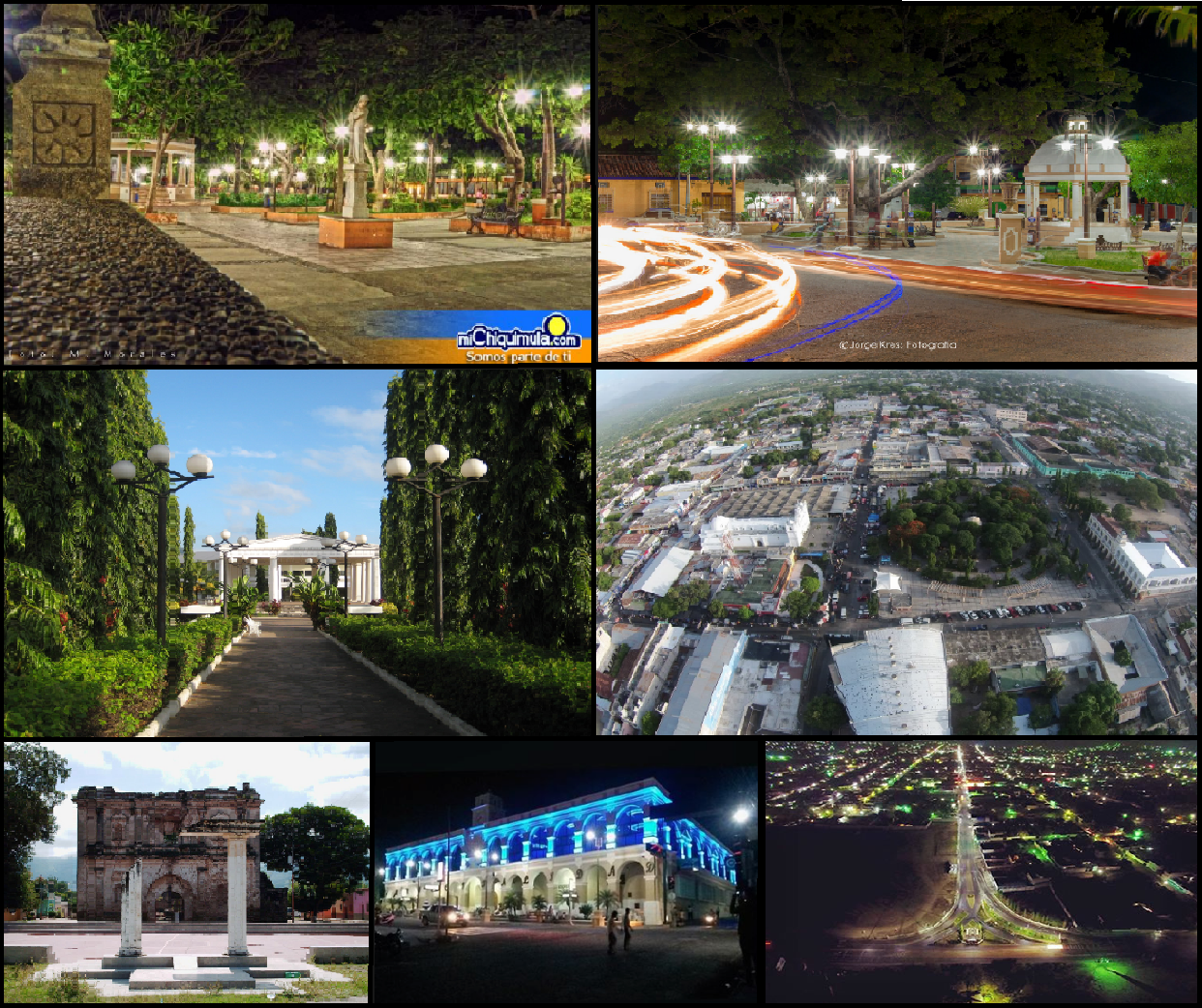 49
49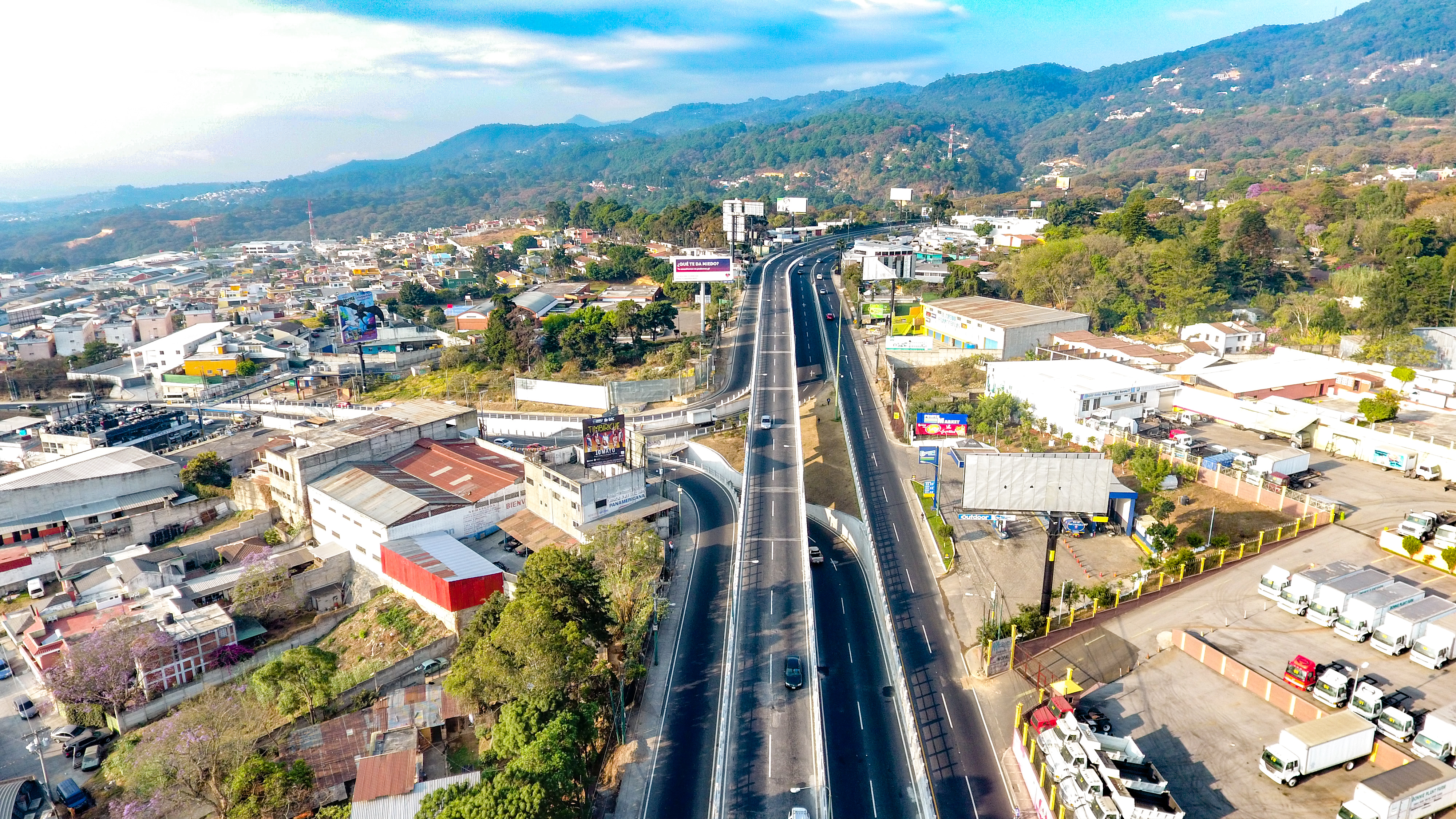 35
35Getting Your Income Documentation Story Straight
The IGM is not trying to understand your financial life. They are trying to match your documents against a checklist, and if the documents don't map cleanly onto what they expect to see, the application stalls. That distinction matters a lot when you're deciding how to present your income.
For someone receiving a government pension or a lifetime annuity, the documentation story is simple: a pension award letter, bank statements showing regular deposits, apostille, certified translation, done. The challenge comes for people whose passive income is real but doesn't come in a single clean monthly deposit from an identifiable institution. Rental income across two properties, dividends from a brokerage account, a mix of Social Security and a small pension - each of these is legitimate income, but assembling them into a file that reads clearly to an IGM reviewer takes more thought than most people give it upfront.
U.S. citizens have a specific option worth knowing: the U.S. Embassy in Guatemala has historically offered affidavit options that IGM recognizes as financial solvency proof. This can simplify things considerably if your income is real but your documentation is messy. Check current Embassy and IGM guidance before relying on this, because acceptable formats have shifted in recent years and what worked for someone who applied two years ago may not be the current standard.
The practical advice is to build your documentation file before you start the application, not during it. Lay out every income source, figure out how each one is documented, and then ask honestly whether a Spanish-speaking immigration reviewer looking at this for the first time will immediately understand what they're looking at. If the answer is no, that's the problem to solve first.
The Housing Requirement and Where People Get It Wrong
Guatemala's Pensionado application requires proof of an address in Guatemala, and most applicants treat this as an afterthought - something to sort out once the visa is approved. That's backwards. The IGM wants documentation of where you'll be living as part of the application file, which means you need to have something on paper before you have legal status, which creates a timing problem that a lot of first-time applicants don't anticipate.
The most common solution is a rental agreement signed before you apply, which works fine if you're already in Guatemala or have a local contact who can help. Some applicants use a short-term rental - an Airbnb or furnished apartment - and get a letter from the landlord confirming the arrangement. Whether this satisfies IGM's requirements in practice depends on how the application is being reviewed and who's reviewing it, which is one of the inconsistent parts of this process.
What doesn't work is assuming you'll figure out the address requirement once you're approved. By that point you've already submitted your file. The address needs to be in the application.
Working with a local Guatemalan immigration attorney is the most reliable way to get this right, not because the requirement is complicated but because the attorney knows what format the documentation needs to be in and can tell you whether what you have is actually going to hold up. That's a different kind of value than just knowing the rules.
What Actually Happens After You Land
Visa approval and having a functioning resident permit in hand are two different things, and the gap between them is longer and more ambiguous than most people expect. When you arrive in Guatemala with an approved Pensionado application, you are typically entering on a temporary basis while the residence card - the carné - is processed. During that window, you are technically in the process but not yet holding the physical document that proves your status to a landlord, a bank, or anyone else who asks.
Opening a local bank account without a carné is difficult. Some banks will work with you if you have other documentation, but many won't. Getting a local SIM card is easy; getting a bank account that functions like a resident's account is not. If you're planning to set up any kind of local financial life quickly - and you probably are, if you're moving here rather than just testing it - factor in a period of several weeks where some things simply won't be available to you yet.
The practical answer is to arrive with more financial runway than you think you need. Keep your U.S. accounts fully functional, bring a debit card that works internationally without fees, and don't assume you'll have a local banking setup within the first month. Some people do, but it depends heavily on timing and which bank you approach.
The other thing that surprises people is that the two-year temporary residence clock starts from when the residence is granted, not from when you land. If processing took four months, you've already used four months of the bureaucratic calendar before your card is even in your hand.
The Long-Term Path - What PR and Citizenship Actually Require
On paper, the path from Pensionado temporary residence to permanent residence looks manageable: maintain your status, renew your temporary residence, demonstrate continued eligibility, and eventually qualify for permanent residence after sufficient lawful stay. In practice, the timeline is longer and less predictable than that summary suggests, and citizenship is a different conversation entirely.
Permanent residence is not automatic, and the transition from temporary to permanent status involves another documentation process - not just a renewal, but a substantive new filing that needs to demonstrate your continued ties and compliance. People who have let renewals lapse, had gaps in their documentation, or moved around without updating their registered address with the IGM find this process harder than it needed to be. The administrative discipline required to maintain clean status over multiple years is real.
Citizenship is substantially harder. Beyond the years of residence required, there are Spanish language requirements, integration assessments, and a discretionary approval process that doesn't move on any predictable schedule. The nominal legal minimums and the practical timelines diverge significantly. This isn't a reason to avoid the visa, but if your long-term goal is a Guatemalan passport, you should go in with realistic expectations about what that actually requires and how long it actually takes.
For most Pensionado applicants, permanent residence is the realistic long-term goal, and that is achievable with consistent compliance. Citizenship is a longer game.
Guatemala vs. Costa Rica - The Actual Judgment Call
Costa Rica's Pensionado visa is the most obvious regional alternative, and the comparison comes up constantly. Costa Rica has a lower commonly cited pension threshold, a well-established expat community, and a reputation for being easier to understand from the outside. Guatemala has a higher income floor but a lower cost of living, less expat saturation in most areas, and a cultural and geographic richness that Costa Rica, for all its appeal, doesn't quite replicate.
The real difference isn't the income threshold or even the bureaucracy, which is difficult in both countries. It's what kind of life you're building. Costa Rica's expat ecosystem means more English-language services, more people who have done exactly what you're doing, and more support built around foreign residents. Guatemala means more immersion, less hand-holding, and a daily life that requires more Spanish and more tolerance for inconsistency.
If you want a place where the process of becoming a resident has been done thousands of times and there are established attorneys, accountants, and communities who can walk you through every step, Costa Rica has an edge. If you want a lower cost base, a less-trodden path, and you're comfortable operating in a system that is less legible from the outside, Guatemala is the more interesting choice - and for some people, that's not a drawback at all.
The tax picture is similar enough between the two countries that it probably shouldn't drive the decision. What should drive it is an honest read on which version of expat life you actually want.
Work Permissions
Application Steps
- 1
📋 Confirm pension income requirement
1 week
- 2
📄 Gather and apostille documents
3-4 weeks
- 3
📬 Attorney files at Guatemalan Immigration
1 day
- 4
⏳ Await approval and collect residency card
2-4 months
This visa requires proof of health insurance. Compare international plans before you apply.
Compare health insuranceWe may earn a commission at no cost to you.
Frequently Asked Questions
Click any question to expand the answer.
Ready to Apply?
Work with trusted visa specialists who handle the paperwork so you can focus on your move.
Get help with this visa →* We may earn a commission if you apply through our link
At a Glance
Last verified: July 15, 2026