Greece Financially Independent Person (FIP) Visa
Greece · Europe
Data updated Sep 3, 2026
Application Fee
$1,100
Difficulty
Moderate
Duration
24 months
Overview
Greece’s Financially Independent Person (FIP) Visa targets non‑EU nationals who can live on at least $3,850 per month in passive or pension income, or show $52,800 in savings, without working locally. Income sources allowed include pensions, Social Security, and other passive income; local employment income in Greece is not allowed, and the local income limit is 0% of your total income. A retiree drawing $4,000/month from a US Social Security benefit and IRA distributions, or an investor receiving $3,900/month from rental properties and ETF dividends, satisfies the financial requirement on paper.
The residence permit runs for 24 months at a time and is renewable, with each renewal currently costing about $1,100 every two years in government fees. There is no publicly specified minimum investment amount or mandatory real estate purchase, so unlike Greece’s Golden Visa, you are not tying up capital in property to qualify. However, Greece does expect genuine residence: renewal depends on meeting the physical presence rules, not just wiring money into a bank account once.
Physical presence is the central trade‑off. You must spend at least 183 days per year in Greece and cannot be outside Greece for more than 182 days consecutively if you want to maintain the permit. For someone trying to split life evenly between, say, Greece and Thailand, this effectively forces you to treat Greece as your primary base and keep other stays shorter than half the year.
Bureaucratically, this route is middle‑of‑the‑road: the bureaucracy score of about 1.53/5 reflects that there is paperwork but not the worst in Europe. You need private health insurance, a local bank account, and extensive financial proof, but no FBI background check and no medical exam, though apostille is required and the consular step includes a brief interview. The main pain point for many applicants is opening the Greek bank account (which can involve in‑person visits and compliance questions) and aligning financial documents to satisfy the passive‑income requirement.
This permit does not itself lead directly to permanent residency or citizenship: there is no established pathway from FIP status to PR, and the official years‑to‑citizenship and years‑to‑PR are not applicable for this category. Realistically, you should treat it as a renewable 2‑year rolling residence: if you keep meeting the income threshold and 183‑day rule, you can continue renewing but should not count on it as an automatic naturalization pathway.
This route makes most sense if you have at least $3,850/month in non‑earned income, want Greece to be your main home for 6+ months per year, and are comfortable paying around $1,100 every two years to renew. It is a poor fit if your cash flow is mainly remote salary or active business income, or if you plan to be outside Greece more than 182 days in a row each year.
Eligibility Requirements
EU and EEA citizens do not need Greece’s Financially Independent Person (FIP) Visa because they have free movement and residence rights in Greece under EU law. Eligibility instead targets non‑EU nationals, including Americans, Canadians, Australians, New Zealanders, Britons post‑Brexit, and other third‑country nationals whose citizenship lies outside the European Union.
Common confusion points are Norway, Iceland, and Liechtenstein (EEA but not EU), plus Switzerland and the United Kingdom. All of these are treated as non‑EU/EEA for Greek immigration in the context of the FIP: Norwegians, Icelanders, Liechtensteiners, Swiss, and UK nationals now need a residence basis like this visa; they cannot rely on the older EU free movement framework. By contrast, citizens of EU member states such as Germany, France, Spain, Italy, or Ireland should not apply for the FIP at all.
Dual nationals who hold any EU citizenship (for example, US–Italian, Canadian–Irish, Australian–German) should enter and reside in Greece on their EU passport. That route is faster, avoids the $1,100 FIP application and renewal fees, removes the strict income proof requirement, and grants broader labor market access without the “0% local income” constraint imposed by this visa.
Application Fee
$1,100
Renewal Cost
$1,100/yr
Min Age
18 yrs
practical
Duration
24 months
Physical Presence
183 days/yr
Max Absence
182 days
Pension / Social Security · Passive / Investment Income
Max 0% from local sources
+20% per adult · +15% per child
Requirements Checklist
• Identity: completed visa application form; valid passport; passport copy; passport-sized photographs.
• Financial: proof of sufficient stable income from non-employment sources; bank statements; pension statements; dividend statements; long-term rental income proof; fixed savings statements.
• Health: private health insurance covering stay in Greece; certificate of health.
• Background: clean criminal record certificate.
• Accommodation: proof of accommodation in Greece.
Apostille required on official documents
Tax Information
Local tax regime and what it means for you
Greece is classified here as using a territorial tax regime for FIP visa holders, meaning Greek tax focuses on income arising in Greece and generally does not extend to foreign‑source income that stays abroad. For someone on this visa, local work is prohibited and the local income limit is set at 0% of total income, so the main concern is how Greece treats your pensions, dividends, interest, and rental income from outside Greece once you are physically present there for at least 183 days per year.
In practice, a territorial label means that Greek‑source income (for example, rent from a Greek apartment or interest from a Greek bank) would fall into the Greek tax net, while foreign pensions, foreign dividends from a US brokerage account, and US rental income are commonly treated as out of scope if not remitted into Greece. However, the exact mechanics and rates for FIP holders depend on the specific income type and Greece's residence rules, so you cannot assume full exemption on all foreign inflows; you need a local accountant to apply Greece’s residence and source rules to your situation.
On capital gains, Greece taxes capital gains from securities at a flat 15% rate for individuals, though how this applies to foreign ETFs or index funds held in a non‑Greek brokerage is less clear‑cut. Based on the territorial classification, those gains are generally expected to be exempt locally if they are treated as foreign‑source and not remitted, but the precise treatment for FIP holders depends on individual circumstances. A FIRE investor selling large positions should assume potential Greek reporting until a local professional confirms otherwise in writing.
Tax residency is triggered at 183 days of physical presence per year, which aligns with the FIP’s own 183‑day residence requirement. Once you cross 183 days in Greece in a calendar year, Greek tax residency is presumed, and you then fall under Greek filing obligations and the territorial regime. Tax residency is tied to days on the ground, not simply holding the visa, so an unused visa with fewer than 183 days actually spent in Greece would generally avoid tax residency.
Local compliance starts with obtaining a Greek tax ID (AFM) once you become resident or open a local bank account. As a tax resident, you file an annual Greek tax return declaring Greek‑source income and any foreign‑source income that Greek law treats as taxable under territorial rules; deadlines and e‑filing systems are set by the Greek tax authority and are updated annually by the tax authority (AADE). Because a local bank account is mandatory, expect the bank to ask for an AFM and for that AFM to pull you into the Greek system once you pass the 183‑day threshold.
Greece and the United States have an income tax treaty, dating to 1950 and since amended, that provides mechanisms for relief from double taxation. That means you cannot rely on treaty provisions for Social Security, dividends, or pensions without checking the actual text yourself or through a professional. In practice, treaty relief should still be confirmed for your specific situation before you assume it applies.
For US Citizens and Green Card Holders
US persons on a Greek FIP visa remain fully taxable by the United States on worldwide income regardless of Greece’s territorial regime. Three tools matter most: the Foreign Earned Income Exclusion (FEIE), the Foreign Tax Credit (FTC), and foreign asset reporting.
FEIE, claimed on Form 2555, can exclude up to $132,900 of earned income for 2026, rising slightly with inflation each year. That covers only active income (remote salary, self‑employment, consulting), not dividends, capital gains, pensions, or Social Security. Since the FIP visa prohibits local work and caps local income at 0%, many holders will either have no earned income at all or will maintain remote work in clear tension with the visa terms. For those who do have US or third‑country remote earnings, the Physical Presence Test (330 full days outside the US in any 12‑month period) is often easier to satisfy than the Bona Fide Residence Test, given that FIP holders must spend 183+ days in Greece but may still travel broadly outside the US.
Form 1116 for the Foreign Tax Credit matters mainly when Greek effective tax on a given income stream is greater than zero. If, under Greece’s territorial rules, your foreign‑source dividends, US rental income, and ETF capital gains are not taxed in Greece, there will be no Greek tax paid to credit against US liability, and the FTC gives you no relief on that income. By contrast, if you generate Greek‑source income in the future (for example, Greek bank interest) that is taxed there, those Greek taxes can be credited against your US tax on the same income, avoiding double taxation.
FBAR (FinCEN 114) kicks in once the aggregate balance of all non‑US financial accounts exceeds $10,000 at any point in the calendar year. This includes the Greek local bank account that the FIP visa requires, plus any other foreign accounts you hold. FATCA Form 8938 has higher thresholds but similar reporting logic for specified foreign financial assets on your US tax return. Penalties for non‑willful FBAR violations start around $16,700 per violation as of 2026 (inflation-adjusted from the $10,000 statutory base), so this is not optional.
For a US person using this visa, the clean setup is: a US expat‑focused CPA handling Forms 1040, 2555, 1116, 8938, and FBAR, coordinated with a Greek tax advisor who manages the AFM registration, Greek tax residency analysis, and annual Greek return. The $1,500–$3,000 spent in year one on this paired advice often pays for itself through correct FEIE/FTC elections, avoiding silent FBAR penalties, and structuring foreign investments in a way that matches both US and Greek rules.
Living in Greece
COL Index vs NYC
46.5
Monthly Cost (excl. rent)
$894
1BR Rent (City Center)
$560
Safety Index
53.6
Healthcare Index
58.5
Quality of Life Index
138.1
Time Zone
UTC+02:00
Capital
Athens
Population
10.7M
Official Languages
Greek
Avg Internet Speed
182 Mbps
Public Transit Quality
Good
With a budget covering rent and living costs, you'd need roughly $1,454/mo for a comfortable single-person lifestyle in Greece.See how far your money goes →
🏙️ Best Cities in Greece for Passive Income Residents
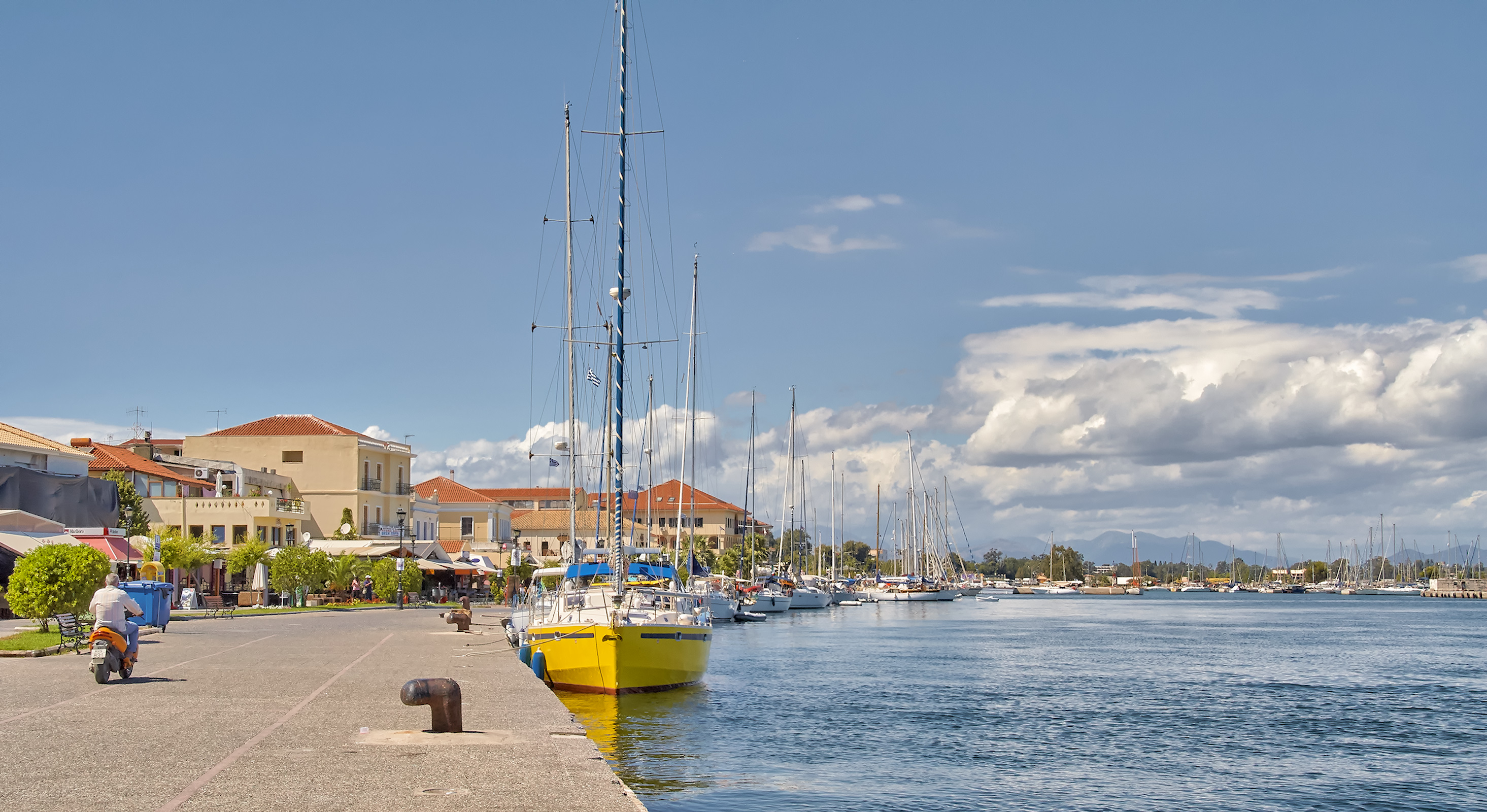 74
74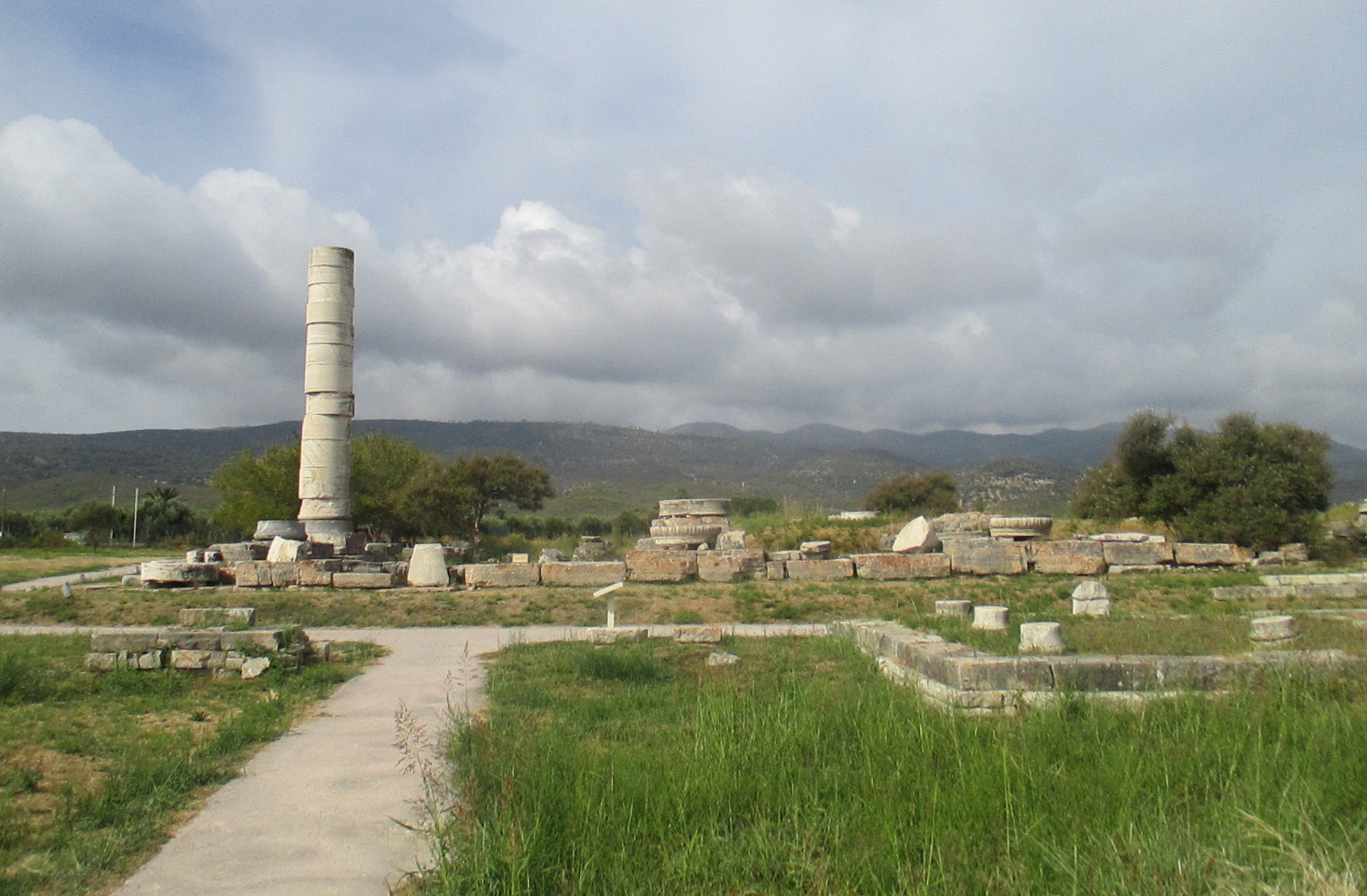 ✦ 77
✦ 77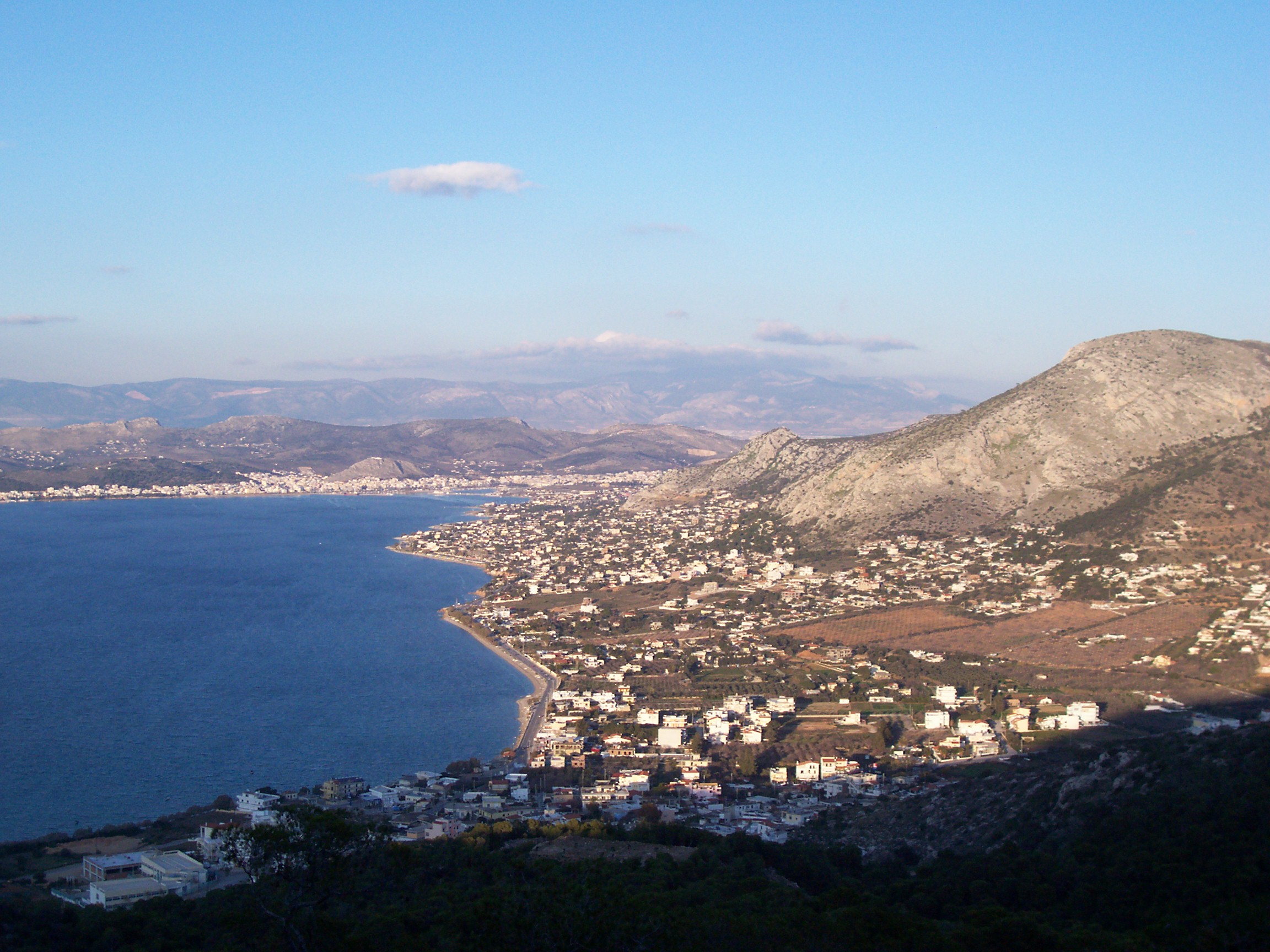 73
73 ✦ 75
✦ 75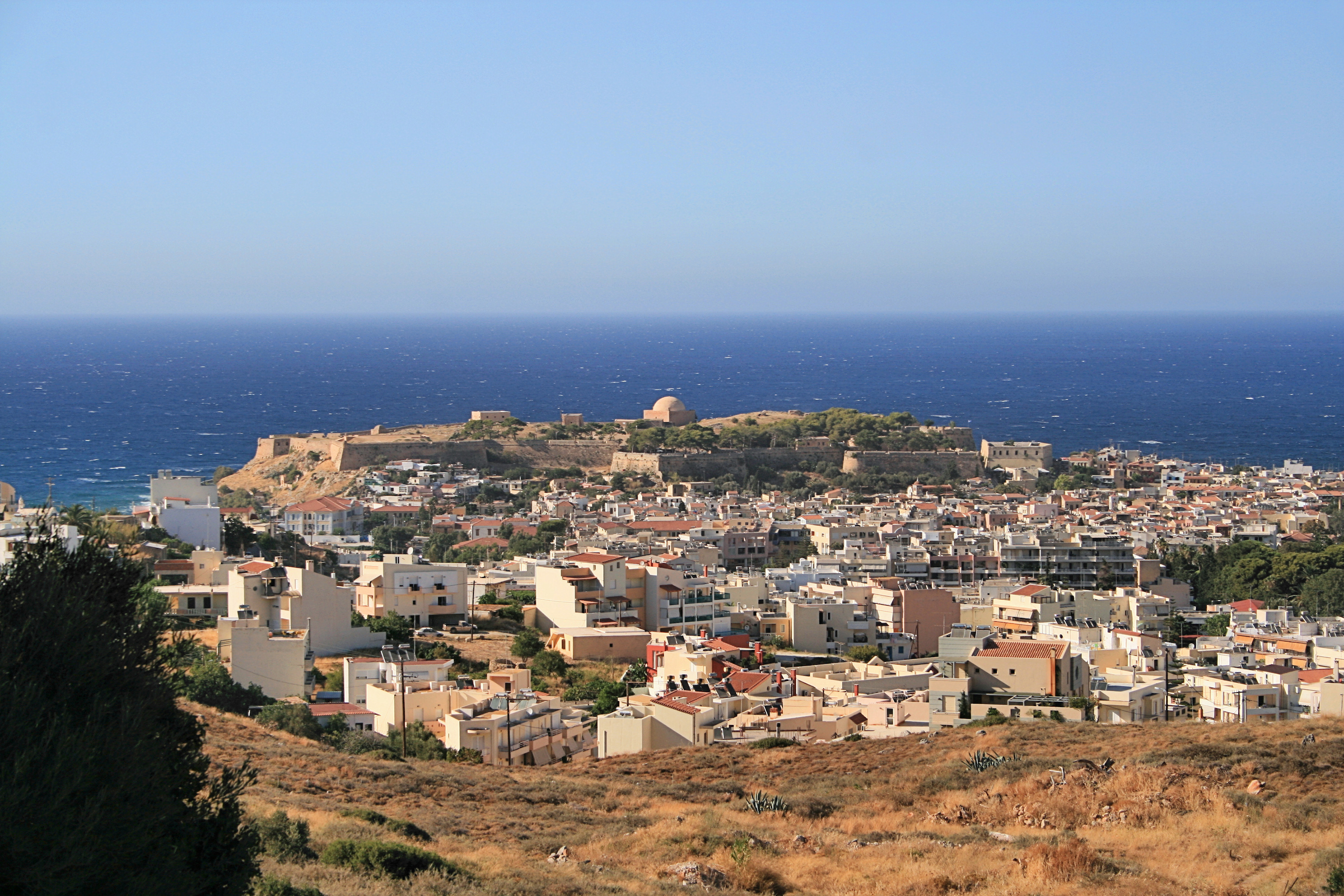 ✦ 79
✦ 79 73
73The accommodation requirement and how people get it wrong
Proof of accommodation sounds simple until you're trying to produce a Greek lease before you've set foot in the country. Most applicants solve this with a short-term rental contract or a booking confirmation covering the first months, which satisfies the consulate but creates a second problem later: the immigration office in Greece will eventually want an address tied to the residence permit, and a booking confirmation doesn't hold up as permanent housing once you're filing that stage.
The sequencing that works is to treat the visa-stage accommodation proof as a placeholder, not a home. Book something real enough to submit, but don't sign a long lease before you've spent even a week in the neighborhood you're aiming for. People who lock in a year-long rental sight unseen, purely to satisfy the paperwork, tend to regret it once they're on the ground. Landlords also don't always want to sign with someone who isn't in-country yet, which pushes some applicants toward paying for a longer short-term stay than they'd like just to bridge the gap between arrival and a real lease.
Because a Greek bank account is required as part of this process, accommodation and banking end up tangled together. Some banks want a fixed address before opening an account; some landlords want proof of funds before signing a lease. Working out which one moves first with a specific bank and a specific landlord, before arriving, saves a week of standing in offices getting told to come back once you have the other thing.
What happens after you land
Getting the Type D visa stamped in your passport is not the end of the process, it's the start of a second one. That visa gets you into Greece, but the actual residence permit is a separate application filed at the local immigration office once you've arrived, and it has to go in before the D visa expires. The gap between landing and having a physical residence permit in hand can stretch out, and during that window you're technically resident but still waiting on the document that makes it official.
This is where the local bank account becomes more than a formality. Opening it early, ideally in the first days after arrival, keeps the immigration filing from stalling on a missing piece. Trying to open the account and file the residence permit application in the same week, on top of finding permanent housing, is a lot to manage back to back. Spacing these out, even by a few days, tends to go smoother than trying to knock them out simultaneously.
There's no medical exam required and no interview built into this stage, which removes two of the more time-consuming steps other visas carry. What it doesn't remove is the physical presence expectation. You need 183 days of presence to keep the permit meaningful, and absences longer than 182 consecutive days put the whole arrangement at risk. That's a narrow enough margin that a long trip home to visit family, timed badly, could bump against the limit.
What the long-term path actually requires
This is not a visa designed to walk you toward permanent residency. The FIP track renews rather than converts, and each renewal carries its own $1,100 cost, the same figure as the initial application fee. Planning around this visa means planning around indefinite two-year renewal cycles rather than a fixed number of years until a permanent card lands in your hand.
That changes how you think about the whole decision. If the goal is settling in Greece for a defined stretch, maybe five or ten years, with the flexibility to leave without unwinding a citizenship application in progress, this fits cleanly. If the goal is a passport or a permanent card at the end of a countdown, this isn't the route that gets you there, and building a five-year plan on the assumption that it will is the kind of mistake that only becomes visible at renewal three or four.
The 24-month initial permit is generous compared to some passive income visas that hand out twelve months at a time, and it does mean fewer trips through the renewal paperwork over a decade than a shorter cycle would. But generous renewal spacing isn't the same as a finish line, and anyone treating this as a stepping stone to a Greek passport should build a separate plan for that goal rather than assuming this visa carries them there automatically.
The Greece call versus the obvious alternative
The typical alternative in this conversation is Portugal's version of a passive income visa, and the comparison usually comes down to temperament more than numbers. Portugal's equivalent tends to lean harder on residency toward citizenship over time, which appeals to people already thinking about a passport ten years out. Greece's FIP visa, by contrast, is closer to a straightforward long-stay arrangement: clear income proof, a renewable permit, and no local work, full stop, with no local income allowed at all under this category.
For someone earning $6,000 a month from two US pensions and a taxable brokerage account, the actual decision point isn't the income test, since both countries would likely admit that profile. It's whether the plan is open-ended residence in a place you like, or residence as a means to an eventual second citizenship. Greece asks less of you procedurally at the front end, no interview requirement built into this stage, no medical exam, and a savings bar low enough that most retirees clear it without stress. What it asks in exchange is a longer horizon of renewals with no permanent status waiting at the end, at least not through this specific route.
The territorial tax setup adds another layer worth weighing against wherever else is on the shortlist, since how foreign pension and dividend income gets treated once you're tax resident can change the math meaningfully depending on the size and source of that income. That's a conversation for an accountant familiar with both sides, not something to guess at from a comparison chart. What matters at the decision stage is being honest about whether you want to keep renewing every two years indefinitely or whether the real goal is a status that eventually stops needing renewal at all.
Work Permissions
Application Steps
- 1
📋 Verify eligibility and gather funds
1-2 weeks
- 2
📅 Apply for National Visa D
2-4 weeks
- 3
📄 Collect required documents
1-2 weeks
- 4
🏛️ Enter Greece on Visa D
Same day
- 5
📬 Submit residence permit application
1 day
- 6
⏳ Attend biometrics and wait
not specified
- 7
🏛️ Maintain 183 days presence yearly
Ongoing
Frequently Asked Questions
Click any question to expand the answer.
Ready to Apply?
Work with trusted visa specialists who handle the paperwork so you can focus on your move.
Get help with this visa →* We may earn a commission if you apply through our link
At a Glance
Last verified: July 15, 2026