France Talent Passport (Passeport Talent) — Freelancer Track
Data updated Oct 9, 2026
Min Monthly Income
$1,737
Difficulty
Moderate
Duration
12 months
Overview
Getting the income documentation story straight before applying
The freelance Talent Passport application lives or dies on one question: does your income look like a business, or does it look like a person spending savings while calling themselves self-employed. French consulates and the prefecture staff who process the eventual permit have seen enough of both to spot the difference fast, and the threshold itself, roughly $1,737 a month as of 2026, tied to the French minimum wage, is the easy part to clear. The hard part is showing that income in a way that reads as durable.
That means contracts with named clients, invoices that show a pattern over months rather than a single lump payment, and ideally a mix of clients rather than one retainer that could vanish. A freelancer who just landed a single six-month contract with one US company, even a well-paid one, presents a weaker file than someone earning less overall but spread across three or four ongoing relationships. Consulates read repetition as stability. They read a single contract, however generous, as a temporary arrangement that happens to line up with the visa timeline.
The other mistake is timing the paperwork wrong. Freelancers often gather income evidence right before the appointment, which produces a stack of invoices that all cluster in the same narrow window. Better to start pulling together tax returns, 1099s, bank statements, and signed client agreements two or three months out, so the file shows a track record rather than a snapshot assembled for the occasion. Note too that pension income and standard social security payments don't count toward this threshold here, so retirees trying to use this route on passive income alone will find the freelance track isn't built for them. It's built around active, ongoing client work, and the documentation should tell that story consistently across every document in the file, not just the cover letter.
Eligibility Requirements
Min Income
$1,737
Duration
12 months
Business Income
Self-Employed
Requirements Checklist
Tax Information
How France Taxes Your Income as a Resident
France taxes its residents on worldwide income, full stop. Once you're settled in under the Talent Passport freelance track and treated as a French tax resident, your US salary substitute, freelance invoices, dividends from a US brokerage, capital gains on stock sales, and rent collected from a property back home all land in France's tax net alongside anything earned locally. The progressive schedule for 2026 runs in five bands: 0% up to EUR 11,294 (about $12,200), 11% up to EUR 28,797 (about $31,100), 30% up to EUR 82,341 (about $88,900), 41% up to EUR 177,106 (about $191,300), and 45% above that. A freelancer clearing even a modest US-dollar income after conversion can find themselves in the 30% or 41% band faster than expected, since French brackets are not generous by American standards.
Dividends and gains on financial assets get pulled into a separate flat mechanism, the Prelevement Forfaitaire Unique, rather than the progressive schedule, though residents can elect progressive treatment with a 40% rebate on gross dividends if that math works out better. Real estate gains, including any eventual sale of US property while you're a French resident, run through their own schedule with relief that builds after five years of ownership and full exemption from income tax after 22 years. None of this cares where the asset sits. A rental unit in Ohio and a rental unit in Lyon are treated the same way once you're the one collecting the rent as a French tax resident.
Where the IRS Still Gets Its Cut
The Foreign Earned Income Exclusion lets you shelter up to $132,900 of 2026 earned income, meaning freelance revenue or remote salary, from US tax. It does nothing for dividends, capital gains, rental income, pensions, or Social Security, all of which stay fully taxable on your US return regardless of what France does with them. Talent Passport holders typically qualify under the Bona Fide Residence test rather than counting days for Physical Presence, since the residence permit itself establishes the kind of settled presence the test wants, though Physical Presence remains available if travel patterns work against Bona Fide Residence. A housing exclusion on top of FEIE, often worth something in the neighborhood of $35,000 for someone renting in a French city, can shelter additional income if the numbers support it.
For most freelancers here, the Foreign Tax Credit does more work than the exclusion. French income tax climbs to 45% at the top end, and social levies of roughly 9.1% stack on top of earned income, so the French tax bill on a given dollar of freelance revenue usually exceeds what the US would have charged on that same dollar. Form 1116 credits that French tax dollar-for-dollar against US liability, which tends to zero out US tax on French-source earnings entirely, though you cannot apply FEIE and FTC to the same slice of income twice. A tax treaty between the US and France governs how specific income types get allocated, but the savings clause means the treaty does not touch your obligation to file as a US citizen. It reroutes which country taxes what: US Social Security stays taxable only in the US, US government pensions stay taxable only in the US, while private IRA and 401(k) distributions shift primary taxing rights to France as your country of residence under the 2009 protocol, with the credit mechanism cleaning up the rest. Roth distributions sit in murkier territory, since France has not issued clear guidance on whether it respects their tax-exempt character, and treating them as ordinary pension income under French rules is a live risk.
Opening a French bank account is not something the visa itself demands on paper, but in practice nearly every freelancer here ends up with one for rent, utilities, and client invoicing, and the balance clears $10,000 within weeks of settling in. Once combined foreign account balances cross that threshold at any point in the year, FinCEN Form 114 becomes mandatory, and the non-willful penalty for missing it runs around $16,700 for 2026, adjusted for inflation each year. Anyone holding meaningfully more, once foreign accounts and assets exceed $200,000 single or $400,000 married at year-end, also picks up a Form 8938 filing obligation under FATCA, and French banks are already reporting US-linked accounts to French authorities who pass to the IRS regardless of what you file.
France also runs an impatriate regime for people arriving from abroad who were not French tax residents in the five years before taking up the assignment, and it covers certain self-employed individuals brought in under a qualifying arrangement, not just salaried transfers. What it exempts is specific: the impatriate premium itself, whether it's an actual bonus or a deemed 30% of net compensation where no separate premium exists, plus 50% of certain foreign-source passive income like dividends, interest, and royalties for someone who was previously a non-resident. The window runs for the year of arrival plus the following seven years, eight years total, and it does not touch capital gains or remove any US filing obligation. There's no grace period for sorting out eligibility after the fact. The five-year non-residency condition and the terms of the qualifying assignment need to be documented and understood before French tax residency starts, because once you're inside the system as an ordinary resident, there is no retroactive route back into the regime.
The three decisions that actually cost people money in year one are the impatriate regime eligibility check before residency locks in, the Bona Fide Residence versus Physical Presence election for FEIE purposes, and the FBAR filing once the French
Living in France
COL Index vs NYC
58.0
Monthly Cost (excl. rent)
$1,074
1BR Rent (City Center)
$891
Safety Index
44.6
Healthcare Index
77.7
Quality of Life Index
166.3
Time Zone
UTC+01:00
Capital
Paris
Population
67.4M
Official Languages
French
Avg Internet Speed
535 Mbps
Public Transit Quality
Good
With a budget covering rent and living costs, you'd need roughly $1,965/mo for a comfortable single-person lifestyle in France.See how far your money goes →
🏙️ Best Cities in France for Freelancers
 ✦ 80
✦ 80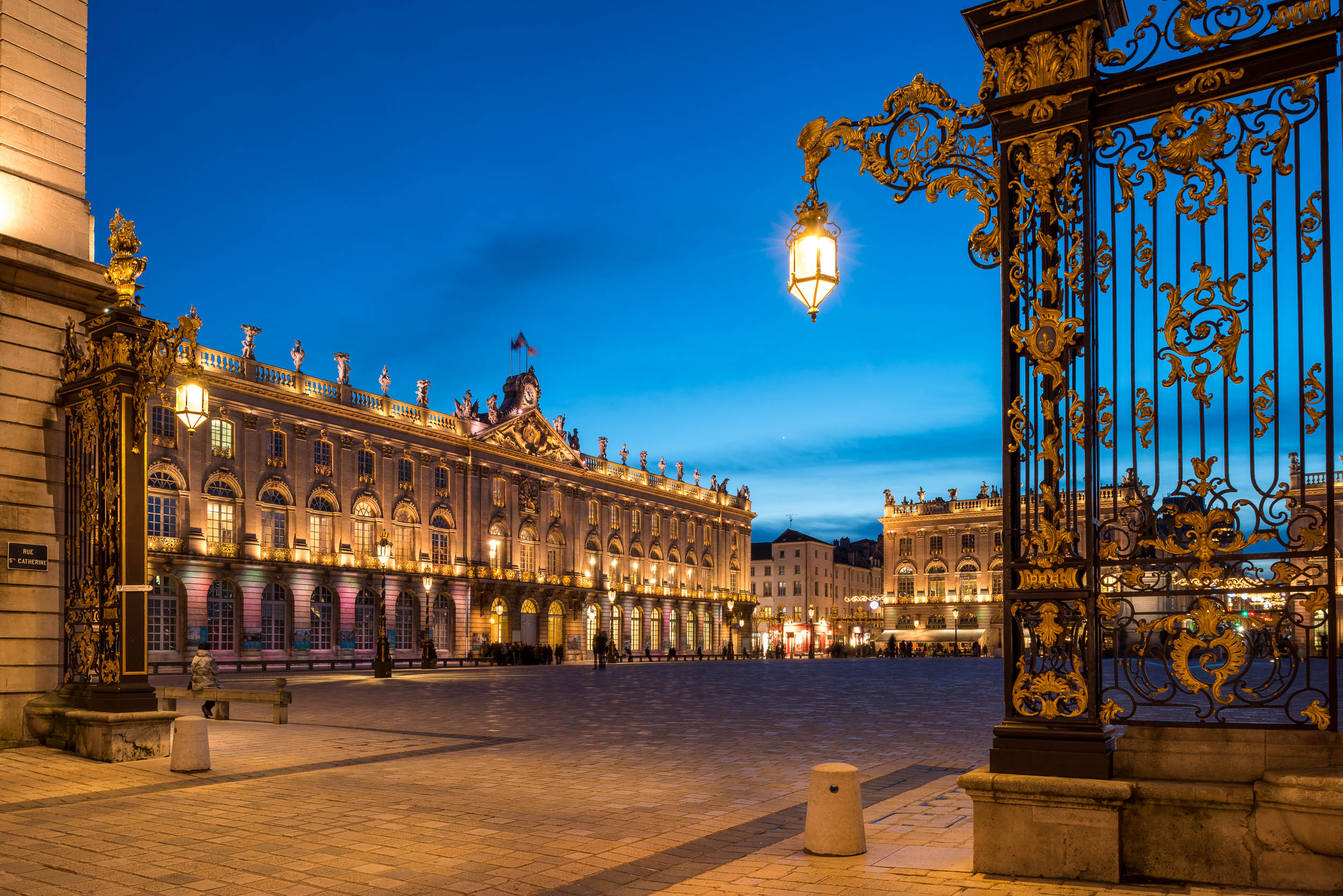 ✦ 80
✦ 80 ✦ 79
✦ 79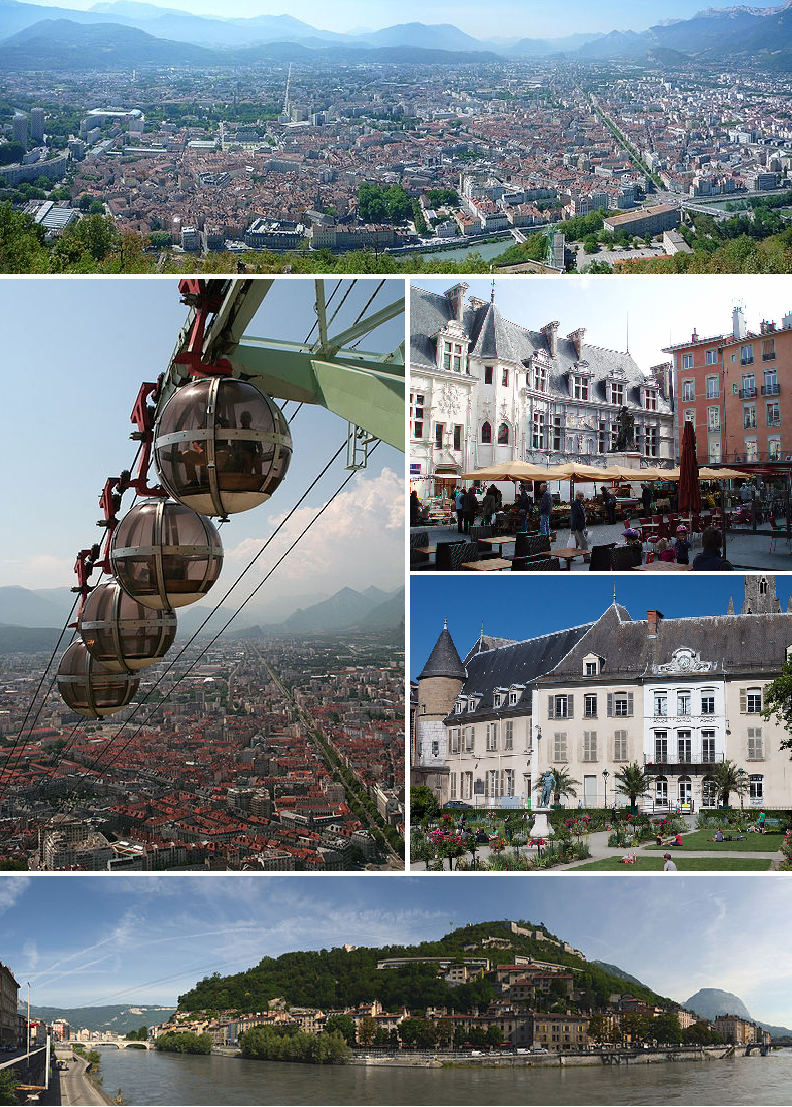 ✦ 81
✦ 81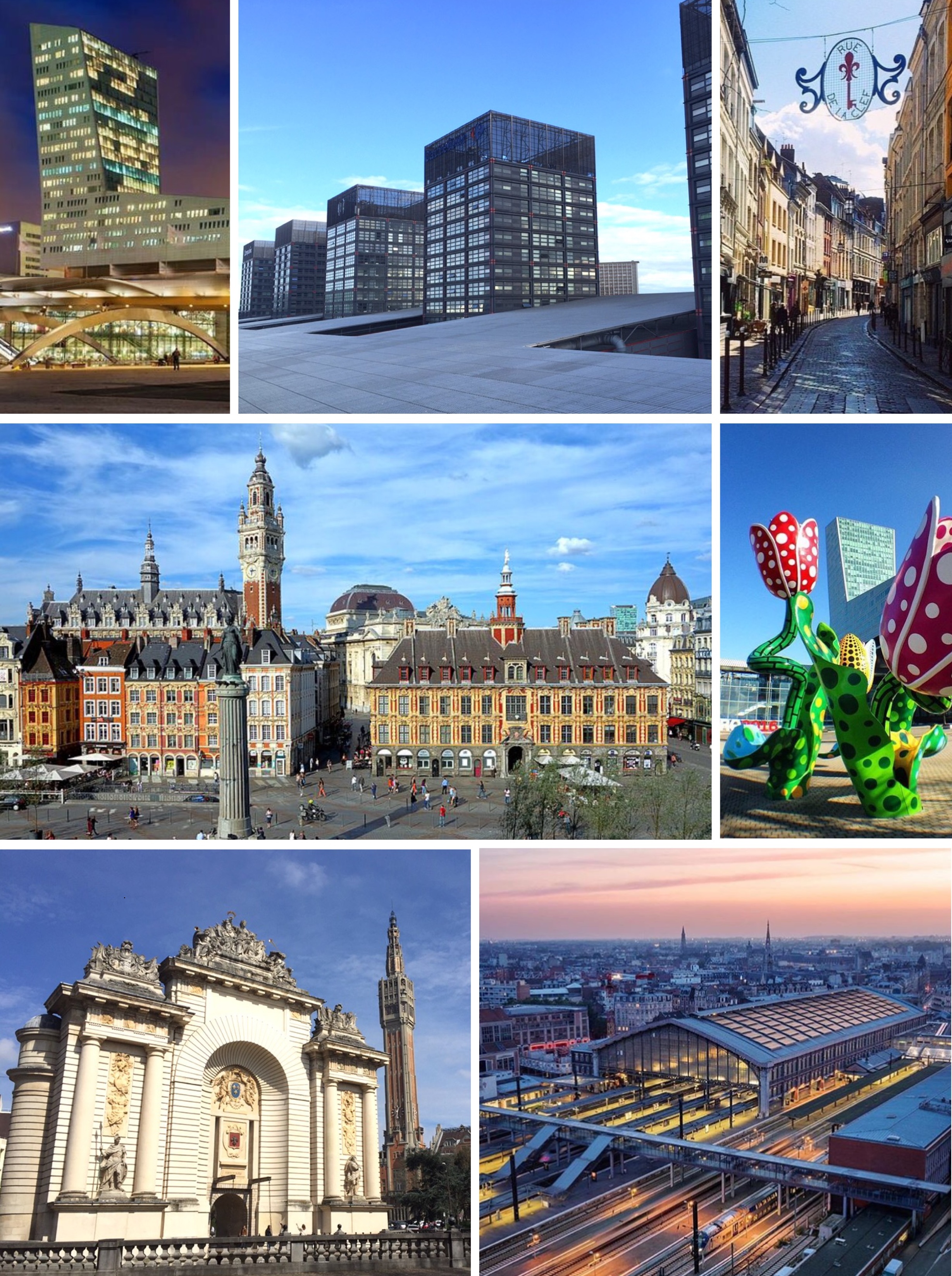 ✦ 77
✦ 77The housing requirement and how people get it wrong
Every long-stay visa application needs proof of where you'll live, and the freelance Talent Passport is no exception, but the way applicants satisfy this requirement varies enormously in quality. The cleanest version is a signed lease, ideally for at least a year, with your name on it. The version that causes delays is a short-term booking confirmation, an Airbnb reservation for two weeks, or a friend's informal offer to host you with no paperwork behind it.
The logic from the consulate's side isn't about comfort, it's about verifiability. A lease has a landlord who can be contacted, a fixed address, a duration. A vague housing plan raises the question of whether you actually intend to settle or whether you're testing the waters with an exit ready. Some applicants try to solve this by booking a long-term Airbnb and treating the reservation as equivalent to a lease. It sometimes works, but it invites more questions than it answers, and questions slow down an already slow process.
The better sequencing problem is that most landlords in France want to see proof of income and immigration status before signing a lease, which creates a chicken-and-egg situation for someone who hasn't arrived yet. In practice this gets solved a few ways: short-term corporate housing or serviced apartments that issue formal attestations, a family member or contact willing to provide a notarized hosting document, or accepting a slightly worse short-term lease just to get a valid address on paper, then upgrading once you're on the ground and can show a French bank statement and income history. Whichever path, the document needs to look permanent enough that a case officer doesn't have to guess.
What actually happens after you land
Getting the visa stamped in your passport is the beginning of the administrative relationship with France, not the end of it. Once you arrive, you're expected to register your address and complete the steps required to convert that visa into an actual residence permit, since the visa itself is a temporary authorization to enter and begin the process, not the long-term legal status. There's no medical exam required for this track, which removes one step that trips up applicants on other visa categories, but the registration and permit issuance steps still have to happen in the window the visa allows.
The gap that catches people is assuming the visa equals settled status. It doesn't. The visa gets you in the door and gives you a defined period, twelve months initially, to be present and compliant with the actual permit process. Missing the local registration deadlines, or assuming everything is handled automatically because the visa was already approved, is one of the more common ways freelancers end up scrambling weeks into their stay. The freelance track also puts you into the French self-employment tax and social charges system almost immediately, which is a separate registration from the immigration paperwork and often gets addressed too late.
None of this is exotic. It just has a lot of small deadlines packed into the first few months, and the visa approval, satisfying as it is when it finally comes through, is only proof that you're allowed to start that process, not that you've finished it.
What the renewal path actually asks of you
The permit renews, which matters because a twelve-month initial validity means you're back in front of French bureaucracy sooner than applicants on some other tracks might expect. Each renewal isn't a formality. You need to show that the freelance income kept coming, that you've stayed within the tax and social charges system you registered for, and that the business activity you described at the outset is the one you're actually running.
This is where freelancers who padded their original application with optimistic projections run into trouble. If year one's invoices don't resemble what you claimed you'd be earning, or if the client mix has shifted dramatically, the renewal reviewer notices. The safest approach is treating the first year as the year you build the paper trail you'll need for the second, keeping invoices, tax filings, and social charge payments organized as you go rather than reconstructing them under deadline pressure. Anyone thinking about this as a stepping stone toward longer-term settlement in France should plan around the renewal cycle itself rather than assuming a straight line forward, since what happens after successive renewals depends on maintaining the same documentation discipline each time, not on the passage of time alone.
The call against the more generic freelance route
France offers more than one route into self-employed status, and the freelance Talent Passport isn't automatically the right one just because it has the more appealing name. The generic long-stay visa for a liberal profession covers similar ground for people whose work doesn't fit neatly into what the Talent Passport track is designed to recognize, and for some applicants it's actually the simpler file to build, since it doesn't ask you to make a case for why your work qualifies as high-value or high-skill in the way the Talent Passport framing implies.
The decision point is usually about how naturally your work fits the profile. Someone running a straightforward consulting practice with a handful of steady clients may find the standard profession libérale route asks fewer questions and requires less framing effort, even if the paperwork overlaps significantly. The Talent Passport branding carries weight with certain reviewers and can smooth things in specific cases, but it also invites more scrutiny of whether your work justifies that categorization in the first place.
Compared to other countries entirely, the calculus shifts again. France's freelance route asks for real integration into the French social charges and tax system from day one, no local bank account is strictly required to apply but you'll need one quickly once you're operating, and there's no shortcut around the fact that this is a country that wants you paying into its system, not just living inside its borders on foreign income. Anyone comparing this against a country with a lighter-touch digital nomad visa should weigh that trade-off honestly: France asks for more administrative commitment upfront in exchange for the ability to actually build a freelance business and legal residence inside the country, rather than existing on a renewable visa that never asks you to integrate into anything.
Work Permissions
Application Steps
- 1
Research
Verify all requirements for this visa type and country
- 2
Gather documents
Obtain all required documents (passport, financial statements, health insurance, etc.)
- 3
Complete application
Fill out the official application form
- 4
Submit application
Submit all documents to the appropriate consulate or online portal
- 5
Pay fees
Complete payment of application and visa fees
- 6
Attend interview
If required, attend any scheduled interviews
- 7
Wait for decision
Processing times vary from weeks to months
- 8
Travel and activate
Once approved, travel to the country and complete any activation requirements
Compare this visa
Curated comparisons that include this route.
Frequently Asked Questions
Click any question to expand the answer.
Ready to Apply?
Work with trusted visa specialists who handle the paperwork so you can focus on your move.
Get help with this visa →* We may earn a commission if you apply through our link
At a Glance
Last verified: October 9, 2026