Finland Startup Permit
Finland · Europe
Data updated Sep 3, 2026
Application Fee
$742
Processing Time
2 wks–4 wks
Difficulty
Moderate
Duration
24 months
Path to Citizenship
8 years
Overview
Finland’s Startup Permit is built around you actively founding and working in a high‑growth company in Finland, not around passive income or retirement assets. The minimum financial requirement is USD 1,382/month (as of 2026) plus at least USD 13,950 in savings, which is assessed as your means of support while you are building the startup. That threshold can be met from salary from your own Finnish startup, foreign freelance or consulting work, dividends, rental income, or portfolio withdrawals, as long as the funds are liquid and available to you; the Finnish authorities focus on sufficiency and regularity, not the asset wrapper. A retiree relying solely on Social Security or pension income would need to demonstrate accessible cash reserves to meet the support threshold.
The residence permit runs for 24 months initially and is renewable at a stated cost of USD 248/year if your startup remains viable and you still meet the support threshold. Processing is relatively quick by EU standards: processing typically takes about 2 to 4 weeks (as of 2026) once the file is complete, but that presumes you already have Business Finland’s positive eligibility statement in hand and your biometrics and identity checks are straightforward. Unlike pure passive‑income or non‑lucrative visas, local work is explicitly permitted here, and you are expected to work in your own company.
This permit is one of the clearer routes into long‑term residence: the program specifies 4 years to permanent residence and 8 years to citizenship, assuming you maintain lawful residence and meet Finland’s separate integration and language requirements. In practice, that implies at least two renewals beyond the initial 24‑month term if you want a stable base for long‑term geo‑arbitrage or a European Union passport. Finnish law ties both permanent residence and citizenship to genuine residence, so a strategy of spending most of the year outside Finland while holding this permit is misaligned with the program’s intent.
On the friction side, the government fee is non‑trivial at USD 742 (as of 2026) for the initial application, and you must secure Business Finland’s endorsement before the immigration service will even review your residence permit file. Apostilles, FBI background checks, medical exams, and in‑person interviews are explicitly not required, which keeps the paperwork lighter than many long‑stay options, but the substantive hurdle is a credible, innovative business with international growth potential. A single‑founder, lifestyle‑consulting venture or a holding company for existing foreign assets is unlikely to pass that hurdle.
This path makes most sense if you and at least one co‑founder can show USD 13,950+ in liquid savings each, are comfortable proving USD 1,382/month (as of 2026) in ongoing support, and want to spend most of the next 4–8 years physically in Finland scaling a startup. It is a poor fit if your plan is to live mainly off a USD 3,000–5,000/month retirement portfolio or pensions while doing minimal actual work in a business, or if your real goal is frequent multi‑month absences from Finland rather than building a local operational presence.
Eligibility Requirements
Citizens of EU and EEA countries do not need or qualify for the Finland Startup Permit, because they already have free movement and work rights in Finland under EU law. The target pool here is non‑EU/EEA nationals such as Americans, Canadians, Australians, New Zealanders, Britons (post‑Brexit), and most Asian, African, and Latin American citizens who want to found a startup and live in Finland.
A few categories cause confusion. Norway, Iceland, and Liechtenstein are EEA members with free movement rights similar to EU citizens, so they would not use this startup residence route. Switzerland is not in the EU/EEA but has its own bilateral free movement arrangements with the EU; Swiss citizens generally rely on those rather than this permit. UK citizens lost EU free movement after Brexit and are now treated as non‑EU nationals for Finnish immigration, which means they can be fully eligible for the Startup Permit if they meet the business and financial criteria.
If you hold dual citizenship and one of your passports is from an EU country (for example, US–Irish, Canadian–German, or Australian–Italian), you should enter and register in Finland on your EU passport instead. That route is faster, cheaper, and avoids the startup‑specific eligibility review entirely; you can still found and run a company in Finland as an EU mover, and the Startup Permit adds no benefit in that situation.
Application Fee
$742
Renewal Cost
$248/yr
Min Age
18 yrs
practical
Duration
24 months
+50% per adult · +22.22% per child
Requirements Checklist
• Identity: Valid passport; color copy of passport biodata page; passport photo.
• Immigration: Residence permit application form for startup entrepreneur (online or paper); document showing legal right to stay in the country where you apply (e.g. visa or residence permit).
• Business: Detailed business plan; statement of reasons for establishing the business in Finland; eligibility statement from Business Finland for startup permit.
• Employment: Curriculum vitae (CV) of each founder; evidence that founders will work full‑time in the startup (e.g. role descriptions, employment or shareholder agreements).
• Financial: Proof of sufficient personal means of support (e.g. recent bank statements showing at least required monthly/annual income); financial plan for the company; information on funding sources or investment commitments.
• Accommodation: Proof of accommodation in Finland (e.g. rental agreement, housing reservation, or accommodation certificate).
• Health: Valid health insurance covering medical expenses in Finland according to Finnish Immigration Service requirements.
• Family (if applicable): Documents proving family ties (marriage certificate, birth certificates for children), legalized and with required apostilles if issued abroad.
• Translation: Authorized translations of all documents not in Finnish, Swedish, or English, attached together with copies of the originals.
Tax Information
Local tax regime and what it means for you
Finland applies a worldwide income tax system to tax residents. Once you are treated as resident, Finnish tax covers your global income: salary (including remote work income from foreign clients), self‑employment profits from your Finnish startup or foreign freelancing, dividends from ETFs in a US brokerage, pension distributions, and rental income from US, Canadian, or Australian property. Non‑residents are taxed mainly on Finnish‑source income only, but the Finland Startup Permit is designed for people who actually reside in Finland, so you should plan around tax residency.
Capital gains on foreign investments (for example, selling index funds in a US brokerage) are taxed in Finland for residents at progressive capital income tax rates. Those rates are 30% on capital income up to EUR 30,000 and 34% above that threshold, but conceptually you should assume that realizing gains while resident is a taxable event in Finland regardless of whether the proceeds stay abroad. There is no indication of a territorial or remittance‑based exemption in the VISA FACTS.
Tax residency in Finland is based on presence and ties, not on the visa label itself. The VISA FACTS do not disclose a day threshold, but Finland’s domestic law uses an approximately 183‑day presence in a calendar year as a key trigger and can also treat you as resident from day one if you move to Finland on a residence permit intending to stay more than 6 months. In practice, if you activate this 24‑month startup permit and actually live and work in Finland as expected, you should assume Finnish tax residency from arrival.
Newly arrived residents generally must obtain a Finnish personal identity code (which this permit also requires operationally), register with the local Digital and Population Data Services Agency, and then register with the Finnish Tax Administration for withholding and prepayments. Annual income tax returns are filed once a year; the precise deadlines and any special startup‑entrepreneur rules are not specified in the VISA FACTS and should be confirmed locally.
The US-Finland tax treaty is in force. That means you cannot rely on treaty benefits being summarized here. In reality there is a treaty, but you should treat any reduction of withholding on dividends, pensions, or Social Security as something that must be checked directly in the treaty text or with a professional rather than assumed.
For US Citizens and Green Card Holders
US persons on the Finland Startup Permit remain fully taxable by the US on worldwide income, in addition to Finnish taxation once resident there.
The Foreign Earned Income Exclusion (FEIE, claimed on Form 2555) can shelter up to USD 132,900 of earned income for 2026. That covers salary from your Finnish startup, W‑2/1099 income from a US employer while you work in Finland, and self‑employment profits, but not dividends, interest, capital gains, rental income, pensions, or Social Security. Because this permit expects you to live and work in Finland for at least 24 months and can lead to 4‑plus years of presence, the Bona Fide Residence Test is often easier to satisfy than the 330‑day Physical Presence Test, assuming you truly center your life in Finland.
The Foreign Tax Credit (FTC, Form 1116) becomes important once Finland taxes your worldwide income at non‑trivial rates. For earned income above the FEIE cap, and for passive income streams that FEIE cannot exclude (ETF dividends, bond interest, property rentals, portfolio capital gains), FTC allows you to credit Finnish income taxes paid against your US liability for the same income. If Finland’s effective rate on a given income category is lower than the US rate, you will still owe the difference to the IRS; if it is higher, the excess credit can sometimes be carried over, but it does not generate a refund.
FBAR (FinCEN 114) and FATCA Form 8938 reporting obligations apply once you open Finnish bank or brokerage accounts. FBAR is required when the aggregate balance of all non‑US financial accounts exceeds USD 10,000 at any point in the year; penalties for non-willful failure start at approximately USD 16,700 per year as of 2026. Form 8938 kicks in at higher thresholds, depending on filing status and residence. The VISA FACTS do not say a local bank account is mandatory, but in practice running a startup in Finland and proving means of support almost always leads to Finnish accounts, so assume you will cross the FBAR line quickly.
For this permit, the optimal setup usually involves: (1) a US CPA specializing in expat taxation to coordinate FEIE vs. FTC and handle FBAR/Form 8938, and (2) a Finnish tax advisor who understands startup founders’ prepayments, salary vs. dividends from an Oy, and capital gains timing. The USD 1,500–3,000 spent in year one on this combined advice is routinely recovered through avoided penalties, correct treaty application, and structuring your compensation in a tax‑efficient way across the US and Finland.
Living in Finland
COL Index vs NYC
58.7
Monthly Cost (excl. rent)
$1,083
1BR Rent (City Center)
$879
Safety Index
73.2
Healthcare Index
77.5
Quality of Life Index
203.8
Time Zone
UTC+02:00
Capital
Helsinki
Population
5.5M
Official Languages
Finnish, Swedish
Avg Internet Speed
270 Mbps
Public Transit Quality
Excellent
With a budget covering rent and living costs, you'd need roughly $1,962/mo for a comfortable single-person lifestyle in Finland.See how far your money goes →
🏙️ Best Cities in Finland for Expats
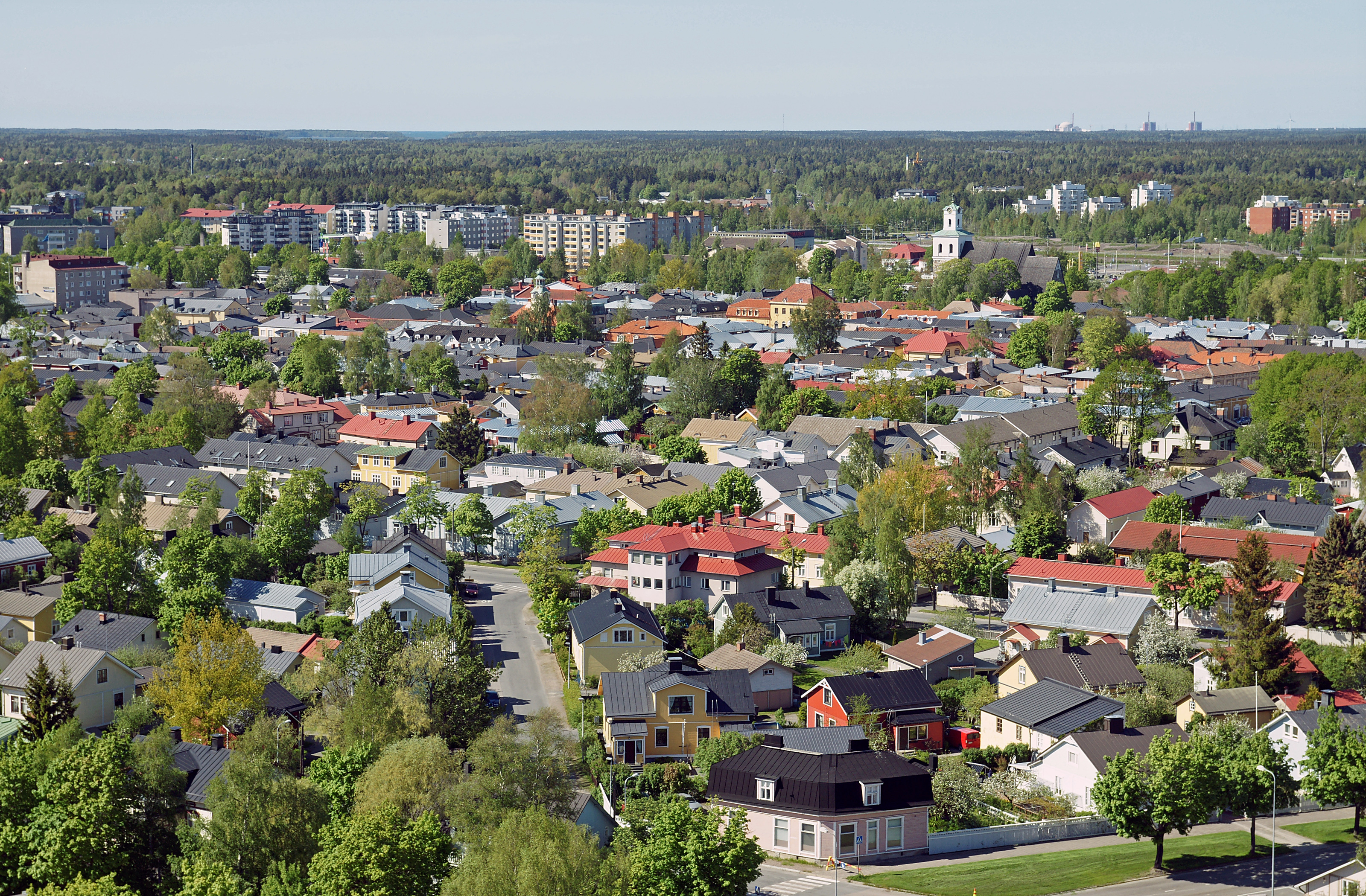
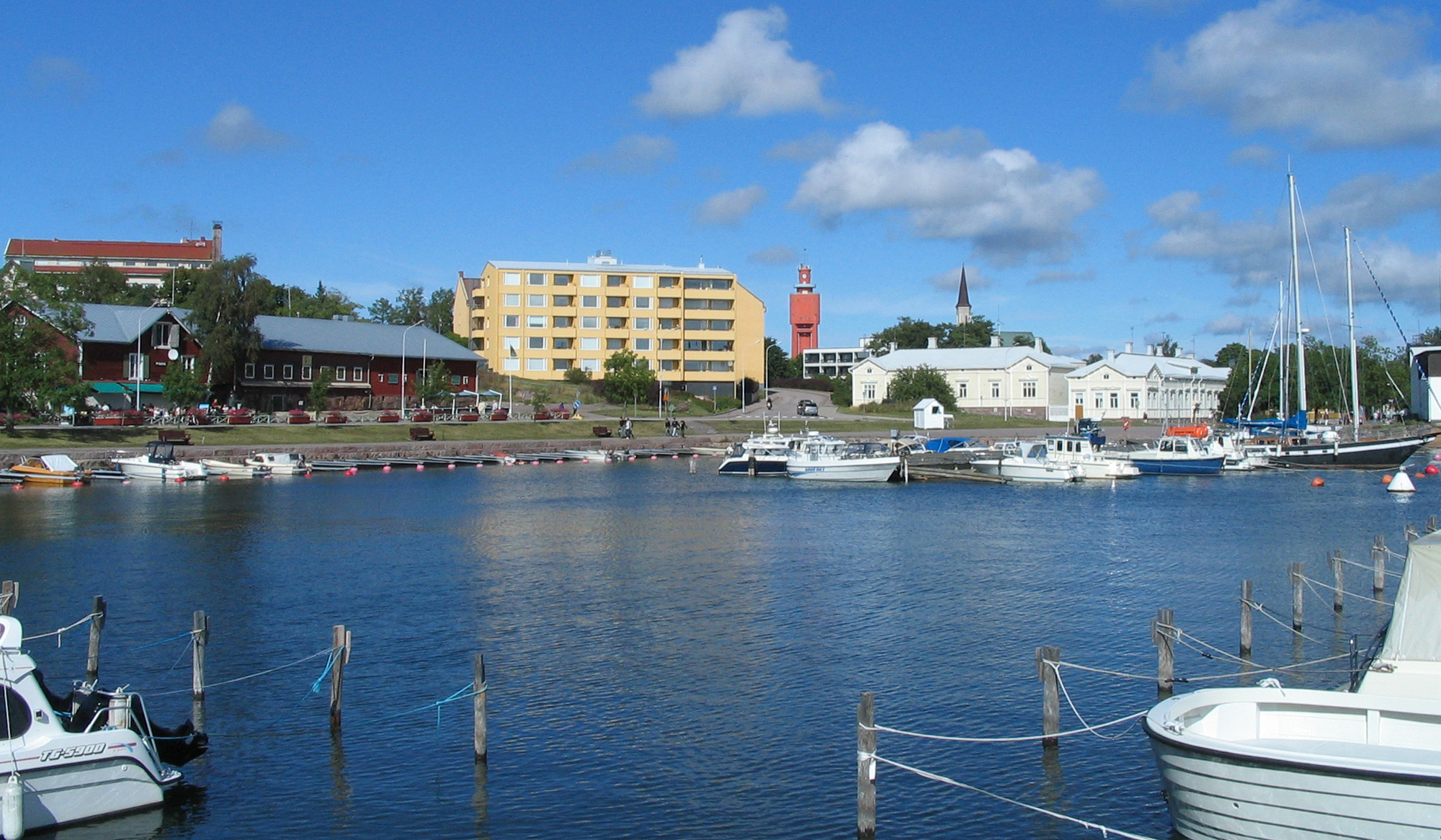

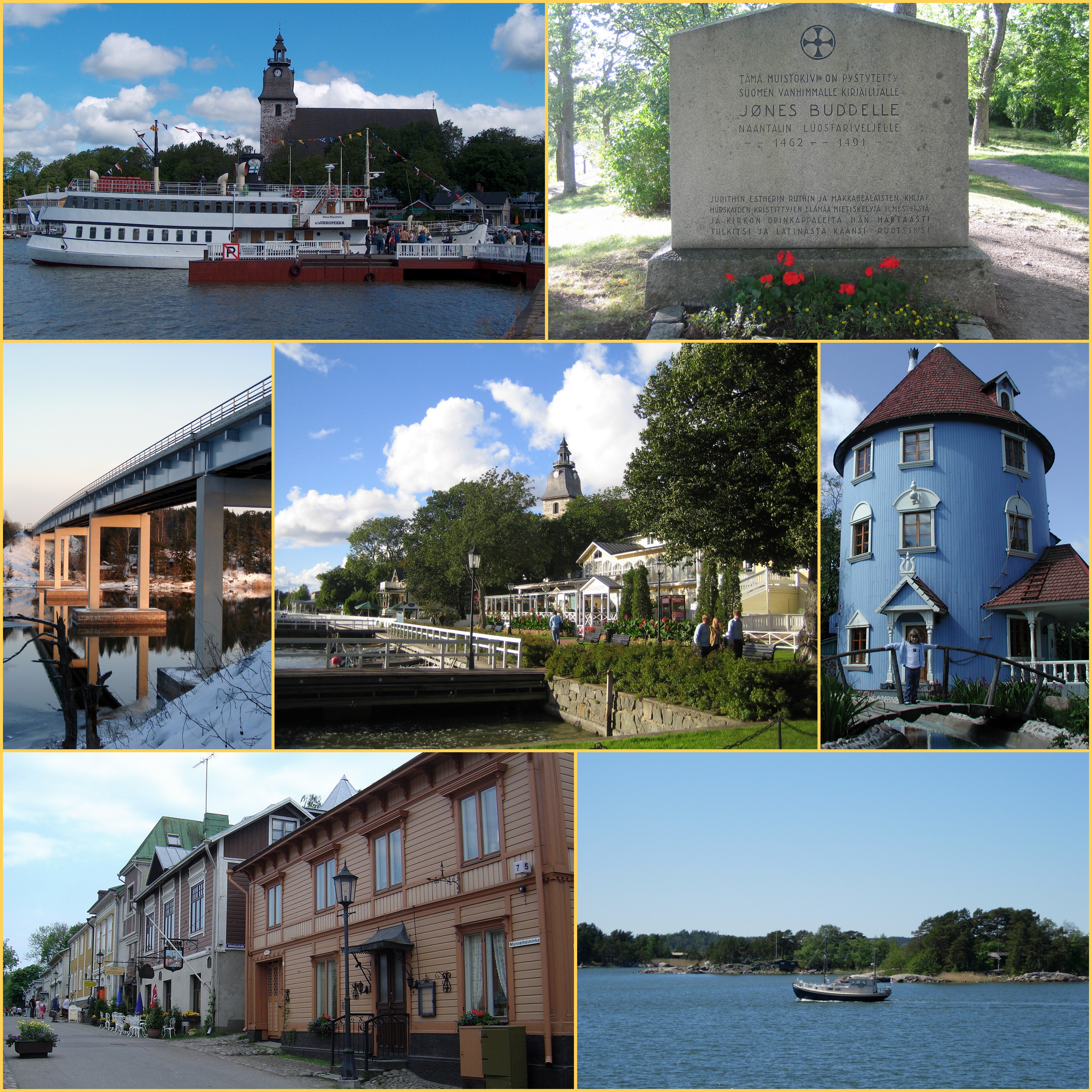

Proving you can support yourself when your own salary is a rounding error
The personal means requirement is modest: €1,220 per month for the main applicant, which is about $1,382. If you rely on savings, the annual figure is €12,000, roughly $13,950. For a spouse, add 50 percent, so another €610 a month. For each child, add 22.22 percent, or about €271. Those numbers are not what trips people up. What does is the documentation when your personal finances look like a startup founder's finances.
You might be living off savings, with no regular salary. You might have transferred money between accounts in ways that are hard to explain in a cover letter. The bank statements you submit need to show a stable balance over several months, not a sudden deposit the week before you apply. A large wire from an investor into your personal account, followed immediately by the application, will invite questions about whether that money is really yours to live on. If the funds are from a family member, a gift letter helps, but it must be clear the money is not a loan you have to repay.
The financial plan for the company is separate. Business Finland will look at whether the startup has enough runway to survive its first phase. Migri will look at whether you personally can afford to live in Finland without resorting to public funds. You need both narratives to hold together. If your company has raised a seed round, show the investment agreement and a clear allocation of funds between business operations and founder salaries. If you are bootstrapping, show personal savings that cover at least the first year, and explain how you will generate personal income after that. The permit is for two years, but the means test is not a one-time check. At renewal, you will need to demonstrate the same financial stability again.
Accommodation proof without a permanent address
The application requires proof of accommodation in Finland. A rental agreement is the cleanest option, but most founders do not have one before they move. A housing reservation from a serviced apartment provider or a long-stay rental platform can work, provided it covers at least the first few months. A hotel booking for two weeks will not. The Finnish Immigration Service wants to see that you have somewhere to live when you arrive, not a temporary landing spot while you search.
An accommodation certificate is another route. This is a form signed by a homeowner who confirms you will live with them. If you know someone in Finland, this can be the simplest solution. The certificate must include the address, the size of the dwelling, and the number of people already living there. Overcrowding can be a reason for rejection, so a one-bedroom apartment that already houses a family will not pass for an additional tenant.
What catches people off guard is the timing. You need the accommodation proof at the application stage, before you have the permit. That means committing to a rental or a housing arrangement without knowing for certain that you will be allowed to enter the country. Some applicants book a refundable apartment for a few months, submit that reservation, and then cancel or extend once the permit is approved. Others negotiate a lease with a clause that makes it conditional on the residence permit being granted. Both approaches work, but they require more effort than just uploading a document. The address you provide will also be used for your initial registration with the local authorities, so it should be a place where you can actually receive mail for the first weeks.
After the permit arrives: the first six weeks on the ground
The residence permit card gives you the right to enter Finland and stay. It does not set up your life. The first thing you need is a Finnish personal identity code. You get this by visiting the Digital and Population Data Services Agency. You will need your passport, your residence permit card, and your address. If you submitted a temporary accommodation proof, now is the moment to have a permanent address, because the code is tied to your municipality of residence.
With the identity code, you can open a bank account. The application does not require one, but you will need it to pay taxes, receive any salary from your own company, and handle daily expenses. Opening an account as a non-EU resident can take a few weeks. Banks will ask for your residence permit, your identity code, and proof of your business activity. Some branches are more familiar with startup founders than others. Helsinki and Espoo tend to be easier.
You also need to register with the tax administration for a tax card. Finland taxes residents on worldwide income, so your tax rate will depend on your total earnings. If you are paying yourself a salary from the startup, the tax card tells the company how much to withhold. If you are living off savings or investment income, you still need to file. The startup itself must be registered with the Finnish Trade Register. This is a separate process from the residence permit, and you can start it as soon as you have an address and a board. The permit allows you to work only for your own company, so do not take on freelance projects or part-time work elsewhere. The first six weeks are a scramble of bureaucracy, but the permit is valid for two years. You have time to get it right.
The four-year bet: PR, citizenship, and what happens if the startup stalls
The permit leads to permanent residency after four years of continuous residence. That is the inflection point. Until then, your right to stay depends on the startup remaining viable and on Business Finland renewing its approval. If the company runs out of money or fails to show progress, the permit will not be extended. You would need to find another basis for residence, such as a job with a Finnish employer, or leave the country. The four-year clock resets if you spend too much time outside Finland, so long absences can delay PR.
Once you have permanent residency, your status is no longer tied to the business. You can work for anyone, start something else, or not work at all. Citizenship comes after eight years of residence, with a language requirement and a clean record. The years spent on the startup permit count toward that total, so the path from arrival to passport is eight years if you stay continuously. In practice, many founders apply for citizenship as soon as they are eligible, because a Finnish passport gives you full EU mobility.
The risk is the gap between the two-year permit and the four-year PR mark. You will need at least one renewal, and possibly two if the business takes time to stabilize. Each renewal requires a new eligibility statement from Business Finland. They will look at what the company has achieved. A startup that is still pre-revenue after two years with no clear path to monetization will struggle. The permit is not a sandbox for indefinite experimentation. If you are serious about staying, the business needs to move from idea to traction within the first permit period.
Finland vs. the other startup visa that keeps coming up in conversation
Estonia’s startup visa is the one most founders compare this to. The Estonian process is faster and the bar for the business idea is lower. You can get a permit with a less developed plan and a smaller team. The trade-off is that Estonia’s permit does not lead directly to permanent residency. You need to transition to a different residence permit, usually based on employment or investment, and the path is less certain. Finland’s permit, by contrast, is designed as a settlement track. The four-year PR timeline is clear, and the permit is renewable as long as the business is active.
The Business Finland gate is the differentiator. It filters out ideas that would pass in Estonia but would not survive in a more competitive market. If you believe your startup can meet that standard, the Finnish permit offers a more stable long-term outcome. If you are earlier in your journey and want a base in Europe with minimal upfront scrutiny, Estonia might feel easier. The cost of that ease is that you will likely face a more complicated immigration situation later.
Tax is another factor. Finland taxes residents on worldwide income, with progressive rates that can reach above 50 percent for high earners. Estonia has a territorial system that does not tax retained corporate profits. If you plan to take a large salary or sell the company, the difference matters. But if your goal is citizenship and a permanent home in the EU, Finland’s path is more direct. The decision hinges on whether you want the permit to be a stepping stone or a foundation.
Work Permissions
Application Steps
- 1
📋 Research eligibility criteria
1-2 weeks
- 2
📄 Prepare team documents and plan
2-4 weeks
- 3
📬 Submit Eligibility Statement
- 4
⏳ Wait for positive statement
2-4 weeks
- 5
📬 Apply for residence permit
2 weeks (fast-track)
- 6
🏛️ Move to Finland post-approval
1-2 weeks
- 7
🏛️ Register company and operations
1-4 weeks
- 8
📬 Apply for permit extension
Frequently Asked Questions
Click any question to expand the answer.
Ready to Apply?
Work with trusted visa specialists who handle the paperwork so you can focus on your move.
Get help with this visa →* We may earn a commission if you apply through our link
At a Glance
Last verified: July 15, 2026