Overview
The No-Interview Trap
Estonia’s startup visa does not require an interview. That sounds like a gift when you are staring down a consular calendar. It is also the single biggest reason applications get denied.
Without a conversation, the paper you submit cannot have a single narrative crack. A consular officer who might have overlooked a two-month income gap with a quick question will instead flag it as incomplete. The entire weight of the application rests on the coherence of your bank statements, business plan, and client contracts aligning into one obvious story. Freelancers earning $4,000 to $10,000 a month often have messy income streams: multiple clients, payment processors, irregular payment dates. This visa does not let you explain that in person. The documents have to do the explaining.
The other thing hiding in the no-interview rule is that the process punishes hesitation. People sometimes hold back a document they think is weak, hoping the rest will carry it. That backfires. The evaluation is holistic and fast. If something is missing, the reviewer is not going to schedule a polite call. You get a rejection and start over. So the prep phase demands a level of frankness most people are not used to: if a bank statement shows a dip, address it with a cover letter or supplementary contract. If a client payment came through PayPal instead of a bank transfer, reconcile it with a transaction log. The story has to pre-empt every doubt, because doubt does not get voiced, it gets stamped.
This is not a retiree visa. Pension income is not recognized, so the math only works for people with active business or freelance earnings. That filters out a lot of would-be applicants. If you are a US freelancer with a consistent roster of clients, this is the lane. If you are living off investments or a 401(k), it is a dead end.
Eligibility Requirements
Requirements Checklist
Tax Information
Tax obligations vary by country and visa type. Most countries require visa holders to pay income tax on income earned within the country.
Some countries offer favorable tax regimes for remote workers and digital nomads, with reduced rates or tax exemptions for foreign-sourced income.
Consult a tax professional familiar with both your home country's laws and the host country's regulations.
Living in Estonia
COL Index vs NYC
49.4
Monthly Cost (excl. rent)
$1,022
1BR Rent (City Center)
$636
Safety Index
76.3
Healthcare Index
75.5
Quality of Life Index
185.7
Time Zone
UTC+02:00
Capital
Tallinn
Population
1.3M
Official Languages
Estonian
Avg Internet Speed
94 Mbps
Public Transit Quality
Good
With a budget covering rent and living costs, you'd need roughly $1,658/mo for a comfortable single-person lifestyle in Estonia.See how far your money goes →
🏙️ Best Cities in Estonia for Freelancers
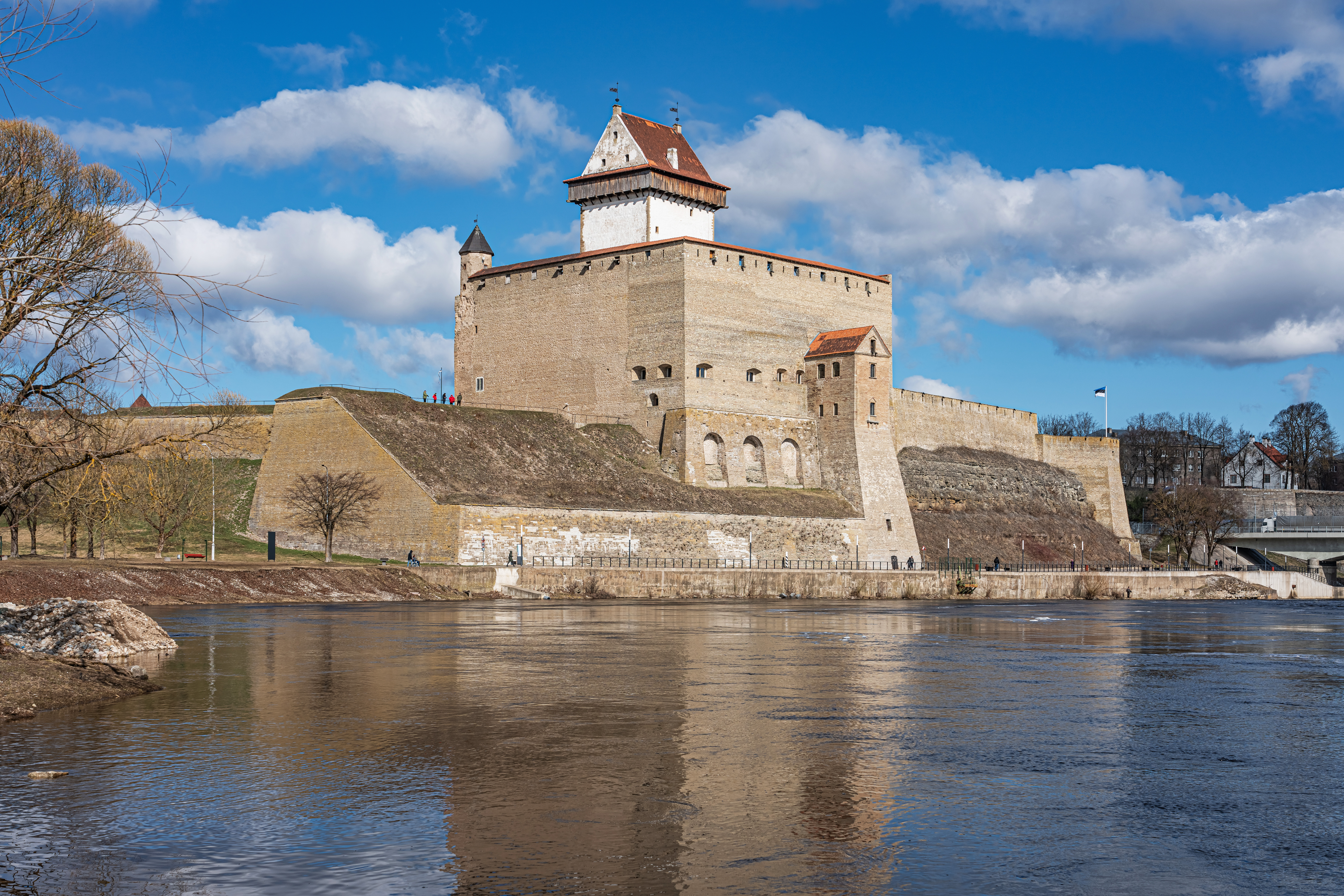 69
69 71
71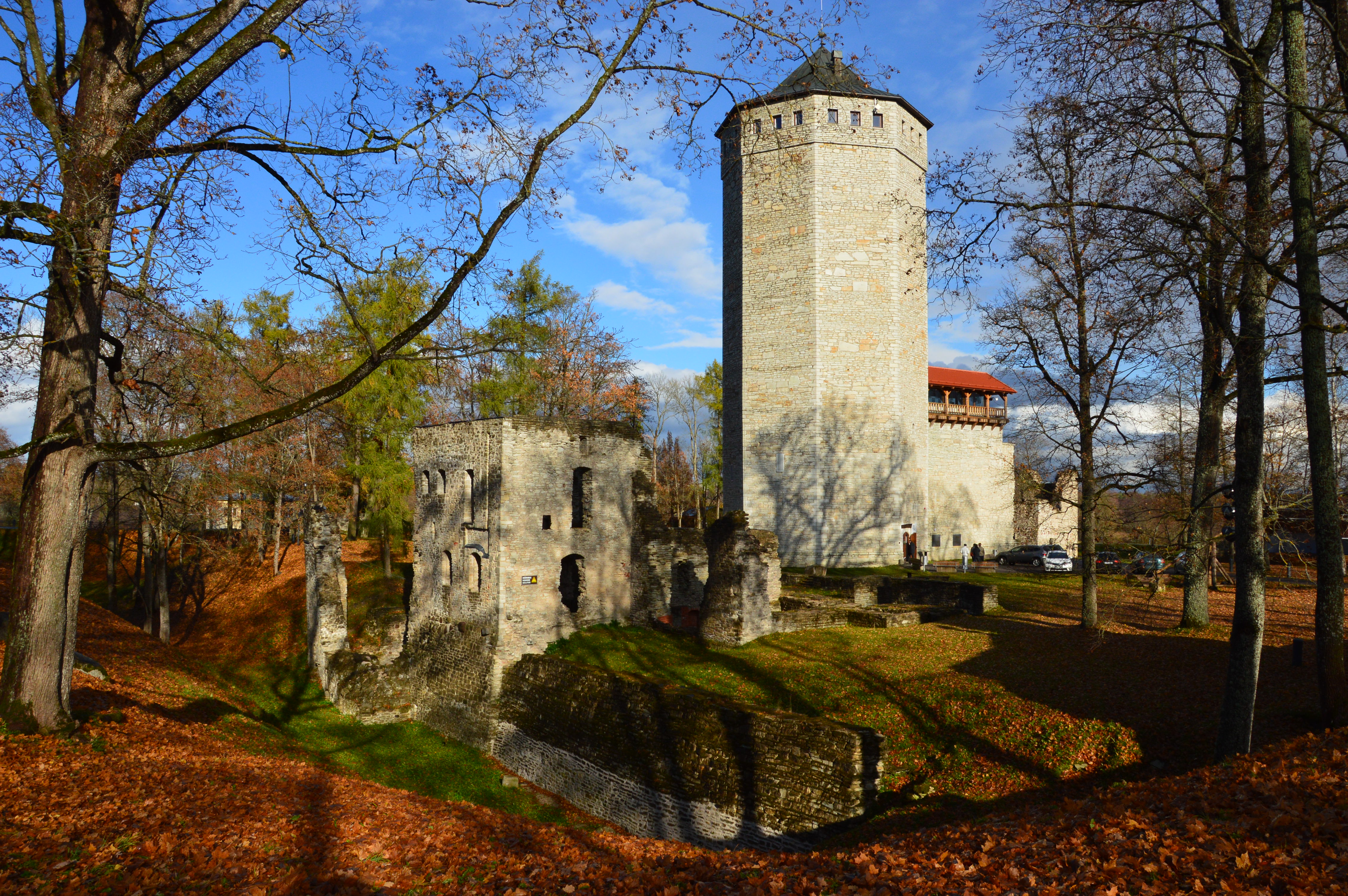 ✦ 79
✦ 79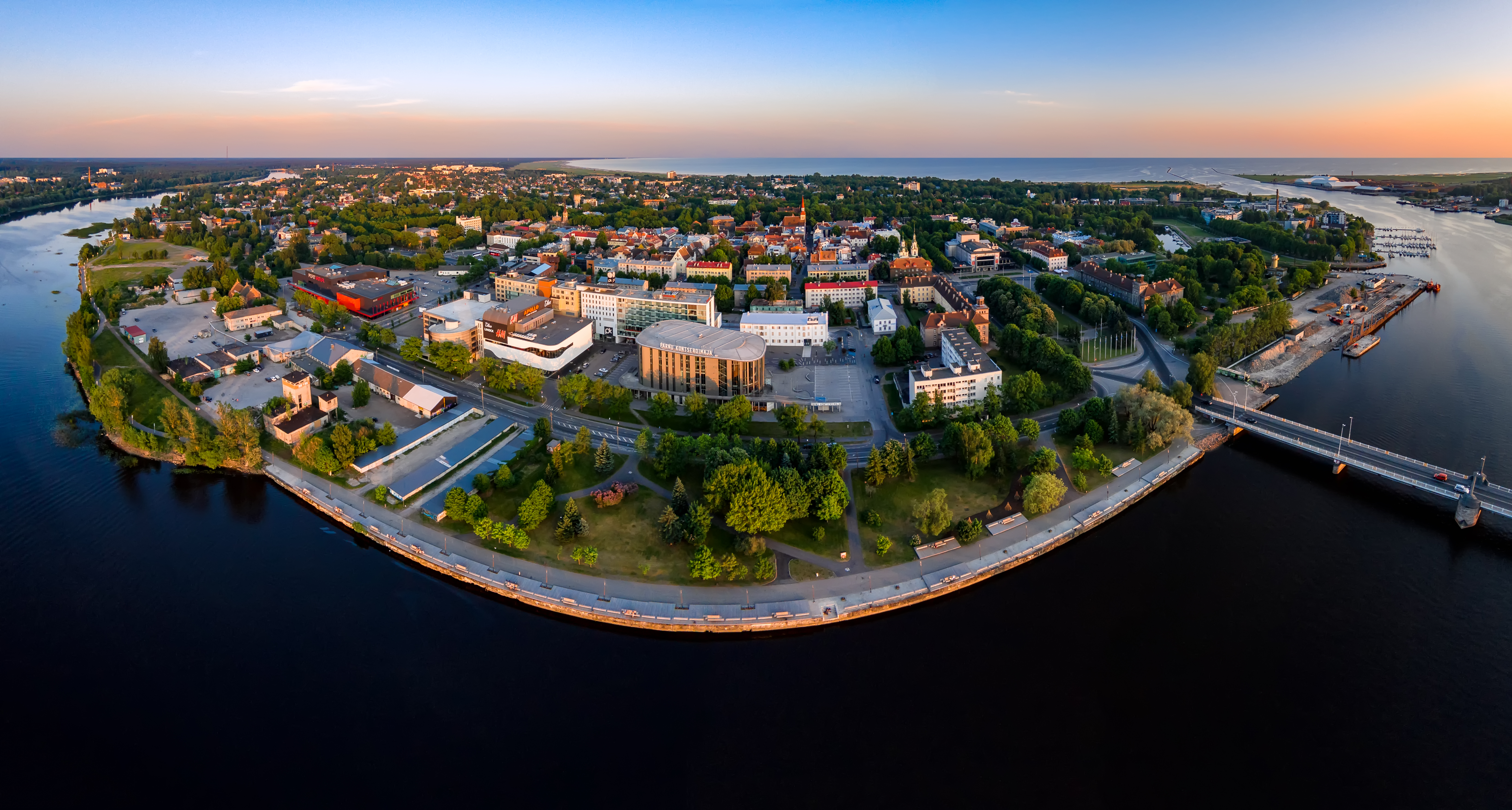 ✦ 75
✦ 75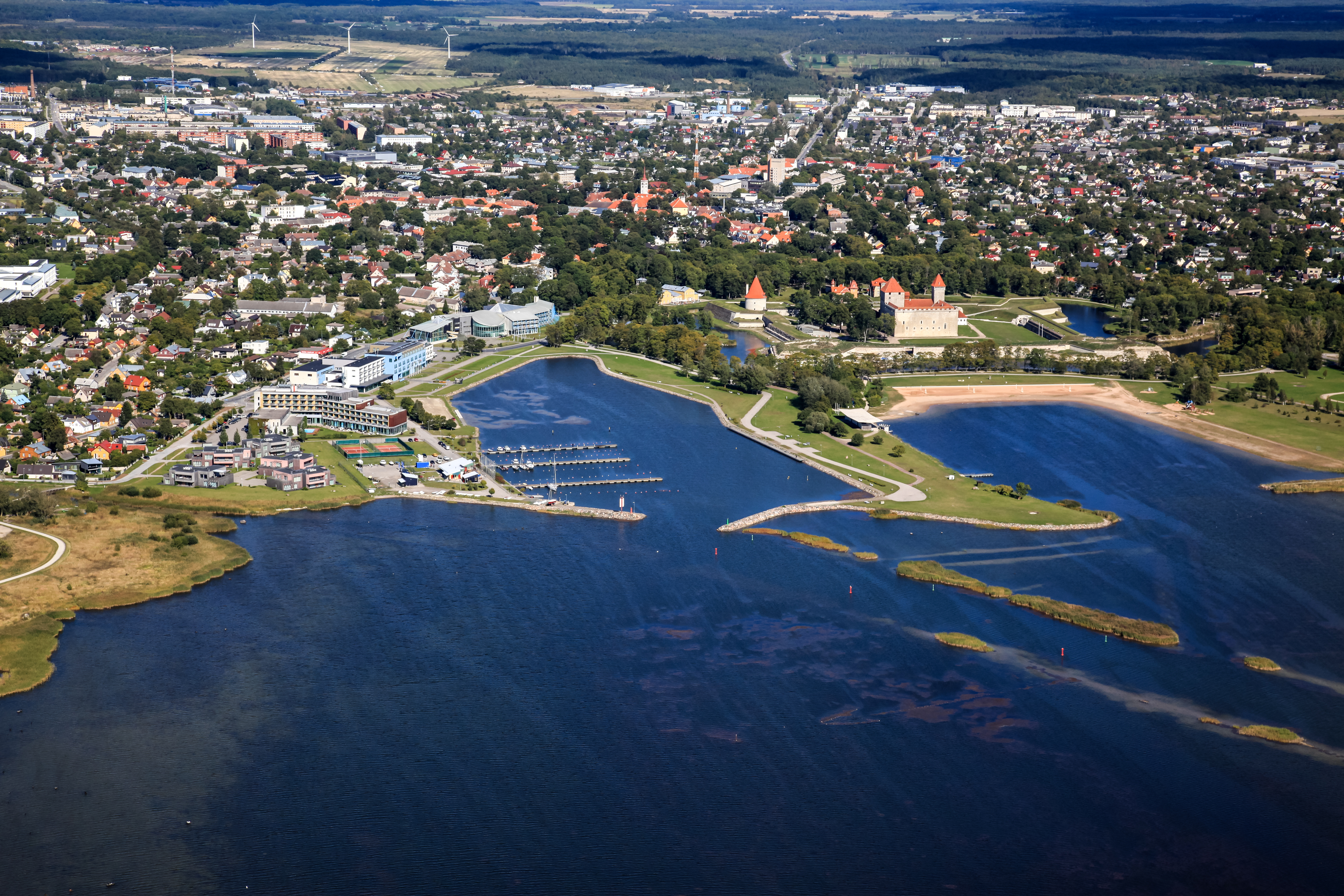 74
74 71
71What an Apostille-Free Filing Actually Means
There is no apostille requirement. For anyone who has endured the US state-level apostille gauntlet for a previous visa, that alone shifts the timeline. You are not routing documents through a secretary of state, not chasing notary seals, not wondering if the FBI channeler got the formatting right. For the Estonia startup visa, you skip that entire layer of authentication.
But that absence changes the scrutiny. Apostilles are external validity stamps. When they are not required, the reviewing body has to trust that your documents are genuine based on internal consistency alone. A bank statement from a US institution should clearly show its origin, a business registration certificate should look like what it is, and tax returns should match the income you claim. The lack of apostille means you gain speed. It also means you cannot hide behind a government seal and assume the rest will slide. The application’s credibility lives and dies on the plain documents.
Concretely, this means you should pull bank statements directly from the financial institution’s portal, not edited PDFs. Submit tax transcripts, not accountant summaries. The simpler and more direct the evidence, the less room for doubt. If your country’s documents are in English, that is ideal. If not, certified translations without apostilles are fine. The processing team sees this all day. They notice when something feels off even without a formal verification chain.
Lining Up Your Income Story Before You Apply
The income documentation is the part that people assemble last, and it should be assembled first. Because the visa does not require an interview and there is no pension income recognition, every cent of living costs and business viability has to be evident from the numbers you provide.
Freelancers often think in terms of gross revenue. The visa evaluator thinks in terms of sustainable net income after expenses, taxes, and the cost of operating a business in Estonia. The difference between those two numbers gets people rejected. If you make $6,000 a month but spend $2,000 on subcontractors and software, the effective income might not meet the unstated bar. The solution is not to hide expenses but to frame them. A clean profit-and-loss statement alongside the bank records tells the same story the interviewer would have teased out in ten minutes.
Retroactive income proof is tricky. The visa is not looking for a one-time lump sum but a pattern. Six months of steady deposits from the same three clients is a stronger signal than twelve months of erratic spikes. If your income just crossed the threshold recently, it might be wise to wait another quarter before applying. The absence of an interview means you cannot argue that the new client is locked in for a year. The paper has to show the trend.
Client contracts matter more than most people assume. A signed agreement with a renewal clause and clear payment terms can offset a bank statement that shows a seasonal dip. The evaluator is not just checking if you earned money last month, they are checking if you will likely earn money next month and the month after, once you are living in Tallinn. That forward-looking judgment is where the business plan and the contracts overlap.
The Post-Approval Sprint No One Talks About
Visa approval is not the finish line. There is no medical exam, no FBI background check, and no interview, so the pre-arrival phase feels deceptively light. Then you land and discover the actual administrative gauntlet starts at a government service office.
The main tasks are registering a residence address and activating your tax ID. These steps are sequential and each one has a documentation dependency. A rental agreement becomes the key that unlocks everything else. But a short-term Airbnb booking does not work. You need a formal lease, often registered in the population register, to satisfy the address requirement. Getting that lease signed when you are standing in a new city with a fresh visa stamp is a stress test. The landlords who are willing to sign a proper registration-eligible lease are not the same ones who rent to tourists. You are now competing in the local housing market on local terms.
Banks add another layer. Opening a business bank account with an Estonian IBAN can take weeks, and the bank will want to see your registered address, your tax number, and a clear description of your business activity, even if you already have a US LLC. The compliance review is strict. Planning to live off a Wise account or a US bank card for the first two months is not a backup, it is the baseline. The real timeline from landing to a fully operational legal presence is closer to six to eight weeks, not two.
Estonia Versus the Other Startup Hubs
When you compare this to the most obvious European alternatives, the calculation is not about which country has the bigger tech scene. It is about process load.
Estonia’s lack of an interview, apostille, medical exam, and FBI check removes months of prep time and thousands of dollars in ancillary costs. For a solo freelancer running a one-person operation, that speed and simplicity can be the deciding factor. You are not building a 50-person team, you are moving your laptop. The other startup visa routes in Europe often require in-person appointments at consulates that are booked months out, or demand police clearance certificates from every country you have lived in over the past decade. That friction filters out people who do not have administrative stamina. Estonia filters for people who can document their income clearly and move fast.
The trade-off is that the business scrutiny, while not occurring in an interview, shifts into the documentary review. You need a sharper, more internally consistent application than you would for a visa where a human can ask clarifying questions. If your freelance income comes from a mix of platforms, crypto, and irregular contracts, the no-interview process can become a liability. The people who thrive in this system are the ones whose financial lives already look audit-ready.
Work Permissions
What's typically permitted:
Application Steps
- 1
Research
Verify all requirements for this visa type and country
- 2
Gather documents
Obtain all required documents (passport, financial statements, health insurance, etc.)
- 3
Complete application
Fill out the official application form
- 4
Submit application
Submit all documents to the appropriate consulate or online portal
- 5
Pay fees
Complete payment of application and visa fees
- 6
Attend interview
If required, attend any scheduled interviews
- 7
Wait for decision
Processing times vary from weeks to months
- 8
Travel and activate
Once approved, travel to the country and complete any activation requirements
Frequently Asked Questions
Click any question to expand the answer.
Ready to Apply?
Work with trusted visa specialists who handle the paperwork so you can focus on your move.
Get help with this visa →* We may earn a commission if you apply through our link
At a Glance
Last verified: June 8, 2026