Dominican Republic Retirement Visa
Dominican Republic · Latin America
Data updated Sep 3, 2026
Min Monthly Income
$1,500
Application Fee
$150
Processing Time
3 wks–4 wks
Difficulty
Moderate
Duration
12 months
Overview
Income is the gating factor: you must show at least 1,500 USD/month in guaranteed pension income to qualify, and that income must be pension-type, not salary, business profits, or portfolio dividends. The program is designed for retirees, so investment income, rental income, and remote work pay fall outside the core "pension" category for this specific route; those streams fit better under the Dominican Rentista or Investor pathways, not this Retirement Visa. Income from a US Social Security pension or a defined-benefit/defined-contribution plan is generally treated as pension income in practice, but the official rules name only "pension" as an allowed source.
On the process side, expect moderate friction. You pay around 150 USD in application fees (as of 2026) and wait 3–4 weeks for a decision once your file is accepted. The checklist includes proof of pension, health insurance valid in the Dominican Republic, and evidence of a local bank account, which can be annoying to open from abroad. Unlike many Latin American programs, the published data for this visa shows an apostille requirement, no FBI background check, a required medical exam, and no consular interview, so the bureaucracy score of 2.425/5 reflects paperwork volume rather than deep security vetting.
The first card is a 12‑month residence permit that is expressly renewable, and this status does not lead directly to permanent residency, remaining a renewable temporary residence status. In practice, that means you are treated as a resident, not a long-stay tourist, as soon as the visa is granted and the residence card issued. Years to citizenship are listed as 2, which is unusually short by regional standards, so a retiree planning a 3–5 year relocation can realistically factor Dominican naturalization into their long-term planning if they are ready to meet the presence and integration requirements set by Dominican authorities.
The trade-offs around time in-country are less clear. Someone splitting their year among three countries cannot rely on a published 183‑day or 6‑month rule for this visa. What is clear is that local employment is not permitted under this visa, and income sources are limited to pension, so you cannot legally supplement your income with Dominican employment even if you spend all 12 months in-country.
This route makes the most sense if you have at least 1,500–2,500 USD/month in pension income, want immediate residency status, and are comfortable not working locally while using the visa as a base for at least 2 years of life in the Dominican Republic. It is a poor fit if most of your 2,000–5,000 USD/month cash flow comes from rentals, dividends, or active consulting rather than a pension, or if you insist on keeping a local salaried or employer‑of‑record job.
Eligibility Requirements
Any nationality can apply for the Dominican Republic Retirement Visa in principle, as the structured rules list nationality restrictions as “all”. In practice, applicants holding passports from sanctioned or high‑risk countries such as Iran, Syria, North Korea, or, depending on current geopolitical developments, Russia or Cuba, can run into consular refusals, enhanced security checks, or banking denials when trying to open the required local account. Before compiling your full document package, confirm current eligibility and any special procedures directly with the Dirección General de Migración (Dominican Republic General Directorate of Migration), which is the competent immigration authority.
Min Income
$1,500
Application Fee
$150
Min Age
50 yrs
practical
Duration
12 months
Pension / Social Security
+16.67% per adult · +16.67% per child
Requirements Checklist
• Identity: Valid passport (minimum 18 months validity); completed residence/retirement visa application form; four 2"x2" passport-style photographs; birth certificate (original, legalized/apostilled); marriage certificate or proof of marital status, if applicable.
• Financial: Official pension/retirement income certificate showing lifetime benefit and minimum required monthly amount; recent bank statements showing pension deposits; certification from a Dominican bank confirming a local account; proof that pension can be transferred to the Dominican Republic.
• Health: Medical examination certificate stating no contagious or infectious diseases; proof of Dominican health insurance or travel/medical insurance from an approved provider.
• Background: Police clearance certificate or criminal record certificate from country of origin and/or countries of residence for the past five years, legalized/apostilled.
• Other: Residence Visa (RS) issued by a Dominican consulate; letter of guarantee from a Dominican citizen or resident or equivalent insurance guarantee, if required by authorities.
• Translation: Certified Spanish translations of all foreign-issued documents; notarization and, where applicable, legalization/apostille of originals and their translations.
Tax Information
Local tax regime and what it means for you
The Dominican Republic runs a territorial tax regime. Under territorial rules, only Dominican‑source income is taxed: salary for work physically performed in the country, business profits generated there, and rental income from Dominican property. Foreign‑source income such as a US pension, Social Security, ETF dividends from a US or Canadian brokerage, and rental income from a property in Texas or Ontario is generally outside the local tax base for non‑domiciled residents, especially in the early years of residence. For a Retirement Visa holder living on 1,500–4,000 USD/month of foreign pension and portfolio income, local income tax on that foreign cash flow is usually 0.
Capital gains on foreign investments, such as selling index funds or ETFs held in a US brokerage, fall under the same territorial logic: gains on assets located abroad are in principle exempt under territorial rules for non‑domiciled residents, so the gain is not taxed in the Dominican Republic if the asset and broker are foreign. Dominican‑source capital gains, such as selling a local property or Dominican shares, can be taxed at the standard local rates. Detailed statutory wording on foreign capital gains treatment for long‑term residents varies by case, so anyone planning large asset sales after becoming clearly Dominican‑resident should get individualized local advice.
Tax residency in the Dominican Republic is not tied to one published rule, and the standard 183‑day threshold is not the sole determining factor. The Retirement Visa itself does not impose a disclosed day‑count presence rule, so tax residency is more about factual residence and days on the ground than the immigration label printed on your card. Local registration, tax ID issuance, and filing deadlines vary by individual circumstances; in practice, once you are spending substantial portions of the year in the country and holding a residence permit, you should expect to interact with the tax authority and file annual returns reporting Dominican‑source income.
The Dominican Republic's Tax Regime Type is territorial and it has no income tax treaty with the US. This means you cannot rely on a bilateral income tax treaty to sort out pension or Social Security taxation; you must assume US domestic rules apply in full, and the Dominican side may or may not grant relief depending on internal law rather than a treaty. The status of Social Security or other pensions under any treaty is therefore not something you can safely plan around without checking current treaty texts and local practice.
For US Citizens and Green Card Holders
A US citizen or green card holder on the Dominican Republic Retirement Visa remains fully taxable by the IRS on worldwide income. The territorial nature of Dominican tax means your foreign‑source retirement and investment income is often taxed at 0 locally, but that does nothing to reduce US liability.
The Foreign Earned Income Exclusion (FEIE, Form 2555) only applies to earned income: remote salary, self‑employment, or consulting income, up to 132,900 USD in 2026. Retirement Visa rules prohibit local work and limit qualifying income to pensions, so many applicants will have little or no earned income to shelter with FEIE. If you do keep a remote W‑2 or 1099 income stream while spending 330+ full days out of the US in any 12‑month period, you can invoke the Physical Presence Test; the Bona Fide Residence Test is harder to rely on because your long‑term ties might remain in the US even with Dominican residency.
For most retirees on this visa, the Foreign Tax Credit (FTC, Form 1116) offers limited help. When local tax on foreign‑source income is effectively 0 under territorial rules, there is no Dominican tax to credit against US tax on your US pensions, Social Security, or portfolio income. FTC becomes relevant only if you generate Dominican‑source income that the local authorities tax at a positive rate and that the US also taxes.
FBAR (FinCEN 114) obligations are crucial here because a local bank account is explicitly required for the visa. Once the aggregate value of all non‑US financial accounts exceeds 10,000 USD at any point in the year, you must file an FBAR electronically with FinCEN. FATCA Form 8938 may also apply at higher thresholds, separate from FBAR. Non‑willful FBAR penalties now start around 16,700 USD per unreported year as of 2026, so ignoring that new Dominican account is expensive.
In practice, a US retiree on this visa should engage two specialists early: a US CPA who focuses on expat taxation (FEIE, FTC, FBAR, FATCA, and pension/Social Security interaction) and a Dominican tax advisor who knows how territorial rules are applied to foreign pensions. The 1,500–3,000 USD spent in year one on coordinated advice is often recovered through correct FEIE/FTC elections, avoiding duplicate tax on mixed income, and steering clear of five‑figure FBAR and information‑return penalties.
Living in Dominican Republic
COL Index vs NYC
34.3
Monthly Cost (excl. rent)
$654
1BR Rent (City Center)
$706
Safety Index
38.6
Healthcare Index
44.6
Quality of Life Index
116.3
Time Zone
UTC-04:00
Capital
Santo Domingo
Population
10.8M
Official Languages
Spanish
Avg Internet Speed
108 Mbps
Public Transit Quality
Fair
With a budget covering rent and living costs, you'd need roughly $1,360/mo for a comfortable single-person lifestyle in Dominican Republic.See how far your money goes →
🏙️ Best Cities in Dominican Republic for Retirees
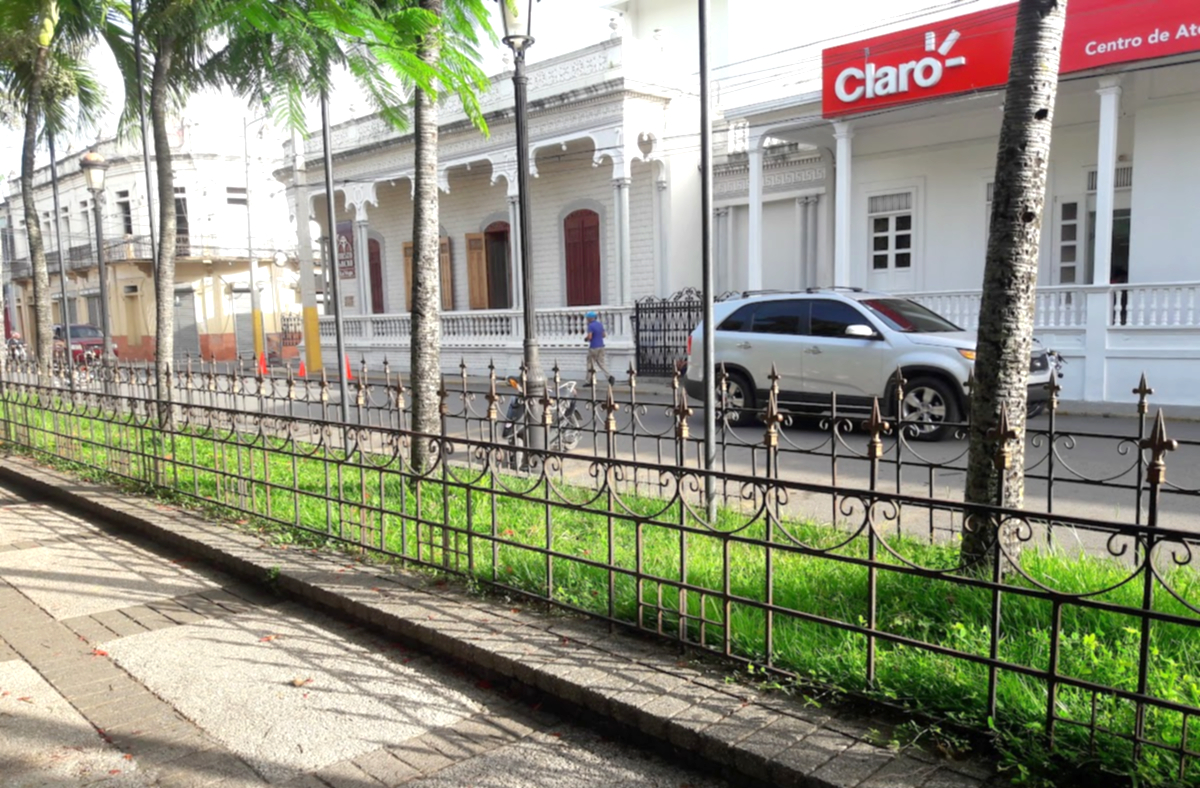 59
59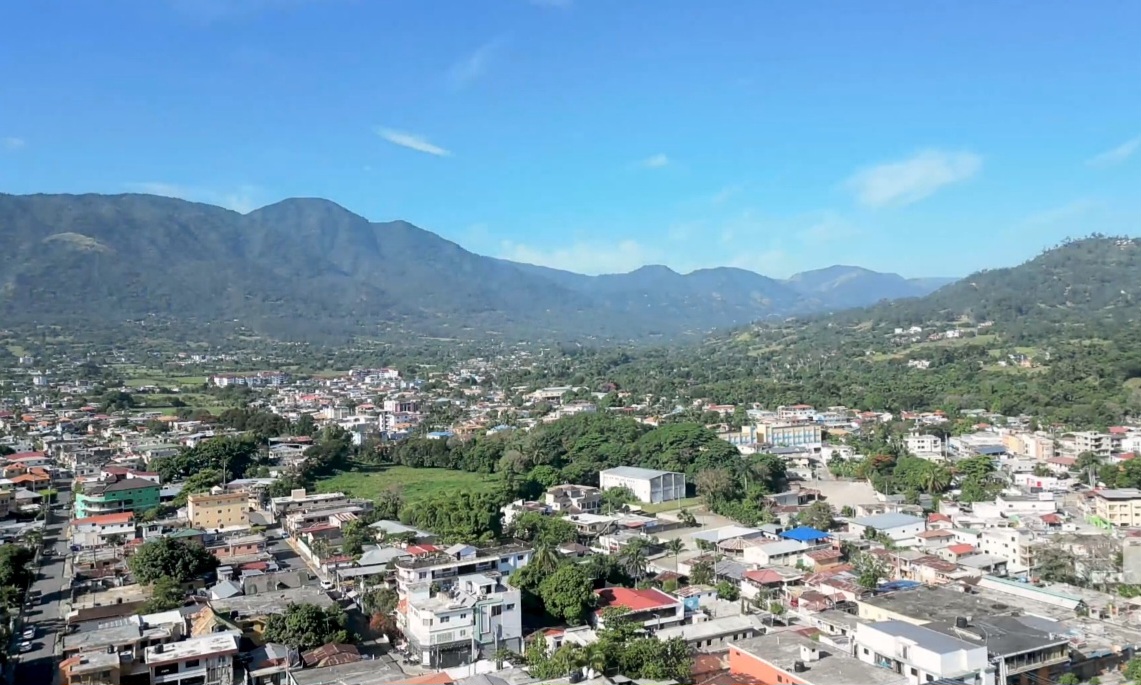 59
59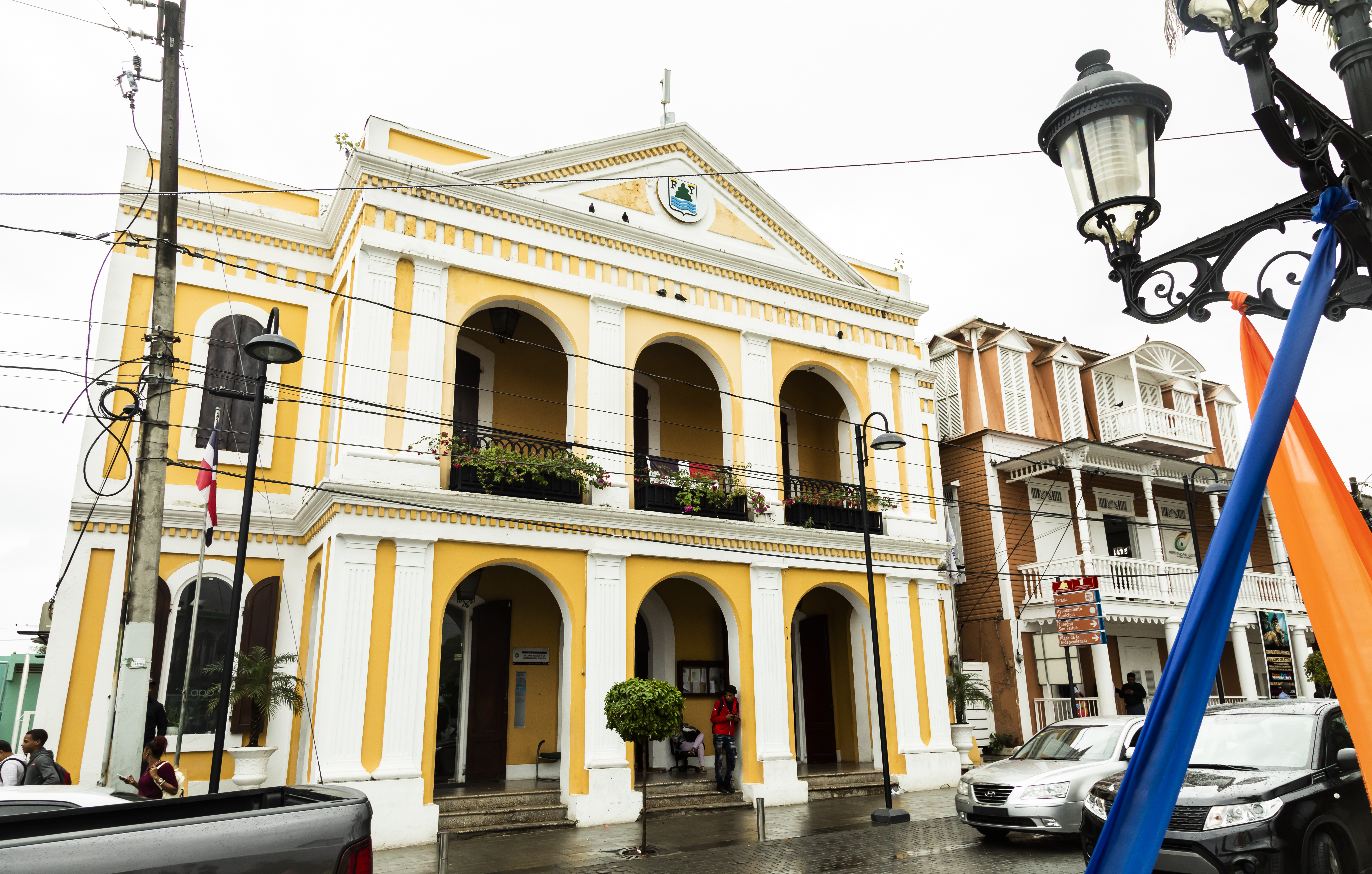 71
71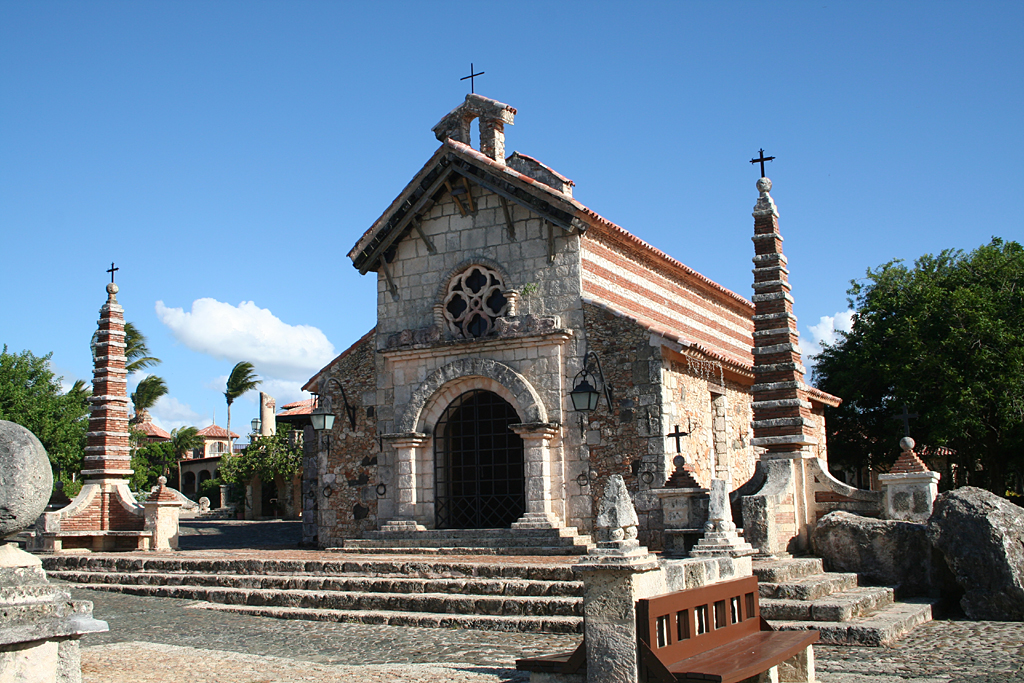 60
60Establishing local ties before you've moved
The part of this application that surprises people isn't the income test, it's the requirement to have a footprint in the country before you're a resident of it. You need a Dominican bank account certified by the bank itself, and depending on how the file is reviewed, a letter of guarantee from a Dominican citizen or resident, or an equivalent insurance guarantee standing in for one. Both of those assume some prior connection to the country that a first-time visitor usually doesn't have.
The bank account is the more manageable of the two. Dominican banks will open accounts for prospective residents holding a tourist visa, but the process usually wants you physically present, which means a preliminary trip before the formal filing, not during it. People who try to file everything remotely often end up stuck waiting on a bank certification that simply can't be produced without a signature in a branch.
The guarantee letter is where things get uneven, because whether it's required depends on how the receiving office is treating your file that month. Some applicants sail through without one. Others get asked for it midway through review, after they've already submitted everything else, which turns a clean submission into a second round of collecting notarized signatures from someone willing to vouch for a stranger's residency. If you don't already know a Dominican citizen or established resident, the insurance-guarantee alternative is worth pricing out before you file, not after an officer asks for it.
What happens after the visa is approved
Approval abroad gets you a Residence Visa stamped by a consulate, not a resident of the Dominican Republic. That happens on the ground, after you enter. The visa gets you in the door; the in-country steps, including collecting your residency card, are what actually convert the paper into something you can use to open accounts, register a vehicle, or prove your status if a police officer asks for it on the street.
People underestimate the gap between those two moments. A stamped visa lets you enter and start the clock, but until the card is in hand, plenty of daily-life bureaucracy still treats you like a tourist with a longer leash. It's worth budgeting real time, and a real trip, for the in-country half of this, rather than assuming the hard part ended at the consulate. The $150 fee covers the filing itself, whether that filing happens at a consulate abroad or, for those already in the country on a tourist visa, directly at the immigration office. Filing in-country skips a round trip but means living with tourist-visa uncertainty while the three-to-four-week review runs.
The long-term path, and where the paper timeline gets ahead of reality
On paper, the retirement visa leads to permanent residency, and citizenship becomes available after two years. Those numbers describe the legal minimum, not the lived timeline. The initial permit runs twelve months and renews from there, and each renewal cycle is its own small paperwork event, new bank certifications, updated proof the pension is still being paid, sometimes a fresh police clearance if enough time has passed since the last one. None of that shows up as a line item anywhere, but it's the actual texture of holding this status year over year.
The two-year citizenship figure is worth treating as a floor, not a schedule. Naturalization timelines shift with how consistently you've maintained the residency status underneath them, whether renewals happened on time, and whether any document in the file has lapsed in the meantime, an expired police clearance, an insurance policy that wasn't renewed. People who plan for citizenship at year two assuming a straight line from approval tend to get caught by a renewal gap somewhere around year one that they didn't budget time for.
Local work isn't part of this equation at any point in the process. If income depends on anything beyond the pension itself, that has to be structured to work while contributing nothing to your local status.
The Dominican Republic against the obvious retiree alternative
For a US retiree comparing options, this usually comes down to the Dominican Republic against Panama's Pensionado program, and the honest answer is that the choice is less about the visa and more about how much administrative friction someone can tolerate for how much lifestyle gain. The Dominican Republic's income bar, $1,500 a month, sits low enough that most Social Security recipients clear it without stacking anything else on top, and there's no medical exam or interview standing between the file and approval, which removes two of the more unpredictable steps other countries build in.
What the Dominican Republic asks for instead is local integration earlier than most alternatives do, the certified bank account, potentially a guarantor, all before residency is even granted. Panama tends to ask for more income but less local entanglement up front. Neither is objectively easier; they front-load different kinds of friction. Someone who already has, or can quickly build, a personal or financial connection to the Dominican Republic, a bank relationship, someone willing to guarantee them, will find this a faster process than the income threshold alone suggests. Someone starting from zero local connection, filing entirely from abroad with no prior visits, will find the local-ties requirements slow things down in ways the fee and timeline don't hint at.
The other factor worth weighing honestly: local work isn't permitted under this status, so anyone who imagines easing into part-time consulting on the ground needs to structure that income as something earned and taxed elsewhere, arriving into a territorial system rather than being generated locally. That's a different planning conversation than the one the visa application itself forces you to have, and it's worth having before, not after, the residency card is issued.
Work Permissions
Application Steps
- 1
📋 Verify pension income eligibility
1-2 days
- 2
📄 Gather required identity documents
1 week
- 3
📄 Obtain health insurance coverage
2-3 days
- 4
📋 Open local bank account if applicable
- 5
📬 Submit application to consulate or immigration
Same day
- 6
⏳ Wait for visa approval
3-4 weeks
- 7
🏛️ Enter Dominican Republic on visa
- 8
🏛️ Finalize residency and get ID
1-2 weeks
Frequently Asked Questions
Click any question to expand the answer.
Ready to Apply?
Work with trusted visa specialists who handle the paperwork so you can focus on your move.
Get help with this visa →* We may earn a commission if you apply through our link
At a Glance
Last verified: May 13, 2026