Dominican Republic Rentista / Pensionado Visa
Dominican Republic · Latin America
Data updated Sep 14, 2026
Min Monthly Income
$1,500
Application Fee
$10
Processing Time
~5 days
Difficulty
Easy
Duration
12 months
Path to Citizenship
2 years
Overview
Qualification for the Dominican Republic's Pensionado and Rentista categories hinges on a specific type of income, not just an amount. The DR isn't asking whether you earn enough - it's asking whether your income comes from the right source. Pension income, passive investment returns, dividends, rent from foreign property: these qualify. A salary from a remote employer, freelance contracts, consulting revenue: these don't. That distinction is the actual decision you're making when you choose this visa over other paths, and if your income is primarily earned rather than passive, the Rentista category isn't available to you regardless of how much you make.
The profile that sails through this process is someone with a defined-benefit pension, a substantial investment portfolio generating documented monthly distributions, or significant rental income from foreign property - ideally all three of these things already flowing into a bank account with clean paper trails. The profile that struggles is the freelancer or remote employee who has been mentally categorizing their income as "passive-ish" because it doesn't feel like a traditional job. That's not what passive means here, and the DGM will not be persuaded by creative framing. The profile in the wrong category entirely is anyone whose income is primarily W-2 or 1099 earned income with no meaningful investment or pension component - that person should be looking at a different visa structure from the start.
The thing most applicants don't fully work out before they apply is how the Dominican Republic's tax rules interact with their existing obligations. The DR is not a pure territorial tax system, and the three-year grace period on foreign income has a significant carve-out: foreign investment income - dividends, interest, certain capital gains - can be taxable from the moment you become tax-resident, not after three years. Combined with the absence of any U.S.-DR tax treaty, this means the coordination between your U.S. filing obligations and your Dominican exposure requires actual professional advice, not a general assumption that moving abroad simplifies your taxes.
What this visa unlocks, for the right income profile, is a relatively direct path to citizenship in a country with a low cost of living, no minimum age requirement, and a two-year timeline to naturalization eligibility that very few comparable programs in the region can match.
Eligibility Requirements
Min Income
$1,500
Min Investment
$200,000
Application Fee
$10
Duration
12 months
Max 0% from local sources
Requirements Checklist
Valid passport with at least 6 months validity
Proof of sufficient income (bank statements, employment contract)
Health insurance covering the entire stay
Clean criminal background check
Completed application form with all required documents
Proof of accommodation in the country
Apostille required on official documents
Tax Information
Dominican Republic Tax Residency - What Actually Falls in Scope
The Dominican Republic taxes residents on a territorial basis, but with a caveat that matters a lot for passive income: foreign investment and financial income - dividends, interest, certain capital gains - can be taxed from the moment you become a resident, even before the three-year grace period on other foreign income runs out. That distinction is easy to miss, and for a US remote worker or retiree whose income comes primarily from a brokerage account or rental property, it's the one that bites first.
Tax residency triggers when you spend more than 183 days in the country in a tax year (consecutive or not), establish domicile here, or otherwise demonstrate that your center of vital interests has shifted to the DR. If you're living here on a Rentista or Pensionado visa, you're almost certainly going to cross that threshold.
Once you're resident, income from work performed in the DR is taxed at progressive rates: 0% up to DOP 416,220, 15% up to DOP 624,329, 20% up to DOP 867,123, and 25% above that. These thresholds are set in Dominican pesos and adjusted periodically, so the USD equivalents shift with exchange rates - treat those figures as directional, not fixed. Foreign employment income sits in a gray zone depending on how and where the work is deemed sourced, which is exactly the kind of question that needs a local tax advisor rather than a general answer.
Foreign rental income, portfolio dividends, and capital gains from US brokerage accounts don't disappear from the Dominican tax picture just because they're earned abroad. After three years of tax residency, worldwide investment income can come into scope. Before that, investment and financial income may already be taxable. The grace period applies to foreign employment and business income, not to your Vanguard account.
The Three-Year Grace Period - and What It Doesn't Cover
The DR does offer new residents a form of temporary relief: foreign-source income other than investment and financial income is generally exempt from Dominican tax for the first three years of tax residency. For a remote worker whose income is entirely from services - salary, freelance work - that's a real benefit, and it buys time to understand the local system before full exposure kicks in.
What it doesn't do is shelter passive income. Dividends paid by Dominican companies to residents are subject to a flat 10% withholding tax, treated as a final tax for individuals. Capital gains are taxed as ordinary income at a flat 27% rate, the standard rate for individuals and corporations. There's no separate preferential rate for Pensionado or Rentista holders on either of those.
There is also a 10-year incentive regime under sectoral laws like CONFOTUR for qualifying tourism-related real estate investments, which can exempt certain income and property taxes tied to specific investments. That's a separate program from the residency visa itself, and eligibility depends on the nature of the investment rather than your visa status.
There is no broad non-domiciled regime here comparable to Portugal's NHR or similar programs in other countries. The three-year grace period is the closest thing, and it's narrower than it might first appear.
The US Layer - FEIE, FTC, and FBAR
The IRS doesn't care that you moved. US citizens and green card holders file US returns every year regardless of where they live, and the Dominican Republic is no exception to that.
For earned income - remote salary, freelance work - the Foreign Earned Income Exclusion can reduce or eliminate US tax if you qualify under either the Physical Presence Test (at least 330 full days outside the US in a 12-month period) or the Bona Fide Residence Test in the DR. The 2026 exclusion limit is $132,900. What FEIE does not cover: pensions, dividends, interest, capital gains, Social Security. All of that remains fully taxable by the US, and for Rentista and Pensionado holders whose income is primarily passive, the exclusion may be largely irrelevant.
That's where the Foreign Tax Credit becomes more useful. Because there is no income tax treaty between the US and the Dominican Republic - none - double taxation relief depends entirely on domestic rules: the FTC on the US side, Dominican internal law on the other. When Dominican tax is paid on income that the US also taxes, the FTC can offset the US liability on that same income. For mixed income types, or for income above the FEIE limit, the FTC is often the better tool or the only one available. The absence of a treaty also means no treaty-based reduced withholding rates, no tie-breaker residency provisions, and no special protections for pensions or capital gains.
Once you open a local bank account - which the visa process will require - FBAR applies. FinCEN 114 is mandatory if your combined foreign accounts exceed $10,000 at any point during the calendar year, not just at year-end. The non-willful penalty for failing to file is $10,000 per violation, adjusted for inflation to about $16,700 as of 2026.
Getting Year One Right
The decisions that go wrong in year one tend to be the ones that are hardest to undo. Missing the window to make a Bona Fide Residence election under FEIE, for instance, can force you onto the Physical Presence Test instead - a stricter standard that requires careful day-counting and leaves less room for trips back to the US. Choosing the wrong method in year one doesn't just affect that year.
The three-year grace period on foreign employment income is another one. It starts from when you become a Dominican tax resident, not from when you think you became one. If the residency trigger is ambiguous - and with the "center of vital interests" standard, it sometimes is - the clock may have started earlier than expected, which compresses the window.
FBAR non-filing is the most mechanical risk. The visa requires a local bank account. The account almost certainly exceeds $10,000. The filing obligation is automatic from that point, and the penalty for missing it is not proportional to the size of the account.
Combined first-year advisory costs - a US expat CPA plus a Dominican tax advisor - typically run $1,500 to $3,000 as of 2026. What that buys is correct FEIE elections, proper FTC positioning given the absence of a treaty, FBAR compliance from day one, and a clear picture of when the grace period ends and what changes at that point. The DR's residency path can run years or decades; getting the first year structured correctly means everything that follows is built on an accurate baseline.
Living in Dominican Republic
COL Index vs NYC
34.3
Monthly Cost (excl. rent)
$654
1BR Rent (City Center)
$706
Safety Index
38.6
Healthcare Index
44.6
Quality of Life Index
116.3
Time Zone
UTC-04:00
Capital
Santo Domingo
Population
10.8M
Official Languages
Spanish
Avg Internet Speed
108 Mbps
Public Transit Quality
Fair
With a budget covering rent and living costs, you'd need roughly $1,360/mo for a comfortable single-person lifestyle in Dominican Republic.See how far your money goes →
🏙️ Best Cities in Dominican Republic for Passive Income Residents
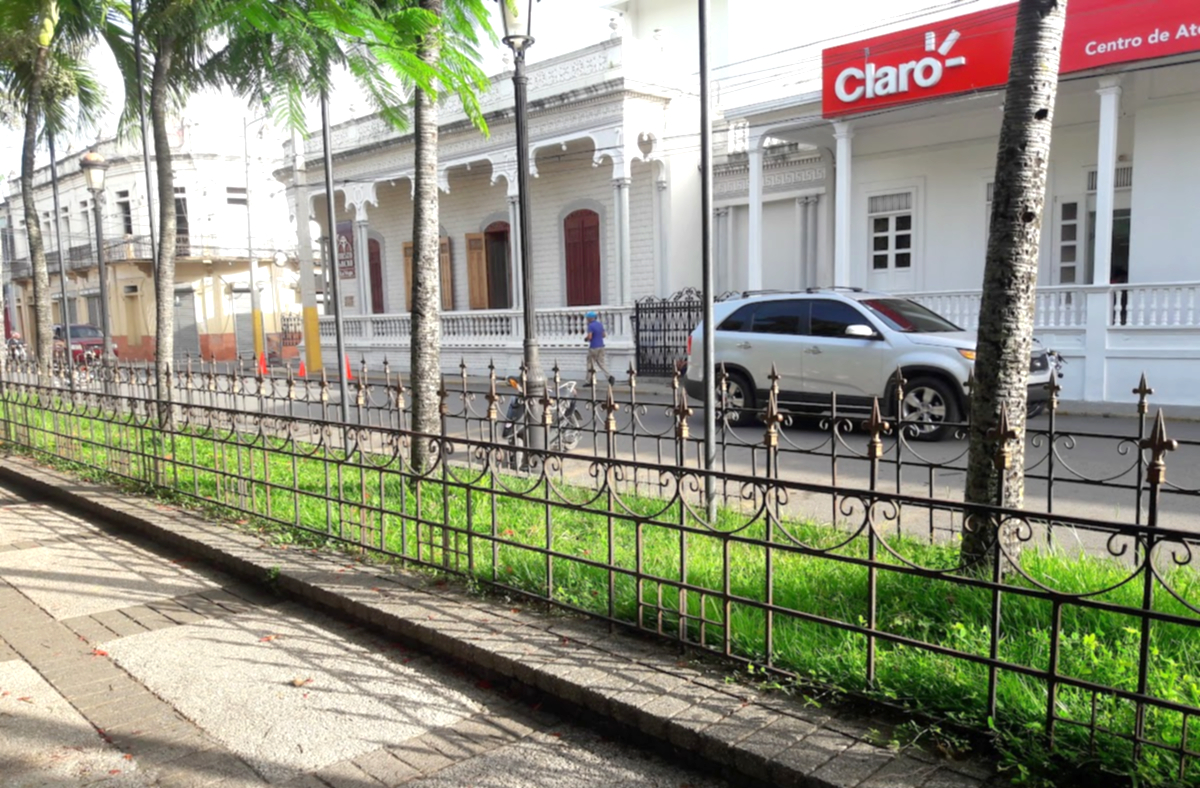 59
59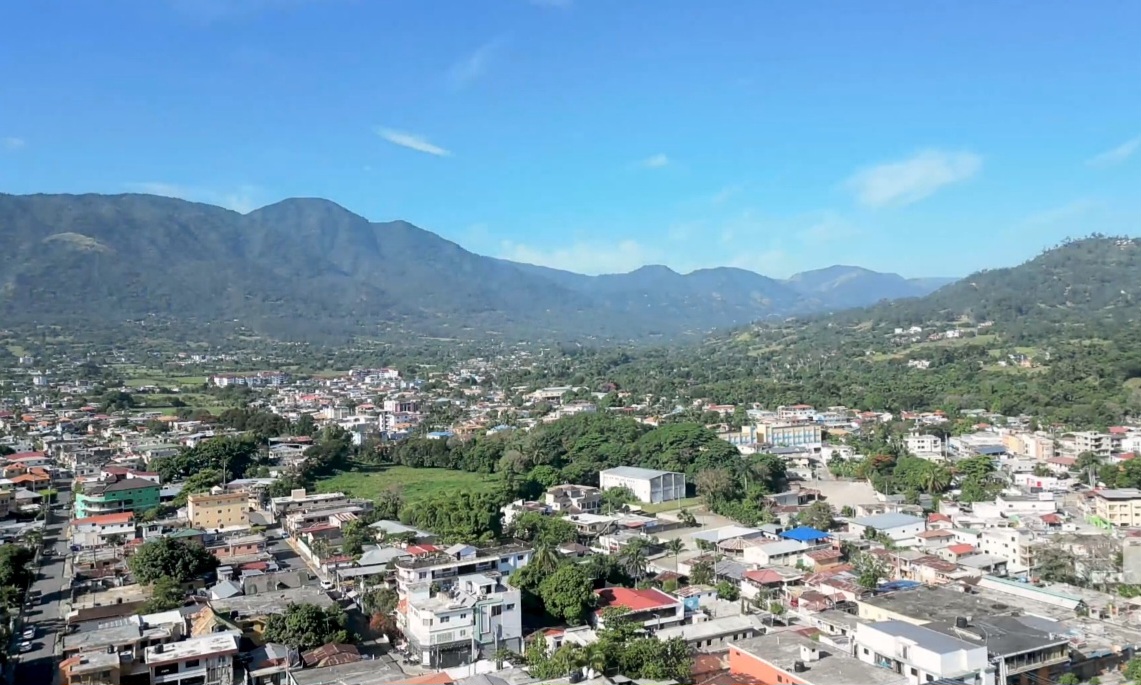 61
61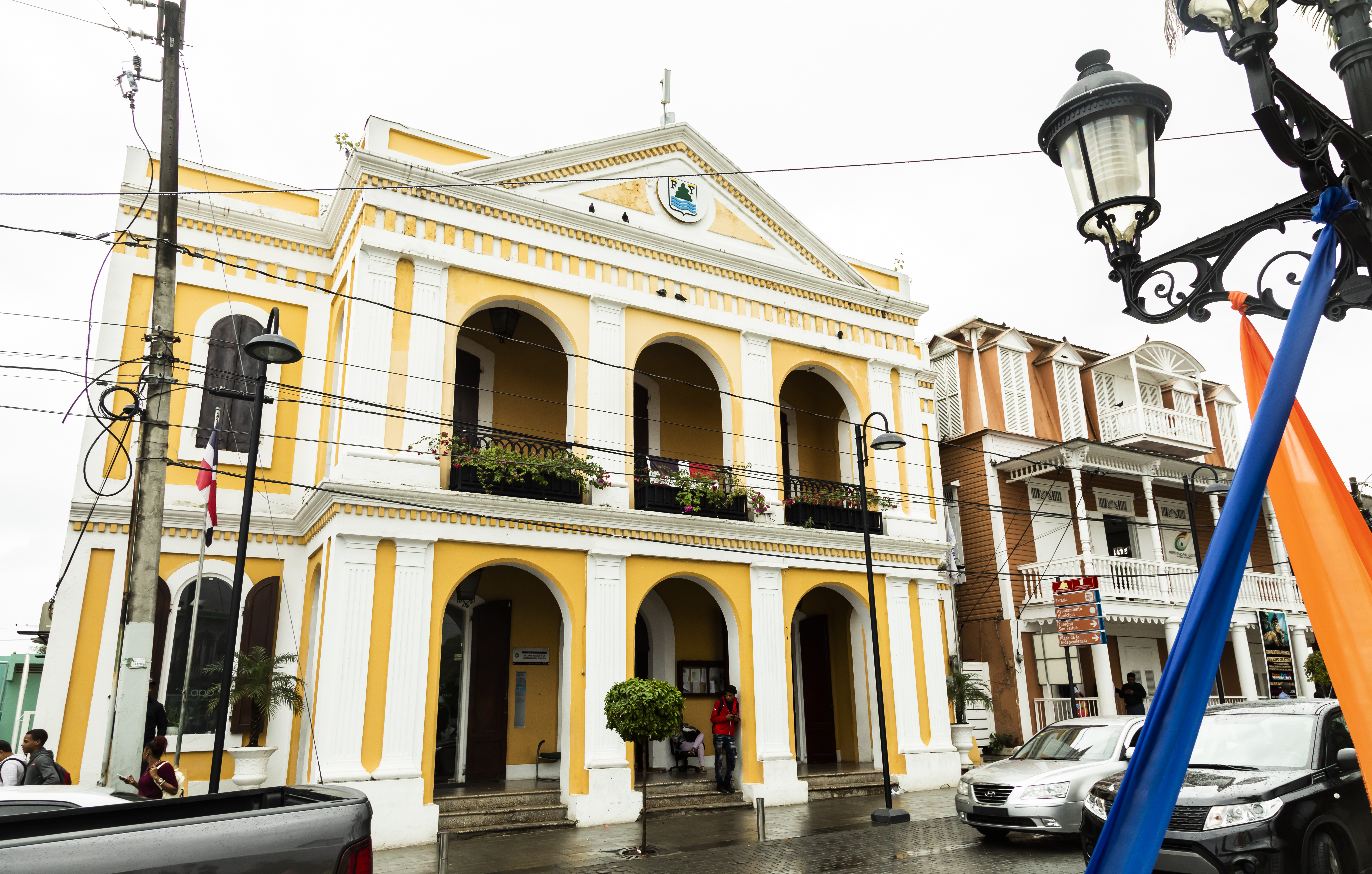 ✦ 75
✦ 75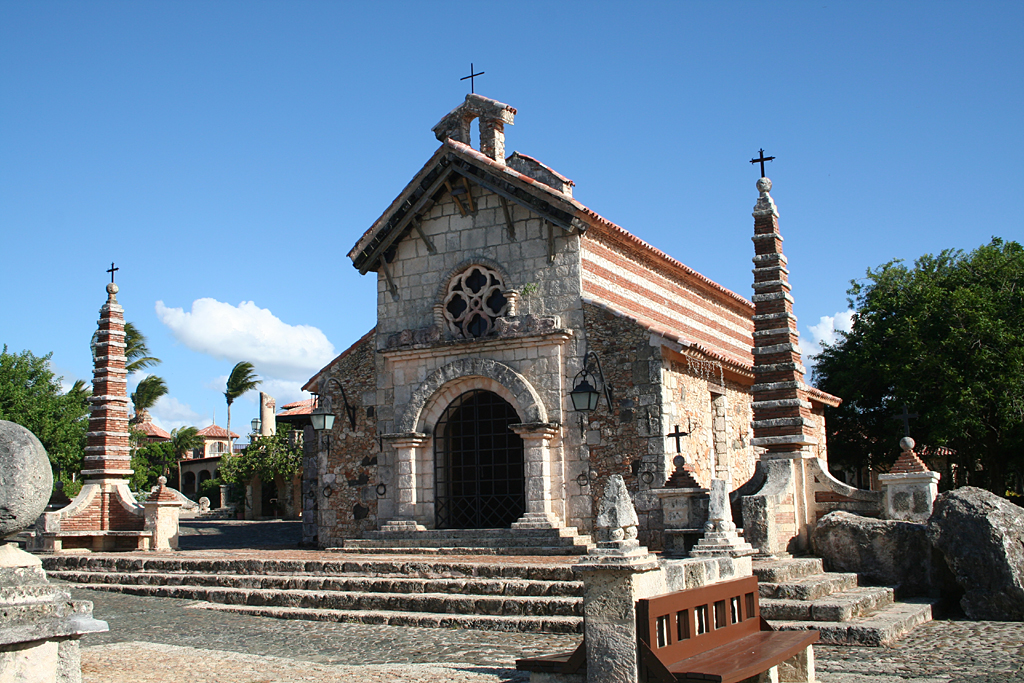 63
63Getting Your Income Documentation Story Straight
The income threshold for Rentista is $1,500/month in passive income. The threshold for Pensionado is $1,500/month in pension income. Both of those numbers are straightforward. What's not straightforward is the documentation standard the DR actually applies to prove them.
A pension letter from your former employer or a government benefits statement is the clean version of this. What gets complicated is passive income that doesn't come with an official letter - rental income from a property you own, dividend distributions from a brokerage account, interest from a private loan. For these, you're building a case from bank statements, investment account records, rental agreements, and sometimes a letter from a financial advisor or accountant attesting to the income's stability and expected duration. The DR expects this income to be demonstrably sustainable for at least five years, which means you need documentation that tells that story, not just a recent statement showing a deposit.
The bank transfer requirement adds another layer. It's not enough to show that you receive this income somewhere - you need to demonstrate that it can be transferred into a Dominican bank account, and in practice many applicants are expected to show that it already is being transferred. Opening a Dominican bank account before or during the application process, and routing some of your qualifying income through it, is something a local attorney will likely advise from the beginning. The documentation story you tell at the consulate and the one you tell at the DGM need to be consistent, because you're essentially making the same argument twice in two different venues.
The Housing Requirement and How People Get It Wrong
There's no formal minimum rent or property purchase requirement attached to the Pensionado or Rentista categories the way there is in some other countries' programs. What there is, practically speaking, is a guarantor requirement - a Dominican citizen or permanent resident who vouches for you as part of the in-country application. Finding that person is something applicants routinely underestimate.
Most people who successfully navigate this requirement do so through their immigration attorney, who either acts as guarantor or has a network of people who will. That's a legitimate solution, but it means your attorney relationship is doing more work than you might expect - it's not just legal advice, it's also a structural part of your application. If you're planning to use an attorney you found online without any local referral, understanding what they're actually providing becomes more important.
The housing piece that does matter is your address in the DR. You need a verifiable local address for the application, which means you need to have arranged accommodation before you file in-country - not necessarily a long-term lease, but something documented. People who arrive planning to figure out housing after approval sometimes find themselves in a timing problem, because the residency visa you enter on has a limited validity window and you want to be filing your DGM application well within it.
What Actually Happens After You Land
The consular visa gets you in the door. What happens between landing and holding an actual residence card is a process that takes weeks to months and requires you to be physically present in the country for parts of it - the medical exam in particular can't be done in advance or by proxy.
The DGM application requires an in-person submission in Santo Domingo, which matters if you were planning to base yourself in the north coast or somewhere other than the capital. Some attorneys will handle document submission on your behalf, but there are steps that require your physical presence, and the medical exam - blood tests, chest X-ray, general health check - is one of them. Plan for at least one trip to Santo Domingo regardless of where you're living.
Processing times after submission are variable. "Several weeks to a few months" is the honest answer, and that range reflects real variance rather than hedging. During that period you're in a gray zone - your entry visa may have expired, your residency application is pending, and your legal status depends on paperwork in process. This is normal and your attorney should be managing it, but it's uncomfortable if you weren't expecting it. The gap between "visa approved" and "residence card in hand" is where people who tried to do this without local legal support tend to run into problems.
The Long-Term Path: PR and Citizenship in Practice
On paper, the timeline looks clean: enter on a pensionado or rentista basis, receive permanent residence, wait two years, apply for naturalization. In practice, the citizenship application involves its own document requirements, in-person appearances, demonstrated Spanish language ability, and processing times that are not guaranteed. Two years of permanent residence is the eligibility threshold, not an expected timeline to citizenship.
What "avoiding long absences" means in practice is something worth clarifying with your attorney before you commit to any travel patterns. The DR doesn't publish a specific day-count rule for permanent residents the way some countries do, but residency that looks nominal - someone who holds a card but clearly doesn't live there - creates risk at renewal and at the naturalization stage. If you're planning to spend significant time outside the DR each year, that's a conversation to have early.
The renewal structure also matters more than it appears at first. The first renewal is after one year, then every four years after that. Each renewal requires you to demonstrate that the qualifying income is still in place and still being transferred to a Dominican bank. If your passive income situation changes - a rental property sold, an investment structure wound down - you need to have a replacement source of qualifying income ready, because the residency is contingent on it in a way that other programs' residency isn't once you've been granted permanent status.
The Panama Comparison
Panama's Pensionado visa is the obvious comparison because it's been around longer, is better documented in expat communities, and offers some genuinely attractive discounts on services that the DR doesn't replicate. The pension threshold is similar - Panama sits at $1,000/month for the basic pensionado, which is lower than the DR's $1,500 - and Panama has a more established legal and banking infrastructure for foreign residents.
What Panama doesn't offer is the same citizenship timeline. Panama's naturalization path for most residents runs significantly longer than two years of permanent residence, and the DR's relatively short window from permanent residence to naturalization eligibility is one of the few areas where it has a concrete structural advantage over its regional competitors.
The honest framing is this: if your priority is a well-worn process with a large expat community and you're not particularly focused on citizenship, Panama is probably the easier choice. If you have a clean passive income profile, you're willing to invest in proper local legal support, and you want to keep the citizenship option in reach on a shorter timeline, the DR makes a different kind of sense. Neither answer is wrong - they're just different bets on what you actually want the residency to do for you.
Work Permissions
Application Steps
- 1
📋 Confirm income source and amount
1 week
- 2
📄 Prepare and apostille documents
3-4 weeks
- 3
📬 Submit application via attorney in DR
1-2 days
- 4
⏳ Await approval and collect residency card
3-6 months
This visa requires proof of health insurance. Compare international plans before you apply.
Compare health insuranceWe may earn a commission at no cost to you.
Frequently Asked Questions
Click any question to expand the answer.
Ready to Apply?
Work with trusted visa specialists who handle the paperwork so you can focus on your move.
Get help with this visa →* We may earn a commission if you apply through our link
At a Glance
Last verified: July 15, 2026