Colombia Real Estate Investor Visa (M-10)
Colombia · Latin America
Data updated Sep 3, 2026
Application Fee
$230
Difficulty
Moderate
Duration
36 months
Overview
A buyer putting at least USD 116,667 into Colombian real estate clears the M-10 financial floor, but the visa does not reward passive portfolio income, Social Security, or pension checks; the qualifying asset is the property purchase itself, and local work is not permitted. For a reader living on USD 3,500/month from ETFs and rental income abroad, the number that matters is the property investment, not the cash-flow mix.
Residency is where the trade-off becomes clear: the visa lasts 36 months, it is renewable, and the max consecutive absence is 180 days. There is as of 2026, a physical presence requirement of 185 days in the published rules, so the main mobility constraint is that six-month absence limit and a minimum stay obligation. That makes it workable for someone splitting time between Colombia and another base, but not for someone who expects to vanish for most of the year.
This route does not lead directly to permanent residency. The path to PR takes 5 years, and the visa itself does not convert into citizenship on a published timetable. Local employment remains off-limits, and the application is built around proving the investment, not proving a salary stream. Dependents are allowed, and health insurance is required, which adds an extra recurring cost even though a local bank account, medical exam, and interview are not required.
The friction sits in the paperwork, not the law. The application fee is USD 282, and the government-facing evidence has to line up exactly: deed, ownership record, and foreign investment registration. Source-document mismatches are what sink these files, not the headline purchase amount. The renewal cost is USD 282 as of 2026, and processing time is not publicly specified, so the practical risk is document failure rather than waiting months on an undefined queue.
This makes most sense if you want Colombian residency tied to a USD 116,667 property and you are comfortable treating the file as a compliance exercise rather than a lifestyle move. It is a poor fit if your plan is to keep earning remote salary from abroad, because local work is barred and the visa is built around the real-estate purchase, not employment income.
Eligibility Requirements
Any nationality can apply for the Colombia M-10 real estate investor visa in principle. Applicants from Iran, North Korea, Syria, Cuba, and Russia can run into consular, banking, or payment-channel friction even when the visa rules do not bar them outright, so the practical problem is often getting money in and documents processed rather than meeting the published eligibility rule. The official place to verify eligibility is the Colombian Ministry of Foreign Affairs (Cancillería) before you assemble the file.
Min Investment
$116,667
Application Fee
$230
Renewal Cost
$282/yr
Min Age
18 yrs
practical
Duration
36 months
Physical Presence
185 days/yr
Max Absence
180 days
Requirements Checklist
• Identity: Valid passport; Passport biodata page copy; Passport-style photo (3x4 cm, white background).
• Immigration: Proof of legal entry or stay in Colombia (latest Colombia entry stamp or equivalent); Copies of any previously issued Colombian visas (if applicable).
• Property: Certificate of Tradition and Freedom for the property (issued within the last 30–90 days, showing ownership and no liens); Property public deed in applicant’s name.
• Investment: Foreign Investment Registration Certificate from Banco de la República; Proof of foreign exchange transactions used to purchase the property.
• Financial: Recent bank statements (last 3 months) showing funds and investment; Proof of lawful source of funds used for the property purchase (bank transfer records, income statements, asset sale documents or similar).
• Health: International or Colombian health insurance policy with coverage in Colombia.
• Background: National criminal record certificate/police clearance from country of nationality and/or residence (apostilled); FBI background check for U.S. citizens or equivalent for other countries if required.
• Other: Completed online visa application form; Visa application fee payment receipt; Visa issuance fee payment receipt (if requested at issuance); Application/cover letter explaining the real estate investment and intended stay; Proof of address in Colombia (utility bill, contract or similar), if requested.
• Translation: Spanish translations of all foreign documents by an official/sworn translator, if not originally in Spanish; Apostille or consular legalization on foreign civil, financial, and criminal record documents as required.
Apostille required on official documents
Tax Information
Local tax picture Colombia uses a territorial framework with important residency rules layered on top. For a nonresident, Colombia mainly taxes Colombian-source income, which matters less for foreign ETF dividends, offshore brokerage gains, and rental income from property outside Colombia. Once you become a Colombian tax resident, the local picture expands: worldwide income enters the filing picture, so remote salary, foreign dividends, and overseas rental income stop being invisible by default.
Capital gains on foreign investments are not exempt, simply because the money sits in a foreign brokerage. Tax residency is not triggered by the visa itself in the facts provided; the relevant residency trigger is not automatic, so a reader should not assume the visa grant alone creates local tax residency. This visa does not require a local bank account, which removes one common filing friction point, but it also means there is no built-in banking gateway that simplifies tax registration.
Tax treaty status with the United States is not in force, so there is no basis here to claim treaty relief for Social Security, dividends, or retirement distributions.
For US Citizens and Green Card Holders - Form 2555 (FEIE) covers earned income only: remote work, consulting, and self-employment income up to the 2026 limit of USD 132,900. - FEIE does not cover dividends, capital gains, pension distributions, or Social Security, so a FIRE portfolio funded by ETF withdrawals still needs separate treatment. - Because this visa does not permit local work and has a 185-day physical presence requirement, the Physical Presence Test is possible only if the 330-day rule is met across the 12-month period; the Bona Fide Residence Test is harder to anchor without a clearly defined local tax-residence rule. - Form 1116 (FTC) only helps when Colombian tax is actually paid on the same income. If foreign passive income is not taxed locally, the FTC gives no shelter on that stream. - FinCEN 114 (FBAR) is required once foreign accounts exceed USD 10,000 at any point in the year; it sits on top of FATCA Form 8938. - If you open foreign accounts to hold rent, dividends, or visa-related spending money, the FBAR filing burden comes with them.
A US CPA who handles expat FEIE/FTC/FBAR work and a Colombian tax advisor for residency and local filings are the two people who matter here; the USD 1,500–USD 3,000 spent in year one can pay for itself in avoided penalties and cleaner elections.
Living in Colombia
COL Index vs NYC
26.0
Monthly Cost (excl. rent)
$572
1BR Rent (City Center)
$446
Safety Index
39.1
Healthcare Index
68.6
Quality of Life Index
108.8
Time Zone
UTC-05:00
Capital
Bogotá
Population
50.9M
Official Languages
Spanish
Avg Internet Speed
220 Mbps
Public Transit Quality
Good
With a budget covering rent and living costs, you'd need roughly $1,018/mo for a comfortable single-person lifestyle in Colombia.See how far your money goes →
🏙️ Best Cities in Colombia for Investors & FIRE Seekers
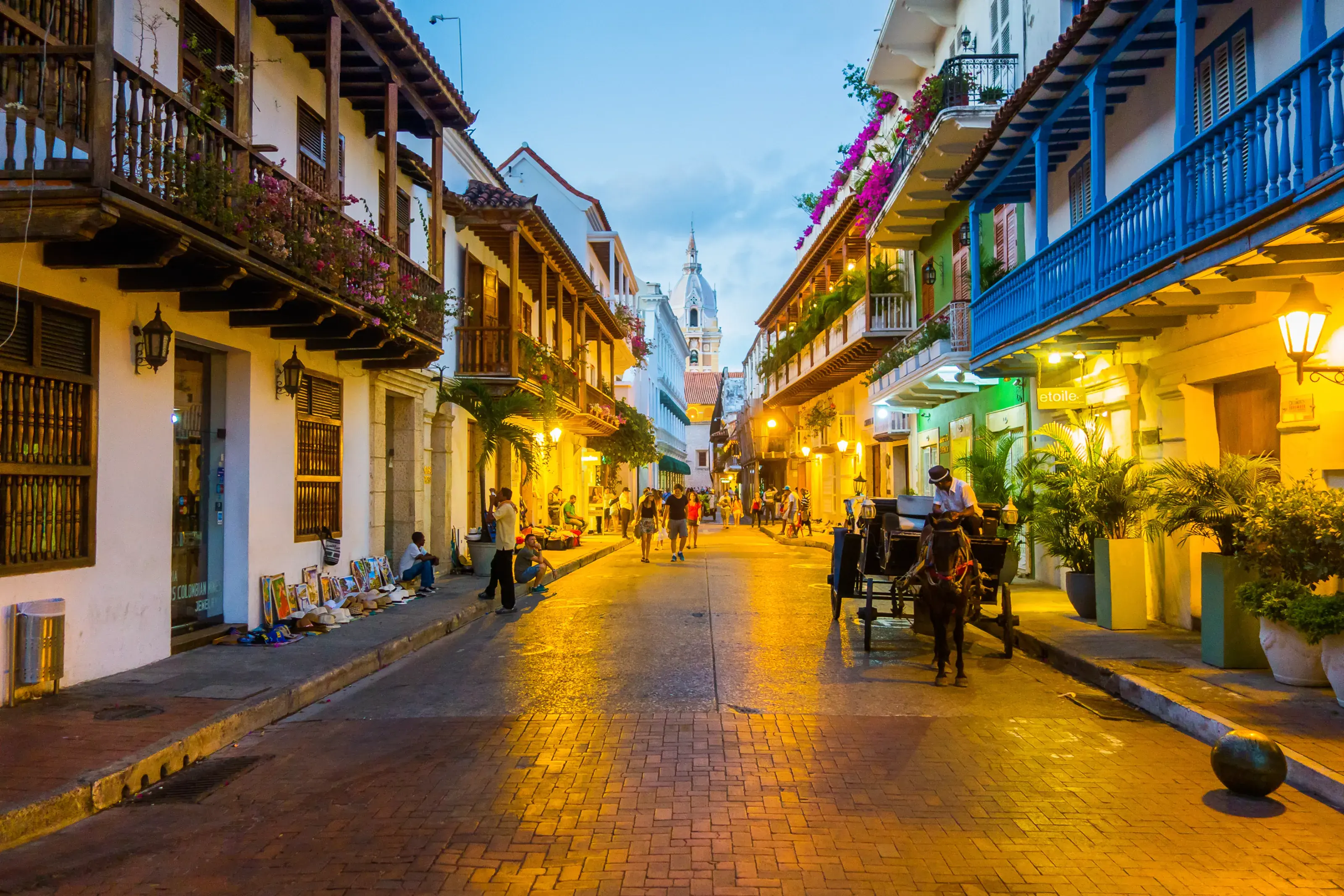 ✦ 76
✦ 76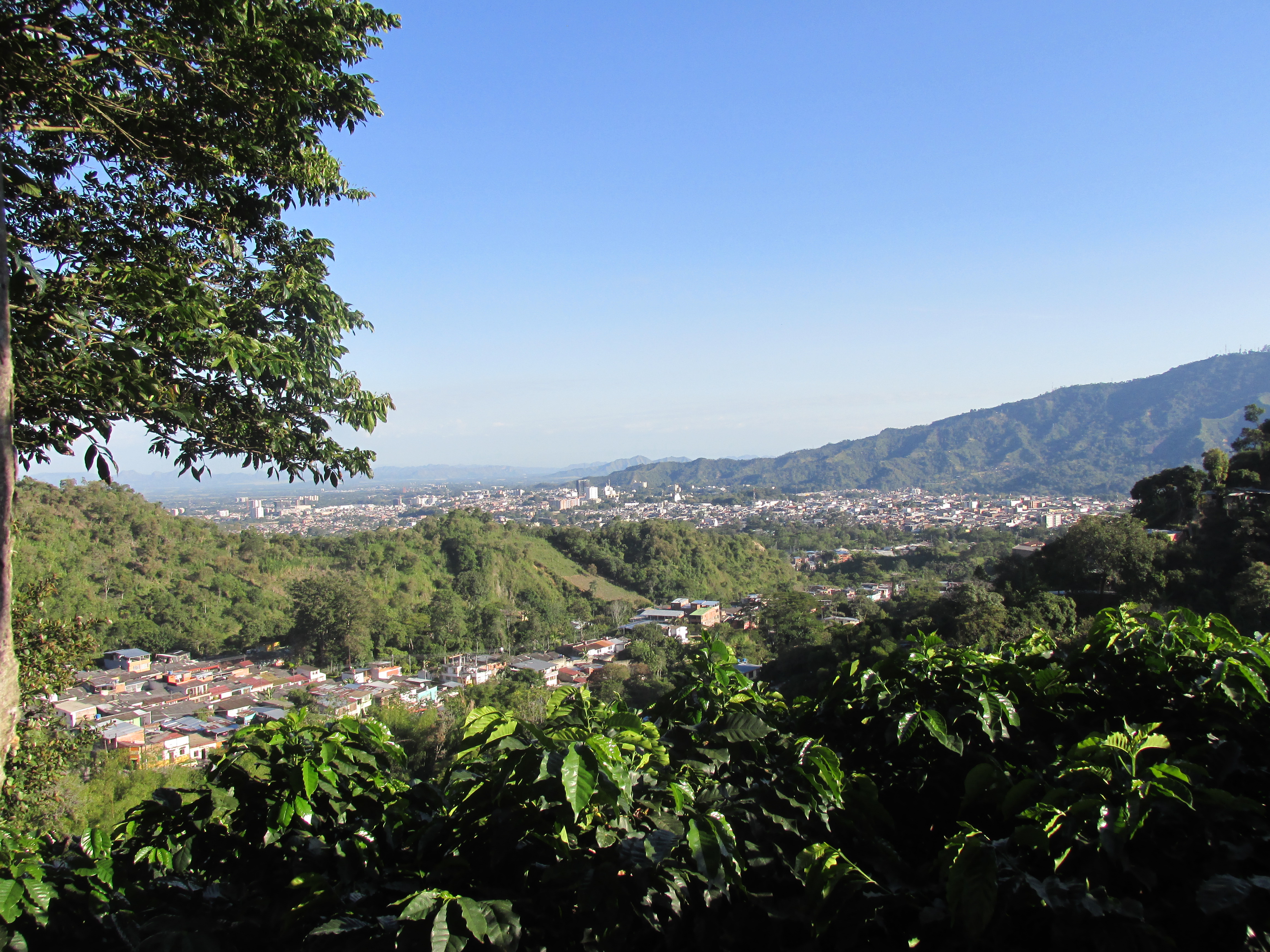 73
73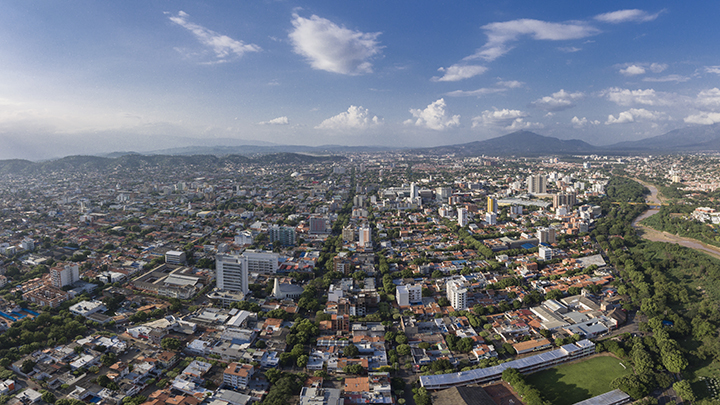 71
71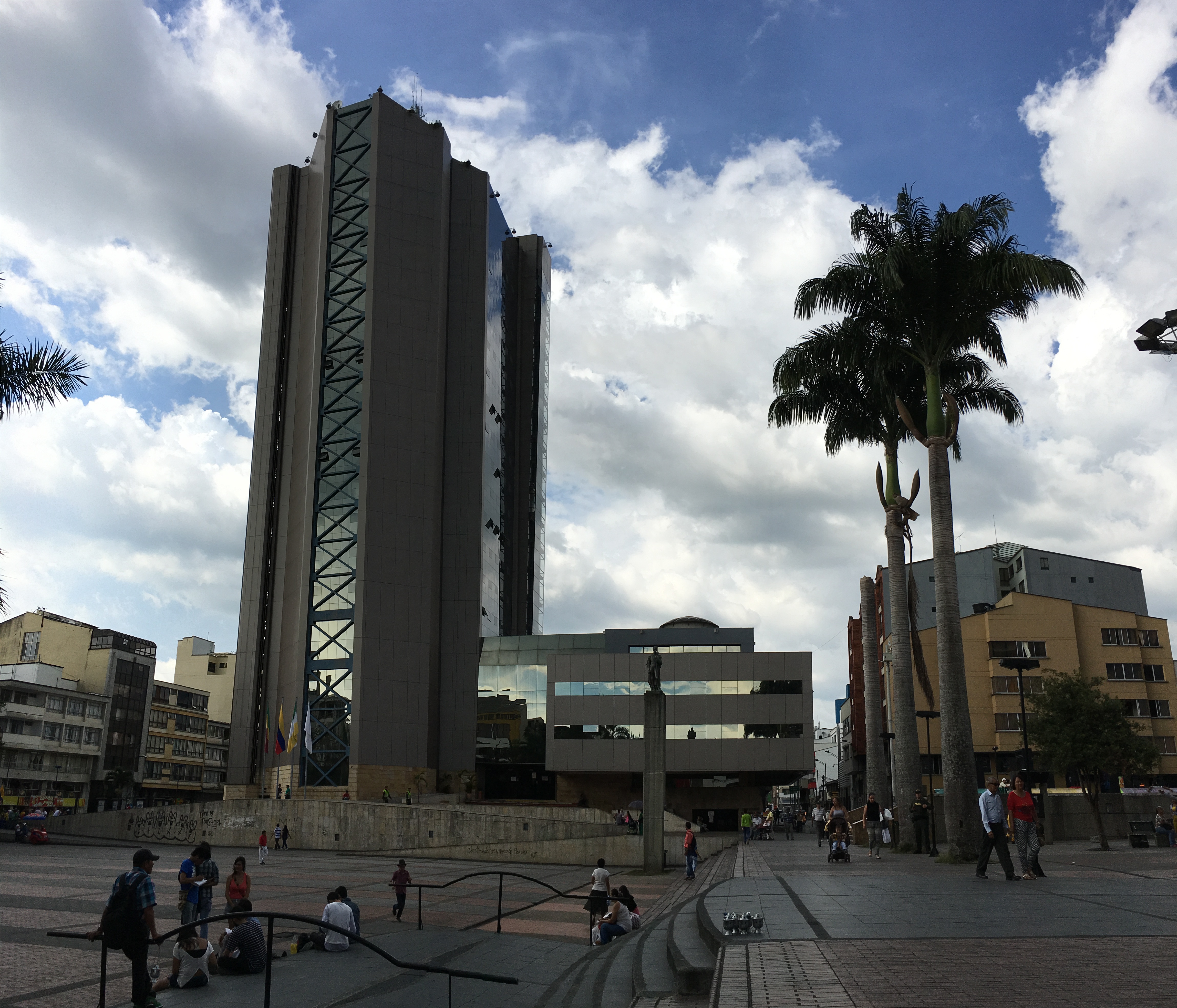 66
66 62
62 69
69The Documentation Story Comes First
The property purchase and the visa application are legally distinct events. Buy the property first. Close the deed. Register it. Then file the visa application. Doing it in that order prevents a cascade of problems with the Foreign Investment Registration Certificate, which Banco de la República issues only after the funds have entered the country and been exchanged into Colombian pesos through the formal foreign exchange market. That certificate is not optional. It is the document that proves your investment qualifies under the M-10 rules.
The money trail matters more than the contract. You will need to show the foreign exchange transaction records that match the exact amount, date, and recipient of the wire. If you sent funds in two tranches, both need documentation. If you used a Colombian bank account you opened on a previous trip, you still need to prove the money originated abroad and was properly exchanged. The consular officer reviewing your application will cross-reference the deed, the certificate of tradition and freedom, and the forex records. Any mismatch in amounts or dates invites a request for additional evidence or an outright denial.
The source of funds question can be uncomfortable for applicants who have not prepared for it. Bank statements from the last three months are required, but they are not sufficient on their own. You will also need to show where the money came from originally. That might mean brokerage statements showing a securities sale, a property sale closing statement from another country, business income records, or gift documentation that traces the giftor's own source of funds. The Colombian system is sensitive to money laundering risk, and real estate purchases above certain thresholds automatically draw scrutiny. Do not wait until the application portal asks for something. Have the full chain documented before you even begin the online form.
The certificate of tradition and freedom also has a shelf life, typically 30 to 90 days depending on the consulate. Order it after everything else is ready, not before.
Why People Get the Housing Requirement Wrong
The M-10 does not require you to live in the property you purchased. That surprises many applicants. The investment property can be rented out, left vacant, or used as a vacation home. What matters is that you own it, that it is free and clear of liens, and that the public deed is in your name. The visa does not impose an owner-occupancy mandate.
But. If you do not live in the property, the consulate may ask for proof of address anyway. The document list includes a utility bill or rental contract "if requested." In practice, the request is common, especially when the property address on the deed does not match the city where you tell the immigration officer you intend to reside. An applicant who buys a finca outside Armenia but plans to rent an apartment in Medellin should have a lease or utility bill ready. Not having it will not necessarily kill the application, but it will slow things down.
The bigger misstep is buying property that does not meet the investment threshold because of a misunderstanding about exchange rates. The minimum is set in US dollars, not Colombian pesos, and the consulate converts at the official exchange rate on the date of the transaction. If the peso strengthens between the day you agree on a price and the day you close, a property that looked like it cleared the threshold can fall below it. Pad the purchase price. A $120,000 property gives you breathing room. A $116,667 property does not.
Title issues matter too. The certificate of tradition and freedom must show the property is unencumbered. A pending inheritance dispute, an unresolved lien from a previous owner, or an incorrectly registered easement can all show up on that certificate and delay the visa until resolved. Buy through a reputable agent. Hire a Colombian real estate attorney who works only for you, not for the seller or the agency. That attorney should review the title history before you sign anything.
After the Stamp, Before the Real Life
Approval of the M-10 visa through the online portal means you have permission to enter Colombia as a resident. It does not mean you are fully registered in the Colombian immigration system. That second step happens when you arrive.
Once you land, you present the approved visa and your passport at the port of entry. The immigration officer will stamp you in under the visa category. From there, the next task is registering the visa with Migración Colombia. This step converts the visa from a travel document into a resident status. You will need your passport, the visa approval, and a copy of your entry stamp. Migración Colombia takes your biometrics and issues the cédula de extranjería, the foreign national ID card. Without that card, you cannot open a bank account, sign a long-term lease, get a local driver's license, or handle any bureaucratic process that requires a Colombian identity number.
The cédula takes weeks. Sometimes months. During that gap, you are legally present in Colombia but functionally limited. You can rent short-term, you can use your US credit cards, you can move around freely. But you cannot do anything that requires a Colombian government ID. Plan for a period of administrative limbo. It ends, but it does not end quickly.
Physical presence rules kick in from the date you become a resident. To maintain the visa, you need to be in Colombia at least 185 days per calendar year. A single absence cannot exceed 180 consecutive days. These are not suggestions. Exceed them and Migración Colombia can cancel the visa at renewal or at any point if they detect the violation through entry and exit records. The system tracks passport stamps and exit dates precisely.
The Long Path, the Shortcut That Does Not Exist
Five years of continuous residency on the M-10 makes you eligible to apply for permanent residency. That is on paper. In practice, "continuous" means you met the physical presence requirements each year, you renewed the visa on time, and you did not break the chain of legal status. An expired visa that you renew late resets the clock. A period of overstay, even brief, can complicate the count.
The five-year timeline is not unique to the investment visa. Most Colombian resident visa categories lead to PR on roughly the same schedule. The advantage of the M-10 is not speed. It is simplicity. As long as you still own the qualifying property when you apply for PR, the basis for your residency remains intact. Sell the property before the five-year mark and you will need another visa category to bridge the gap, which can be difficult if you do not have a pension or a local job.
Citizenship follows permanent residency, but the requirements are separate and include a Spanish language and Colombian civics exam. The investment does not exempt you from anything at that stage. The M-10 opens the door to PR. PR opens the door to citizenship. Each door has its own lock.
The judgment call for most US applicants is whether the M-10 beats Colombia's digital nomad visa or a neighboring country like Panama. The nomad visa is cheaper and faster but offers no path to PR. It is temporary by design. Panama's investor visa has a lower threshold for some categories but imposes stricter banking and incorporation requirements. The M-10 sits in the middle: higher upfront cost, less ongoing paperwork, and a real asset you own regardless of what happens to the visa rules. Whether that trade makes sense depends on how long you actually plan to stay.
Work Permissions
Application Steps
- 1
📋 Research and purchase property
2-4 weeks
- 2
📄 Gather identity documents
1-2 days
- 3
📄 Secure health insurance
1 week
- 4
📬 Complete online visa application
1 day
- 5
⏳ Wait for visa review
not specified
- 6
🏛️ Receive and enter Colombia
1-2 weeks
- 7
🏛️ Register visa in Colombia
1-2 days
Frequently Asked Questions
Click any question to expand the answer.
Ready to Apply?
Work with trusted visa specialists who handle the paperwork so you can focus on your move.
Get help with this visa →* We may earn a commission if you apply through our link
At a Glance
Last verified: July 15, 2026