Canada Self-Employed Persons Program
Canada · North America
Data updated Sep 13, 2026
Difficulty
Moderate
Overview
The Canada Self-Employed Persons Program is a permanent residence pathway, not a visa - and that distinction matters more than it might seem when you're first looking at it. You're not applying to live in Canada temporarily while you build something. You're applying to become a Canadian permanent resident based on a documented record of self-employment or world-class participation in cultural or athletic fields. The commitment runs both directions: Canada is assessing whether you can make a significant contribution to its cultural or athletic life, and you are committing to a country that will tax your worldwide income, require your physical presence to maintain status, and eventually require 1,095 days on the ground to qualify for citizenship. That's not a short experiment.
The applicants who do well here are working professionals with a real paper trail - musicians, choreographers, athletes, filmmakers - who have been generating contracts, press coverage, awards, and tax returns in their field for years and can demonstrate it clearly. The ones who struggle are people who have been doing creative or athletic work informally, without the documentation to back it up, or who are self-employed in a technical or business field and assumed "self-employed" was the operative word. It isn't. The field is everything. The profile that's in the wrong category entirely is the remote worker or consultant who has no meaningful connection to cultural or athletic work and is hoping the program is broader than it is.
The thing most applicants don't fully process before applying is the tax situation. Canada taxes permanent residents on worldwide income, and combined federal-provincial marginal rates can exceed 50% depending on where you settle. For US citizens, the Canada-US tax treaty helps prevent double taxation, and the Foreign Tax Credit is generally more useful than the Foreign Earned Income Exclusion in a high-tax country like Canada - but you will be filing in both countries, indefinitely, and the mechanics of that require professional help from someone who works specifically on cross-border tax. Work that out before you apply, not after you land.
There's also the intake pause to reckon with. No new applications have been accepted since April 30, 2024, and the pause is expected to hold through the end of 2026. So the realistic window for anyone reading this now is a planning and preparation period, not an active application period.
Eligibility Requirements
Self-Employed
Requirements Checklist
Valid passport with at least 6 months validity
Proof of sufficient income (bank statements, employment contract)
Health insurance covering the entire stay
Clean criminal background check
Completed application form with all required documents
Proof of accommodation in the country
Tax Information
Canada Taxes You on Everything, From Day One
Canada operates on a worldwide income basis. Once you're a tax resident, the CRA expects a cut of your remote salary, your freelance income, your US rental property, your brokerage dividends, your interest - all of it. There's no territorial carve-out for income earned outside Canada, and no grace period while you settle in.
Tax residency doesn't hinge purely on your immigration status. The primary test is whether you have significant residential ties to Canada - a home, a spouse or dependants living there. If those ties exist, you're a tax resident from the date you establish them, regardless of how many days you've been in the country. The 183-day physical presence rule is a secondary test, mainly catching people who lack formal ties but spend most of a calendar year there anyway. For someone going through the Self-Employed Persons Program and relocating their life to Canada, residency will almost certainly trigger on arrival.
Federal income tax runs on a progressive scale. For 2026, the projected federal rates (converted to approximate USD at roughly 0.75 CAD/USD) are 14% up to around $38,000, 20.5% from $38,000 to $76,000, 26% from $76,000 to $122,000, 29% from $122,000 to $170,000, and 33% above that. Then each province adds its own layer on top. Ontario, for example, stacks rates from roughly 5% to about 13.16%. Combined federal-provincial top marginal rates can clear 50% in some provinces. That's the real number to hold in your head.
Capital gains get partial relief through a 50% inclusion rule - only half the gain is added to taxable income, then taxed at your marginal rate. There's no separate flat capital gains rate. Canadian dividends are taxed via a gross-up and credit system, with top combined federal-provincial rates of roughly 29% on eligible dividends and 39% on non-eligible dividends, depending on province.
No Special Expat Regime
Canada doesn't have a non-dom system, a remittance-based option, or any expat-only tax program for new residents. What it does have, which matters for timing, is a deemed acquisition rule: when you become a Canadian tax resident, most of your foreign assets are treated as having been sold and reacquired at fair market value on that date. This means only gains that accrue after you arrive are taxable in Canada. If you've been holding appreciated US equities for years, that cost basis step-up can be significant.
Beyond that, there are some planning elections available to inbound taxpayers, but these sit inside the general tax system and require professional advice to use correctly. They're not a preferential regime in any meaningful sense - more like technical provisions that exist if you know to ask about them. There's no special tax regime status to track for inbound taxpayers here.
The US Layer - FEIE, FTC, and FBAR
The IRS doesn't adjust its expectations because you moved to a country with a comprehensive tax treaty. US citizens and green card holders file US returns no matter what, and Canada is no exception.
The Foreign Earned Income Exclusion can shelter earned income - remote salary, freelance revenue from services - up to the IRS annual limit ($132,900 for 2026). But in Canada specifically, the FEIE is often the wrong tool. Canadian tax rates are generally higher than US rates, which means the Foreign Tax Credit is usually more powerful: you claim Canadian taxes already paid as a credit against your US liability on the same income, and in most cases that credit wipes out the US tax entirely. The FEIE's earned-income-only limitation becomes a real problem once your income includes dividends, interest, capital gains, or rental income from your US property - none of which the exclusion touches. The FTC handles all of it.
The other thing the FEIE doesn't cover is self-employment tax. Even if you exclude your freelance income under FEIE, you still owe SE tax on it in the US. That's a detail that catches people.
The US-Canada tax treaty is comprehensive and actively useful - it coordinates residency tie-breakers, allocates taxing rights across income types, and addresses pensions and Social Security. Most US persons in Canada can avoid genuine double taxation through a combination of FTC positions and treaty provisions, though getting the mechanics right usually requires someone who works in this space.
FBAR: once you open a Canadian bank account - which this visa pathway effectively requires - FinCEN 114 is mandatory if your combined foreign account balances exceed $10,000 at any point during the year. Not at year-end. At any point. The non-willful penalty is $16,700 per violation, inflation-adjusted as of 2026.
Getting Year One Right
The decisions that go wrong in year one tend to be the ones that can't be undone later. The deemed acquisition step-up on your foreign assets only applies if it's properly documented at the time you become a resident - if you miss it or handle it incorrectly, you lose the basis adjustment. The FEIE election method matters too: Bona Fide Residence versus Physical Presence Test have different requirements, and choosing wrong - or switching between them carelessly - creates problems that follow you. And FBAR non-filing for an account the visa process itself pushed you to open is the kind of penalty exposure that's entirely avoidable with basic planning.
A US expat CPA and a Canadian tax advisor working together in your first year will typically run $1,500 to $3,000 combined. What that buys is correct elections made on time, FTC positioning relative to the treaty, the basis step-up documented properly, and FBAR filed. It also buys a clean return that subsequent years can build on without inherited errors, which matters more the longer you stay.
Living in Canada
COL Index vs NYC
58.7
Monthly Cost (excl. rent)
$1,026
1BR Rent (City Center)
$1,305
Safety Index
54.3
Healthcare Index
68.7
Quality of Life Index
166.4
Time Zone
UTC-08:00
Capital
Ottawa
Population
38.0M
Official Languages
English, French
Avg Internet Speed
380 Mbps
Public Transit Quality
Excellent
With a budget covering rent and living costs, you'd need roughly $2,331/mo for a comfortable single-person lifestyle in Canada.See how far your money goes →
🏙️ Best Cities in Canada for Freelancers
 ✦ 82
✦ 82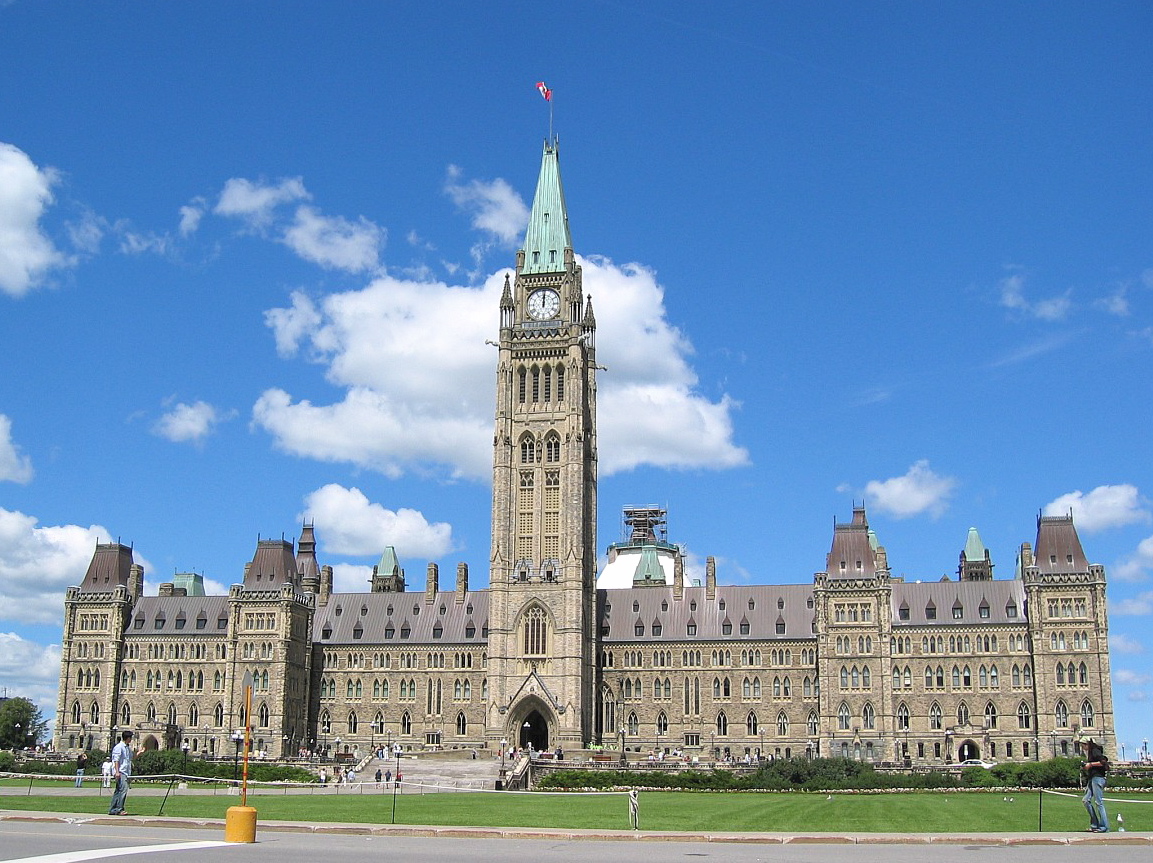 ✦ 84
✦ 84 ✦ 81
✦ 81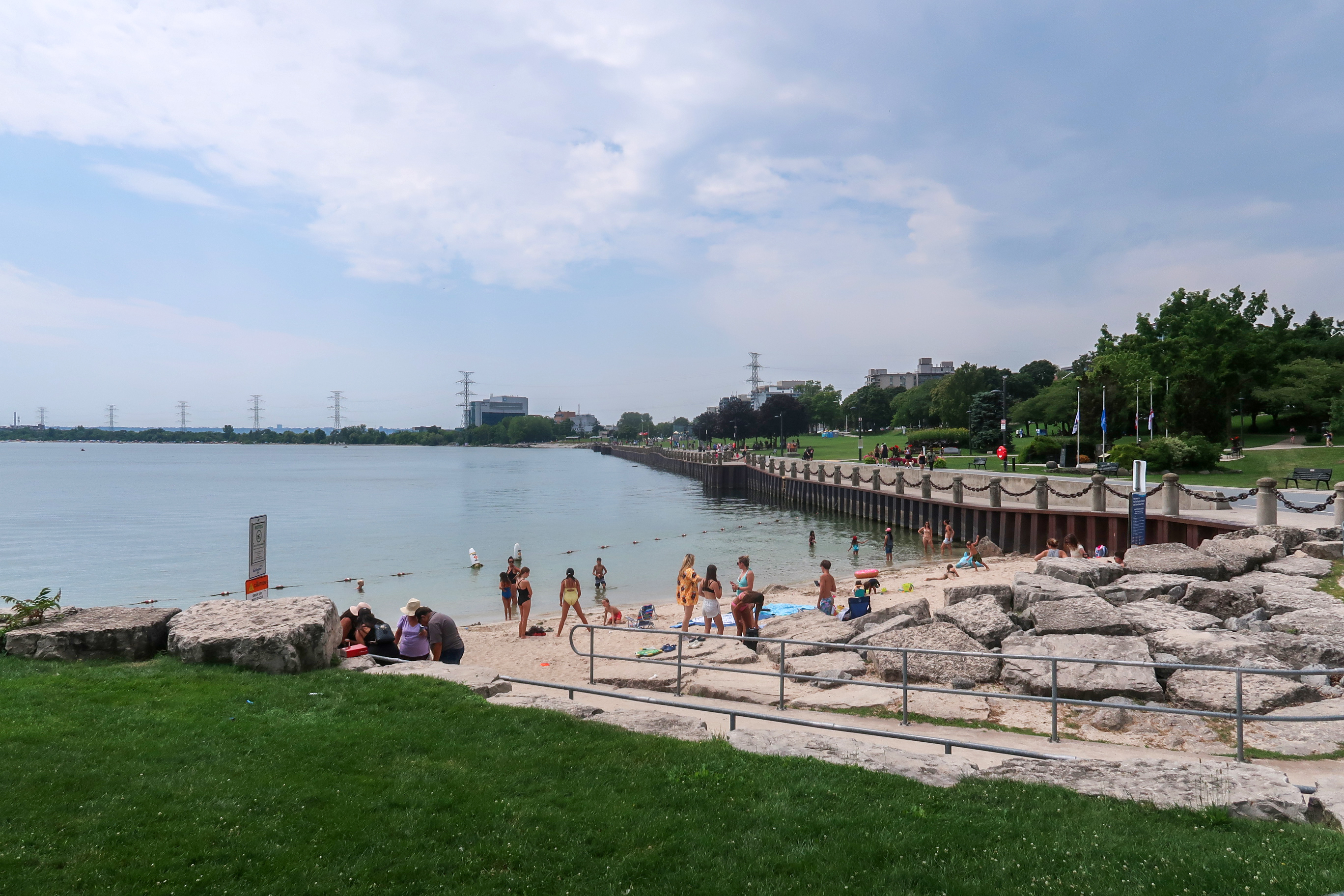 ✦ 82
✦ 82 ✦ 82
✦ 82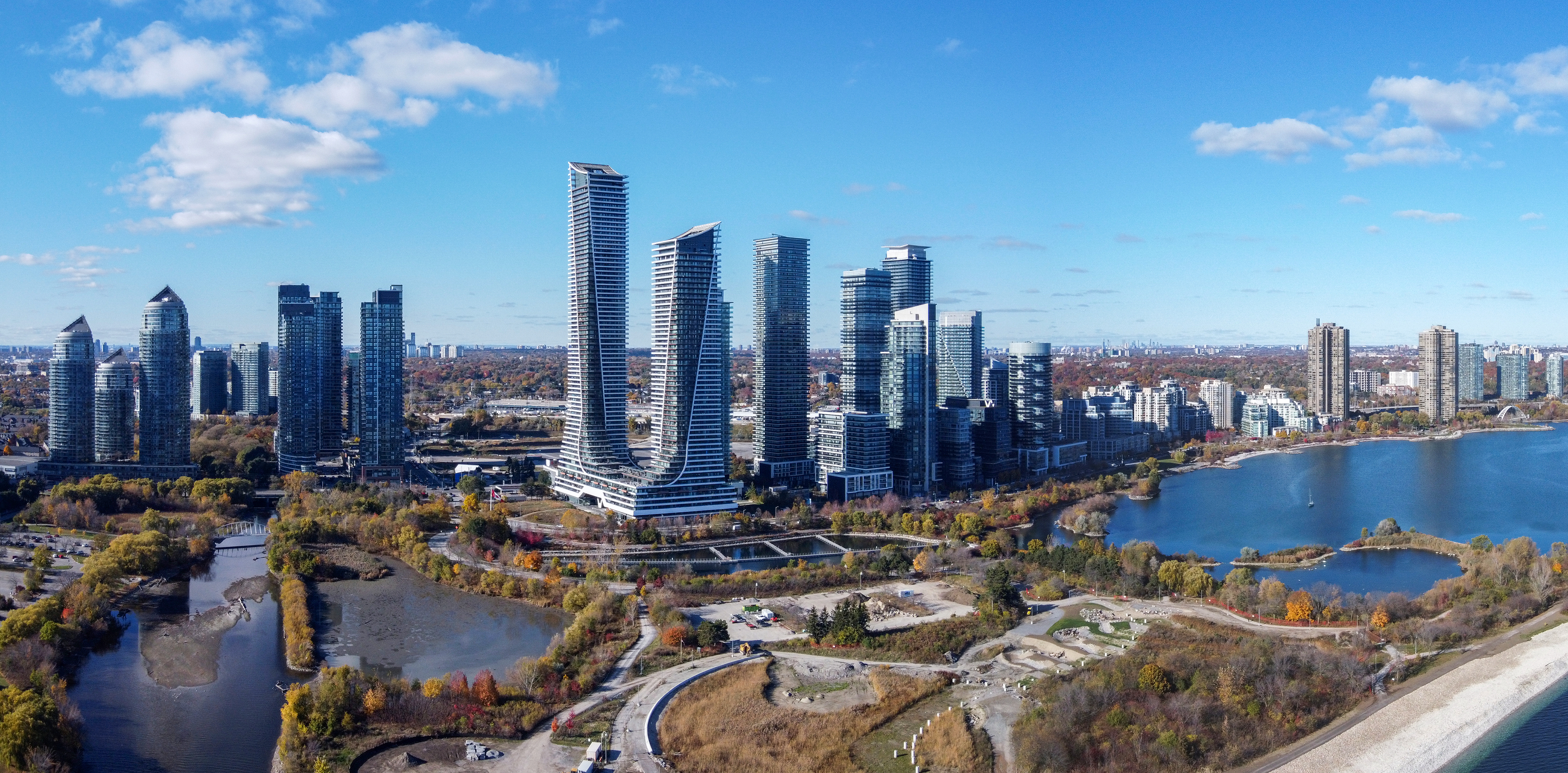 ✦ 81
✦ 81Getting Your Documentation Story Straight
The selection grid scores you on education, experience, age, language ability, and adaptability, and you need at least 35 points to qualify. But the points are almost secondary to the documentation question, because the real assessment is whether an immigration officer reads your file and concludes that you have actually been self-employed in a cultural or athletic field - not adjacent to one, not aspiring toward one, but actually working in it, getting paid for it, and doing it at a level that constitutes a significant contribution.
What that means in practice is that your application needs to tell a coherent story across multiple document types simultaneously. Contracts and agreements show you were hired. Tax returns show you declared the income. Bank statements show the money moved. Press coverage, awards, and portfolios show the work had external recognition. If any of these layers is thin or missing, the whole picture weakens. An officer can't verify your experience through your CV alone, and a portfolio without financial documentation raises questions about whether the work was professional or amateur.
The experience window is five years before the date you apply, and you need at least two years of qualifying experience within that window. That sounds straightforward, but people underestimate how much documentation from five years ago they no longer have clean access to. Start gathering now, even if you're not applying until 2027. Old contracts get lost. Accountants change. Tax records from a previous country of residence take time to obtain. The applications that get returned or delayed are often not missing the experience - they're missing the proof of experience.
Language testing is also something people leave too late. If English or French isn't your first language, you'll need official test results, and test availability and processing times vary. Even native English speakers from countries other than Canada, the US, the UK, Australia, and New Zealand may be asked to demonstrate language ability.
The Housing Question Nobody Asks
There is no formal accommodation requirement for this program in the way some residency visas require proof of a lease before you apply. But the proof of funds requirement - demonstrating you can settle in Canada and finance your self-employment - implicitly raises the question of where you're going to live and what that will cost, and immigration advisors will want to see that you've thought through the financial picture concretely, not theoretically.
What trips people up is the assumption that because Canada doesn't specify a minimum income or net worth threshold, the funds question is flexible. It isn't, exactly. Officers have discretion, and showing up with minimal savings and a vague plan for how you'll sustain yourself and your dependants while building a self-employment practice in a new country is not a strong position. Canada's cost of living varies enormously by city - Toronto and Vancouver are among the most expensive cities in North America - and if your plan is to land in one of those markets and immediately start generating income as a cultural or athletic professional, the timeline for that to actually work is longer than most people estimate.
The practical advice is to have a clear picture of your first 12 months: where you intend to settle, what rent actually costs there, what your projected income looks like, and how your savings bridge any gap. That's not a document you submit, but it's the thinking that should sit behind the funds you're showing.
After Approval - The Gap Between COPR and Real Life
When IRCC approves your application, you receive a Confirmation of Permanent Residence and, if you're outside Canada, a permanent resident visa that allows you to land and activate your PR status. That moment feels like the finish line. It isn't.
The PR card - the physical document you'll need for re-entry to Canada as a permanent resident - is issued after you land, and processing takes time. In the interim, you're a permanent resident without the card, which creates complications if you need to travel internationally. You can apply for a Permanent Resident Travel Document to re-enter Canada if you're abroad without a valid PR card, but that's a process in itself. Most people aren't warned about this gap clearly enough before they land.
Beyond the card, you're now responsible for maintaining your residency obligation: 730 days physically present in Canada in every five-year period. That clock starts from the day you land. If your work involves significant international travel - which is common for cultural and athletic professionals - you need to track this carefully from day one. It's easy to let the first year slip by with extended trips abroad and find yourself behind on the obligation before you've really settled.
The other thing that changes immediately upon landing is your tax residency. You are now a Canadian tax resident, and Canada taxes worldwide income. If you have existing financial accounts, investments, or income streams in the US or elsewhere, you need to understand how they're treated under Canadian tax law and the Canada-US treaty before you land, not after your first tax filing.
The Long Road to Citizenship
On paper, the citizenship path from permanent residence looks clean: three years of physical presence (1,095 days) in the five years before you apply, income tax returns filed as required, demonstrated English or French ability, and a knowledge test about Canada. In practice, the timeline is longer than most people expect when they first calculate it.
Processing times for citizenship applications have historically run from one to several years after submission, and that's after you've accumulated the required days. So the realistic timeline from landing as a PR to holding a Canadian passport is often five to seven years, sometimes more depending on application volumes and any complications in your file. That's not a reason not to do it - Canadian citizenship is one of the most valuable travel documents in the world - but it's worth having an accurate picture rather than assuming citizenship is three years away from landing.
The residency obligation for PR renewal and the physical presence requirement for citizenship are related but not identical, and the five-year windows are calculated differently. People who travel heavily sometimes find they've met one threshold but not the other, or that they've been counting days incorrectly. Keep records.
Canada vs. Portugal's D2 - A Real Comparison
The most common alternative people consider alongside this program is Portugal's D2 visa for entrepreneurs and independent professionals, and the comparison is worth thinking through carefully because they're solving for different things.
The Canada program gives you permanent residence immediately upon approval - you don't go through a temporary status phase first. Portugal's D2 gives you a renewable residence permit, not PR, and the path to Portuguese PR takes five years of legal residence, followed by a separate application. If your goal is PR as quickly as possible, Canada wins on paper. But Canada's processing times have been running several years, and the program is currently paused through the end of 2026, so "quicker" is relative.
The tax picture is also different. Portugal has historically offered favorable tax regimes for new residents, though those have changed significantly in recent years. Canada's tax rates are high by any measure, and there is no special regime for new immigrants - you're in the general system from day one.
The practical question is what you're actually trying to build. If you want to be in Europe, with access to the Schengen area and a lower cost of living in many cities, Portugal makes sense regardless of the visa comparison. If Canada is where you want to be - for the country itself, for proximity to the US, for the cultural or athletic community you're part of - then the Self-Employed Persons Program, once it reopens, is a direct route that doesn't require you to spend years in temporary status first. The intake pause means you have time to get the documentation right, which is probably the most useful thing you can do with the next 18 months anyway.
Work Permissions
Application Steps
- 1
📋 Confirm eligibility: experience and intention
1-2 weeks
- 2
📋 Calculate selection criteria points
1 week
- 3
📄 Gather documentation
2-3 months
- 4
📬 Submit application online via IRCC
1-2 days
- 5
⏳ Await IRCC decision
35-45 months
Frequently Asked Questions
Click any question to expand the answer.
Ready to Apply?
Work with trusted visa specialists who handle the paperwork so you can focus on your move.
Get help with this visa →* We may earn a commission if you apply through our link
At a Glance
Last verified: May 23, 2026