Application Fee
$70
Processing Time
2-3 wks
Difficulty
Easy
Duration
1 months
Overview
Getting the income documentation story straight before applying
There's no employer letter to lean on here, no HR department confirming a salary, so the burden of proving the money is real and recurring falls entirely on how you organize your own paperwork. Immigration reviewers looking at a self-employment application aren't checking a threshold against a table, they're forming an impression: does this income look like it comes from actual client work, or does it look like a number someone moved into an account right before applying. Invoices that match deposits, dated and itemized, do more work than a bank statement showing a healthy balance with no paper trail behind it. A single large transfer a month before applying is the kind of thing that invites a second look, even when the money is entirely legitimate.
Because local work isn't part of what this visa grants, the income also needs to read as foreign in origin. Contracts with addresses outside Cambodia, invoices billed in a foreign currency to foreign counterparties, payment platforms that show the client relationship rather than just a deposit, all of that builds the case that you're a freelancer supported by outside clients rather than someone working informally inside the country. People who freelance for a single client sometimes assume that's simpler to document, and it can be, but it also means the entire application rests on one relationship. Two or three smaller clients with consistent invoicing histories usually read as more stable than one large one, even if the total income is identical.
The other mistake is mixing personal and business money in the same account until the two are indistinguishable. Untangling that after the fact, to produce a clean paper trail for an application, takes far longer than keeping them separate would have. If you're already freelancing before you decide to apply, the sequencing that saves you time later is opening a dedicated account now and routing client payments through it, even before you've picked a departure date.
Eligibility Requirements
Application Fee
$70
Duration
1 months
Requirements Checklist
Tax Information
Tax obligations vary by country and visa type. Most countries require visa holders to pay income tax on income earned within the country.
Some countries offer favorable tax regimes for remote workers and digital nomads, with reduced rates or tax exemptions for foreign-sourced income.
Consult a tax professional familiar with both your home country's laws and the host country's regulations.
Living in Cambodia
COL Index vs NYC
33.9
Monthly Cost (excl. rent)
$576
1BR Rent (City Center)
$416
Safety Index
52.7
Healthcare Index
25.8
Quality of Life Index
93.8
Time Zone
UTC+07:00
Capital
Phnom Penh
Population
16.7M
Official Languages
Khmer
Avg Internet Speed
81 Mbps
Public Transit Quality
Fair
With a budget covering rent and living costs, you'd need roughly $992/mo for a comfortable single-person lifestyle in Cambodia.See how far your money goes →
🏙️ Best Cities in Cambodia for Freelancers
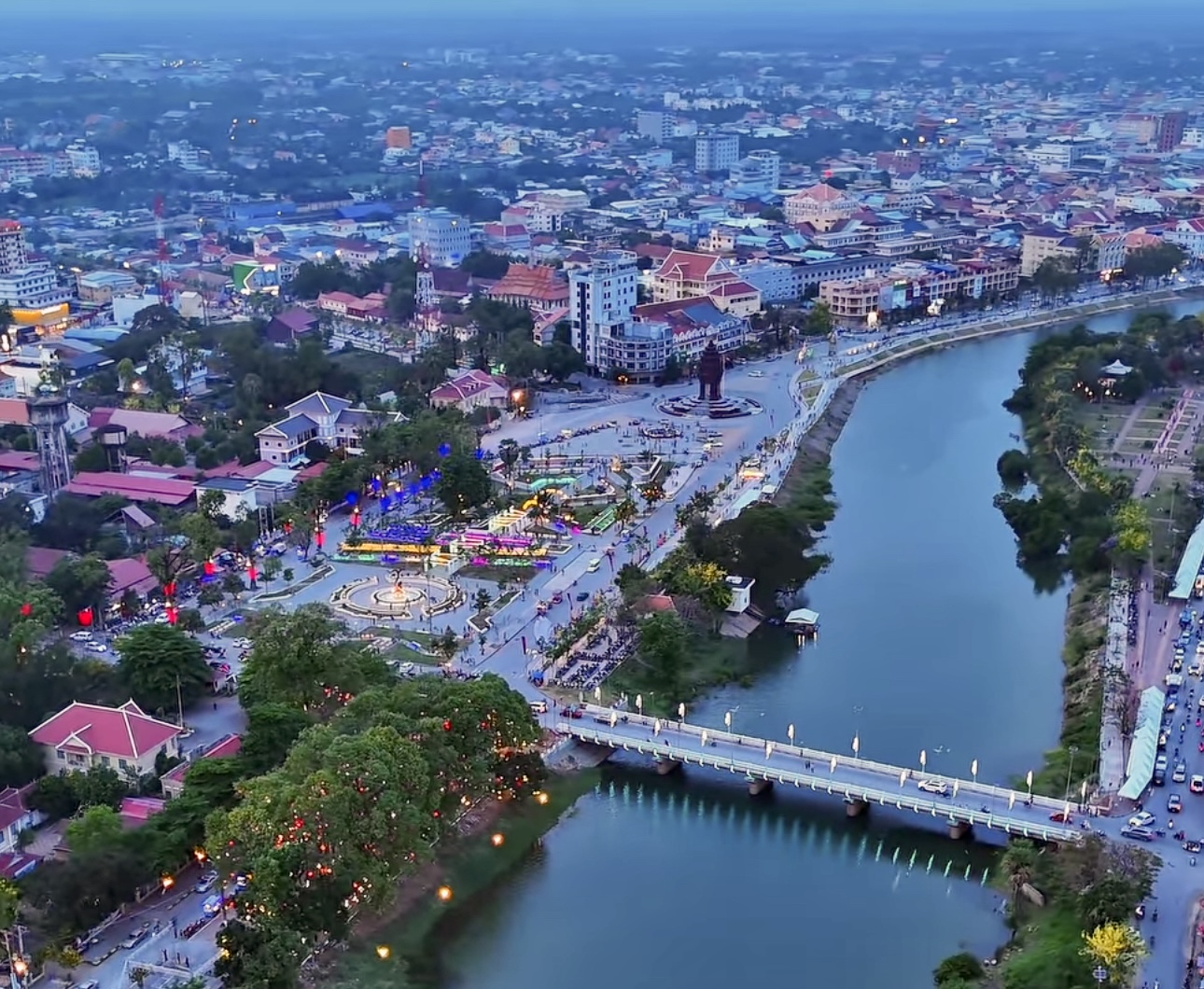 53
53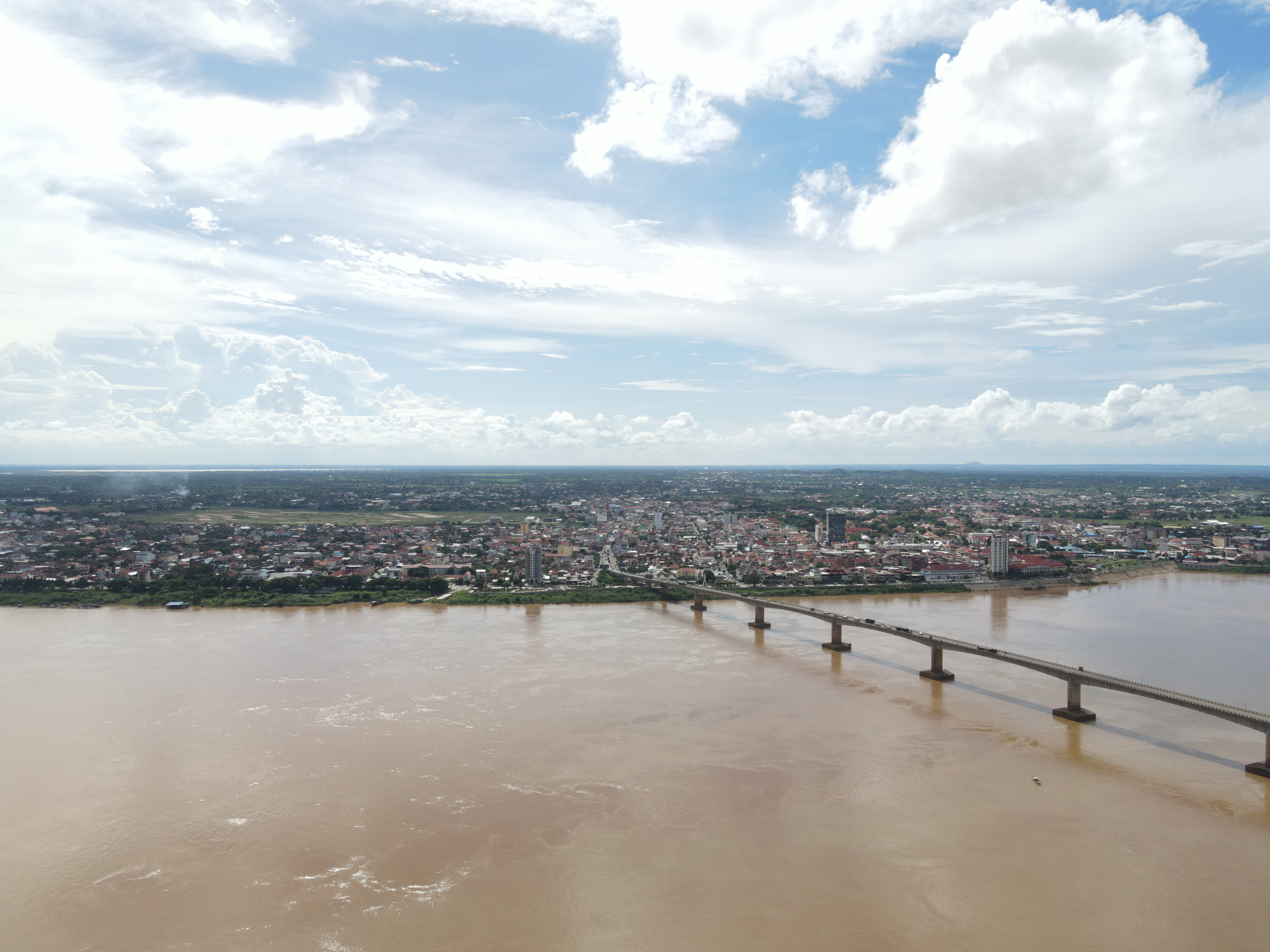 53
53 68
68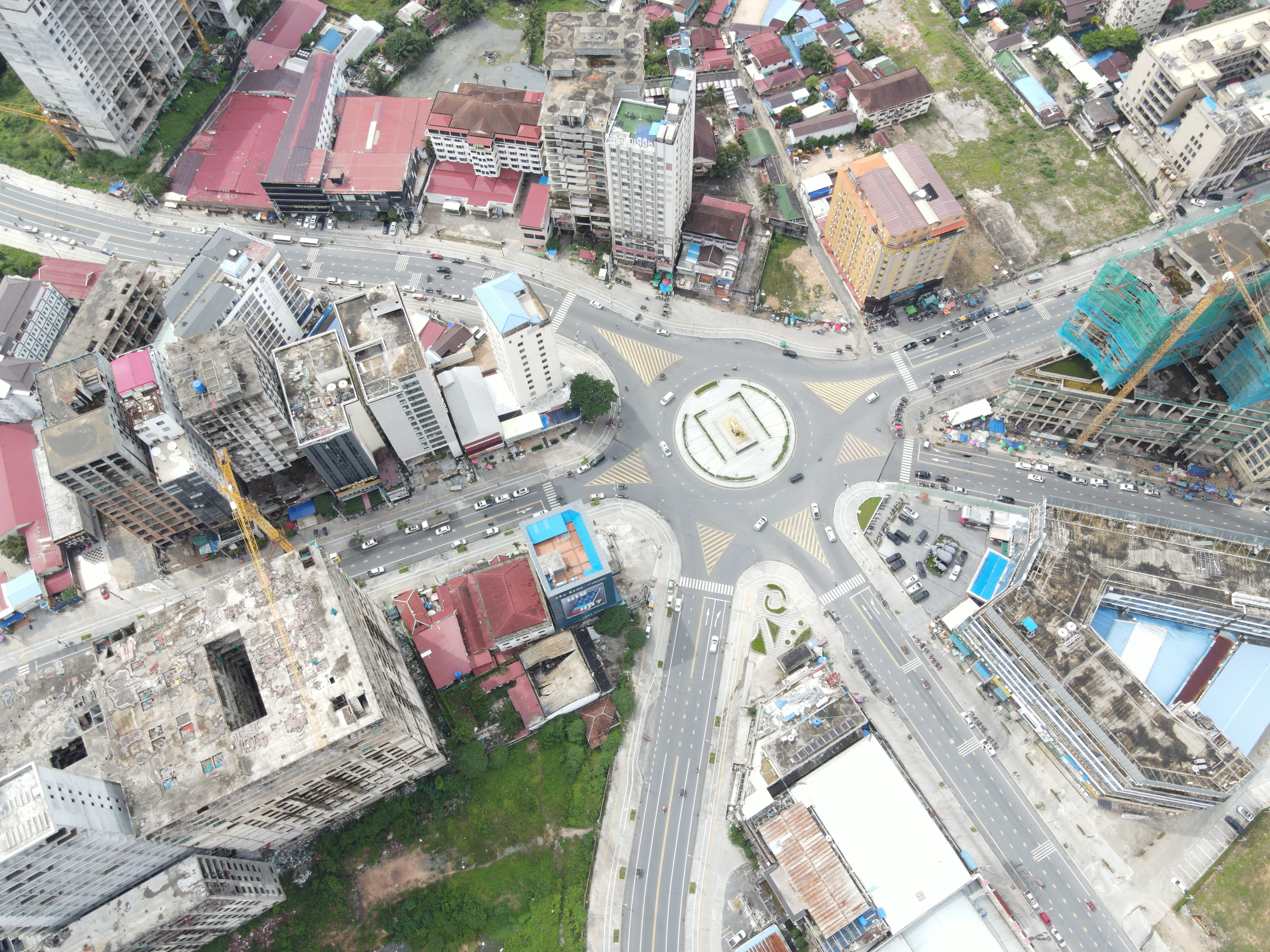 68
68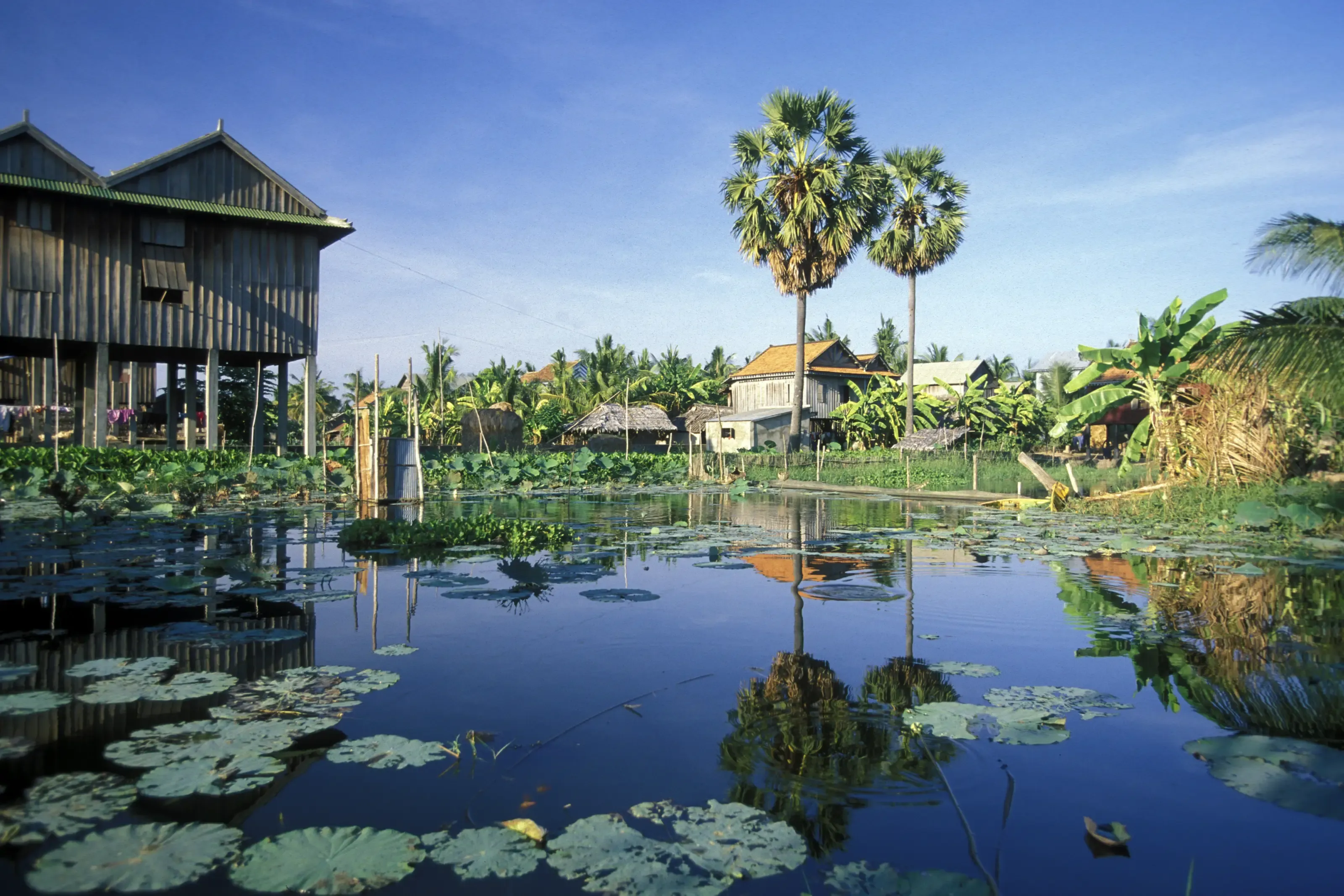 68
68The housing requirement and how people get it wrong
Accommodation proof gets treated by a lot of applicants as a formality, something to book quickly and forget about. It isn't, and the timing matters more than the paperwork itself. Signing a long lease before your extension is actually granted puts you on the hook for rent on a status you don't yet hold, and landlords accustomed to short-term renters aren't always set up to produce the kind of documentation immigration wants to see anyway. A guesthouse or serviced apartment booking that covers the processing window, followed by a lease once the extension clears, is the safer order of operations even though it feels less settled.
The part people underestimate is that this isn't a one-time hurdle. Each renewal cycle tends to ask for fresh proof of address, so a lease signed at the very start doesn't carry you through years of renewals unchanged. Anyone planning to stay put for a while ends up gathering updated documentation on roughly the same schedule as everyone renewing month to month, just with better furniture.
The gap between approval and holding a real permit
The visa you arrive on and the status you actually want are two different things, and conflating them is the single most common planning error. Entry happens on an ordinary visa good for a month. The business extension, the "EB" status that actually functions as the self-employment visa, gets applied for after arrival, inside the country, through immigration. That process moves fast, often clearing within a week and sometimes closer to two or three days, with no interview and no medical exam standing between application and approval.
What that speed doesn't buy you is local work authorization. The extension lets you remain in the country and run a business on paper, but it doesn't hand you a labor permit. If the plan ever grows to include hiring local staff or running a physical storefront rather than freelancing for clients abroad, that's a separate process layered on top, not something this visa quietly includes. People who land, get their extension in a week, and assume the legal groundwork is finished sometimes discover this gap only once they've already started operating locally.
What the long term actually requires
This visa doesn't accumulate toward anything. It renews, and renewing again after that renews it again, but none of those cycles convert into permanent residence or citizenship, no matter how many consecutive years someone stacks up. That's worth sitting with before treating Cambodia as a long-horizon base, because the renewal itself is truly easy, easy enough that it's tempting to keep doing it indefinitely without asking where it leads. It leads back to the same application, every time.
Anyone whose actual goal is eventual permanent status in Cambodia needs a different legal basis to get there, something unrelated to this visa category entirely. That's a separate decision with its own requirements, and conflating "I can stay here easily" with "I'm building toward something permanent" is where people lose years without realizing the clock was never running in that direction.
The Cambodia versus Thailand decision
For a remote freelancer weighing Southeast Asia, Thailand is the comparison that comes up almost automatically, and the two countries reward different priorities. Thailand's equivalent routes for remote income tend to ask for more upfront documentation and take longer to clear, but the status that comes out the other end generally reads as more durable to banks, landlords, and whoever reviews your next visa application somewhere else. Cambodia's version is the opposite bet: minimal friction, fast turnaround, a fee low enough not to think about, in exchange for a status that stays exactly as temporary in year three as it was in month one.
If the plan is to test the region for six months to a year while working the same remote job, Cambodia's speed is the better fit and there's little reason to front-load paperwork for a commitment you haven't made yet. If the plan already involves a multi-year base, a slower application elsewhere that produces a sturdier long-term status is worth the extra weeks it costs upfront. The mistake is picking Cambodia because it's easy and then trying to retrofit permanence onto a track that was never designed to hold it.
Work Permissions
Application Steps
- 1
Research
Verify all requirements for this visa type and country
- 2
Gather documents
Obtain all required documents (passport, financial statements, health insurance, etc.)
- 3
Complete application
Fill out the official application form
- 4
Submit application
Submit all documents to the appropriate consulate or online portal
- 5
Pay fees
Complete payment of application and visa fees
- 6
Attend interview
If required, attend any scheduled interviews
- 7
Wait for decision
Processing times vary from weeks to months
- 8
Travel and activate
Once approved, travel to the country and complete any activation requirements
Frequently Asked Questions
Click any question to expand the answer.
Ready to Apply?
Work with trusted visa specialists who handle the paperwork so you can focus on your move.
Get help with this visa →* We may earn a commission if you apply through our link
At a Glance
Last verified: October 9, 2026