Bulgaria Type D Visa for Pensioners
Min Monthly Income
€347.51 (≈ $388.73)
Application Fee
€100 (≈ $111.86)
Processing Time
about 3 months
Difficulty
Moderate
Duration
12 months
Path to Citizenship
10 years
Overview
Bulgaria grants one-year residence to foreign pensioners under Article 24(1)(10) of the Foreigners in the Republic of Bulgaria Act. The route runs in two stages: a Type D long-stay visa from a Bulgarian embassy or consulate, then a residence permit from the Migration Directorate after arrival.
You qualify with a pension from any country, a Bulgarian bank account that receives it, funds of at least six monthly Bulgarian pensions, accommodation, health cover of at least €30,000 and a police clearance certificate. The visa costs €100 and the first permit €255.65 in state fees.
The catch is paperwork and a ban on local work. Documents need legalization and Bulgarian translations, the bank account must exist before the visa application, and the permit gives no right to take a job. Long-term resident status becomes available after five years of continuous lawful residence.
Eligibility Requirements
The permit is open to nationals of countries outside the EU, the EEA and Switzerland. Every non-EU applicant needs a Type D visa for a stay of more than three months, including nationals who can enter Bulgaria without a visa for short visits. EU, EEA and Swiss citizens register their residence under separate rules and do not use this route.
The police clearance certificate must come from the country of citizenship or the country of habitual residence.
Min Income
€347.51 (≈ $388.73)
Min Savings
€2,085 (≈ $2,332.36)
Application Fee
€100 (≈ $111.86)
Renewal Cost
€255.65 (≈ $285.97)/yr
Duration
12 months
Max Absence
180 days
Language
Documents must be translated into Bulgarian and legalized. The application checklist includes no language test.
pension_ss · Pension / Social Security
Requirements Checklist
0 of 11 documents in hand
0%These take the longest, so start them first.
Request these while the slow items are in progress.
You only need these on the day you submit.
Extra requirements for this visa
- Apostille required on official documents
How and where to apply
Type D visa: in person at a Bulgarian embassy or consulate. Residence permit: in person at the Migration Directorate, 48 Knyaginya Maria Luisa Blvd, Sofia, or at the Migration unit of the regional Ministry of Interior directorate.
Tax Information
How Bulgaria taxes residents
Bulgaria taxes residents on worldwide income at a flat 10%. A person is resident with a permanent address in Bulgaria, with more than 183 days of presence in any twelve-month period, or with a centre of vital interests in the country. A permanent address alone does not make someone resident if the centre of vital interests is elsewhere.
Income from compulsory social insurance in Bulgaria or abroad is exempt, which covers foreign state pensions. Workplace and private pensions that fall outside that definition are taxed at the 10% rate for residents, so each pension needs to be classified before the first return.
What the IRS still wants
The United States taxes its citizens on worldwide income wherever they live, and the 2008 US-Bulgaria income tax treaty does not end that filing duty. Double taxation is handled through the foreign tax credit. Under the treaty, pensions and annuities are taxable only in the state of residence, while Social Security payments made by the United States to a Bulgarian resident, including a US citizen, are taxable only in the United States.
The Foreign Earned Income Exclusion, $132,900 for 2026, covers earned income only, so it does nothing for pensions or Social Security. Because the permit requires a Bulgarian bank account, a US filer whose foreign accounts together exceed $10,000 at any point in the year also files FinCEN Form 114, known as the FBAR.
Living in Bulgaria
COL Index vs NYC
42.2
Monthly Cost (excl. rent)
$691
1BR Rent (City Center)
$472
Safety Index
64.8
Healthcare Index
58.2
Quality of Life Index
148.5
Time Zone
UTC+02:00
Capital
Sofia
Population
6.9M
Official Languages
Bulgarian
Avg Internet Speed
94 Mbps
Public Transit Quality
Good
With a budget covering rent and living costs, you'd need roughly $1,163/mo for a comfortable single-person lifestyle in Bulgaria.See how far your money goes →
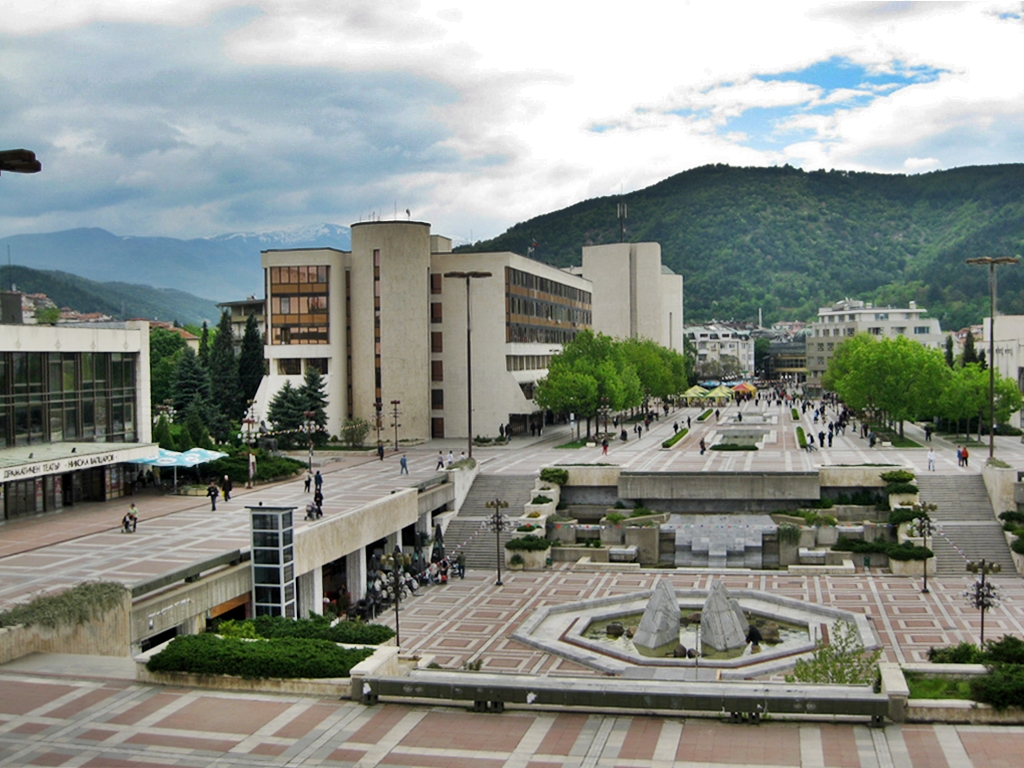
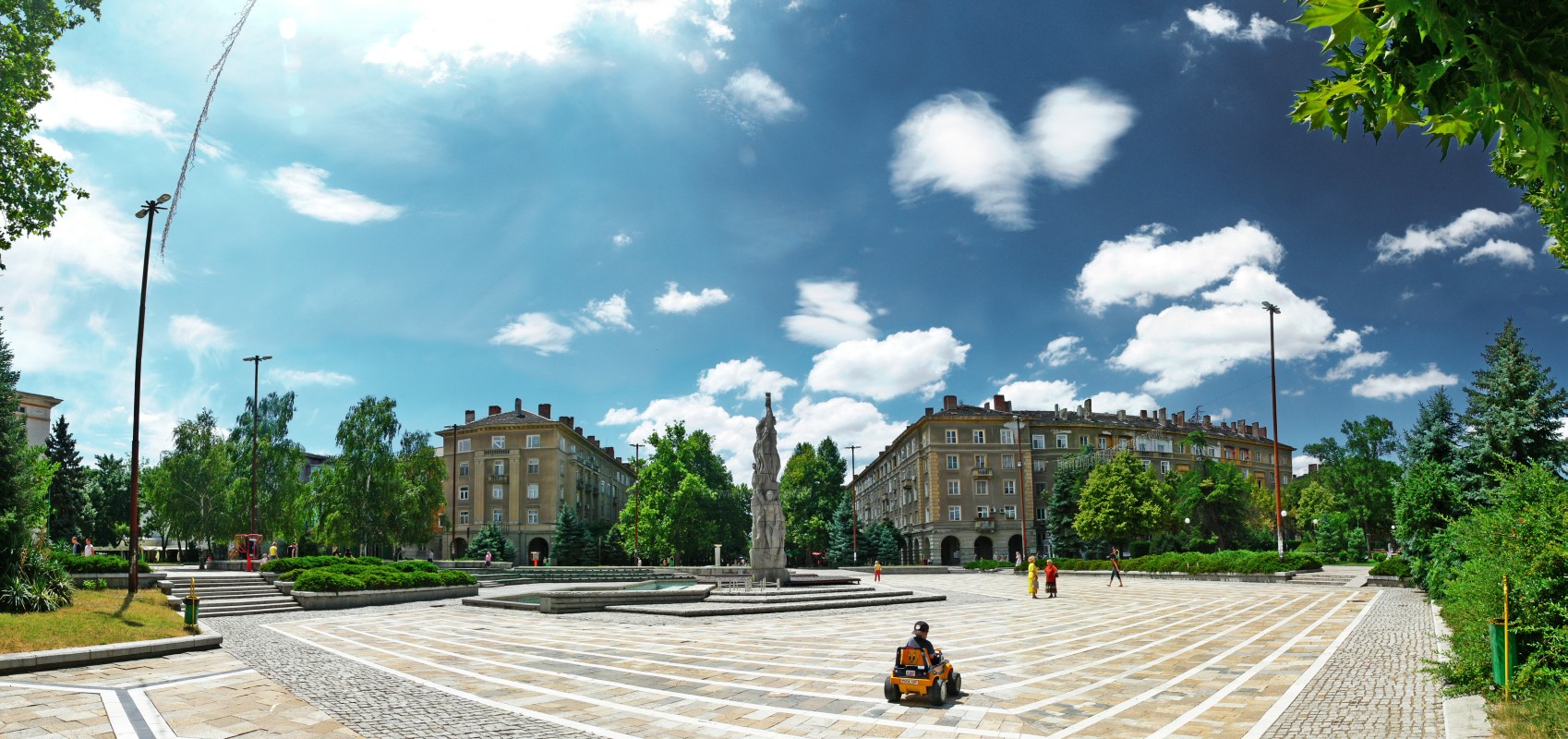
🏙️ Best Cities in Bulgaria for Retirees
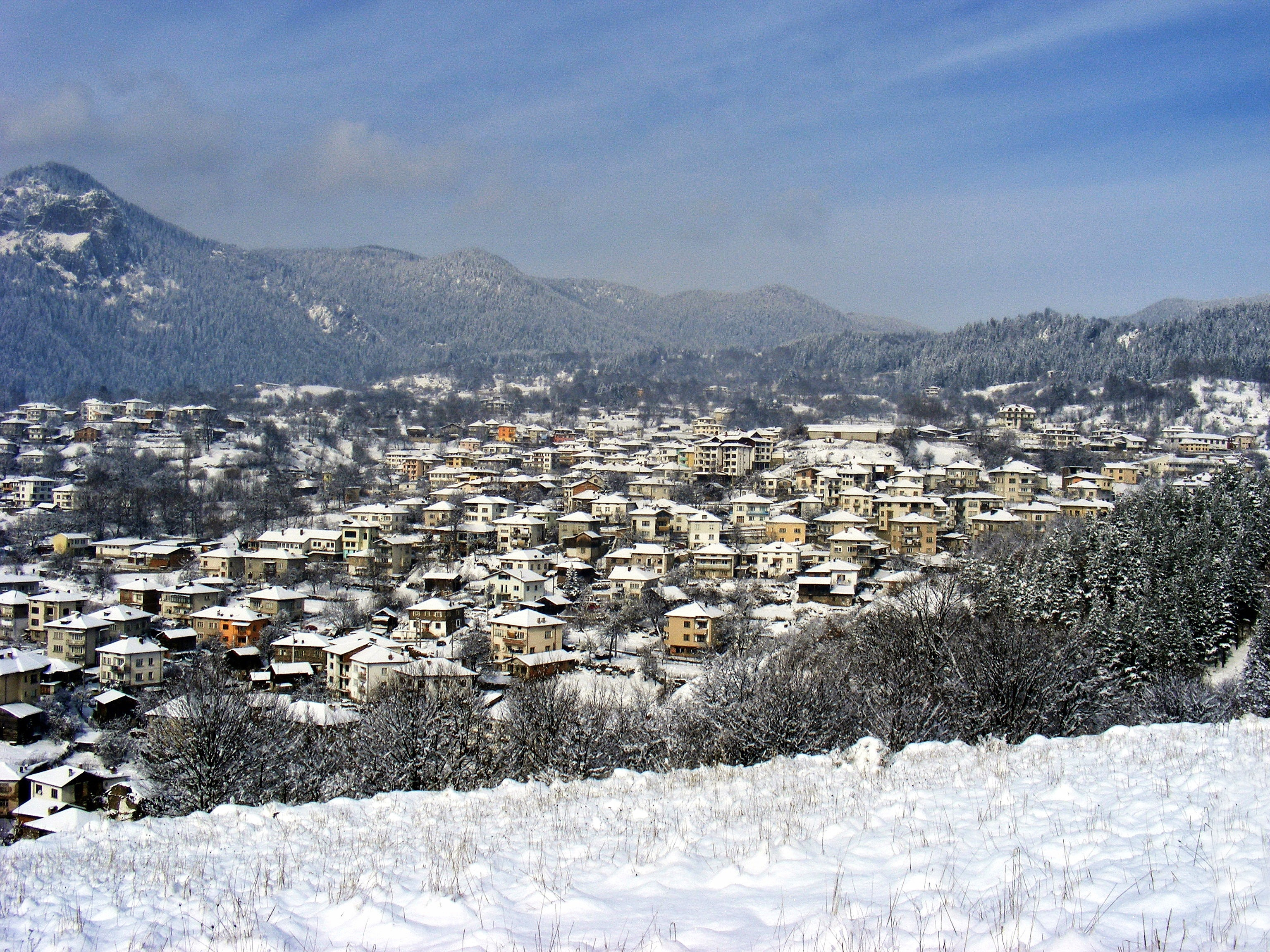 66
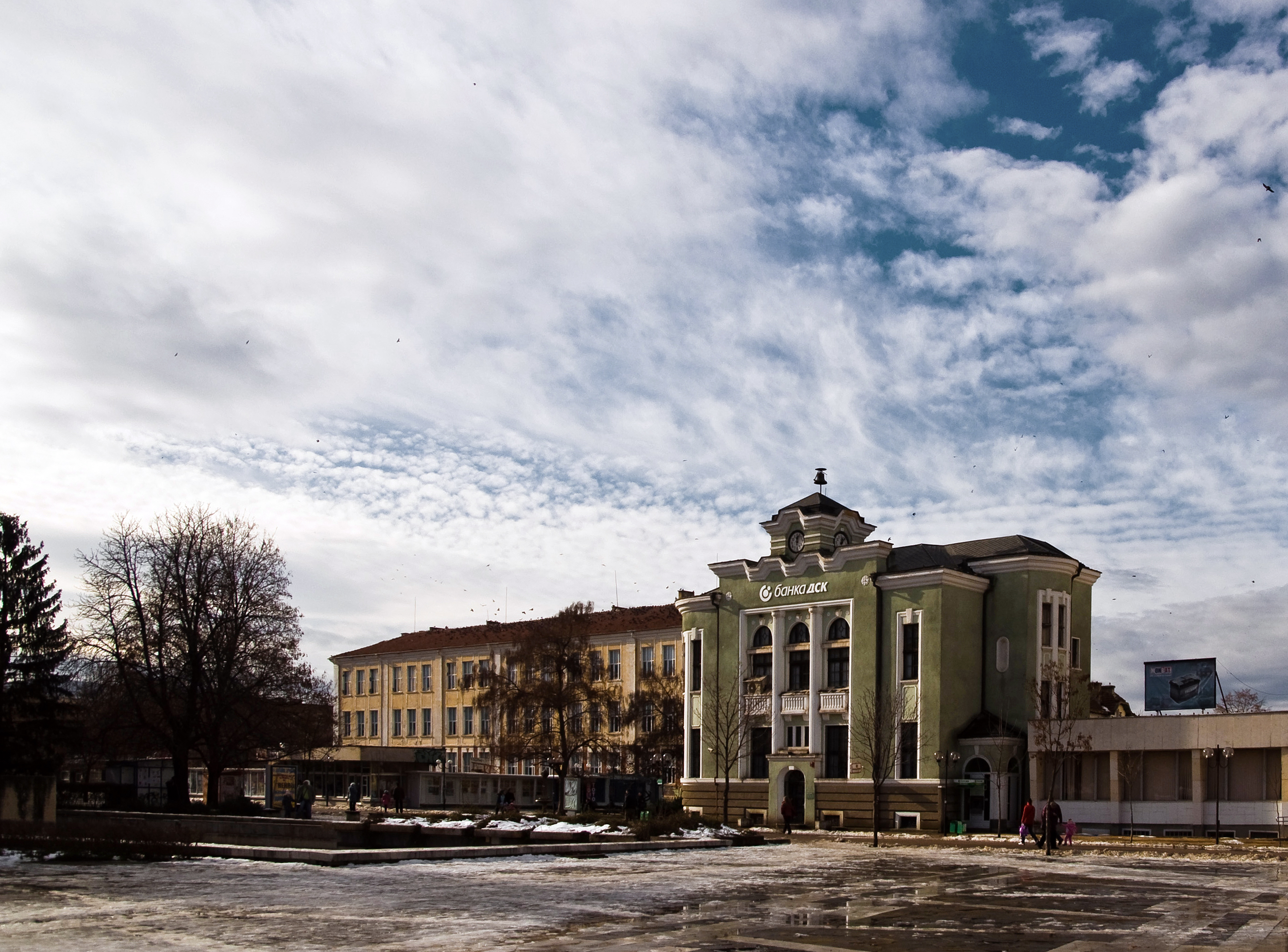 65
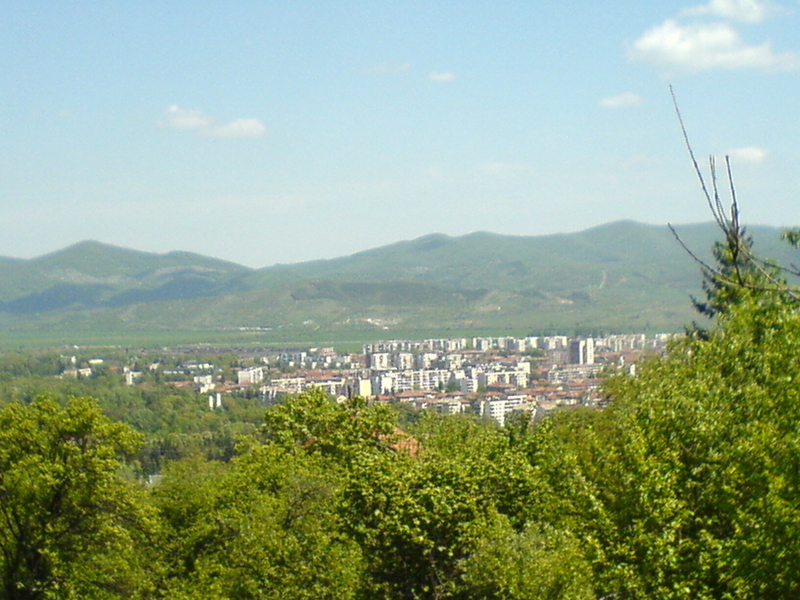 69
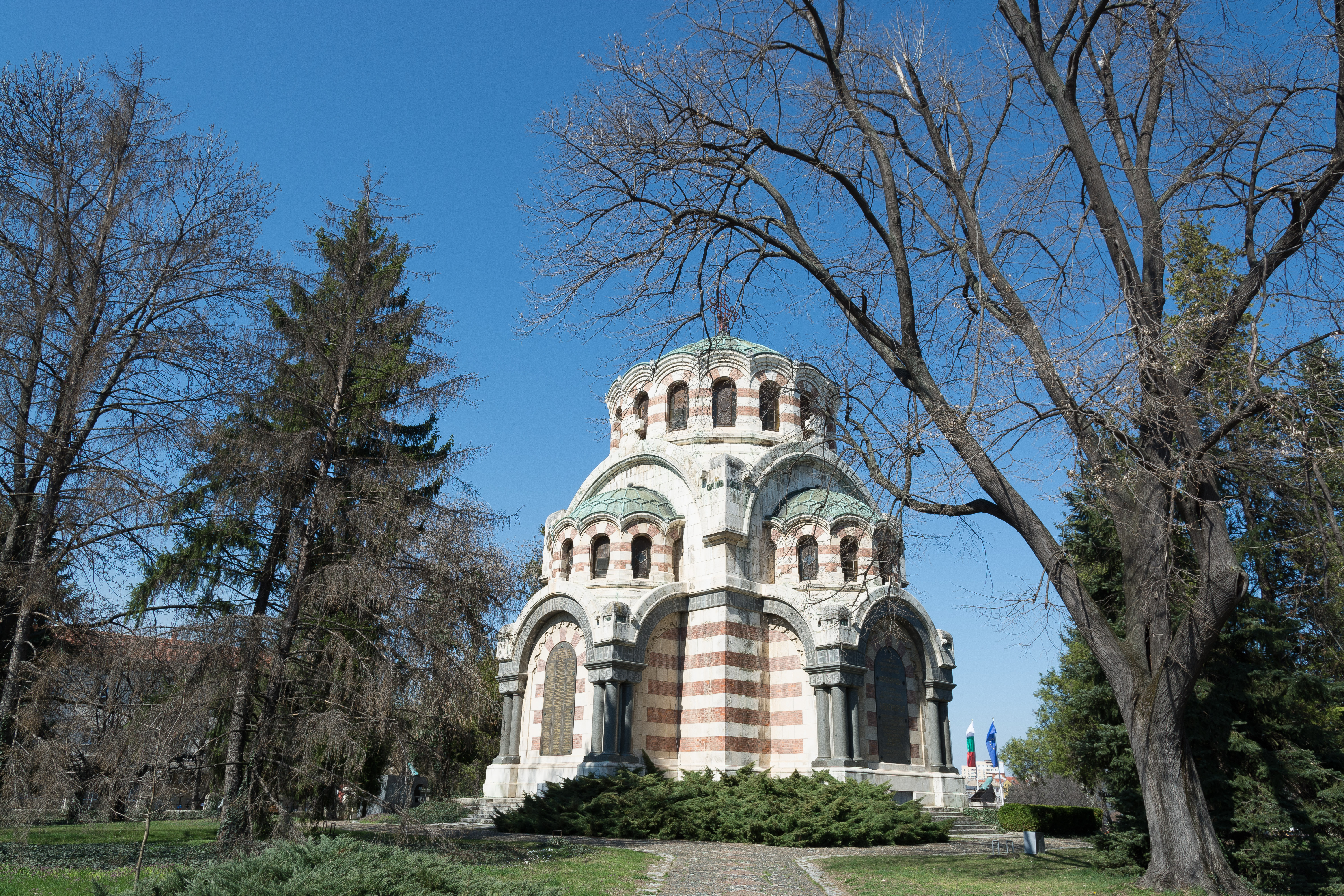 66
 72
 68
What the permit is
Bulgarian law lets a foreigner who has earned the right to a pension, under Bulgarian law, the law of the home country or another country, and who has enough means to live in the country, apply for long-term residence. The grounds sit in Article 24(1)(10) of the Foreigners in the Republic of Bulgaria Act, and the pension documents are listed in Article 23 of the implementing regulations.
The Type D visa lasts up to six months with a right to stay of up to 180 days. The residence permit that replaces it is issued for up to one year and is renewed annually.
Who qualifies
Entitlement to a pension is the test, and the statute names no minimum age. Evidence must come from the competent authority of the country that pays the pension, so a state pension letter is the cleanest proof. Investment or savings income does not replace it.
Applicants also need housing in Bulgaria, mandatory health cover, a clean police clearance certificate from the country of citizenship or habitual residence, and enough funds to live without recourse to Bulgaria’s social support system.
Financial requirements
The visa stage asks for a bank statement showing the equivalent of at least six monthly Bulgarian pensions. At the minimum old-age pension of €347.51 in force since 1 July 2026, that is about €2,085. The statement must come from a bank in Bulgaria, together with a certificate that the account will receive the pension transfers.
The permit stage asks for stable, regular funds of at least the Bulgarian minimum monthly wage, scholarship or pension for the whole period of stay. Applicant guidance uses the minimum pension, which puts a one-year permit at roughly €4,170. The minimum wage has been €620.20 since 1 January 2026.
Health insurance and accommodation
The visa requires a policy from an insurer licensed in the European Union with cover of at least €30,000, including repatriation, emergency medical care and emergency hospital treatment for the whole stay. At the permit stage, mandatory medical insurance valid in Bulgaria is required unless the applicant is already covered under the Health Insurance Act.
Accommodation can be owned or rented. A tenant must also present a notarised declaration from the owner agreeing that the tenant may be registered at the address.
Costs
The Type D visa fee is €100 and is not refunded if the visa is refused, as the consular fee schedule explains. After arrival, the state fee for a permit of up to one year is €255.65, plus €5.11 to file the application. The residence card costs €20.45 on the standard timeline, €40.90 on the fast one and €102.26 on the express one.
Translations, legalization, police certificates and insurance premiums come on top and depend on the country of issue.
Duration and renewal
The permit runs for up to one year. Renewal is filed in person no later than 14 days before expiry, and the Migration Directorate decides within 14 days, extendable by one month for complex files. Housing, health cover and funds are shown again each year. The police clearance certificate is needed only on the first application.
Family members
A spouse and minor children can apply for family reunification once the sponsor has held authorised residence for at least one year. The family file needs housing, funds of at least the minimum monthly wage or minimum pension, a police clearance certificate and marriage or birth certificates. The state fee for a permit of up to one year is €76.69.
Work and absences
The Labour Migration Act gives holders of pension-based residence no access to the labour market on that basis, so employment or freelance work needs a different residence ground. Continuous residence also drives the path to long-term status: an absence counts toward the five years only if it lasts under six consecutive months, and absences together may not exceed ten months in the period.
Path to long-term residence
After five years of lawful, uninterrupted residence, a pensioner can apply for long-term resident status under Article 24g of the Foreigners in the Republic of Bulgaria Act. The applicant must show funds of at least the minimum wage and minimum pension and valid health cover. Once granted, the status is permanent unless grounds for withdrawal arise. Citizenship by naturalization is a separate application with its own residence period and language test.
Work Permissions
Application Steps
- 1
📄 Collect and legalize the pension and civil documents
About 2 months
- 2
📋 Open a Bulgarian bank account
- 3
📋 Arrange health insurance and accommodation
- 4
📬 File the Type D visa application and pay €100
- 5
⏳ Wait for the visa decision
Up to 35 working days
- 6
🏛️ File the residence permit application in Bulgaria
Up to 6 weeks
- 7
🏛️ Collect the residence card and plan the renewal
Up to 30 days
This visa requires proof of health insurance. Compare international plans before you apply.
Compare health insuranceWe may earn a commission at no cost to you.
Compare this visa
Curated comparisons that include this route.
Frequently Asked Questions
Click any question to expand the answer.
Ready to Apply?
Work with trusted visa specialists who handle the paperwork so you can focus on your move.
Get help with this visa →* We may earn a commission if you apply through our link
At a Glance
Last verified: October 26, 2026