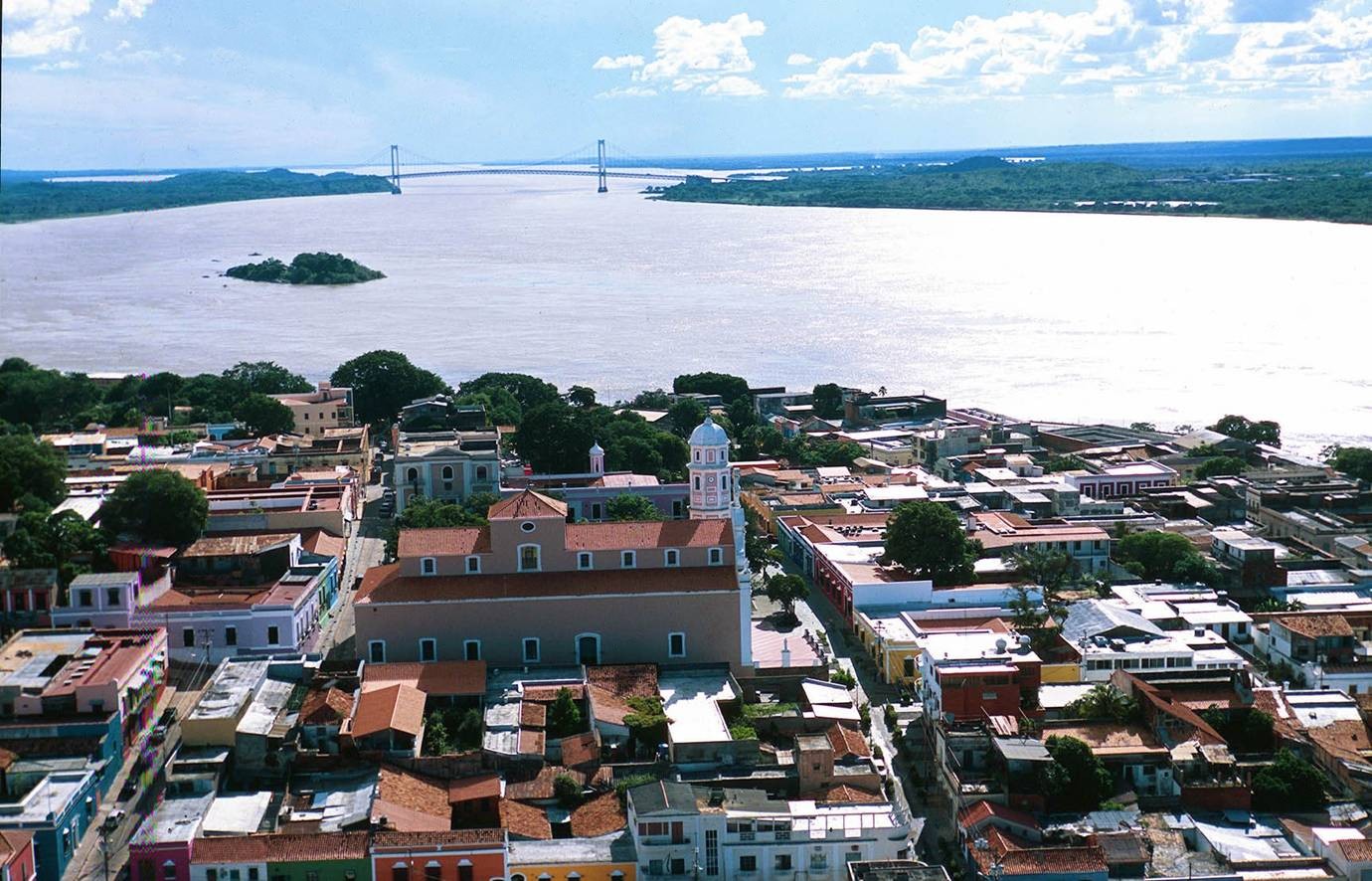
Ciudad Bolivar, Venezuela
Data updated Sep 3, 2026
📊 Scores
Best fit: FIRE / Geoarbitrage (score: 66)
River commerce is the backbone here — Ciudad Bolívar sits at a strategic Orinoco crossing and has historically funneled goods between eastern Venezuela and the rest of the country. Agriculture, cattle ranching, and gold/mineral trade from the Guayana region pass through its markets. But Venezuela's economic collapse has gutted formal employment. Most people survive through informal trade, remittances from family abroad, or dollar-denominated hustle. Foreign remote workers are the only expats who can realistically earn a living here — there is no expat job market to speak of.
A one-bedroom in the city center runs around $220/month, which sounds attractive until you factor in the context. Venezuela's bolivar is effectively worthless for savings; transactions increasingly happen in USD or Colombian pesos. Healthcare infrastructure exists on paper — there are hospitals — but chronic shortages of medicine and equipment make serious medical care genuinely dangerous. Bureaucracy is labyrinthine and corruption is routine. Spanish fluency is non-negotiable; English is almost nonexistent. Power outages and water interruptions are regular, not occasional. The safety index of 30 reflects real, persistent risk.
The climate is hot and humid year-round, averaging 27°C, with a long rainy season from May through November that turns streets into rivers. The colonial center and the Jesús Soto Museum of Modern Art are legitimately impressive — weekend culture here means plazas, river walks, and local food like cachapas and grilled river fish. The expat community is tiny and mostly transient. This city suits exactly one type of person: a Spanish-fluent remote worker who earns in hard currency, has a high tolerance for infrastructure failure, and wants to live cheaply in a historically significant place most foreigners never see.
🏚️ Cost of Living
💰 Budgets and Costs
Grocery Basket
Eating Out
Utilities & Lifestyle
Housing
A 1BR in the center runs about $220/mo. If your income is in another currency, bank FX fees add up. A multi-currency account can cut that cost.
See low-fee transfersWe may earn a commission at no cost to you.
💰 Real Spend Reports
🛡️ Safety & Crime
(Higher is safer)
(Lower is safer)
Ciudad Bolívar feels unsafe for most expats, especially after dark. Walkability is severely limited at night; locals avoid streets after sunset. The city's reputation for danger is largely justified—violent crime, armed robbery, and gang activity are genuine concerns. Day-to-day life requires constant vigilance and situational awareness. Most expats live in gated compounds and use private transportation exclusively.
Common threats include armed robbery, carjacking, home invasion, and petty theft in crowded areas. Avoid displaying valuables, using ATMs alone, or traveling to peripheral neighborhoods. Solo female travelers face elevated harassment and safety risks. The Orinoco waterfront and certain barrios are particularly dangerous. Police presence is minimal and corruption is widespread; reporting crimes often yields no results.
Venezuela's political and economic collapse creates an unstable environment. Shortages of fuel, medicine, and food are chronic. Police are unreliable and sometimes complicit in crime. Protests and civil unrest occur unpredictably. For Americans considering relocation, Ciudad Bolívar presents serious security challenges that outweigh any cost-of-living advantages. This city is not recommended for remote workers or retirees seeking a stable, secure lifestyle abroad.
Ciudad Bolivar has a safety index of 30/100. Petty theft and lost belongings are the most common problems for newcomers. Compare travel insurance before you go.
Compare travel insuranceWe may earn a commission at no cost to you.
🏥 Healthcare
🌤️ Climate
Best Months
Climate Notes
Tropical savanna climate; hot year-round on the Orinoco River.
💻 Digital Nomad
Community Notes
| Name | Price/mo | Notes |
|---|---|---|
| Regus Ciudad Bolivar | $60 | A reliable option with standard Regus amenities, located in a central business district. Offers private offices and coworking spaces, suitable for those needing a professional environment. |
| Oficina247 | $50 | A local coworking space that provides a good alternative to Regus. It is located in the commercial area of Ciudad Bolivar and offers a friendly atmosphere. |
Working remotely from Ciudad Bolivar? Nomad health insurance covers you across borders, month to month.
See nomad insuranceWe may earn a commission at no cost to you.
🧳 Expat Life
Expat Life Notes
A historic city on the Orinoco river. Expat relocation has virtually ceased due to the national economic collapse.
Pros
- ✓ Historic colonial architecture
- ✓ Low cost of living for external earners
Cons
- ✗ Safety and security risks
- ✗ Severe lack of basic resources
- ✗ Infrastructure in disrepair
Could living/working in Ciudad Bolivar cut years off your work life?
With a 1-bedroom in the center at $220/mo, your FIRE number here might be much lower than you think.
Moving to Ciudad Bolivar? Estimate what an international move would cost and compare mover quotes.
Estimate my move costShare This Guide
Ciudad Bolivar won't stay this cheap forever.
Cost-of-living and visa updates for Ciudad Bolivar and the rest of Venezuela. Free with RA Postcards.
By submitting your email address, you will receive a free subscription to RA Postcards and special offers from Rewire Abroad and our affiliates. You can unsubscribe at any time, and we encourage you to read more about our Privacy Policy.