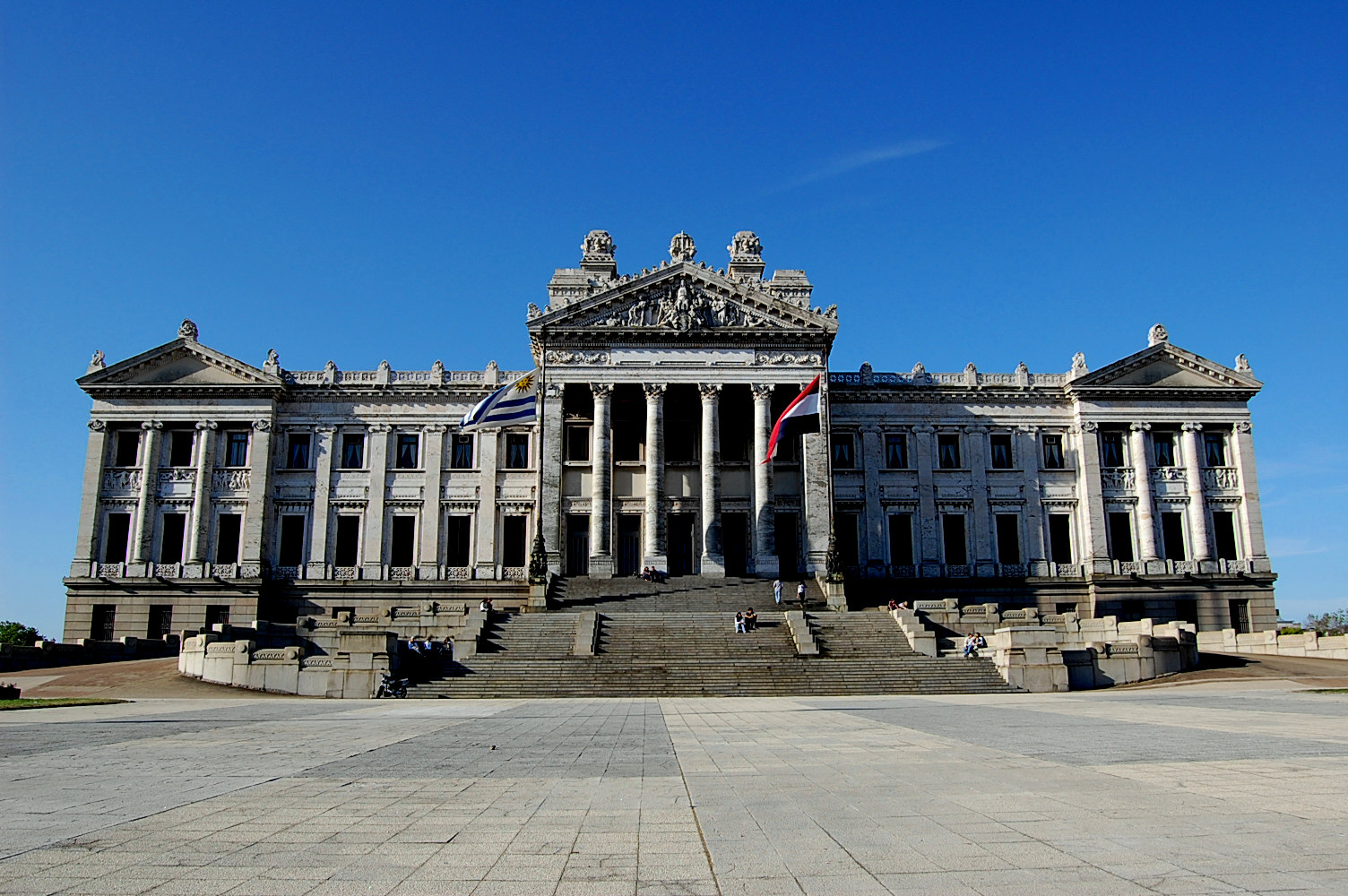
Montevideo, Uruguay
Data updated Sep 29, 2026
📊 Scores
Best fit: FIRE / Geoarbitrage (score: 72)
At $30,148 per capita, this is one of Latin America's wealthiest cities, and the economy reflects that stability. Mercosur and ALADI are both headquartered here, which draws regional trade bureaucrats, lawyers, and policy professionals. The tech sector has grown meaningfully — several Uruguayan startups have scaled internationally, and remote workers find the infrastructure reliable. Banking, logistics, and port-related industries dominate traditional employment. For locals, public sector jobs are common and stable; for expats, the realistic paths are remote work, regional corporate roles, or entrepreneurship.
A one-bedroom in the city center runs around $700/month — not cheap by regional standards, but reasonable given the quality of infrastructure. Public transit (buses only — no metro) covers most of the city adequately. Healthcare is a genuine strength: Uruguay's mutualista system lets residents access solid private healthcare for roughly $80–120/month in contributions. The language barrier is real — English penetration outside tech and tourism is low, and Spanish fluency is effectively mandatory for daily life. Bureaucracy for residency is manageable but slow; expect 6–12 months and multiple in-person appointments.
Winters are mild but grey and damp from June through August, with temperatures hovering around 10–14°C — not brutal, but not what most people picture when they imagine South America. Summers are warm and genuinely pleasant, and the rambla along the Río de la Plata is where the city actually lives on weekends: cycling, mate in hand, watching the water. The food scene leans heavily on beef and Italian-influenced staples; it's good, not adventurous. The expat community is small but established, concentrated in Pocitos and Punta Carretas. This city suits people who want European-style stability and safety in Latin America without paying European prices.
🏚️ Cost of Living
💰 Budgets and Costs
Grocery Basket
Eating Out
Utilities & Lifestyle
Housing
A 1BR in the center runs about $700/mo. If your income is in another currency, bank FX fees add up. A multi-currency account can cut that cost.
See low-fee transfersWe may earn a commission at no cost to you.
💰 Real Spend Reports
🛡️ Safety & Crime
(Higher is safer)
(Lower is safer)
Montevideo is genuinely one of South America's safer capitals, with a relaxed, European-influenced vibe that feels walkable day and night in most neighborhoods. Expats report feeling comfortable using public transport and walking after dark in central areas like Ciudad Vieja and Pocitos. The city's reputation for safety is well-earned—it's significantly safer than Buenos Aires, Lima, or Bogotá, though petty theft remains a concern in crowded areas.
Pickpocketing and bag snatching occur in tourist zones and on crowded buses, particularly around Mercado del Puerto and during peak hours. Avoid displaying expensive jewelry, cameras, or large amounts of cash. Violent crime is rare but concentrated in outer neighborhoods like Cerro and La Teja; stick to central and eastern residential areas. Solo female travelers report feeling safe, though standard precautions apply—avoid isolated areas late at night and use registered taxis or Uber.
Uruguay has stable democratic institutions, low corruption by regional standards, and reliable police. Political protests are occasional but rarely violent. The main concern is petty crime rather than systemic instability. For Americans considering relocation, Montevideo offers genuine safety, good healthcare, and a high quality of life—it's a legitimate option for remote workers and retirees seeking a stable, walkable city without the security concerns of larger regional capitals.
🏥 Healthcare
🌤️ Climate
Best Months
Climate Notes
Humid subtropical climate with well-distributed rainfall throughout the year.
💻 Digital Nomad
Community Notes
| Name | Price/mo | Notes |
|---|---|---|
| Sinergia Cowork | $150 | Sinergia has multiple locations in Montevideo, including one in the Ciudad Vieja (Old City) and another in Carrasco. They offer a vibrant community, regular events, and a mix of open workspaces and private offices, making it ideal for networking and collaboration. |
| Regus Montevideo | $200 | Regus offers several locations in Montevideo, providing a professional and reliable coworking environment. Their locations in World Trade Center Montevideo and Zonamerica offer modern amenities, meeting rooms, and business support services, suitable for those needing a more corporate setting. |
| Urban Station | $180 | Located in Pocitos, Urban Station provides a modern and stylish coworking space with a focus on design and comfort. They offer flexible membership options, private booths, and a cafe, making it a great choice for digital nomads seeking a productive and social atmosphere. |
| Cowork Café | $120 | Cowork Café, situated in Parque Batlle, provides a relaxed and friendly coworking environment with a focus on community. It's a smaller, more intimate space, perfect for those who prefer a quieter atmosphere and enjoy working alongside other freelancers and entrepreneurs. |
Working remotely from Montevideo? Nomad health insurance covers you across borders, month to month.
See nomad insuranceWe may earn a commission at no cost to you.
🧳 Expat Life
Expat Life Notes
A safe, stable capital with a laid-back lifestyle and a welcoming atmosphere for expats.
Pros
- ✓ High safety and stability
- ✓ Beautiful coastline (Rambla)
- ✓ Inclusive social policies
Cons
- ✗ High cost of living for South America
- ✗ Very slow pace (bureaucracy)
- ✗ Quiet social life in winter
🛂 Visa Options for Uruguay
Many long-stay visas require proof of health insurance. Compare international health plans before you apply.
Compare health insuranceWe may earn a commission at no cost to you.
Living on investment or passive income? Uruguay Temporary Residency may be the right fit — minimum $1,500/month required.
View full requirements →Living on investment or passive income? Uruguay Retirement Visa may be the right fit — minimum $500/month required.
View full requirements →Earning over $500/mo? You may qualify for a Uruguay visa.
Answer 10 questions and get a personalized match in under 2 minutes.
Could living/working in Montevideo cut years off your work life?
With a 1-bedroom in the center at $700/mo, your FIRE number here might be much lower than you think.
Moving to Montevideo? Estimate what an international move would cost and compare mover quotes.
Estimate my move cost📚 Related Reading
Share This Guide
Montevideo won't stay this cheap forever.
Cost-of-living and visa updates for Montevideo and the rest of Uruguay. Free with RA Postcards.
By submitting your email address, you will receive a free subscription to RA Postcards and special offers from Rewire Abroad and our affiliates. You can unsubscribe at any time, and we encourage you to read more about our Privacy Policy.