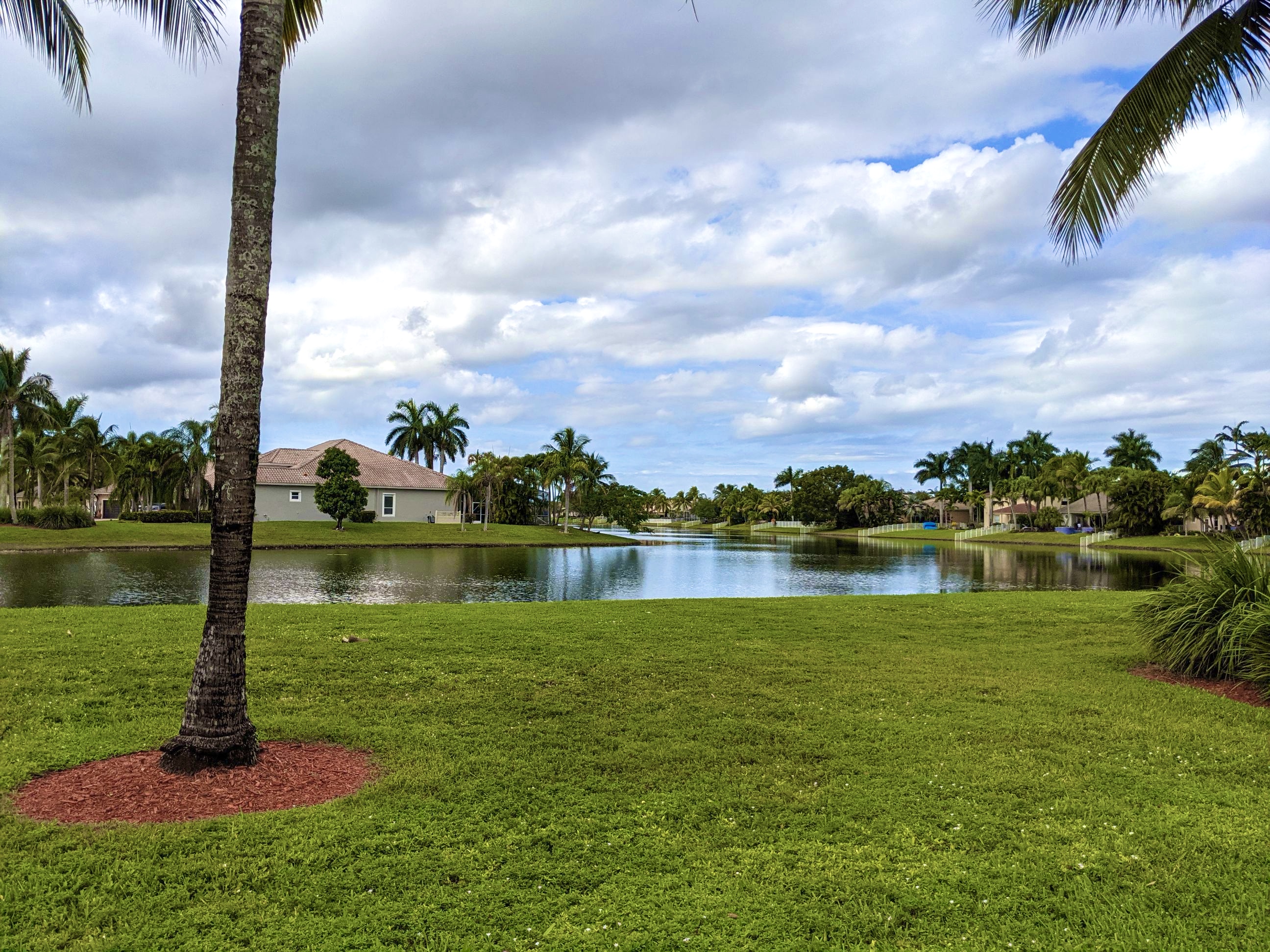
Pembroke Pines sits about 5 kilometers from Miami-Opa Locka Executive Airport (OPF) in South Florida, barely a meter above sea level. The city's humid subtropical climate delivers hot, wet summers from June through September, with frequent afternoon thunderstorms, and mild, dry winters. Expats tend to settle in the Silver Lakes and Chapel Trail neighborhoods, drawn by their suburban layout and access to amenities. The expat community here is medium-sized, and English is widely spoken, making daily life straightforward for newcomers.
Living costs in Pembroke Pines are reasonable compared to many U.S. cities, with a cost of living index of 82 out of 100 (New York City equals 100). A single adult on a budget tier can manage total monthly expenses of $1,876, including rent, while a mid-range tier runs $3,009 and a comfortable tier $3,438. Rent for a one-bedroom in the city center averages $2,167 per month; outside the center it drops to $2,050. A three-bedroom in the center costs $3,100, and outside the center $3,075. Monthly utilities run $224, internet $81, and a mobile phone plan $64. A monthly public transport pass is $45, and a gym membership is $29. An inexpensive restaurant meal costs $30 per person, a three-course meal for two at a mid-range restaurant is $90, and a cappuccino is $5. The average monthly net salary locally is $4,456, which covers the comfortable tier with room to spare.
Safety is a solid consideration here: the safety index stands at 60 out of 100, and the crime index is 40 (lower is safer). Healthcare quality is rated as excellent, and the air quality index is 52 (lower is better), reflecting the area's generally clean environment. These factors make the city appealing for those prioritizing personal well-being and security.
Visitors and new residents can fly into OPF, just 5 kilometers away. For those looking to stay long-term, visa pathways exist but are not detailed here. Pembroke Pines suits a range of lifestyles: digital nomads give it a score of 73 out of 100, expats overall rate it 73, retirees give it 57, and the FIRE community scores it 52. The combination of good internet speeds (220 Mbps), reasonable costs, and excellent healthcare makes it a practical choice for remote workers and families alike.