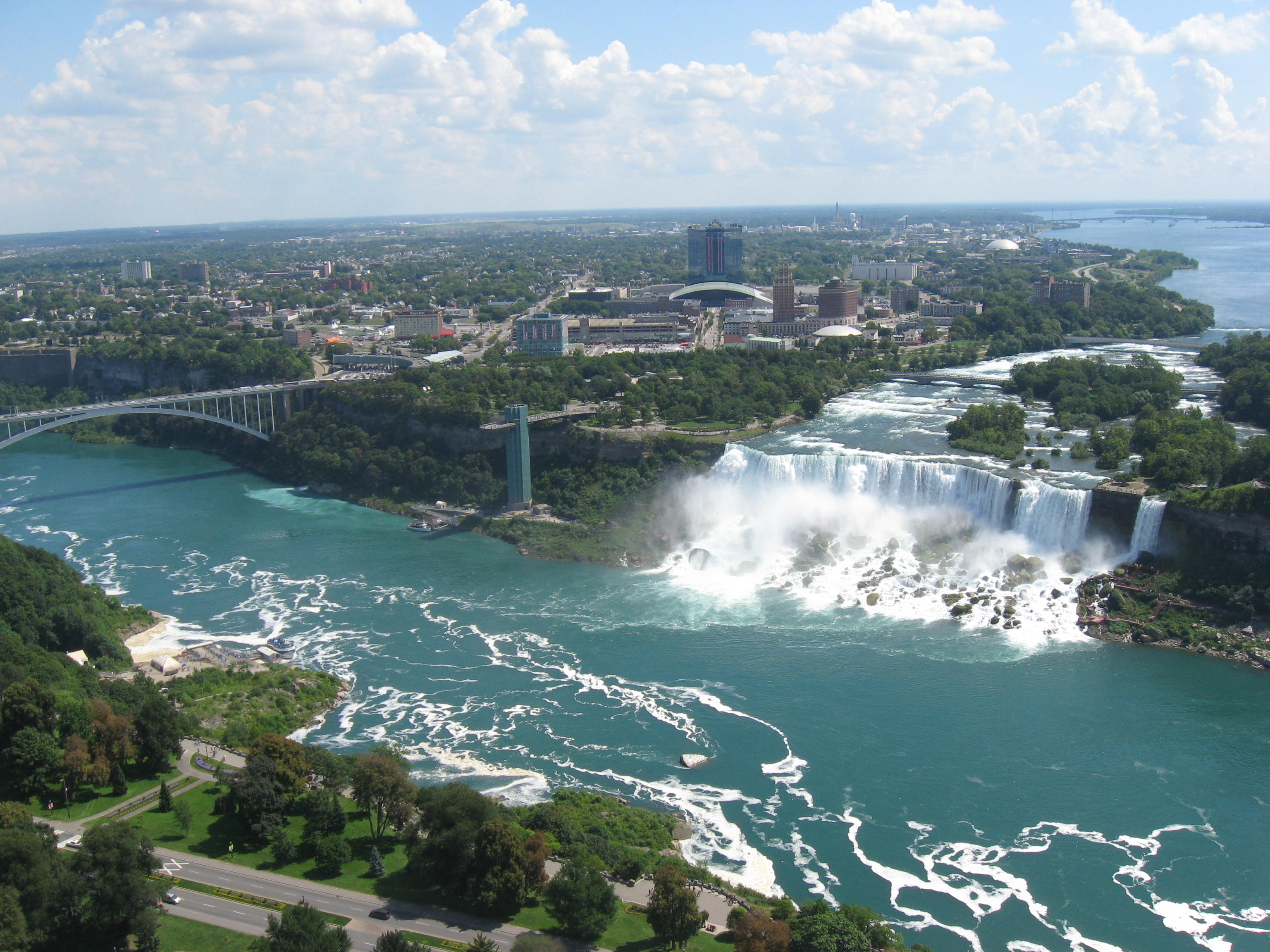
The economy here is a cautionary tale of post-industrial decline. Niagara Falls built itself on hydroelectric power and heavy manufacturing—petrochemicals, metallurgy, rubber—but those plants gutted the city starting in the 1960s. Population crashed from 102,000 to 48,000. Tourism around the Falls itself generates some revenue, but it's seasonal and doesn't employ enough people at livable wages. Most stable work requires commuting to Buffalo (30 minutes) or crossing into Canada. Remote work is honestly your best bet.
Rent runs $1,100/month for a one-bedroom downtown, which is reasonable but reflects a depressed market—many buildings are vacant or deteriorating. Public transit is minimal; you need a car. Healthcare access is adequate through local hospitals, though specialists often mean Buffalo trips. The language barrier is zero (English-speaking US city), but bureaucracy is standard American complexity. Winter is brutal: heavy snow, sub-zero temps, and gray skies November through March. The Falls themselves are genuinely stunning but touristy and crowded.
Winters are long and punishing; summers are mild. Food scene is thin—chain restaurants dominate, though Buffalo's culinary reputation doesn't extend here. The expat community is nearly nonexistent; you'll mostly find retirees, working-class locals, and seasonal tourists. Weekends mean hiking nearby gorges, visiting the Falls (if you can tolerate crowds), or driving to Buffalo for culture. This city suits remote workers seeking ultra-low cost of living and don't mind isolation, but it's genuinely struggling and won't feel like a thriving destination.