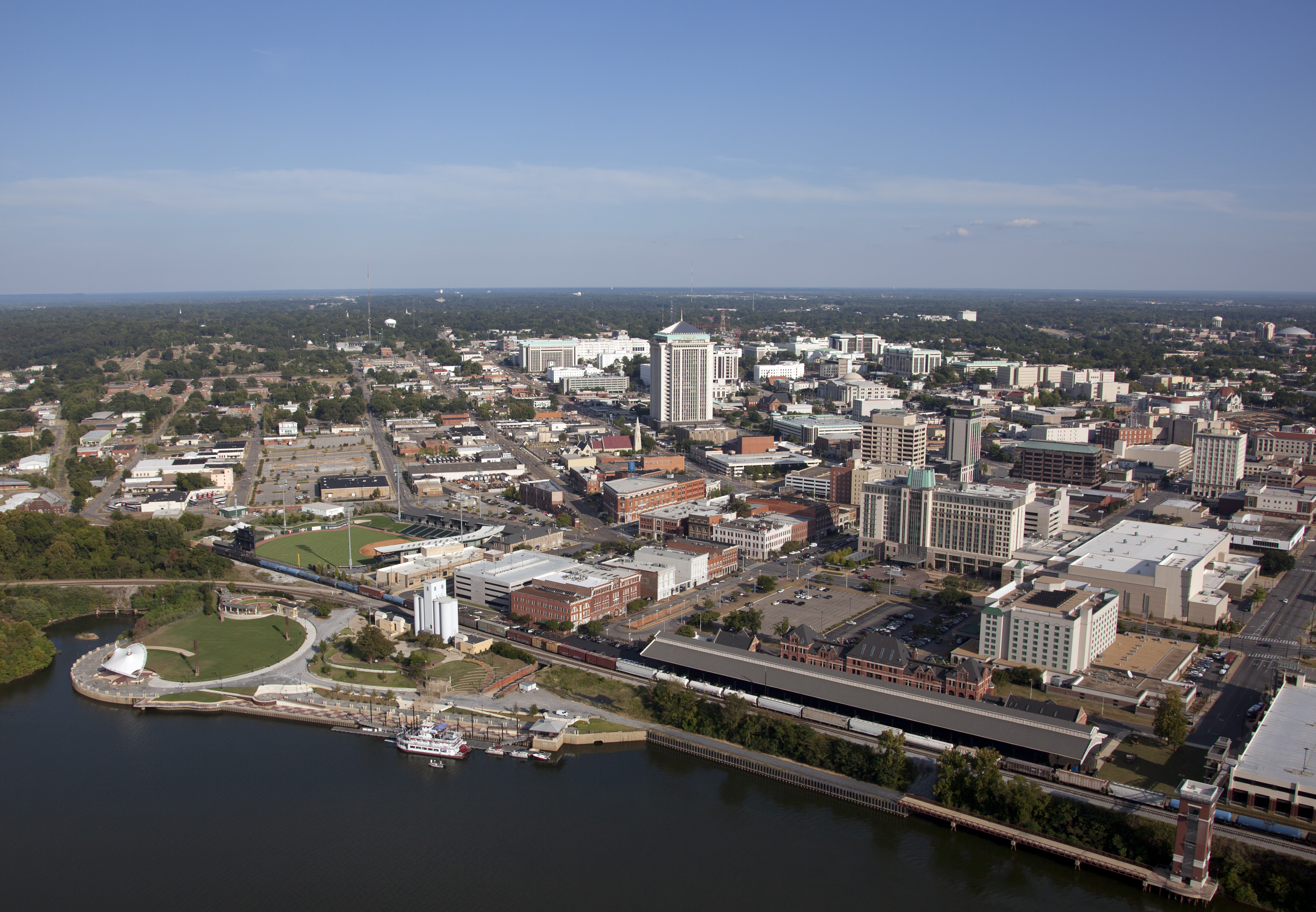
Montgomery, AL, United States
Data updated Sep 3, 2026
📊 Scores
Best fit: Digital Nomad (score: 69)
Government and defense drive Montgomery's economy, with Maxwell Air Force Base employing thousands of military personnel and civilian contractors. Hyundai's manufacturing plant adds industrial jobs, while three public universities create education sector employment. State government positions offer stability but modest pay scales. The job market leans heavily on these anchor institutions — if you're not connected to the military, automotive, education, or state government, opportunities thin out quickly. Private sector growth exists but remains limited compared to larger Southern cities.
Rent averages $1,050 monthly for a one-bedroom downtown, dropping to $700-800 in suburban areas. Public transit is minimal — you need a car. Healthcare access is decent through Baptist Health and Jackson Hospital systems, though specialists may require trips to Birmingham. English dominates, but growing Latino populations mean basic Spanish helps in service jobs. State bureaucracy moves at typical Southern government pace, meaning patience for permits and licensing. The summer heat (90°F+ for months) drives up cooling costs significantly.
Summers are brutally humid with heat indices over 100°F, while winters stay mild around 50-60°F. The food scene centers on traditional Southern cuisine with emerging farm-to-table spots downtown. Weekend options include riverfront activities, the Shakespeare Festival, and Civil Rights Trail sites. The expat community is small — mostly military families and international students. Social life revolves around university events, church communities, and outdoor activities when weather permits. Montgomery works best for government employees, military families, and those who appreciate slower-paced Southern living with cultural depth.
🏚️ Cost of Living
💰 Budgets and Costs
Grocery Basket
Eating Out
Utilities & Lifestyle
Housing
A 1BR in the center runs about $1287.67/mo. If your income is in another currency, bank FX fees add up. A multi-currency account can cut that cost.
See low-fee transfersWe may earn a commission at no cost to you.
💰 Real Spend Reports
🛡️ Safety & Crime
(Higher is safer)
(Lower is safer)
Montgomery feels moderately safe for daily life, though it's a Southern city with visible socioeconomic disparities. Downtown and well-maintained neighborhoods are generally walkable during daylight; nighttime walking depends heavily on specific blocks. The city's safety index of 65 reflects a mixed reality—safer than many mid-sized U.S. cities, but with pockets of higher crime that require local awareness rather than constant vigilance.
Property crime (car break-ins, package theft) is more common than violent crime. Avoid isolated areas after dark, particularly in neighborhoods south and east of downtown. Petty theft from vehicles is routine; don't leave valuables visible. Solo female travelers should exercise standard urban caution—the city isn't notably hostile, but it's not exceptionally welcoming either. Scams are typical of U.S. cities; no specific expat-targeting schemes are documented.
Montgomery is politically conservative and stable with reliable police services. No significant geopolitical risks or protest activity targeting expats. The main consideration is whether you're comfortable in a mid-sized Southern city with limited international infrastructure and a slower pace. For Americans relocating domestically, it's a reasonable choice—affordable, predictable, and safer than its reputation suggests, though not a standout for expat communities.
🏥 Healthcare
🌤️ Climate
Best Months
Climate Notes
Montgomery, AL experiences hot, humid summers with temperatures reaching up to 38°C and mild winters dropping to around -1°C, alongside an average humidity level of 70%.
💻 Digital Nomad
Community Notes
Working remotely from Montgomery, AL? Nomad health insurance covers you across borders, month to month.
See nomad insuranceWe may earn a commission at no cost to you.
🧳 Expat Life
Expat Life Notes
The state capital offers a traditional Southern lifestyle with a small diplomatic and academic expat group.
Pros
- ✓ Affordable housing
- ✓ Native English
- ✓ Historic sites
Cons
- ✗ Limited high-tech jobs
- ✗ Very hot humidity
- ✗ Quiet social life
🛂 Visa Options for United States
Many long-stay visas require proof of health insurance. Compare international health plans before you apply.
Compare health insuranceWe may earn a commission at no cost to you.
Not sure which United States visa you qualify for?
Answer 10 questions and get a personalized match in under 2 minutes.
Could living/working in Montgomery, AL cut years off your work life?
With a 1-bedroom in the center at $1030/mo, your FIRE number here might be much lower than you think.
Moving to Montgomery, AL? Estimate what an international move would cost and compare mover quotes.
Estimate my move costShare This Guide
Montgomery, AL won't stay this cheap forever.
Cost-of-living and visa updates for Montgomery, AL and the rest of United States. Free with RA Postcards.
By submitting your email address, you will receive a free subscription to RA Postcards and special offers from Rewire Abroad and our affiliates. You can unsubscribe at any time, and we encourage you to read more about our Privacy Policy.