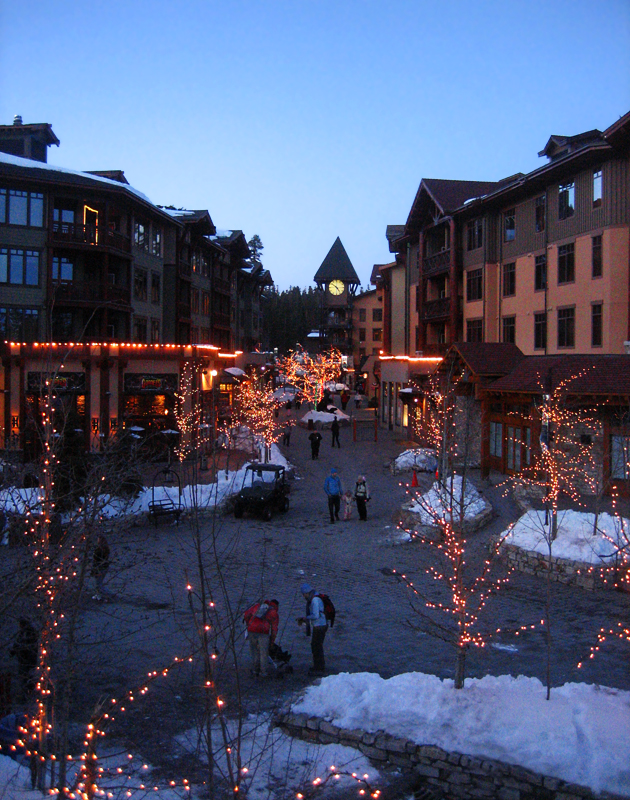
Mammoth Lakes sits in the eastern Sierra Nevada of California, a small mountain town of 7 thousand people at 2424 m above sea level, where the climate is continental and the seasons arrive with real force. Winter brings reliable snow to the surrounding peaks, summer days stay warm and dry while nights cool sharply, and the shoulder seasons can shift from sun to storm in an afternoon. The town keeps its own rhythm, tied to the mountain and the lakes rather than to a big-city grid, and the timezone is America/Los_Angeles. The setting is the main draw, and daily life is shaped by altitude, weather, and the outdoors.
Rent is the largest line in most budgets. A 1-bedroom in the city center runs $1,500/mo, while the same outside the center is $1,300/mo. A 3-bedroom in the city center is $2,400/mo, and outside the center it drops to $2,000/mo. Beyond rent, a single person spends about $1,200/mo, with utilities at $241/mo, internet at $76/mo, and a mobile phone plan at $53/mo. Meals out are modest: an inexpensive restaurant meal is $20 per person, a mid-range dinner for two with three courses is $48, and a cappuccino is $5. The average monthly net salary locally is $6,667/mo, which stretches further here than in many California cities, though the budget tiers tell a fuller story: $1,629/mo for a budget setup, $2,277/mo for mid-range, and $2,639/mo for a comfortable life, all rent included.
Safety is a strong point. The safety index is 90/100 and the crime index is 12/100, so violent and property crime are low by national standards. Air quality is good, with an index of 38, helped by the elevation, wind, and lack of heavy industry. Healthcare quality is rated good, and English is widely spoken, which makes everyday errands, appointments, and paperwork straightforward for newcomers. The small population means services are limited compared with a major metro, but the essentials are covered and the pace is calm.
Visas follow the usual US rules, and the nearest airport is MMH, 38 km away, which keeps arrivals simple for a mountain town. Internet averages 50 Mbps, enough for remote work, video calls, and streaming, though heavy data users may want a backup connection. The overall expat score is 55/100, the digital nomad score is 55/100, the retiree score is 44/100, and the FIRE score is 31/100. That mix suits outdoor-focused remote workers, seasonal residents, and anyone who values quiet, clean air, and low crime over big-city amenities and nightlife.