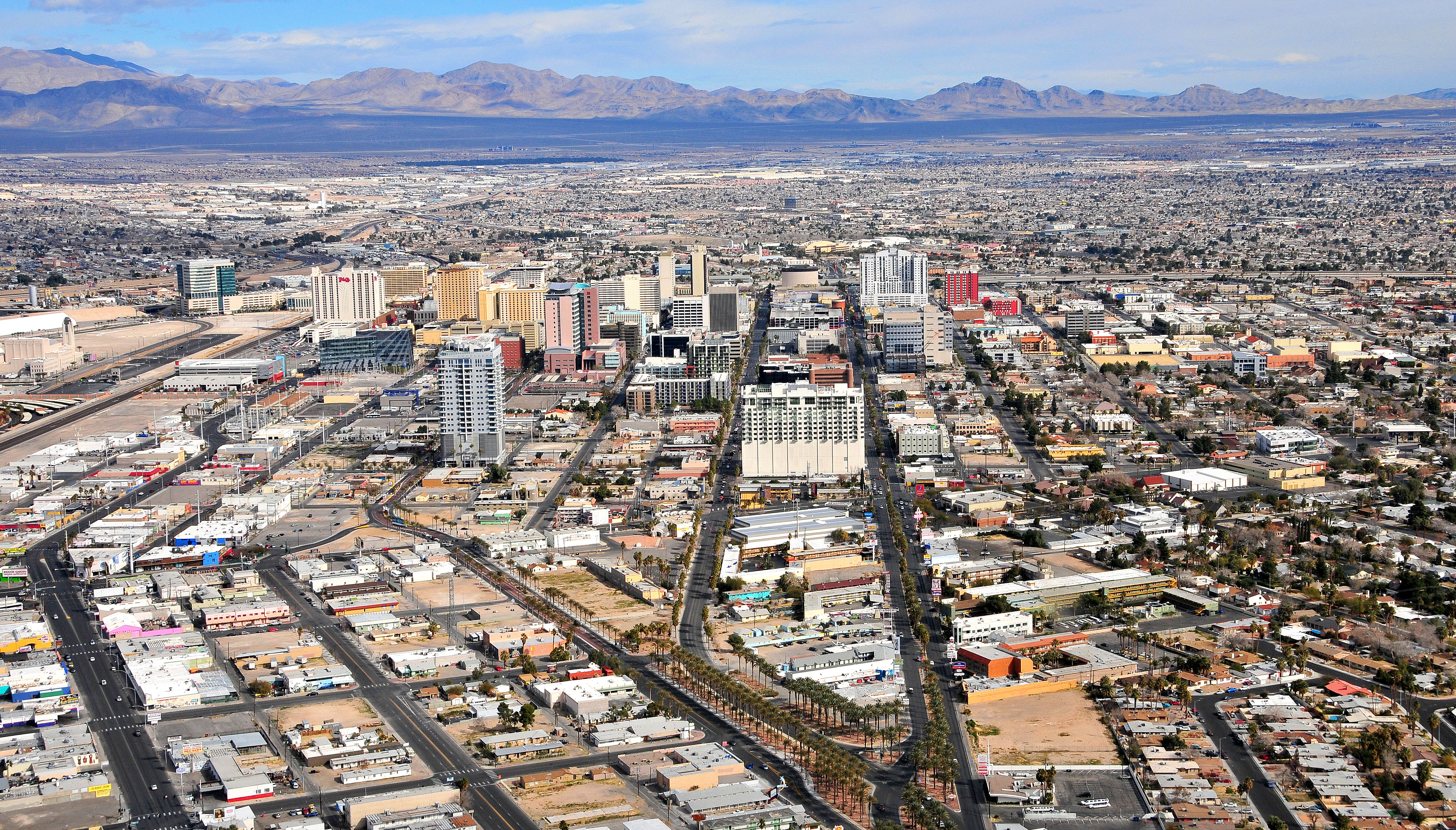
Las Vegas, NV, United States
Data updated Sep 3, 2026
📊 Scores
Best fit: Digital Nomad (score: 77)
Gaming and hospitality aren't just dominant here — they're essentially the entire economy. Over 300,000 metro workers are employed by casinos, hotels, and entertainment venues, and that number swells further when you count the convention industry, which draws massive trade shows like CES and SEMA. Remote workers and digital nomads have moved in steadily since 2020, drawn by Nevada's zero state income tax. Outside hospitality and tech-adjacent remote work, the professional job market is thin. If you need a local employer in finance, law, or healthcare, options exist but competition is real.
A one-bedroom in the city center runs around $1,750/month — cheaper than Los Angeles or Phoenix but no longer the bargain it was pre-2020. You will need a car; the monorail serves only a narrow Strip corridor and is useless for daily life. Healthcare access is a genuine problem — Nevada consistently ranks near the bottom nationally for physician-to-resident ratios, and wait times at specialists can stretch weeks. No language barrier for English speakers. Bureaucracy is lighter than most states; Nevada is business-friendly and setting up an LLC or handling residency paperwork is straightforward.
Summers are brutal — 110°F days in July are normal, not exceptional, and outdoor life essentially shuts down from June through September. Winters are genuinely pleasant, with highs in the 50s–60s and almost no rain. The food scene is legitimately strong, with serious restaurants that would hold their own in any major city. The expat and FIRE community is growing but loosely organized — you'll find people, but don't expect the tight social infrastructure of a Medellín or Lisbon. Weekends mean Red Rock Canyon, Lake Mead, or driving two hours to Utah's national parks. This city suits remote earners who want low taxes, dry heat they can tolerate, and easy access to the American Southwest.
🏚️ Cost of Living
💰 Budgets and Costs
Grocery Basket
Eating Out
Utilities & Lifestyle
Housing
A 1BR in the center runs about $1570.87/mo. If your income is in another currency, bank FX fees add up. A multi-currency account can cut that cost.
See low-fee transfersWe may earn a commission at no cost to you.
💰 Real Spend Reports
🛡️ Safety & Crime
(Higher is safer)
(Lower is safer)
Las Vegas has a mixed safety profile that differs sharply by neighborhood and time of day. The Strip and downtown tourist areas feel relatively secure during daylight and evening hours due to heavy police presence and surveillance. However, residential areas and outlying neighborhoods experience higher crime rates. Night-time walkability varies significantly—the tourist corridor is generally safe, but venturing into surrounding residential districts after dark requires caution. The city's reputation for danger is somewhat exaggerated, but it's not unfounded.
Property crime (theft from vehicles, burglary) and drug-related offenses are the primary concerns rather than violent street crime. Petty theft and pickpocketing occur in crowded casino areas and tourist zones. Avoid North Las Vegas, parts of East Las Vegas, and certain West Side neighborhoods, which have elevated violent crime rates. Solo female travelers should exercise standard urban precautions—avoid isolated areas at night, use rideshare services, and stay aware of surroundings. Scams targeting tourists are common but typically financial rather than dangerous.
Las Vegas is a U.S. city with stable governance, reliable police services, and no geopolitical risks. The main consideration is that it's a transient city with significant socioeconomic disparities, which correlates with crime variation by district. For American expats or remote workers, the city is reasonably safe if you choose your neighborhood carefully—areas like Summerlin, Henderson, and Paradise are substantially safer than downtown or North Las Vegas. It's a viable relocation option for those comfortable with an urban environment and willing to be neighborhood-selective.
Las Vegas, NV has a safety index of 52/100. Petty theft and lost belongings are the most common problems for newcomers. Compare travel insurance before you go.
Compare travel insuranceWe may earn a commission at no cost to you.
🏥 Healthcare
🌤️ Climate
Best Months
Climate Notes
Hot desert climate with extremely hot summers and very short, mild winters.
💻 Digital Nomad
Community Notes
| Name | Price/mo | Notes |
|---|---|---|
| WeWork Town Square | $350 | Located in the vibrant Town Square shopping and dining district, this WeWork offers a convenient and lively atmosphere. It's a good option for those who want to be near amenities and enjoy a social coworking environment. |
| Regus - Las Vegas, Town Square | $300 | Another option in Town Square, Regus provides a more corporate and professional coworking experience. It's suitable for those who prefer a quieter workspace with reliable amenities. |
| The Coop Cowork | $275 | Located near the airport, The Coop Cowork offers a community-focused environment with various membership options. It's a good choice for digital nomads who value collaboration and networking. |
| Office Evolution Summerlin | $259 | Located in the Summerlin area, this Office Evolution location provides a professional and well-equipped workspace. It's ideal for those seeking a suburban setting with easy access to amenities and residential areas. |
Working remotely from Las Vegas, NV? Nomad health insurance covers you across borders, month to month.
See nomad insuranceWe may earn a commission at no cost to you.
🧳 Expat Life
Expat Life Notes
Beyond the Strip, Las Vegas is a fast-growing residential city with low taxes and affordable suburbs.
Pros
- ✓ No state income tax
- ✓ Modern infrastructure
- ✓ Easy access to national parks
Cons
- ✗ Intense summer heat
- ✗ Car-dependency
- ✗ Weak public education system
🛂 Visa Options for United States
Many long-stay visas require proof of health insurance. Compare international health plans before you apply.
Compare health insuranceWe may earn a commission at no cost to you.
Not sure which United States visa you qualify for?
Answer 10 questions and get a personalized match in under 2 minutes.
Could living/working in Las Vegas, NV cut years off your work life?
With a 1-bedroom in the center at $1571/mo, your FIRE number here might be much lower than you think.
Moving to Las Vegas, NV? Estimate what an international move would cost and compare mover quotes.
Estimate my move costShare This Guide
Las Vegas, NV won't stay this cheap forever.
Cost-of-living and visa updates for Las Vegas, NV and the rest of United States. Free with RA Postcards.
By submitting your email address, you will receive a free subscription to RA Postcards and special offers from Rewire Abroad and our affiliates. You can unsubscribe at any time, and we encourage you to read more about our Privacy Policy.