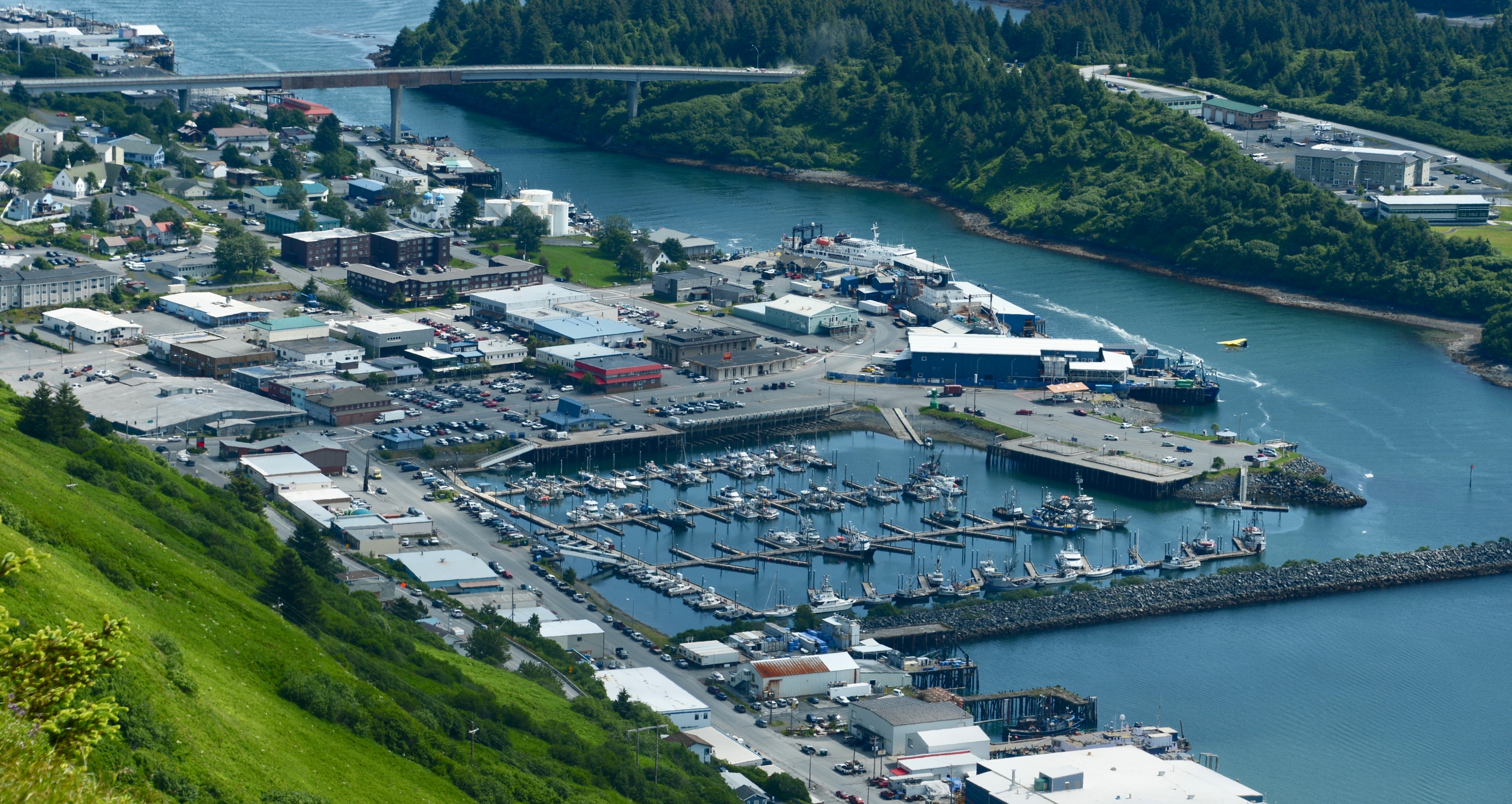
Kodiak, AK, United States
Data updated Sep 29, 2026
📊 Scores
Best fit: Digital Nomad (score: 74)
Commercial fishing dominates Kodiak's economy—salmon and halibut processing employ roughly 40% of the workforce, with seasonal spikes during runs. Tourism adds income through bear hunting, fishing charters, and outdoor expeditions, but it's volatile and seasonal. Most stable jobs are government, healthcare, and education roles. Self-employment and remote work are increasingly common among newcomers, since local job openings are limited and wages don't match Alaska's cost of living. The fishing industry is cyclical; bad years hit hard.
Rent for a one-bedroom runs $1,267/month—expensive for rural Alaska but cheaper than Anchorage. Groceries cost 30–40% more than the Lower 48 due to barge freight. No road access off-island; the Alaska Marine Highway ferry ($200+ per vehicle) or flights ($400+) are your only exits. Healthcare is adequate but serious cases require Anchorage evacuation. Bureaucracy is standard Alaska—fishing permits, residency requirements, and seasonal employment contracts matter. Internet is now fiber-based and reliable. Winter darkness (4 hours daylight in December) affects mood noticeably.
Summers are cool and wet (50–60°F); winters hover near freezing with heavy rain, not snow. Outdoor culture dominates weekends: hiking, fishing, kayaking, bear viewing. The expat community is small but tight—mostly remote workers and fishing industry transplants. Social life revolves around bars, church, and outdoor clubs. Kodiak suits people who genuinely want isolation, don't mind weather extremes, and either work remotely or accept seasonal fishing income as their reality.
🏚️ Cost of Living
💰 Budgets and Costs
Grocery Basket
Eating Out
Utilities & Lifestyle
Housing
A 1BR in the center runs about $1550/mo. If your income is in another currency, bank FX fees add up. A multi-currency account can cut that cost.
See low-fee transfersWe may earn a commission at no cost to you.
💰 Real Spend Reports
🛡️ Safety & Crime
(Higher is safer)
(Lower is safer)
Kodiak is genuinely one of Alaska's safest communities, with a strong small-town culture where residents know each other. Walking at night is safe and normal; the tight-knit population and active community policing create a secure environment. Expats will find the day-to-day feel relaxed and welcoming, though the isolation and harsh winters require mental preparation beyond typical safety concerns.
Crime here is minimal—petty theft and property crime are rare, and violent crime is exceptionally uncommon. The main risks are weather-related (avalanches, marine accidents, hypothermia) rather than criminal. Substance abuse issues exist but don't typically affect visitors or residents in safe areas. Solo female travelers face virtually no gender-specific safety concerns; the community is protective and well-policed.
Kodiak has no geopolitical instability or corruption issues. Local law enforcement is reliable and responsive. The primary consideration for Americans relocating here isn't crime but rather extreme isolation, limited healthcare, high cost of living, and brutal winters. For someone seeking genuine safety and community, Kodiak delivers—but it's a lifestyle choice requiring adaptability to remote Alaskan living.
🏥 Healthcare
🌤️ Climate
Best Months
Climate Notes
Kodiak has a maritime subarctic climate with cool, wet summers (June–August) and mild but dark winters (December–February), featuring frequent rain and fog year-round.
💻 Digital Nomad
Community Notes
| Name | Price/mo | Notes |
|---|---|---|
| Kodiak Public Library | — | While not a dedicated coworking space, the Kodiak Public Library offers free Wi-Fi, a quiet atmosphere, and comfortable seating, making it a viable option for budget-conscious digital nomads. Located downtown, it's easily accessible and provides a community feel. |
| Kodiak College | — | Kodiak College may offer limited public access to its facilities, including Wi-Fi and study areas, which could serve as a temporary workspace. Check with the college directly for access policies and availability. It's located slightly outside the main downtown area. |
Working remotely from Kodiak, AK? Nomad health insurance covers you across borders, month to month.
See nomad insuranceWe may earn a commission at no cost to you.
🧳 Expat Life
🛂 Visa Options for United States
Many long-stay visas require proof of health insurance. Compare international health plans before you apply.
Compare health insuranceWe may earn a commission at no cost to you.
Not sure which United States visa you qualify for?
Answer 10 questions and get a personalized match in under 2 minutes.
Could living/working in Kodiak, AK cut years off your work life?
With a 1-bedroom in the center at $620/mo, your FIRE number here might be much lower than you think.
Estimate the cost of moving to Kodiak, AK, United States
Get a free moving cost estimate for moving to Kodiak, AK, United States. Takes 10 seconds.
How much are you shipping?
When are you moving?
Powered by Sirelo. Free quotes from verified international movers.
Share This Guide
Kodiak, AK won't stay this cheap forever.
Cost-of-living and visa updates for Kodiak, AK and the rest of United States. Free with RA Postcards.
By submitting your email address, you will receive a free subscription to RA Postcards and special offers from Rewire Abroad and our affiliates. You can unsubscribe at any time, and we encourage you to read more about our Privacy Policy.