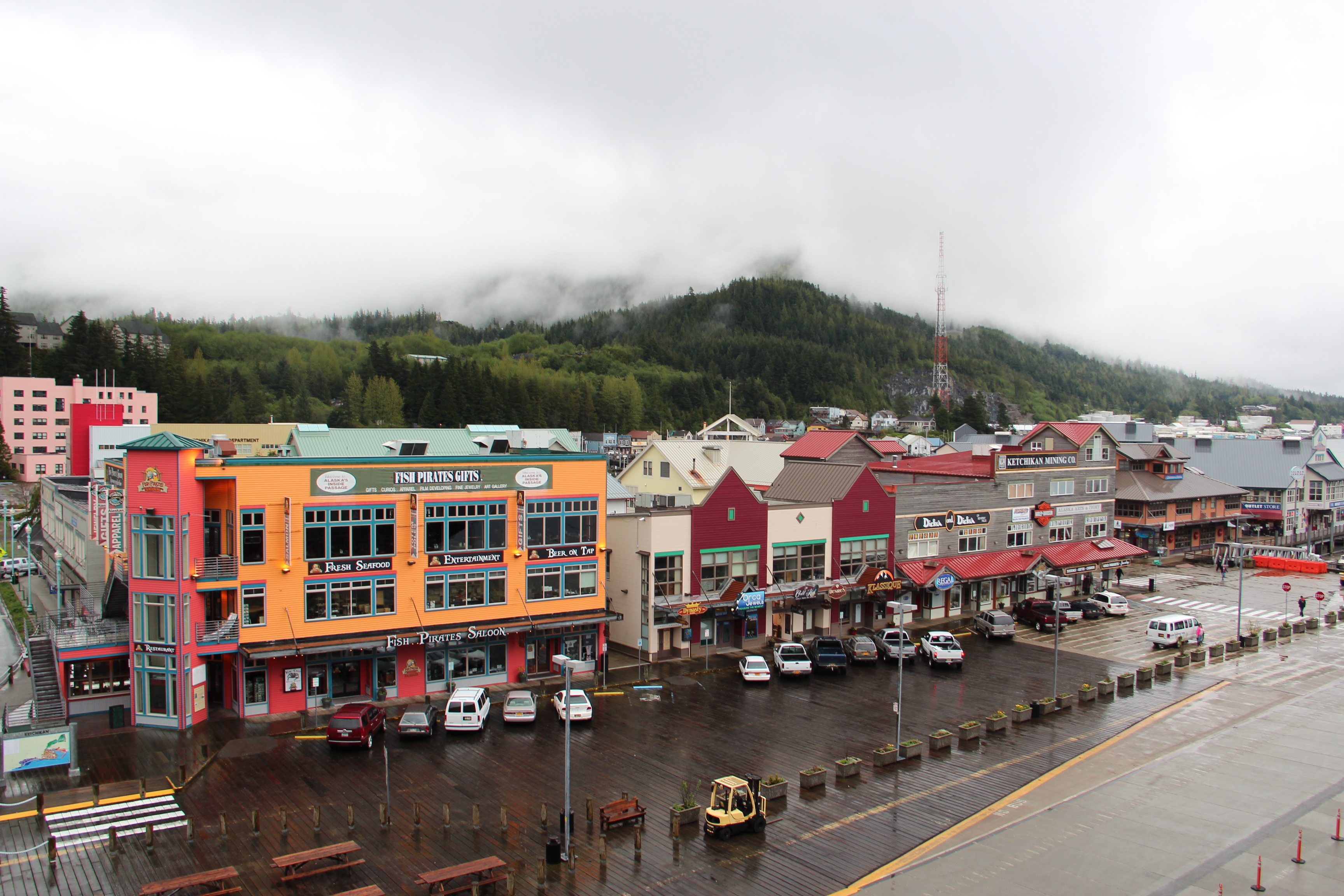
Ketchikan, AK, United States
Data updated Sep 3, 2026
📊 Scores
Best fit: Retiree (score: 62)
Fishing and seafood processing built Ketchikan's economy in the 1880s and still matter, though cruise tourism now drives more revenue—hundreds of thousands of passengers annually funnel through the port. Government jobs, healthcare, and forestry work provide steady income. The reality: seasonal work dominates. Summer tourism jobs pay decently but vanish by October. Year-round employment exists but is competitive and often lower-wage. Most expats here either remote-work or accept that local earning potential is limited.
A 1-bedroom in town runs $1,584/month; groceries cost 30–40% more than the Lower 48 because everything ships in. The airport and Alaska Marine Highway ferry are your only exits—no road out. Healthcare is adequate (Ketchikan General Hospital covers basics), but serious cases fly to Juneau or Seattle. Rain averages 160 inches yearly; mold and dampness are real problems. Bureaucracy is standard U.S., but isolation means delays on parts and services. Internet is reliable but pricey.
Expect perpetual drizzle, towering cedars, and genuine wilderness access—hiking, fishing, and kayaking are free weekend activities. The totem pole collection and Tlingit culture are substantial draws. The expat community is tiny and transient; most residents are multigenerational Alaskans or seasonal workers. Social life revolves around local bars, fishing trips, and outdoor pursuits rather than expat meetups. This city suits remote workers who crave solitude, outdoor obsession, and don't mind paying premium prices for isolation.
🏚️ Cost of Living
💰 Budgets and Costs
Grocery Basket
Eating Out
Utilities & Lifestyle
Housing
A 1BR in the center runs about $1584/mo. If your income is in another currency, bank FX fees add up. A multi-currency account can cut that cost.
See low-fee transfersWe may earn a commission at no cost to you.
💰 Real Spend Reports
🛡️ Safety & Crime
(Higher is safer)
(Lower is safer)
Ketchikan is genuinely safe for daily life. The small population and tight-knit community create a secure environment where walking at night is generally comfortable, even for solo travelers. Violent crime is rare, and the overall atmosphere feels peaceful and welcoming. This isn't reputation inflation—the city's isolation and low transient population contribute to real safety.
Property crime (theft from vehicles, petty shoplifting) occurs occasionally but at low rates. Scams are minimal in a town this size. The main risks involve outdoor hazards—weather, wildlife encounters, and water safety—rather than criminal activity. Solo female travelers report feeling safe; harassment is uncommon. Avoid isolated areas during extreme weather, but this is practical caution, not crime-related.
Alaska has reliable law enforcement and no political instability affecting daily life. Police are responsive and trustworthy. The primary consideration is geographic isolation: medical emergencies require air or boat transport, and winter weather can be severe. For an American seeking a genuinely safe, quiet retirement or remote work location, Ketchikan delivers on safety. The trade-off is limited amenities and harsh winters, not security concerns.
🏥 Healthcare
🌤️ Climate
Best Months
Climate Notes
Temperate rainforest climate known for extremely high rainfall and mild, cloudy weather.
💻 Digital Nomad
Community Notes
| Name | Price/mo | Notes |
|---|---|---|
| Ketchikan Public Library | — | While not a dedicated coworking space, the Ketchikan Public Library offers free Wi-Fi, comfortable seating, and a quiet environment suitable for focused work. Located downtown, it's a convenient and budget-friendly option for digital nomads. |
| Rain Country Quilters | — | While primarily a quilting store, Rain Country Quilters offers open tables and a community atmosphere where remote workers might find a unique working environment. It's located on Water Street and offers a change of pace from traditional workspaces, though it may not be suitable for those needing absolute quiet. |
Working remotely from Ketchikan, AK? Nomad health insurance covers you across borders, month to month.
See nomad insuranceWe may earn a commission at no cost to you.
🧳 Expat Life
🛂 Visa Options for United States
Many long-stay visas require proof of health insurance. Compare international health plans before you apply.
Compare health insuranceWe may earn a commission at no cost to you.
Not sure which United States visa you qualify for?
Answer 10 questions and get a personalized match in under 2 minutes.
Could living/working in Ketchikan, AK cut years off your work life?
With a 1-bedroom in the center at $634/mo, your FIRE number here might be much lower than you think.
Moving to Ketchikan, AK? Estimate what an international move would cost and compare mover quotes.
Estimate my move costShare This Guide
Ketchikan, AK won't stay this cheap forever.
Cost-of-living and visa updates for Ketchikan, AK and the rest of United States. Free with RA Postcards.
By submitting your email address, you will receive a free subscription to RA Postcards and special offers from Rewire Abroad and our affiliates. You can unsubscribe at any time, and we encourage you to read more about our Privacy Policy.