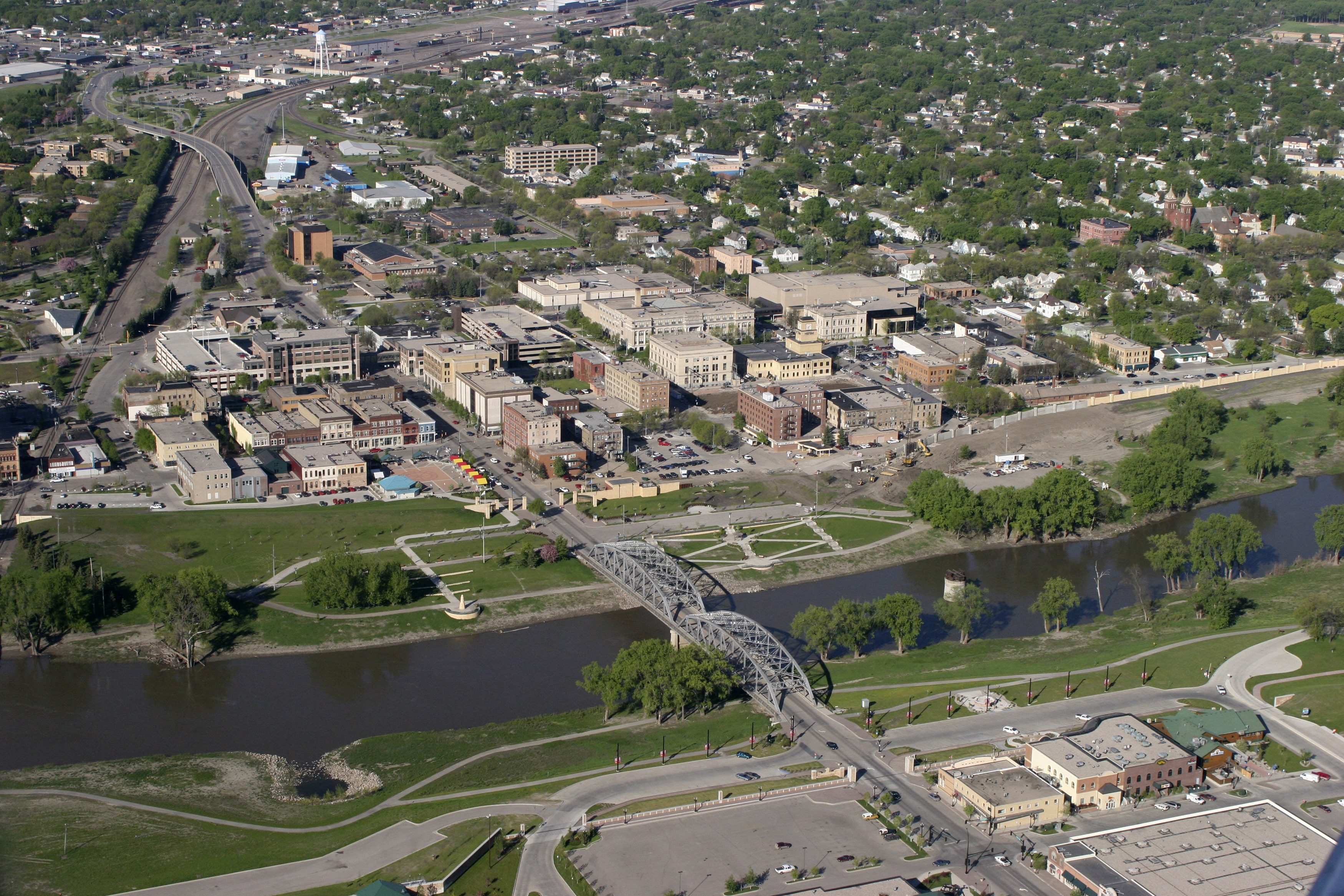
Grand Forks sits in the flat, fertile Red River Valley of eastern North Dakota, just a short drive from the Minnesota border. At 258 meters above sea level, the city experiences a continental climate that demands real seasonal commitment: winters from December through February routinely drop below -10°C, while summers from June through August hover around a mild 22°C. Expats and newcomers tend to cluster in the Lincoln Park area, a residential neighborhood that offers a mix of older homes and newer apartments, with easy access to the University of North Dakota and the city's main commercial corridors. The city's modest size, around 59,000 people, means that daily life feels manageable, and the pace is decidedly unhurried.
Living here is notably affordable, especially when compared to major U.S. metros. A one-bedroom apartment in the city center rents for about $1,030 per month, while the same unit outside the center costs $859. For families, a three-bedroom in the center runs $1,680, dropping to $1,265 on the outskirts. Utilities add roughly $260 monthly, internet about $60, and a mobile plan around $40. A single adult can get by on a budget of $1,073 per month including rent, while a more comfortable lifestyle comes to about $2,001. The average monthly net salary is $4,200, which means most residents can save or spend on extras without much strain. A meal at an inexpensive restaurant costs $20, a three-course dinner for two at a mid-range spot is $75, and a cappuccino runs $5. The overall cost of living index sits at 64 out of 100, with New York City as the baseline.
Safety is a strong point here. The city's safety index is 75 out of 100, and the crime index is a low 25, meaning violent and property crimes are relatively rare. Residents generally feel secure walking around at night, and the community is tight-knit. Healthcare quality is rated as good, with a regional medical center and several clinics serving the area. While the expat community is small, newcomers find that English is widely spoken, which eases the transition. The air quality index is 45, which is considered healthy, and the city's flat terrain makes it easy to bike or walk during the milder months.
Getting to Grand Forks is straightforward: the nearest airport, GFK, is just 7 kilometers from downtown, with daily flights connecting to larger hubs. For those considering a move, the visa process is standard for U.S. immigration, though specific program names are not necessary to highlight here. This city suits retirees looking for a low-cost, safe environment, digital nomads who need reliable internet at 60 Mbps and a quiet place to work, and anyone drawn to a slower, more community-oriented lifestyle. The overall expat score is 67, with a FIRE score of 67 and a retiree score of 61, reflecting a place where financial goals are achievable and daily life is uncomplicated. If you can handle the cold, Grand Forks offers a solid, affordable base in the American heartland.