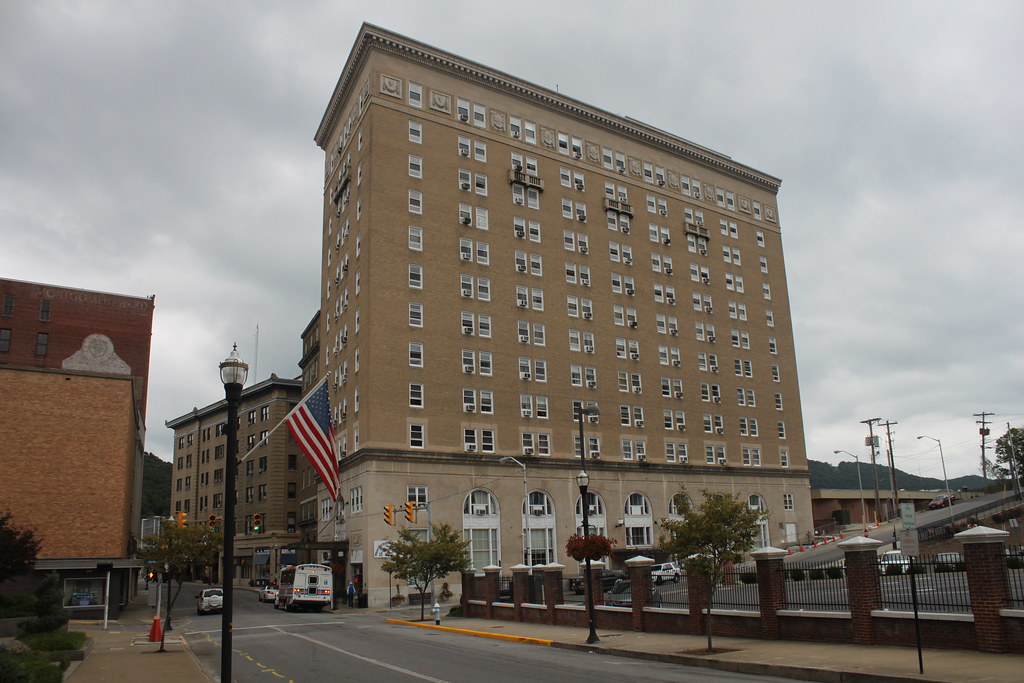
Bluefield, WV, United States
Data updated Sep 3, 2026
📊 Scores
Best fit: FIRE / Geoarbitrage (score: 84)
Coal mining built Bluefield, but that era ended decades ago. Today the economy runs on healthcare (Princeton Community Hospital is the largest employer), Bluefield State University (1,300 students, mostly local), and small retail. Norfolk and Western Railway still operates here but employs far fewer people than its 1950s heyday. Remote work and small business are realistic options; traditional local jobs pay modestly and competition is thin.
Rent runs $499/month for a one-bedroom downtown—genuinely cheap by US standards. Healthcare access is solid through the hospital system. No public transit; you need a car. Winter averages 35°F with snow; roads are manageable. Bureaucracy is standard American. The real friction: limited job market means most remote workers or retirees stay; if you need local employment, options narrow fast. Internet reliability varies by neighborhood.
Winters are mild enough for outdoor activity; summers warm but not brutal. Food scene is basic—chain restaurants dominate, though some local spots exist. Bluefield State brings cultural events and a young demographic to an otherwise aging town. The expat community is essentially nonexistent; you'll be surrounded by multigenerational Appalachian families. Weekends mean hiking nearby, visiting Charleston (90 minutes), or quiet time. This suits remote workers seeking ultra-low cost of living and retirees, not people seeking urban energy or diverse social scenes.
🏚️ Cost of Living
💰 Budgets and Costs
Grocery Basket
Eating Out
Utilities & Lifestyle
Housing
A 1BR in the center runs about $612/mo. If your income is in another currency, bank FX fees add up. A multi-currency account can cut that cost.
See low-fee transfersWe may earn a commission at no cost to you.
💰 Real Spend Reports
🛡️ Safety & Crime
(Higher is safer)
(Lower is safer)
Bluefield is a small, quiet Appalachian town where most residents know each other. Day-to-day life feels safe and walkable during daylight hours. Evening walks are generally fine in central areas, though the town's economic challenges mean some neighborhoods show visible decline. For an American expat, the atmosphere is familiar and low-key—this isn't a place with tourist scams or organized crime targeting outsiders.
Property crime (theft from vehicles, burglary) occurs at modest rates typical for economically struggling small towns. Violent crime is relatively rare. Avoid isolated areas after dark and secure your home well. Solo female travelers face no particular elevated risk beyond standard small-town precautions. Drug-related activity exists but is not visibly aggressive or tourist-facing. The main concern is petty opportunistic theft rather than confrontational crime.
Bluefield is politically stable with reliable local police and no geopolitical risks. The real context is economic: the town has struggled since coal industry decline, which contributes to some social challenges but not instability or corruption. For an American considering relocation, this is a genuinely safe place to live, though the limited economy and aging infrastructure mean it appeals mainly to retirees seeking affordability and quiet, not those seeking vibrant community amenities.
🏥 Healthcare
🌤️ Climate
Best Months
Climate Notes
Bluefield has a humid continental climate with warm summers (around 24°C) and cold, snowy winters (around 2°C), offering distinct seasonal changes ideal for those seeking traditional four-season living.
💻 Digital Nomad
Community Notes
| Name | Price/mo | Notes |
|---|---|---|
| The Launchbox | $75 | Located in downtown Bluefield, The Launchbox offers a collaborative environment with various membership options. It's a good option for those seeking a community-focused workspace with access to resources and events. |
| Regus Princeton | $200 | While technically in Princeton, WV (a short drive from Bluefield), Regus offers a reliable and professional coworking environment. It provides private offices and coworking spaces with standard amenities, suitable for those needing a more structured workspace. |
Working remotely from Bluefield, WV? Nomad health insurance covers you across borders, month to month.
See nomad insuranceWe may earn a commission at no cost to you.
🧳 Expat Life
🛂 Visa Options for United States
Many long-stay visas require proof of health insurance. Compare international health plans before you apply.
Compare health insuranceWe may earn a commission at no cost to you.
Not sure which United States visa you qualify for?
Answer 10 questions and get a personalized match in under 2 minutes.
Could living/working in Bluefield, WV cut years off your work life?
With a 1-bedroom in the center at $245/mo, your FIRE number here might be much lower than you think.
Moving to Bluefield, WV? Estimate what an international move would cost and compare mover quotes.
Estimate my move costShare This Guide
Bluefield, WV won't stay this cheap forever.
Cost-of-living and visa updates for Bluefield, WV and the rest of United States. Free with RA Postcards.
By submitting your email address, you will receive a free subscription to RA Postcards and special offers from Rewire Abroad and our affiliates. You can unsubscribe at any time, and we encourage you to read more about our Privacy Policy.