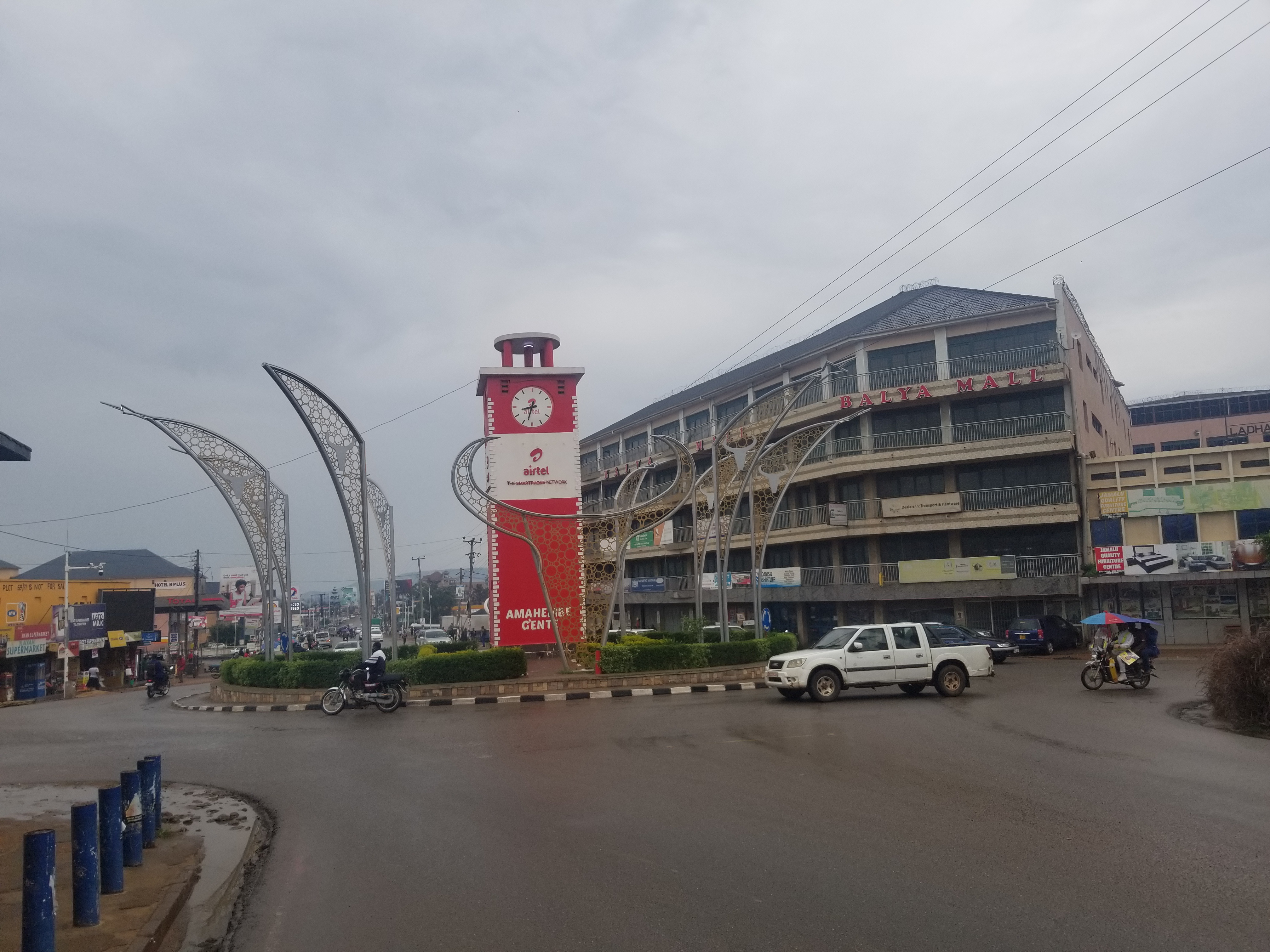
Mbarara, Uganda
Data updated Sep 29, 2026
📊 Scores
Best fit: FIRE / Geoarbitrage (score: 60)
Agriculture and cross-border trade drive Mbarara's economy, with cattle farming, dairy processing, and crop trading forming the backbone. The city serves as a commercial gateway to Rwanda, Burundi, and DRC, creating opportunities in logistics, transport, and wholesale trading. Mbarara University of Science & Technology employs academics and researchers, while the Regional Referral Hospital anchors healthcare services. Local jobs center on retail, hospitality, and small-scale manufacturing, though formal employment remains limited outside government and education sectors.
City center rent averages $280 monthly for a one-bedroom, reasonable by regional standards but quality varies significantly. Public transport relies on shared taxis and boda-bodas (motorcycle taxis) for $0.50-2 per trip, though traffic congestion worsens during market days. Healthcare access is decent with multiple hospitals, but specialized care often requires trips to Kampala. English works in business settings, but Runyankole dominates daily interactions. Government bureaucracy moves slowly, and power outages remain frequent despite infrastructure improvements.
The 1,147-meter elevation keeps temperatures comfortable year-round, though October's heavy rains can flood poorly-drained areas. Local restaurants serve hearty Ugandan fare, with increasing Indian and continental options in newer establishments. The expat community is tiny—mostly aid workers, researchers, and a few entrepreneurs—limiting social circles. Weekends mean visiting nearby national parks, attending university events, or socializing at the handful of decent bars and hotels. This city suits adventurous professionals seeking affordable living in a genuine African commercial hub, not comfort-seekers.
🏚️ Cost of Living
💰 Budgets and Costs
Grocery Basket
Eating Out
Utilities & Lifestyle
Housing
A 1BR in the center runs about $92.86/mo. If your income is in another currency, bank FX fees add up. A multi-currency account can cut that cost.
See low-fee transfersWe may earn a commission at no cost to you.
💰 Real Spend Reports
🛡️ Safety & Crime
(Higher is safer)
(Lower is safer)
Mbarara is moderately safe for expats, with a noticeably calmer atmosphere than Uganda's capital. Day-to-day life feels relatively secure; locals are generally friendly and the city has a small-town character. Night walking is possible in central areas but not advisable alone after dark. The city's safety reputation is better than many East African counterparts, though vigilance remains necessary.
Petty theft and pickpocketing occur, especially in markets and crowded areas like the main trading zone. Violent crime is uncommon but not absent. Avoid displaying expensive items, walking alone late at night, or traveling to unfamiliar neighborhoods after sunset. Solo female travelers should exercise standard precautions; harassment is occasional but not endemic. Scams targeting foreigners are rare compared to Kampala.
Uganda's political environment is generally stable, though corruption among police and officials exists. Mbarara itself experiences minimal political tension. Police presence is adequate but response times can be slow; reliability varies. The city is suitable for Americans seeking a quieter, safer alternative to Kampala, though it lacks some urban amenities. Overall, it's a reasonable choice for remote workers or retirees prioritizing security and community over cosmopolitan infrastructure.
🏥 Healthcare
🌤️ Climate
Best Months
Climate Notes
Mbarara has a warm, tropical highland climate with two rainy seasons (March-May and September-November) and relatively stable temperatures year-round, making it pleasant but humid for expats.
💻 Digital Nomad
Community Notes
| Name | Price/mo | Notes |
|---|---|---|
| Hive Colab | $75 | While technically in Kampala, Hive Colab is a well-known Ugandan coworking space with a strong reputation. It's a good option if you're willing to travel occasionally to Kampala for networking or events. They offer a supportive community and resources for entrepreneurs and remote workers. |
| Design Hub Kampala | $80 | Similar to Hive Colab, Design Hub Kampala is located in Kampala but is a leading coworking and innovation hub in Uganda. It's a viable option if you're open to some travel. They offer a creative environment and host various workshops and events. |
Working remotely from Mbarara? Nomad health insurance covers you across borders, month to month.
See nomad insuranceWe may earn a commission at no cost to you.
🧳 Expat Life
Expat Life Notes
A regional hub in Western Uganda. Expat presence is almost purely humanitarian workers.
Pros
- ✓ Friendly community
- ✓ Gateway to national parks
- ✓ Safe for region
Cons
- ✗ Limited infrastructure
- ✗ Basic utilities
- ✗ Very small social scene
Could living/working in Mbarara cut years off your work life?
With a 1-bedroom in the center at $74/mo, your FIRE number here might be much lower than you think.
Estimate the cost of moving to Mbarara, Uganda
Get a free moving cost estimate for moving to Mbarara, Uganda. Takes 10 seconds.
How much are you shipping?
When are you moving?
Powered by Sirelo. Free quotes from verified international movers.
Share This Guide
Mbarara won't stay this cheap forever.
Cost-of-living and visa updates for Mbarara and the rest of Uganda. Free with RA Postcards.
By submitting your email address, you will receive a free subscription to RA Postcards and special offers from Rewire Abroad and our affiliates. You can unsubscribe at any time, and we encourage you to read more about our Privacy Policy.