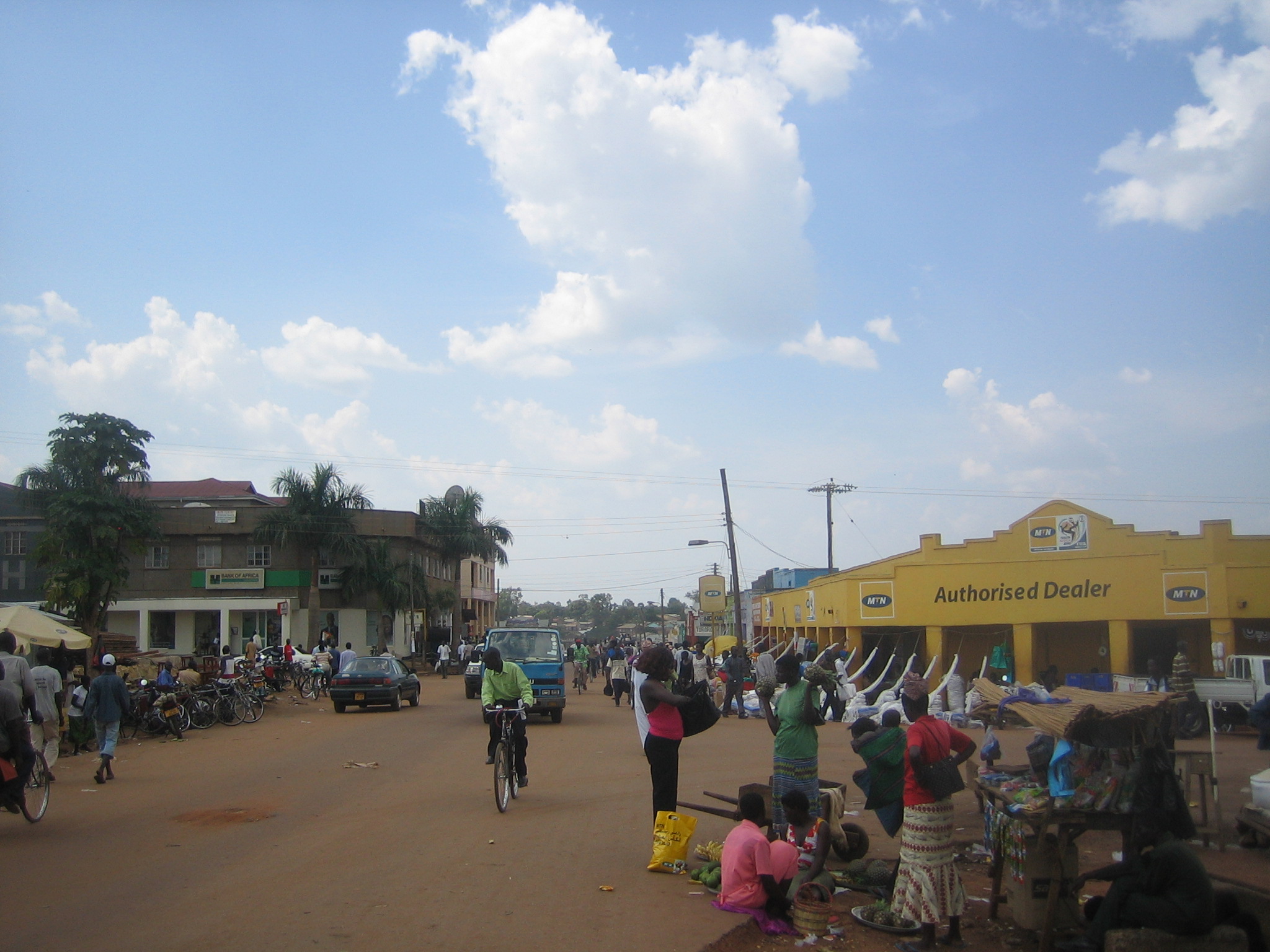
Lira, Uganda
Data updated Sep 3, 2026
📊 Scores
Best fit: FIRE / Geoarbitrage (score: 60)
Manufacturing and agricultural trade dominate Lira's economy. Mukwano Industries and Meru Millers anchor industrial activity, while the Main Market functions as Northern Uganda's largest trading hub for cassava, maize, sesame, and sunflower from surrounding smallholder farms. Most expats and skilled locals work in trade, logistics, or NGO roles; formal employment is limited. The city is a distribution node, not a tech or service hub—expect work tied to agriculture, import/export, or development sectors.
Rent runs $180/month for a one-bedroom in the city center; basic furnished apartments are cheaper outside downtown. Transport is matatu minibuses (unreliable, crowded) or motorcycle taxis. Healthcare is basic—serious issues require Kampala (337km south, 6+ hours). Lira's main language is Lango; English works in business but not daily life. Bureaucracy is slow; residency permits require patience and multiple office visits. Water and power outages happen regularly.
Lira is hot, dry, and dusty—not a lifestyle destination. Food is cassava-heavy; fresh produce exists but variety is limited. The expat community is tiny (mostly NGO workers), so don't expect a social scene. Weekends mean exploring nearby Gulu, hiking, or visiting rural markets. This city suits people with specific work (agriculture, trade, development) who can tolerate isolation and basic infrastructure, not digital nomads seeking comfort or community.
🏚️ Cost of Living
💰 Budgets and Costs
Grocery Basket
Eating Out
Utilities & Lifestyle
Housing
A 1BR in the center runs about $180/mo. If your income is in another currency, bank FX fees add up. A multi-currency account can cut that cost.
See low-fee transfersWe may earn a commission at no cost to you.
💰 Real Spend Reports
🛡️ Safety & Crime
(Higher is safer)
(Lower is safer)
Lira is a mid-sized regional city in northern Uganda with a moderate safety profile for expats. Day-to-day life feels relatively calm compared to Kampala, though nighttime walkability is limited—most expats use taxis after dark. The city has recovered significantly from past conflict, and locals are generally welcoming. However, it remains less developed and monitored than major urban centers, so situational awareness is essential.
Petty theft and opportunistic crime are the primary concerns; pickpocketing and bag snatching occur in crowded markets and transport hubs. Avoid displaying valuables, walking alone at night, or traveling on poorly lit roads after sunset. Solo female travelers should exercise extra caution and use trusted transportation. Violent crime against expats is rare but not unheard of; armed robbery can occur in isolated areas. Scams targeting foreigners are less common here than in Kampala but still possible.
Northern Uganda experienced significant conflict decades ago, but the region is now stable with minimal political unrest. Police presence is lighter than in major cities, and corruption exists but is manageable for expats who stay low-profile. The main risk is the general unpredictability of a smaller city with fewer expat support networks and emergency services. Lira suits those comfortable with modest infrastructure and willing to adapt; it's safer than its reputation suggests but requires more caution than Kampala or Entebbe.
Lira has a safety index of 60/100. Petty theft and lost belongings are the most common problems for newcomers. Compare travel insurance before you go.
Compare travel insuranceWe may earn a commission at no cost to you.
🏥 Healthcare
🌤️ Climate
Best Months
Climate Notes
Lira has a tropical climate with warm temperatures year-round, two rainy seasons (March-May and September-November), and relatively consistent humidity, making it hot and humid throughout the year.
💻 Digital Nomad
Community Notes
| Name | Price/mo | Notes |
|---|---|---|
| Impact Hub Kampala (Likely used by Lira residents) | $80 | While technically in Kampala, Impact Hub is a well-known coworking brand in Uganda and a likely option for remote workers in Lira seeking a professional environment. It offers a collaborative atmosphere, reliable internet, and networking opportunities, though requires travel to Kampala. |
| Hive Colab (Likely used by Lira residents) | $70 | Similar to Impact Hub, Hive Colab is located in Kampala but is a popular choice for Ugandan remote workers. It provides a supportive community, mentorship programs, and a conducive workspace, making it a viable option if willing to travel. |
Working remotely from Lira? Nomad health insurance covers you across borders, month to month.
See nomad insuranceWe may earn a commission at no cost to you.
🧳 Expat Life
Expat Life Notes
Lira is a city in northern Uganda, formerly deeply affected by the LRA conflict and now recovering. It has NGO presence but almost no traditional expat community.
Pros
- ✓ Low cost of living
- ✓ Growing recovery economy
- ✓ NGO and aid sector presence
Cons
- ✗ Very limited infrastructure
- ✗ No English-language expat services
- ✗ Remote from Kampala
Could living/working in Lira cut years off your work life?
With a 1-bedroom in the center at $108/mo, your FIRE number here might be much lower than you think.
Moving to Lira? Estimate what an international move would cost and compare mover quotes.
Estimate my move cost📚 Related Reading
Share This Guide
Lira won't stay this cheap forever.
Cost-of-living and visa updates for Lira and the rest of Uganda. Free with RA Postcards.
By submitting your email address, you will receive a free subscription to RA Postcards and special offers from Rewire Abroad and our affiliates. You can unsubscribe at any time, and we encourage you to read more about our Privacy Policy.