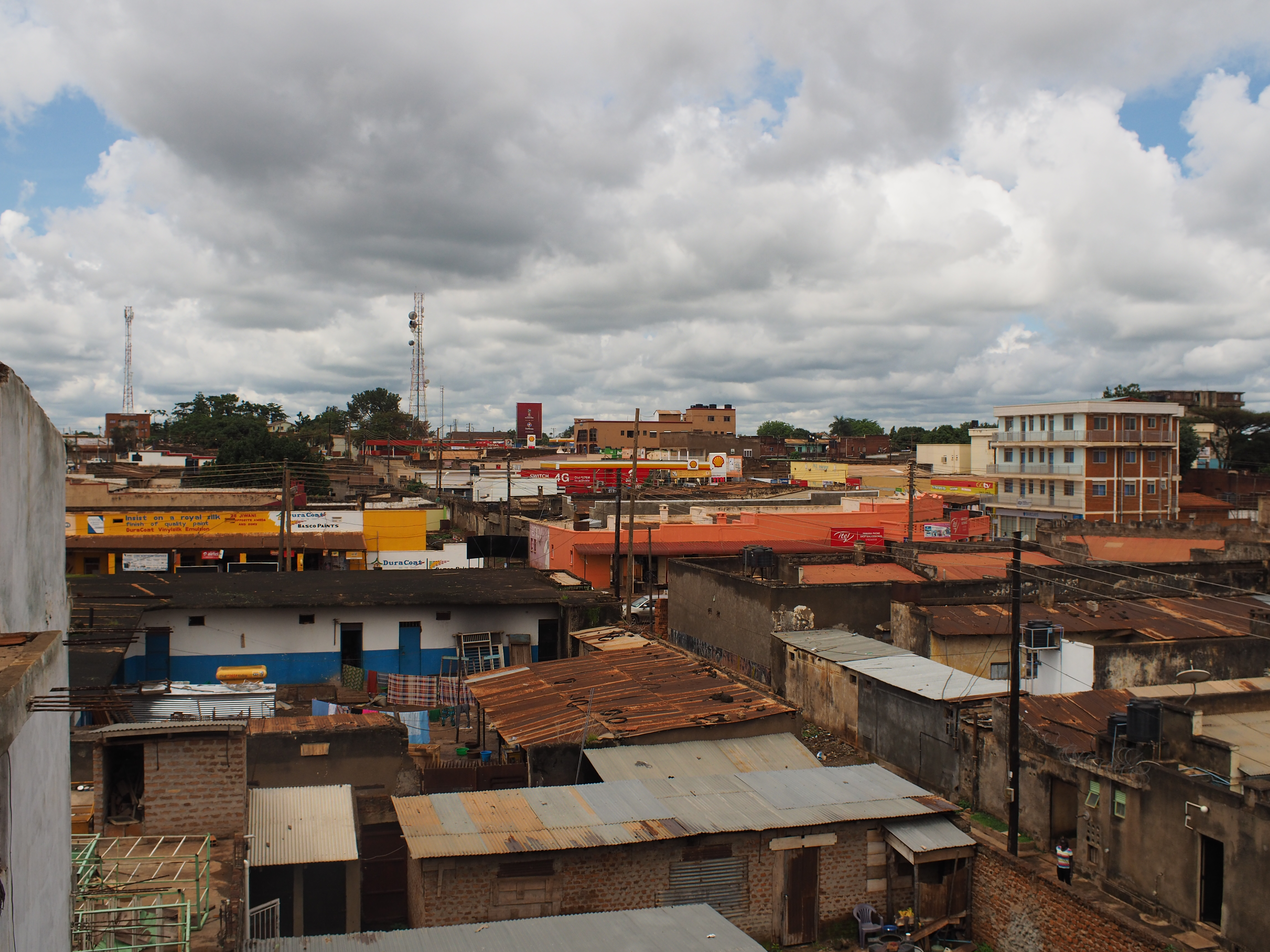
Gulu, Uganda
Data updated Sep 3, 2026
📊 Scores
Best fit: FIRE / Geoarbitrage (score: 52)
Agriculture drives the local economy, with Gulu University's programs supporting farming development across Northern Uganda. The city functions as a crucial trade hub between Kampala and South Sudan, creating opportunities in logistics, transport, and cross-border commerce. Government administration and the university sector provide stable employment, while small-scale trading and services cater to the growing population of 233,271. Most expats here work in NGOs, international development, or academic positions rather than traditional corporate roles.
Rent averages $320/month for a one-bedroom in the city center, though options vary widely in quality. The recently rehabilitated railway connects to Tororo, but most transport relies on buses and matatus to Kampala (5-6 hours). Three hospitals including St. Mary's Lacor provide decent healthcare, though serious cases often require transfer to Kampala. English is widely spoken due to colonial history, but learning basic Acholi helps significantly. Bureaucracy moves slowly but isn't deliberately obstructive.
The tropical climate brings distinct wet and dry seasons, with temperatures staying consistently warm year-round. Local food centers on posho, beans, and fresh vegetables, with limited international dining options. The expat community is small but tight-knit, mostly development workers and academics who gather at the few hotels and guesthouses. Weekends mean visiting Murchison Falls (2 hours) or exploring local markets and cultural sites. This suits development professionals and researchers who value meaningful work over urban amenities.
🏚️ Cost of Living
💰 Budgets and Costs
Grocery Basket
Eating Out
Utilities & Lifestyle
Housing
A 1BR in the center runs about $320/mo. If your income is in another currency, bank FX fees add up. A multi-currency account can cut that cost.
See low-fee transfersWe may earn a commission at no cost to you.
💰 Real Spend Reports
🛡️ Safety & Crime
(Higher is safer)
(Lower is safer)
Gulu feels moderately safe for expats during daylight hours, with a relatively calm, walkable city center. However, nighttime movement should be cautious—most expats avoid walking alone after dark and use taxis instead. The city has recovered significantly from its conflict-affected past, and day-to-day life is orderly, though the safety index reflects persistent petty crime and occasional security concerns that keep it from feeling truly secure.
Petty theft, bag snatching, and opportunistic robbery are the primary concerns, particularly in crowded markets and around transport hubs. Solo female travelers should avoid isolated areas, especially after sunset, and exercise caution with valuables. Violent crime against expats is rare but not unheard of. Scams targeting foreigners exist but are less prevalent than in larger Ugandan cities. Use registered taxis, avoid displaying wealth, and stay aware of your surroundings.
Gulu remains affected by historical instability and occasional political tensions, though large-scale violence is unlikely. Police presence is visible but corruption is common; don't expect reliable protection in all situations. The city is generally stable for expats who follow basic precautions, making it suitable for remote workers or retirees comfortable with moderate risk and willing to adapt to local security practices. It's safer than its reputation suggests, but requires vigilance.
Gulu has a safety index of 55/100. Petty theft and lost belongings are the most common problems for newcomers. Compare travel insurance before you go.
Compare travel insuranceWe may earn a commission at no cost to you.
🏥 Healthcare
🌤️ Climate
Best Months
Climate Notes
Gulu experiences a tropical climate with high temperatures reaching up to 37°C in summer, cooler winters dipping to 16°C, and an average humidity of 65%.
💻 Digital Nomad
Community Notes
| Name | Price/mo | Notes |
|---|---|---|
| Gulu Tech Hub | $30 | A community-focused space in the heart of Gulu, offering a collaborative environment for tech enthusiasts and entrepreneurs. It's a great place to connect with locals and other digital nomads, fostering a sense of community. |
| Innovation Village Gulu | $40 | Part of a larger network of innovation hubs in Uganda, Innovation Village Gulu provides a professional workspace with reliable internet and meeting facilities. Located centrally, it's ideal for remote workers seeking a structured environment. |
| Acholi Innovation Hub | $25 | A smaller, locally-run hub focused on supporting innovation and entrepreneurship in the Acholi sub-region. It offers a more intimate and authentic experience, perfect for those looking to immerse themselves in the local culture. |
Working remotely from Gulu? Nomad health insurance covers you across borders, month to month.
See nomad insuranceWe may earn a commission at no cost to you.
🧳 Expat Life
Expat Life Notes
A post-conflict center with a strong NGO and volunteer presence; lifestyle is basic.
Pros
- ✓ High demand for volunteers
- ✓ Low living costs
Cons
- ✗ Poor healthcare
- ✗ Safety risks at night
- ✗ Basic amenities only
Could living/working in Gulu cut years off your work life?
With a 1-bedroom in the center at $256/mo, your FIRE number here might be much lower than you think.
Moving to Gulu? Estimate what an international move would cost and compare mover quotes.
Estimate my move costShare This Guide
Gulu won't stay this cheap forever.
Cost-of-living and visa updates for Gulu and the rest of Uganda. Free with RA Postcards.
By submitting your email address, you will receive a free subscription to RA Postcards and special offers from Rewire Abroad and our affiliates. You can unsubscribe at any time, and we encourage you to read more about our Privacy Policy.