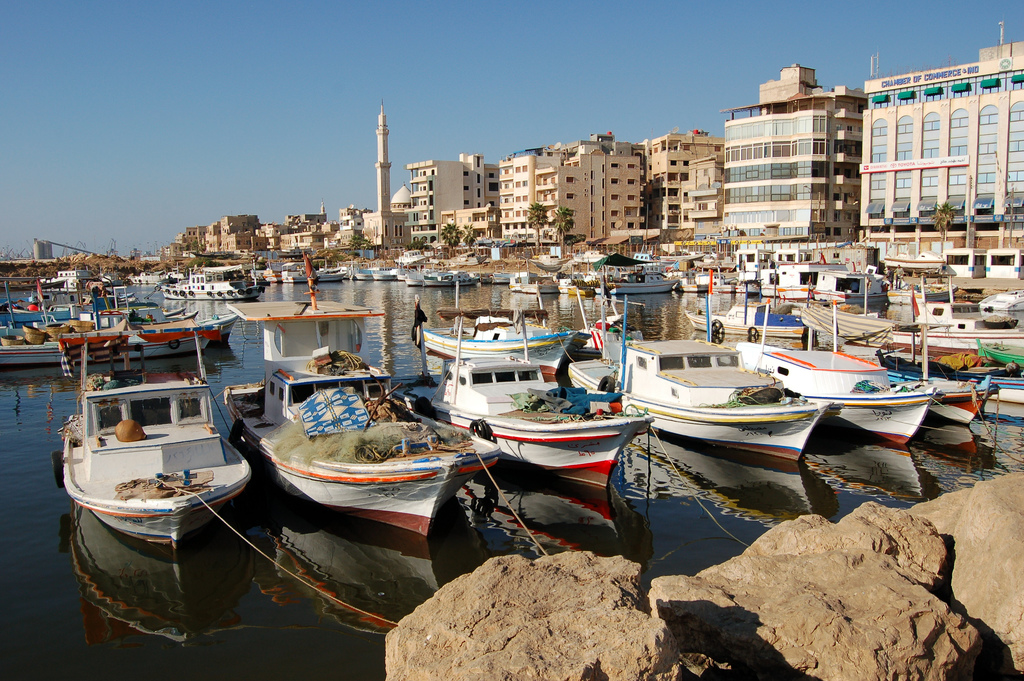
Tartus sits on Syria's Mediterranean coast at just 5 meters above sea level, its low-lying streets catching the salt breeze off the water. The climate is classic Mediterranean, with hot, dry summers and mild, wet winters, a rhythm that shapes daily life from the corniche to the old town's shaded alleys. The city's population of roughly 116 thousand keeps it compact and walkable, and while the guide does not name specific expat neighborhoods, most newcomers gravitate toward the central districts near the harbor and the modern avenues that fan out from the clock tower, where apartments are older but the proximity to markets and cafes is unmatched. Outside the center, the residential blocks are quieter and more residential, with small gardens and a slower pace, though the trade-off is a longer walk or a short shared taxi ride to the main sights and services.
Living costs here are startlingly low by any international standard, but they must be read against local wages. A one-bedroom apartment in the city center rents for $115/mo, while the same unit outside the center drops to $77/mo; a three-bedroom in the center runs $231/mo, and outside the center it is $115/mo. Utilities add $140/mo, internet $20/mo, and a mobile plan $10/mo, bringing fixed monthly outlays to roughly $285 before food. A single adult on a budget tier spends about $272/mo all-in, the mid-range tier sits at $409/mo, and the comfortable tier reaches $557/mo. Yet the average monthly net salary for a local is just $50/mo, a figure that explains why most residents share housing and cook at home. A meal at an inexpensive restaurant costs $10 per person, a three-course dinner for two at a mid-range spot runs $43, and a cappuccino is $4, so eating out is a treat rather than a routine. A gym membership is $6/mo, making fitness one of the few luxuries that remains affordable even on a tight budget.
Safety is a mixed picture, with the safety index at 50/100 and the crime index also at 50/100, meaning the city is neither notably dangerous nor notably peaceful; petty theft and occasional harassment are possible, but violent crime is not rampant. The healthcare quality is rated as fair, which means basic care is available but serious conditions often require travel to larger cities or private clinics, and expats should plan for that reality. The air quality index is 65, which is moderate, so those with respiratory sensitivities may notice the haze from traffic and port activity, though the sea breeze helps on many days. English proficiency is limited, so learning at least basic Arabic phrases will smooth everyday interactions, from bargaining in the souk to explaining a symptom to a pharmacist.
Getting to Tartus requires flying into a major Syrian gateway and then taking a long road transfer, though the guide does not name a specific airport; overland entry from Lebanon is also possible for those with the right paperwork. Visa rules are subject to rapid change, and the guide does not name any specific program, so travelers should check with the nearest Syrian embassy well in advance and expect a process that is bureaucratic and slow. This city suits a particular kind of traveler: the retiree on a fixed pension who values low costs and a mild climate, reflected in the retiree score of 61/100, or the patient digital nomad who does not need fast internet (average speed is 20 Mbps) and can work around the limited English and the occasional power or water hiccup. The overall expat score is 36/100, a low figure driven by the difficult visa situation, the weak local economy, and the security concerns, but for those who are flexible, self-reliant, and drawn to the Mediterranean's quieter corners, Tartus offers a life that is affordable beyond almost anywhere else in the region.