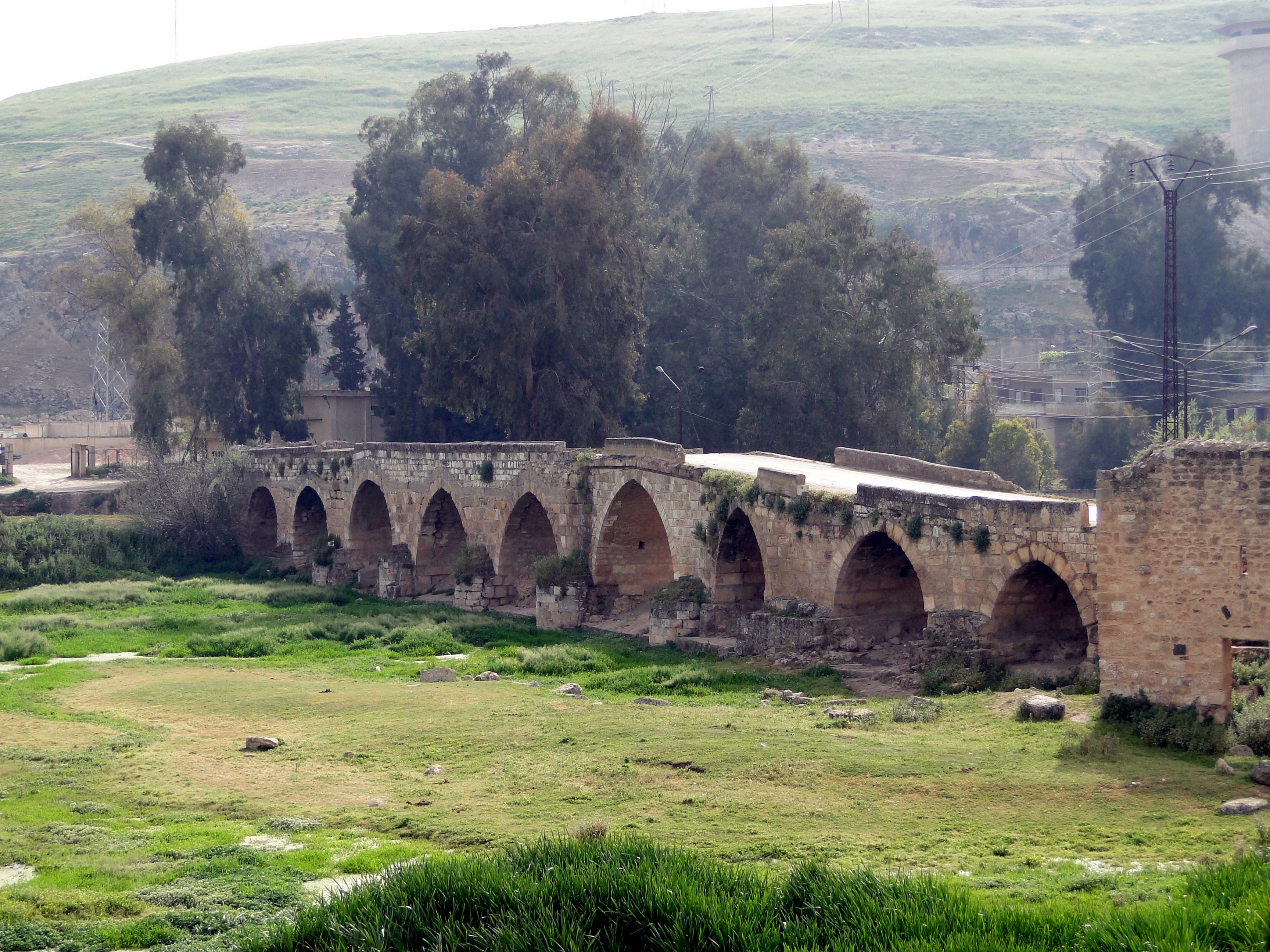
Muhradah, Syria
Data updated Sep 3, 2026
📊 Scores
Best fit: Retiree (score: 33)
Agriculture dominates Muhradah's economy entirely—the Ghab Plain irrigation project transformed this region from malarial swamp into 41,000 hectares of farmland after 1953. Most residents work in crop cultivation, supported by the Mahardah and Zeyzoun dams that manage water from the Orontes River. There's minimal formal employment outside farming; income depends on seasonal harvests and water availability. This is subsistence-level agricultural work, not a place to build a remote career.
Rent and living costs are extremely low—expect $100–200/month for basic housing—but infrastructure is fragile. Healthcare is limited; serious medical issues require travel to Homs or Damascus. Arabic is essential; English is virtually nonexistent. Bureaucracy is opaque and unpredictable; residency permits are difficult to obtain. Road conditions are poor outside main routes. The safety index of 45 reflects Syria's ongoing instability; security can shift rapidly and unpredictably.
Summers are hot and dry; winters mild. Food is simple, farm-fresh produce dominates. There is no expat community to speak of—you'd be genuinely alone. Weekends mean local markets, river walks, or visiting nearby towns. Muhradah suits only those with deep family ties to the region, Arabic fluency, and acceptance of genuine isolation and security risk.
🏚️ Cost of Living
If your income is in another currency, bank FX fees add up every month. A multi-currency account can cut that cost.
See low-fee transfersWe may earn a commission at no cost to you.
💰 Real Spend Reports
🛡️ Safety & Crime
(Higher is safer)
(Lower is safer)
Muhradah is a small rural town in Homs Governorate with limited expat presence and minimal tourism infrastructure. Day-to-day safety depends heavily on your connections and local standing; the town itself experiences lower street crime than major Syrian cities, but the overall security environment remains fragile. Nighttime movement is generally restricted, and walkability is limited by both infrastructure and security concerns.
Petty theft and opportunistic crime exist but are less prevalent than in larger Syrian cities. The primary risks are related to being a foreigner in an unstable region: documentation issues, police harassment, and scams targeting outsiders unfamiliar with local norms. Solo female travelers face significant cultural and security challenges. Avoid drawing attention through appearance or behavior, and never travel alone after dark.
Syria remains in active conflict recovery with ongoing political instability, military checkpoints, and unpredictable security operations. Muhradah's proximity to conflict zones and its strategic location make it vulnerable to sudden escalations. Police reliability is inconsistent, and corruption is endemic. For an American considering relocation, this city presents substantial geopolitical risk—visa complications, limited consular support, and potential detention issues are serious concerns. This is not a practical retirement or remote work destination.
Muhradah has a safety index of 45/100. Petty theft and lost belongings are the most common problems for newcomers. Compare travel insurance before you go.
Compare travel insuranceWe may earn a commission at no cost to you.
🏥 Healthcare
🌤️ Climate
Best Months
Climate Notes
Muhradah has a hot, dry continental climate with scorching summers exceeding 38°C and cold winters around 8°C, featuring minimal rainfall and significant temperature swings between seasons.
💻 Digital Nomad
Community Notes
| Name | Price/mo | Notes |
|---|---|---|
| Regus Hama - Al-Assi Square | $85 | While technically in Hama, it's the closest established coworking option. Regus offers reliable infrastructure, meeting rooms, and a professional environment, appealing to expats needing a structured workspace near Muhradah. |
| Work Hub Hama | $60 | Located in Hama, Work Hub provides a more community-focused coworking experience. It's a good option for digital nomads seeking a collaborative atmosphere and local connections, though transportation to Muhradah would be necessary. |
Working remotely from Muhradah? Nomad health insurance covers you across borders, month to month.
See nomad insuranceWe may earn a commission at no cost to you.
🧳 Expat Life
Expat Life Notes
Currently a conflict-affected zone. Not an expat destination.
Pros
- ✓ None
Cons
- ✗ Extreme security risk
- ✗ Ruined infrastructure
- ✗ Lack of services
Could living/working in Muhradah cut years off your work life?
With a 1-bedroom in the center at $110/mo, your FIRE number here might be much lower than you think.
Moving to Muhradah? Estimate what an international move would cost and compare mover quotes.
Estimate my move costShare This Guide
Muhradah won't stay this cheap forever.
Cost-of-living and visa updates for Muhradah and the rest of Syria. Free with RA Postcards.
By submitting your email address, you will receive a free subscription to RA Postcards and special offers from Rewire Abroad and our affiliates. You can unsubscribe at any time, and we encourage you to read more about our Privacy Policy.