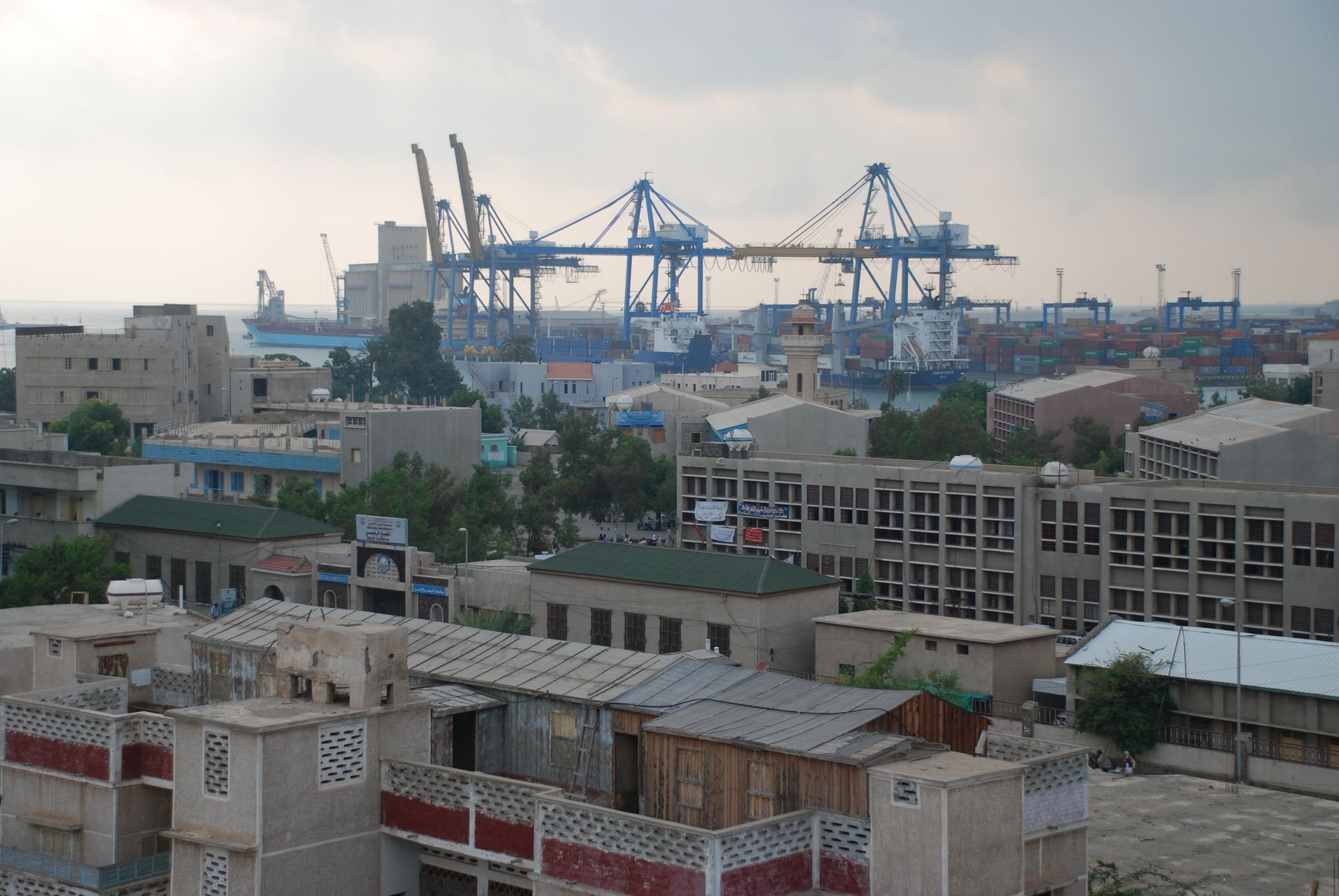
Port Sudan, Sudan
Data updated Sep 3, 2026
📊 Scores
Best fit: FIRE / Geoarbitrage (score: 44)
Handling 90% of Sudan's international trade, this Red Sea port city is essentially the economic lifeline of an entire nation — and that concentration of function defines everything about working here. The dominant employers are port operations, logistics, customs, and commodity trading (oilseed, hides, skins). The oil refinery adds industrial employment, and since 2023 the city has absorbed Sudan's relocated government bureaucracy, creating a secondary layer of civil service work. Foreign nationals here are almost exclusively aid workers, UN staff, or diplomatic personnel — there is no freelance or remote-work expat scene to speak of.
A one-bedroom in the city center runs around $450/month, which sounds manageable until you factor in the reality on the ground: water shortages are frequent, food supply chains have been severely disrupted by the ongoing civil war, and infrastructure is strained by a massive influx of internally displaced people. Healthcare is critically underfunded — expect to medical-evacuate for anything serious. Arabic is the only working language; English gets you nowhere outside diplomatic compounds. Bureaucracy is not just painful, it's unpredictable, operating under a government that itself fled its own capital.
Temperatures regularly exceed 40°C (104°F) in summer with high humidity off the Red Sea, and there is no mild season to offset it. The food scene is basic Sudanese staples — ful, kisra, grilled fish from the Red Sea — and supply has been inconsistent since 2023. There is no expat social scene in any conventional sense; the people here are aid workers on rotation and displaced Sudanese families, not lifestyle migrants. Weekends mean staying cool, not brunching. This city suits only humanitarian workers, security contractors, or journalists covering one of the world's most active conflict zones — nobody else should be planning a move here right now.
🏚️ Cost of Living
💰 Budgets and Costs
Grocery Basket
Eating Out
Utilities & Lifestyle
Housing
A 1BR in the center runs about $750/mo. If your income is in another currency, bank FX fees add up. A multi-currency account can cut that cost.
See low-fee transfersWe may earn a commission at no cost to you.
💰 Real Spend Reports
🛡️ Safety & Crime
(Higher is safer)
(Lower is safer)
Port Sudan feels considerably less safe than most Western cities, though it functions as Sudan's primary port and commercial hub. Daytime movement is generally manageable in central areas, but nighttime walking is not advisable for expats. The city has a visible security presence, but petty crime and opportunistic theft are common enough that constant situational awareness is necessary. Most expats report feeling cautious rather than terrified, but this is not a place for casual wandering.
Petty theft, bag snatching, and pickpocketing are the most frequent crimes targeting foreigners, particularly in crowded markets and near the port. Armed robbery occurs but is less common than opportunistic theft. Solo female travelers face additional harassment and should avoid traveling alone after dark. Avoid displaying valuables, use registered taxis rather than hailing cabs, and stay out of informal settlements and the port area after hours. Scams targeting expats are less prevalent than in tourist hubs, but financial fraud and overpayment schemes do occur.
Sudan remains politically unstable with ongoing conflict in other regions; Port Sudan itself has been relatively more stable but tensions can escalate quickly. Police are present but corruption is endemic, and their reliability in protecting expats is inconsistent. The U.S. State Department maintains a Level 3 or 4 travel advisory for Sudan. For Americans considering relocation, Port Sudan is feasible only for those with strong local networks, employer security support, and genuine necessity—not for remote workers seeking a casual expat lifestyle. The security situation can change rapidly.
Port Sudan has a safety index of 38/100. Petty theft and lost belongings are the most common problems for newcomers. Compare travel insurance before you go.
Compare travel insuranceWe may earn a commission at no cost to you.
🏥 Healthcare
🌤️ Climate
Best Months
Climate Notes
Hot desert climate; extremely hot summers and high coastal humidity.
💻 Digital Nomad
Community Notes
| Name | Price/mo | Notes |
|---|---|---|
| iWork Zone | $40 | Located in the heart of Port Sudan, iWork Zone offers a modern and collaborative environment. It's a popular spot for local entrepreneurs and freelancers, providing a good opportunity to connect with the Sudanese business community. |
| Alnile Center | $35 | Alnile Center provides a basic but functional coworking space in a central location. It's a budget-friendly option with essential amenities, making it suitable for remote workers who prioritize affordability and a quiet workspace. |
Working remotely from Port Sudan? Nomad health insurance covers you across borders, month to month.
See nomad insuranceWe may earn a commission at no cost to you.
🧳 Expat Life
Expat Life Notes
Currently a strategic hub during national instability; not a typical relocation destination due to severe security risks.
Pros
- ✓ Red Sea access
- ✓ Port-based economy
Cons
- ✗ Extreme political/civil instability
- ✗ Shortages of electricity and water
- ✗ Harsh desert climate
Could living/working in Port Sudan cut years off your work life?
With a 1-bedroom in the center at $750/mo, your FIRE number here might be much lower than you think.
Moving to Port Sudan? Estimate what an international move would cost and compare mover quotes.
Estimate my move costShare This Guide
Port Sudan won't stay this cheap forever.
Cost-of-living and visa updates for Port Sudan and the rest of Sudan. Free with RA Postcards.
By submitting your email address, you will receive a free subscription to RA Postcards and special offers from Rewire Abroad and our affiliates. You can unsubscribe at any time, and we encourage you to read more about our Privacy Policy.