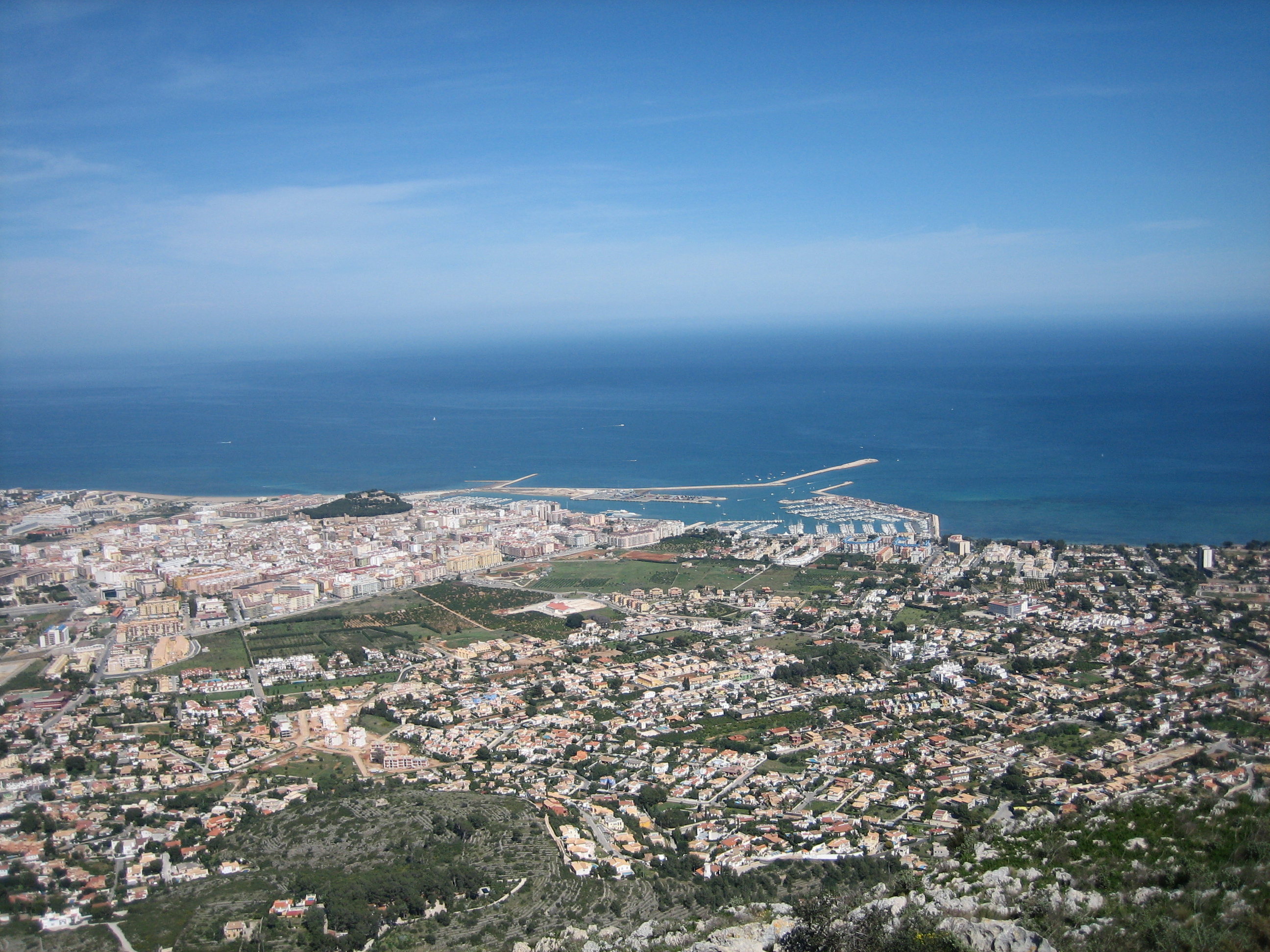
Tourism and fishing dominate Dénia's economy, with summer population swelling from 48,000 to over 100,000. The modern commercial harbor handles both fishing vessels and ferries to the Balearics, supporting port logistics jobs. Agriculture (historically raisins) and hospitality round out employment. Most expats here work remotely or run online businesses; local job opportunities exist in tourism, English teaching, and port administration, but wages are modest compared to Northern Europe.
Rent for a one-bedroom city center runs €750–800/month; outside the center, €550–650. Transport is walkable in town; buses connect to Alicante (90km) and Valencia. Healthcare is solid—Spain's public system covers residents, though private clinics exist. Spanish is essential for bureaucracy and daily life; English works in tourist zones but not reliably elsewhere. Residency paperwork is standard EU complexity. Summer crowds make June–August chaotic and pricey.
Expect 300 sunshine days, mild winters, and warm summers—genuinely pleasant. Food is fresh Mediterranean: fish markets, paella, local wines. The expat community is moderate-sized but scattered; weekends mean beach walks, ferry trips to Ibiza, hiking nearby, or exploring the old town's castle and fishing quarter. Dénia suits remote workers seeking reliable weather, affordable living, and beach access without Barcelona's intensity or Málaga's overdevelopment.
Estimate the cost of moving to Denia, Spain
Get a free moving cost estimate for moving to Denia, Spain. Takes 10 seconds.
How much are you shipping?
When are you moving?
Powered by Sirelo. Free quotes from international movers.
🏚️ Cost of Living
💰 Budgets and Costs
$1,427/mo, one person, rent included
Selected: budget lifestyle
Denia at the budget tier comes to about $1,427 a month for one adult, with $1,047 of that going to rent. Beyond rent the estimate covers $113 on groceries, $56.00 on dining out, $28.00 on entertainment and lifestyle, $155 on utilities and connectivity and $28.00 on transport.
Rent
$1,047/mo
1BR outside the centre
Groceries
$113/mo
75% of mid-range grocery spend
Dining out
$56.00/mo
4 inexpensive meals
Entertainment & lifestyle
$28.00/mo
1 cinema trip, 8 cappuccinos
Utilities & connectivity
$155/mo
utilities, mobile, internet
Transport
$28.00/mo
Monthly pass
Budgets (excl. rent)
Single person$380/mo
Excludes rent. The total above is all-in, rent included.
$1,614/mo, one person, rent included
Selected: mid-range lifestyle
Denia at the mid-range tier comes to about $1,614 a month for one adult, with $1,047 of that going to rent. Beyond rent the estimate covers $151 on groceries, $140 on dining out, $93.00 on entertainment and lifestyle, $155 on utilities and connectivity and $28.00 on transport.
Rent
$1,047/mo
1BR outside the centre
Groceries
$151/mo
Staples basket scaled to a full month
Dining out
$140/mo
10 inexpensive meals
Entertainment & lifestyle
$93.00/mo
gym, 2 cinema trips, 12 cappuccinos
Utilities & connectivity
$155/mo
utilities, mobile, internet
Transport
$28.00/mo
Monthly pass
Budgets (excl. rent)
Single person$567/mo
Excludes rent. The total above is all-in, rent included.
$1,919/mo, one person, rent included
Selected: comfortable lifestyle
Denia at the comfortable tier comes to about $1,919 a month for one adult, with $1,178 of that going to rent. Beyond rent the estimate covers $212 on groceries, $216 on dining out, $130 on entertainment and lifestyle, $155 on utilities and connectivity and $28.00 on transport.
Rent
$1,178/mo
1BR in the centre
Groceries
$212/mo
140% of mid-range grocery spend
Dining out
$216/mo
6 inexpensive meals + 6 mid-range meals
Entertainment & lifestyle
$130/mo
gym, 4 cinema trips, 20 cappuccinos
Utilities & connectivity
$155/mo
utilities, mobile, internet
Transport
$28.00/mo
Monthly pass
Budgets (excl. rent)
Single person$741/mo
Excludes rent. The total above is all-in, rent included.
Estimates for one adult, built from this city's average prices and the usage shown for each tier. Your spending will differ with how often you eat out and where you live.
A 1BR in the center runs about $1177.5/mo. If your income is in another currency, bank FX fees add up. A multi-currency account can cut that cost.
Denia is genuinely safe for expats, with a relaxed Mediterranean atmosphere and strong community presence. The city feels walkable and secure at night, particularly in central areas and along the promenade. While it's a smaller coastal town rather than a major urban center, the safety perception matches reality—locals and expats move freely without significant concern, and the police presence is adequate for a city this size.
Petty theft and opportunistic crime are the main concerns, particularly pickpocketing in crowded summer tourist areas and occasional break-ins to rental properties or cars. Avoid leaving valuables visible in vehicles and be cautious in the old town (Barrio Antiguo) late at night, though violent crime is rare. Solo female travelers report feeling safe; standard urban awareness applies. Scams targeting tourists exist but are typical of Spanish coastal towns rather than endemic to Denia.
Spain's political environment is stable with reliable police and judicial systems. Denia has no significant geopolitical risks or corruption issues affecting residents. The main consideration is seasonal tourism fluctuation, which can temporarily increase petty crime in summer months. For Americans considering relocation, Denia presents a genuinely low-risk option with good quality of life, healthcare, and expat infrastructure—one of Spain's safer coastal towns for long-term residence.
Located in the Marina de Denia, this Regus offers standard coworking amenities and private offices. Its waterfront location and proximity to restaurants and shops make it a convenient option for expats.
A dedicated coworking space in Denia, offering a collaborative environment with various desk options and meeting rooms. It's designed for digital nomads and remote workers, fostering a community vibe.
Located near the city center, Espai Coworking provides a flexible workspace solution with a focus on community and collaboration. It's a good option for those seeking a more local and intimate coworking experience.
See how Denia's digital nomad life compares with Badajoz
🧳 Expat Life
English Proficiency
Common in Tourist Areas
Expat Community
Large & Active
Top Neighborhoods
Las Marinas, La Jara
Banks Nearby
26
ATMs Nearby
36
Expat Life Notes
A major hub for Northern European expats. Almost 30% of the population is foreign.
Pros
✓ Massive expat infrastructure
✓ Excellent beaches
✓ Gourmet food scene
Cons
✗ Crowded in summer
✗ High property prices
🏘️ Neighborhoods in Denia
Areas of Denia that expats often consider.
Conditions can change from one block to the next, and these descriptions are general guides, not safety assessments. Before choosing where to stay or live, check current travel advisories, talk to people who live there, and visit in person if you can.
Las Rotas
Picturesque, upscale coastal tranquility
Known for its rocky coastline, coves, and upscale villas, Las Rotas is popular with affluent expats and retirees seeking peace and natural beauty. While walkable in sections, a car is recommended for accessing amenities. Expect higher prices and a quieter atmosphere compared to the town center.
Les Marines
Sandy beaches, lively, touristy
Stretching north from Denia, Les Marines boasts long sandy beaches and a vibrant atmosphere, especially during the summer. Many apartments cater to tourists, making it relatively easy to find rentals. However, expect higher prices during peak season and more noise due to tourism.
El Centro (Town Center)
Bustling heart of Denia
The heart of Denia offers a mix of historic charm and modern amenities. It's highly walkable, with easy access to shops, restaurants, and the port. While convenient, it can be noisy and crowded, especially during festivals and tourist season. Many expats and locals live here.
Baix la Mar (Fisherman's Quarter)
Historic, charming, authentic Spanish
Located near the port, Baix la Mar retains its traditional fishing village character. It's known for its colorful houses, seafood restaurants, and lively atmosphere. It's walkable and close to the center, but parking can be challenging. A good option for those seeking an authentic Spanish experience.
Montgó
Residential, quiet, nature-oriented
Located on the slopes of Montgó mountain, this area offers stunning views and a peaceful environment. It's primarily residential, with villas and apartments scattered throughout. A car is essential for getting around, but the tranquility and proximity to nature are a major draw for retirees and those seeking a quieter lifestyle. Many expats live in this area.
Ondara (Nearby Town)
Authentic, budget-friendly, local life
While not technically in Denia, Ondara is a nearby town offering a more local and budget-friendly experience. It's less touristy than Denia, with a traditional Spanish atmosphere. A car is recommended for accessing Denia's beaches and amenities. Spanish language skills are helpful.
La Pedrera
Quiet residential, family-friendly
A more local and less touristy residential area slightly inland from the main beach areas. It offers a quieter pace of life and is popular with Spanish families. While some expats live here, Spanish language skills are beneficial. It's less walkable to the beach compared to Les Marines.
Page 1 of 2
Could living/working in Denia cut years off your work life?
With a 1-bedroom in the center at $1178/mo, your FIRE number here might be much lower than you think.
At the mid-range tier, one adult needs about $1,614 a month in Denia, rent included, with $1,047 of that going to rent. That leaves roughly $567 for everything except housing.
In Denia, a one-bedroom runs $1,178 in the center and $1,047 outside it and three bedrooms come to $1,612 in the center and $1,337 outside it, per month.
Average monthly net salary in Denia is $2,075. That is 129% of the $1,614 mid-range monthly budget.
Denia scores 73.56 on the safety index (higher is safer) and a crime index of 26.44 (lower is safer).
Average internet speed in Denia is 50 Mbps. A home connection costs about $25/mo.
In Denia, summer averages 30°C and winter averages 9°C.
Yes, if you have reliable internet. Most expats work remotely here. WiFi is generally solid in the city center and newer apartments. Summer crowds can strain infrastructure, so test your connection before committing. Power outages are rare.
Significant. Population more than doubles June–August. Beaches are packed, restaurants have long waits, and parking becomes a nightmare. Rent spikes 20–30% in peak season. If you want peace, avoid summer or embrace it as your travel season.
Practically yes. English works in tourist restaurants and hotels, but banks, healthcare, and local administration require Spanish or a translator. Learning basics (A1–A2) before arrival saves frustration. Many expats take classes locally.
Dénia is relatively affordable. Expect to pay around €700-€1200 per month for a one or two-bedroom apartment, depending on location (Las Rotas is pricier than El Saladar). Groceries are cheaper than in the US, and you can easily find a decent 'menu del dia' lunch for €12-€15.
Dénia is generally very safe. Petty theft can occur, especially in crowded tourist areas during the summer, so be mindful of your belongings. Violent crime is rare, and you'll feel comfortable walking around at night in most neighborhoods.
For stays longer than 90 days, Americans need a visa. The Non-Lucrative Visa is popular for retirees and those with passive income, requiring proof of sufficient funds (around €28,800 per year). The Entrepreneur Visa is an option for digital nomads with a solid business plan.
Spain has excellent healthcare. You can access public healthcare if you're a legal resident and contribute to social security. Private healthcare is also readily available and relatively affordable, with policies costing around €50-€200 per month. Many doctors in Dénia speak English.
It depends on your budget and lifestyle. Las Rotas is beautiful but expensive, near the rocky coastline. The city center is lively and convenient. Les Marines is great for beach access and families, while El Saladar offers more affordable housing.
Internet speeds in Dénia are generally good, with fiber optic available in most areas. You can expect speeds of 50-300 Mbps, sufficient for video calls and other remote work tasks. Check with providers like Movistar or Vodafone for specific coverage in your chosen neighborhood.
While Dénia doesn't have a huge number of dedicated coworking spaces, some exist, and more are emerging. Several cafes offer reliable Wi-Fi and a comfortable working environment. Valencia, a larger city, is only about an hour away and has many coworking options.
Dénia has a sizable and active expat community, primarily British and Northern European. You'll find various social groups and clubs catering to expats, making it easy to connect with others. Online forums and Facebook groups are also great resources.
Dénia enjoys a Mediterranean climate with mild winters and hot summers. Expect sunshine for most of the year. July and August are the hottest months, while January and February are the coolest. Spring and autumn offer pleasant temperatures for outdoor activities.
Opening a bank account in Spain requires a NIE (foreigner identification number). Santander, BBVA, and CaixaBank are popular banks. For international transfers, Wise (formerly TransferWise) often offers better exchange rates and lower fees than traditional banks. ATMs are widely available.
Dénia is a walkable city, especially the center. Local buses connect different parts of the town. Taxis are readily available. Renting a scooter or bicycle is a good option for exploring the surrounding areas. The train connects Dénia to other coastal towns.
Yes, retiring early in Dénia on $2500 USD (approximately €2300) per month is feasible, especially if you own your accommodation or rent modestly. You'll need to be mindful of your spending, but it's possible to live comfortably and enjoy a good quality of life. Healthcare costs should be factored into your budget.
As a US citizen, you're still required to file US taxes even when living abroad. The Foreign Earned Income Exclusion (FEIE) can help you exclude a certain amount of your foreign-earned income from US taxes. You may also need to report foreign bank accounts (FBAR) if they exceed $10,000 in aggregate.
Dénia's lower cost of living allows your passive income to stretch further. Consider investing in Spanish real estate for rental income (though be aware of regulations). Explore high-yield savings accounts or certificates of deposit offered by Spanish banks. Consult a financial advisor familiar with international investments.
While many people in tourist areas speak some English, learning basic Spanish will significantly improve your daily life. You'll find it easier to navigate local services, build relationships with locals, and fully immerse yourself in the culture. Don't expect everyone to speak English fluently.
Cost-of-living and visa updates for Denia and the rest of Spain. Free with RA Postcards.
By submitting your email address, you will receive a free subscription to RA Postcards and special offers from Rewire Abroad and our affiliates. You can unsubscribe at any time, and we encourage you to read more about our Privacy Policy.