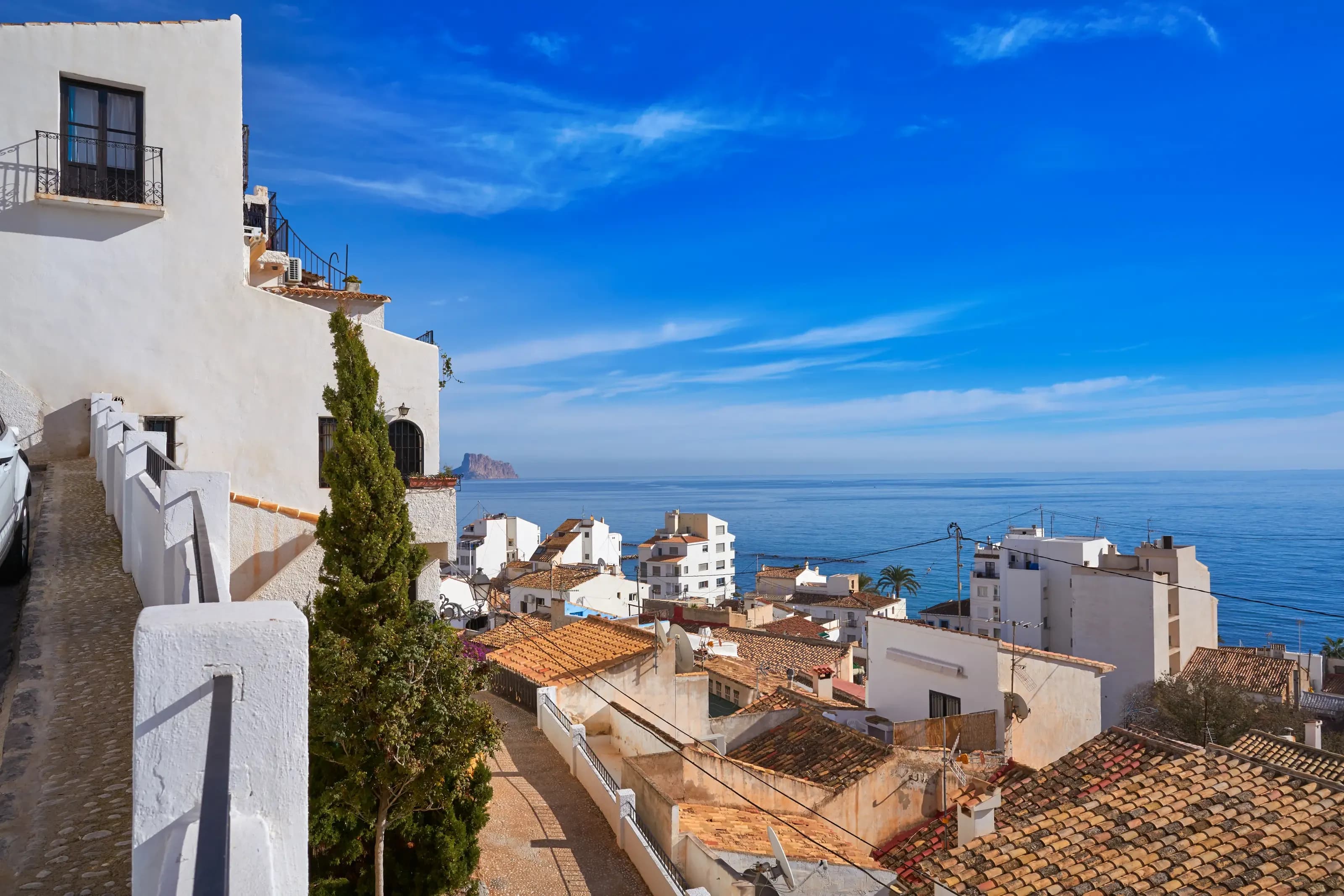
Altea, Spain
Data updated Sep 29, 2026
📊 Scores
Best fit: Retiree (score: 74)
Altea is the kind of place people find by accident and then can''t leave. Most expats stumble in while visiting the Costa Blanca and end up signing a lease. The whitewashed old town on the hill above the sea has a genuine bohemian streak — artists and writers have been drawn here for decades — and it avoids the resort-strip vibe that overtook nearby Benidorm. The tradeoff is real: you will need a car for almost everything beyond the old town and the beach. Buses run to Alicante and Benidorm, but schedules are thin. The expat community skews British and Northern European, middle-aged to retired, and it''s big enough that you can build a social life in English without much effort.
If you want authentic Spanish immersion though, the local Valencian culture is there if you look for it. Altea's economy runs almost entirely on tourism, construction, and the arts. There is no meaningful job market for non-Spanish speakers beyond hospitality. This is a destination for people arriving with remote income, a pension, or savings — not for those who need to find work locally. Property prices have climbed with Costa Blanca demand but remain a fraction of Barcelona or the UK coast, which is why so many British retirees end up here.
Fiber internet reaches most of the town and the hillside neighborhoods, so remote workers are fine on connectivity. The nearest hospital with full A&E is in Benidorm (15 min) or Denia (25 min). There are English-speaking GPs catering to expats. Mercadona is the main supermarket. For anything beyond basics you are driving to Benidorm or Calpe. The weekly market on Tuesdays is worth the trip.
🏚️ Cost of Living
💰 Budgets and Costs
Grocery Basket
Eating Out
Utilities & Lifestyle
Housing
A 1BR in the center runs about $810/mo. If your income is in another currency, bank FX fees add up. A multi-currency account can cut that cost.
See low-fee transfersWe may earn a commission at no cost to you.
💰 Real Spend Reports
🛡️ Safety & Crime
(Higher is safer)
(Lower is safer)
Altea is genuinely safe. Petty theft is minimal compared to larger tourist centers, and the town center and beach neighborhoods are comfortable at night.
The main annoyances are traffic during July and August when the population triples, and occasional car break-ins near beach parking areas. Violent crime is essentially nonexistent. The local police presence is adequate.
Solo female expats report feeling safe, including walking back from the old town at night. Standard precautions apply near the tourist seafront in summer, but this does not affect daily life for residents.
🏥 Healthcare
Altea has a local health center (Centro de Salud) for primary care. Serious cases go to Hospital Marina Baixa in Villajoyosa (20 min) or Hospital de Denia (25 min). Both have adequate emergency departments.
English-speaking private GPs specifically catering to expats operate in Altea and neighboring Calpe.
Private health insurance is straightforward to arrange here given the large expat population. Sanitas and Adeslas both have solid networks in the Costa Blanca region.
🌤️ Climate
Climate Notes
Mediterranean coastal climate. Summers are hot and dry - July and August regularly hit 32-34°C but the sea breeze keeps it liveable compared to inland Andalusia.
Winters are genuinely mild; frost is unheard of. Rainfall concentrates in October and November.
The Costa Blanca averages around 320 days of sunshine per year, though the local terrain means Altea catches slightly more cloud than Alicante to the south.
Best months: April, May, June, September, October — warm enough to swim, cool enough to walk.
💻 Digital Nomad
Planning to live in Altea long-term? Spain Digital Nomad Visa lets remote workers live legally with a minimum income of $1,627/month.
View full requirements →Working remotely from Altea? Nomad health insurance covers you across borders, month to month.
See nomad insuranceWe may earn a commission at no cost to you.
🧳 Expat Life
Expat Life Notes
🛂 Visa Options for Spain
Many long-stay visas require proof of health insurance. Compare international health plans before you apply.
Compare health insuranceWe may earn a commission at no cost to you.
Living on investment or passive income? Spain Non-Lucrative Visa may be the right fit — minimum $2,600/month required.
View full requirements →Earning over $1,627/mo? You may qualify for a Spain visa.
Answer 10 questions and get a personalized match in under 2 minutes.
Could living/working in Altea cut years off your work life?
With a 1-bedroom in the center at $324/mo, your FIRE number here might be much lower than you think.
Estimate the cost of moving to Altea, Spain
Get a free moving cost estimate for moving to Altea, Spain. Takes 10 seconds.
How much are you shipping?
When are you moving?
Powered by Sirelo. Free quotes from verified international movers.
Share This Guide
Altea won't stay this cheap forever.
Cost-of-living and visa updates for Altea and the rest of Spain. Free with RA Postcards.
By submitting your email address, you will receive a free subscription to RA Postcards and special offers from Rewire Abroad and our affiliates. You can unsubscribe at any time, and we encourage you to read more about our Privacy Policy.