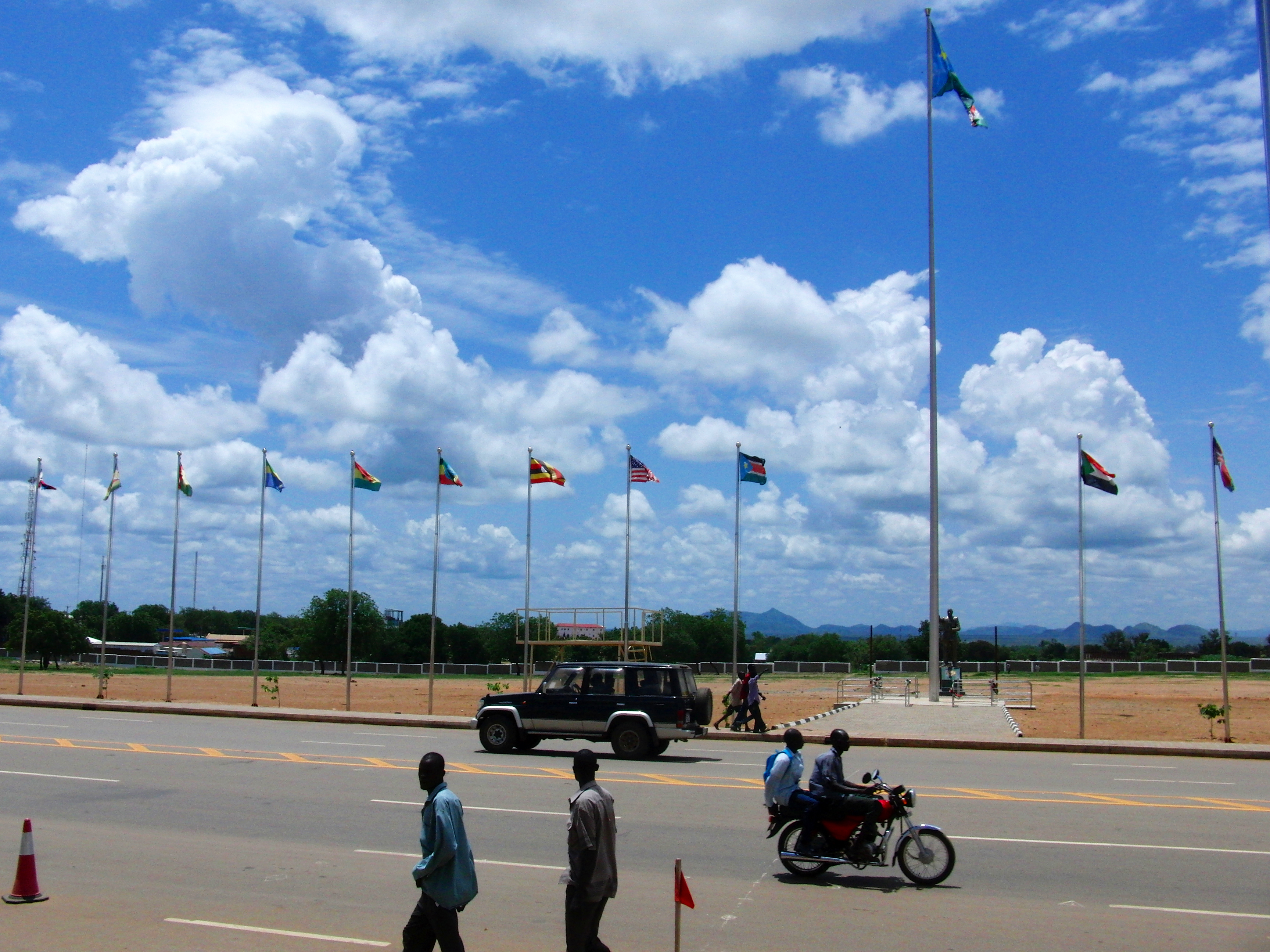
Juba, South Sudan
Data updated Sep 29, 2026
📊 Scores
Best fit: FIRE / Geoarbitrage (score: 35)
Oil revenue and international aid money drive almost everything here. The dominant employers are the South Sudanese government, UN agencies, international NGOs, and a handful of oil-sector contractors. If you're not arriving with a pre-arranged position at an organization like UNMISS, WFP, or a major humanitarian outfit, there is effectively no local job market to tap into. Private sector work exists in trade and logistics, but it's relationship-dependent and opaque to outsiders. This is a posting city, not a city you move to speculatively.
Costs are punishing relative to what you get. A one-bedroom in the city center runs around $800/month — comparable to parts of Western Europe, but with frequent power cuts, limited running water, and roads that flood badly from May through October. Healthcare is genuinely dangerous; serious medical issues require evacuation to Nairobi or Kampala, and most expat employers mandate medical evacuation insurance. English is widely spoken in professional and NGO circles, which reduces the language barrier, but bureaucracy is slow, unpredictable, and corruption is a real operational friction point.
Juba sits on the White Nile and temperatures stay above 30°C most of the year, with the rainy season bringing flooding and elevated malaria risk — prophylactics are non-negotiable. The social scene is almost entirely NGO and diplomatic compound-based: organized dinners, expat bars, and weekend boat trips on the Nile. The expat community is real but insular, and turnover is high because most people are on fixed-term contracts. This city suits aid workers, development professionals, and security contractors on assignment — not lifestyle seekers or remote workers chasing low costs.
🏚️ Cost of Living
💰 Budgets and Costs
Grocery Basket
Eating Out
Utilities & Lifestyle
Housing
A 1BR in the center runs about $3500/mo. If your income is in another currency, bank FX fees add up. A multi-currency account can cut that cost.
See low-fee transfersWe may earn a commission at no cost to you.
💰 Real Spend Reports
🛡️ Safety & Crime
(Higher is safer)
(Lower is safer)
Juba is widely considered one of Africa's most challenging capitals for expats. Day-to-day safety is unpredictable; armed robbery, carjacking, and home invasions occur regularly. Walking at night is strongly discouraged even in expat-heavy areas. The city's reputation for danger is largely justified—security incidents affect residents across all neighborhoods, and the presence of armed groups and military checkpoints creates constant tension.
Common threats include armed robbery, mugging, and carjacking, particularly after dark and in less-developed areas. Petty theft and burglary are endemic. Solo female travelers face elevated harassment and assault risks. Avoid displaying wealth, traveling alone at night, and straying from known expat compounds. Checkpoints by military or armed groups can turn confrontational. Kidnapping for ransom, while less common, has targeted expats and aid workers.
South Sudan remains politically unstable with ongoing civil conflict, despite the 2018 ceasefire. Corruption is pervasive; police are unreliable and sometimes complicit in crime. Ethnic tensions periodically flare into violence. The humanitarian crisis means limited medical facilities and infrastructure. For Americans considering relocation, Juba is suitable only for those with security training, employer-provided protection, or compelling professional reasons. Most retirees and remote workers should explore safer alternatives in the region.
Juba has a safety index of 30/100. Petty theft and lost belongings are the most common problems for newcomers. Compare travel insurance before you go.
Compare travel insuranceWe may earn a commission at no cost to you.
🏥 Healthcare
🌤️ Climate
Best Months
Climate Notes
Tropical savanna climate; hot year-round with a rainy season from April to October.
💻 Digital Nomad
Community Notes
| Name | Price/mo | Notes |
|---|---|---|
| Regus Juba | $250 | Regus offers a reliable, professional workspace in Juba. Located centrally, it provides essential amenities like high-speed internet and meeting rooms, making it suitable for expats needing a structured work environment. |
| Juba Hub | $150 | Juba Hub is a community-focused coworking space that provides a collaborative environment for entrepreneurs and remote workers. It offers a more relaxed and informal atmosphere compared to corporate options, fostering networking opportunities. |
Working remotely from Juba? Nomad health insurance covers you across borders, month to month.
See nomad insuranceWe may earn a commission at no cost to you.
🧳 Expat Life
Expat Life Notes
Relocation to Juba is almost exclusively limited to NGO, UN, and diplomatic staff due to infrastructure and security challenges.
Pros
- ✓ High demand for development work
- ✓ English is widely spoken
- ✓ Tight-knit community
Cons
- ✗ Poor infrastructure and power
- ✗ Severe safety risks
- ✗ Limited recreational activities
Could living/working in Juba cut years off your work life?
With a 1-bedroom in the center at $3500/mo, your FIRE number here might be much lower than you think.
Moving to Juba? Estimate what an international move would cost and compare mover quotes.
Estimate my move costShare This Guide
Juba won't stay this cheap forever.
Cost-of-living and visa updates for Juba and the rest of South Sudan. Free with RA Postcards.
By submitting your email address, you will receive a free subscription to RA Postcards and special offers from Rewire Abroad and our affiliates. You can unsubscribe at any time, and we encourage you to read more about our Privacy Policy.