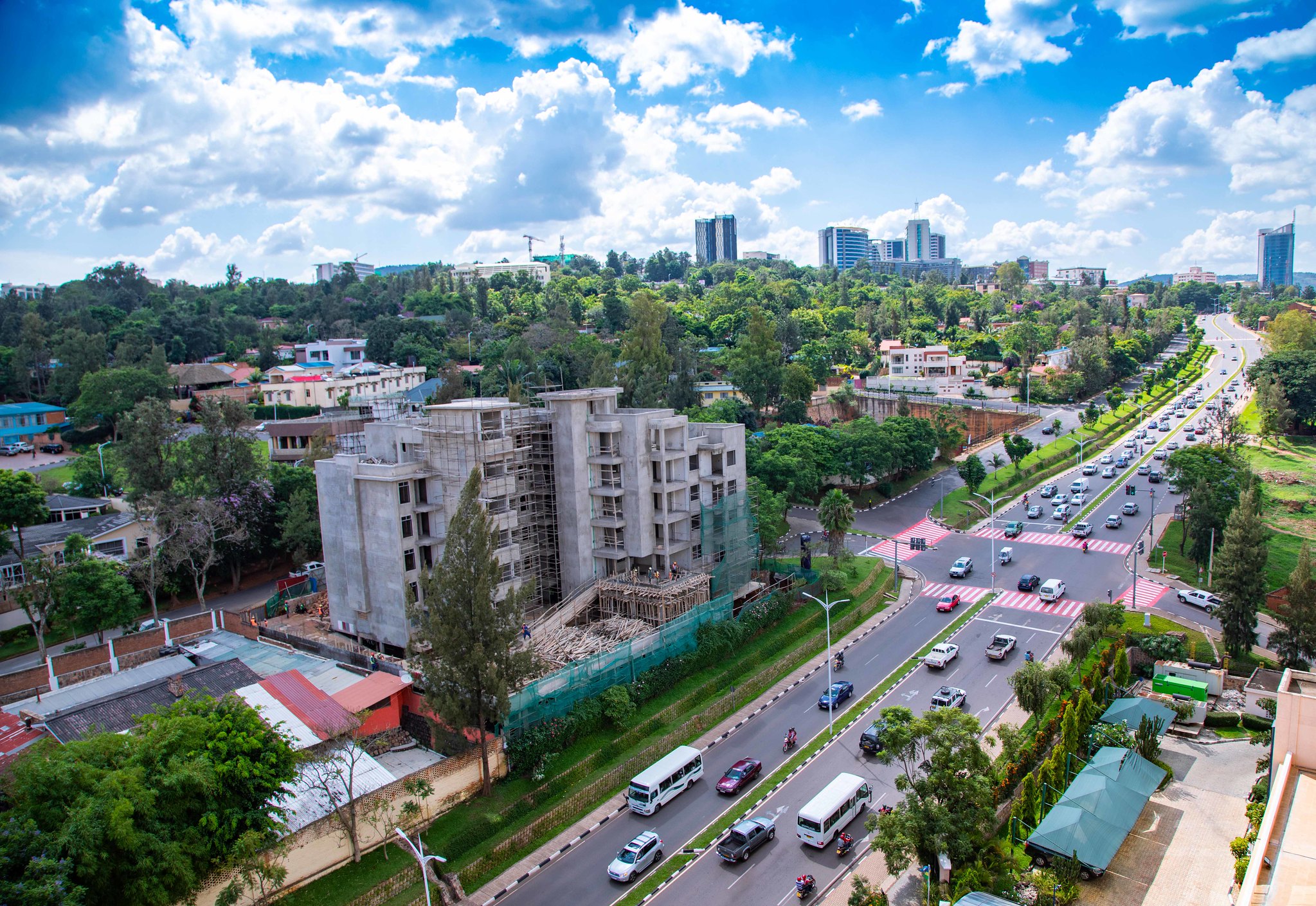
Kigali, Rwanda
Data updated Sep 3, 2026
📊 Scores
Best fit: FIRE / Geoarbitrage (score: 80)
Services, government, and conference tourism do most of the heavy lifting in Kigali's economy. The Rwandan government is the city's largest institutional employer, and a growing ecosystem of NGOs, UN agencies, and international organizations — including UNHCR managing operations for nearly 135,000 refugees — creates a steady demand for skilled local and expat professionals. Remote workers and digital nomads are increasingly present, drawn by political stability and improving infrastructure. Outside the formal sector, subsistence farming still employs a meaningful slice of the population, which tells you something about the income gap.
A one-bedroom in the city center runs around $450/month — reasonable by expat standards, though noticeably expensive relative to local wages. Transport is dominated by motos (motorcycle taxis) and minibuses; they're cheap and ubiquitous but require some tolerance for chaos. Healthcare is functional at private clinics like King Faisal Hospital, but serious conditions will have you flying to Nairobi or Johannesburg. Kinyarwanda is the street language, French is fading, and English is now an official language — so English speakers manage fine, though bureaucratic processes can still be slow and opaque.
Kigali sits at roughly 1,500 meters elevation, which keeps temperatures mild year-round — highs around 27°C, rarely oppressive. The food scene is improving but still limited; you'll find solid Ethiopian, Indian, and Lebanese spots alongside Rwandan staples like brochettes and isombe. The expat community is real but not enormous — concentrated around Kimihuruku and Nyamirambo — and weekends tend to involve hiking the surrounding hills, rooftop bars, or day trips to Nyungwe or Volcanoes National Park. This city suits mission-driven professionals, early retirees who want safety and order over nightlife, and remote workers who prioritize cleanliness and stability over cosmopolitan variety.
🏚️ Cost of Living
💰 Budgets and Costs
Grocery Basket
Eating Out
Utilities & Lifestyle
Housing
A 1BR in the center runs about $450/mo. If your income is in another currency, bank FX fees add up. A multi-currency account can cut that cost.
See low-fee transfersWe may earn a commission at no cost to you.
💰 Real Spend Reports
🛡️ Safety & Crime
(Higher is safer)
(Lower is safer)
Kigali is genuinely one of Africa's safer capitals and significantly safer than most American cities. Daytime walking is comfortable in central areas like the CBD and Kacyiru. Nighttime safety depends on neighborhood—stick to well-lit, populated zones and use registered taxis after dark. The city feels orderly and controlled, with visible police presence and low violent crime rates compared to regional peers.
Petty theft and pickpocketing occur in crowded markets (Kimironko, Nyabugogo) and on public transport—keep valuables secured. Scams targeting expats include inflated taxi fares and fake tour operators; use Uber or hotel-arranged transport. Violent crime is rare but not nonexistent; avoid displaying wealth and stay aware in less-developed peripheral areas. Solo female travelers report feeling safer here than in many Western cities, though standard precautions apply.
Rwanda's political environment is stable under President Kagame's centralized governance. Corruption exists but is lower than regional averages. Police are generally professional and responsive to expat concerns, though the justice system can be slow. The country has strong security infrastructure and low protest activity. For Americans considering relocation, Kigali presents minimal geopolitical risk—the main concerns are standard urban crime prevention, not systemic instability.
🏥 Healthcare
🌤️ Climate
Best Months
Climate Notes
Tropical highland climate with consistent, mild temperatures.
💻 Digital Nomad
Community Notes
| Name | Price/mo | Notes |
|---|---|---|
| Impact Hub Kigali | $150 | Located in Kiyovu, Impact Hub Kigali offers a vibrant community and various membership options. It's known for its focus on social impact and entrepreneurship, making it a great place to connect with like-minded individuals. |
| The Office | $120 | Situated in Kimihurura, The Office provides a professional and modern workspace. It offers a range of amenities, including high-speed internet, meeting rooms, and a cafe, making it suitable for digital nomads and remote workers. |
| kLab | $80 | Located in Remera, kLab is a technology innovation hub that also offers coworking spaces. It's a great option for those in the tech industry looking to collaborate and network with local startups and developers. |
| Regus Kigali Heights | $200 | Located in Kigali Heights, Regus offers a professional and well-equipped coworking environment. It provides flexible workspace solutions and is ideal for those seeking a more corporate setting with reliable amenities. |
Planning to live in Kigali long-term? Rwanda Digital Nomad Visa lets remote workers live legally with a minimum income of $2,000/month.
View full requirements →Working remotely from Kigali? Nomad health insurance covers you across borders, month to month.
See nomad insuranceWe may earn a commission at no cost to you.
🧳 Expat Life
Expat Life Notes
Kigali is often called the cleanest and safest capital in Africa, attracting a high-quality international community.
Pros
- ✓ Exceptional safety and order
- ✓ Clean and green environment
- ✓ Growing tech sector
Cons
- ✗ High cost for western imports
- ✗ Relatively quiet social/nightlife
- ✗ High internet costs
🛂 Visa Options for Rwanda
Many long-stay visas require proof of health insurance. Compare international health plans before you apply.
Compare health insuranceWe may earn a commission at no cost to you.
Earning over $2,000/mo? You may qualify for a Rwanda visa.
Answer 10 questions and get a personalized match in under 2 minutes.
Could living/working in Kigali cut years off your work life?
With a 1-bedroom in the center at $450/mo, your FIRE number here might be much lower than you think.
Moving to Kigali? Estimate what an international move would cost and compare mover quotes.
Estimate my move costShare This Guide
Kigali won't stay this cheap forever.
Cost-of-living and visa updates for Kigali and the rest of Rwanda. Free with RA Postcards.
By submitting your email address, you will receive a free subscription to RA Postcards and special offers from Rewire Abroad and our affiliates. You can unsubscribe at any time, and we encourage you to read more about our Privacy Policy.