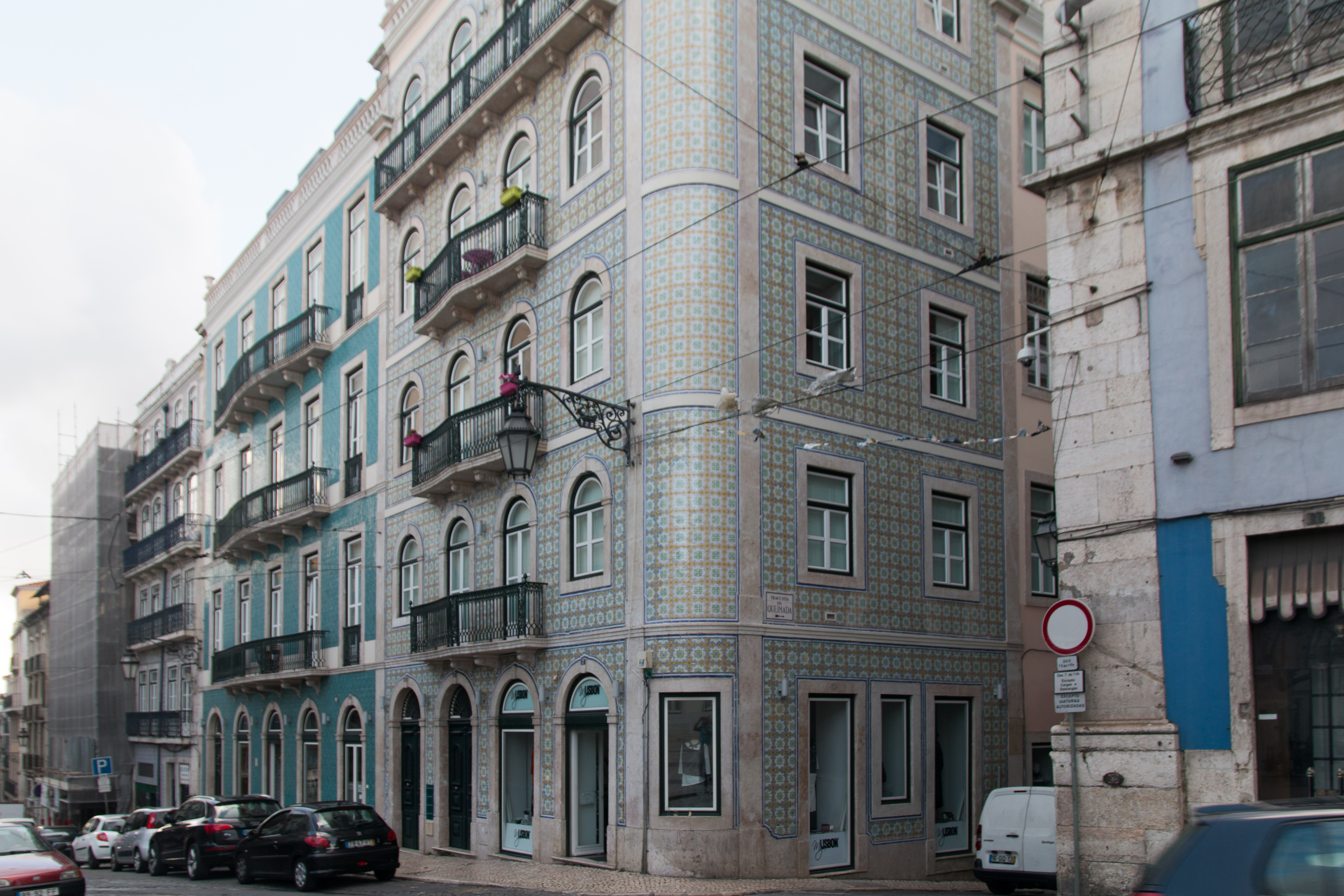
Bairro da Penha sits 66 meters above sea level in Portugal, just 8 kilometers from LIS airport. The climate is tropical with hot, humid summers from September to March reaching 39 degrees Celsius and mild winters from June to August with nights around 4 degrees Celsius, paired with consistent 73 percent humidity and significant rainfall during summer months. Expats tend to settle in Penha Centro and Vila Esperanca, though the overall expat community size is listed as none.
Living costs here are low. A single adult's monthly cost excluding rent is $480, while a family of four spends $1,400 excluding rent. Rent for a one-bedroom in the city centre runs $320 per month, and outside the centre it is $260. A three-bedroom in the centre costs $620, and outside the centre it is $500. The cost of living index is 34 out of 100 compared to New York City. Budget-tier total expenses for a single adult including rent come to $900 per month, mid-range totals $1,350, and comfortable totals $1,900.
Safety is moderate, with a safety index of 49 out of 100 and a crime index of 51 (lower is safer). Healthcare quality is rated as good. The air quality index is 45, lower being better. English proficiency is limited.
For visas, the Portugal D7 Passive Income Visa requires a minimum monthly income of $1,031 per month, and the Portugal Digital Nomad Visa (D8) requires a minimum monthly income of $3,900 per month. The nearest airport is LIS, 8 kilometers away. With an overall expat score of 80 out of 100 and a FIRE score of 80, Bairro da Penha suits those pursuing financial independence or early retirement, though the retiree score is 57 and the digital nomad score is 56. Average internet speed is 43 Mbps.
Estimate the cost of moving to Bairro da Penha, Portugal
Get a free moving cost estimate for moving to Bairro da Penha, Portugal. Takes 10 seconds.
How much are you shipping?
When are you moving?
Powered by Sirelo. Free quotes from international movers.
🏚️ Cost of Living
💰 Budgets and Costs
A category breakdown is not available for Bairro da Penha yet. We publish a breakdown only when every category can be priced from local data, rather than showing figures we cannot stand behind.
Rent, 1 bedroom in the centre
$320/mo
Living costs, excluding rent
$480/mo
Still needed for a full breakdown: grocery prices, restaurant prices and utility bills.
Bairro da Penha sits in a moderate-risk zone typical of Rio's suburban neighborhoods. Property crime (theft, burglary) and street robbery are the primary concerns, particularly in less developed areas and after dark. Violent crime exists but is not endemic to expat daily life if you exercise standard precautions. Avoid displaying valuables, use registered taxis or ride-apps, and stay aware of your surroundings in crowded areas. The neighborhood itself is residential and mixed-income; some blocks are safer than others. For a 30-65 expat, this requires vigilance and local knowledge but is manageable with sensible habits—not a no-go zone, but not a relaxed retirement destination either.
Bairro da Penha has a safety index of 49/100. Petty theft and lost belongings are the most common problems for newcomers. Compare travel insurance before you go.
Located in the upscale Praia do Canto neighborhood of Vitoria, this Regus location offers a professional environment with standard amenities like high-speed internet, meeting rooms, and printing services. It's a reliable option for expats seeking a familiar coworking experience.
Situated in Enseada do Sua, Vitoria, this WeWork provides a vibrant coworking atmosphere with modern design, community events, and various workspace options. Its central location and brand recognition make it appealing to international remote workers.
Located in Vitoria, Hubes Coworking offers a collaborative environment with a focus on technology and innovation. It provides a mix of open workspaces and private offices, suitable for digital nomads looking for a local coworking experience.
Planning to live in Bairro da Penha long-term? Portugal Digital Nomad Visa (D8) lets remote workers live legally with a minimum income of $3,900/month.
See how Bairro da Penha's digital nomad life compares with Carvoeiro
🧳 Expat Life
English Proficiency
Limited
Expat Community
None
Top Neighborhoods
Penha Centro, Vila Esperança
Banks Nearby
323
ATMs Nearby
335
Expat Life Notes
Bairro da Penha is a traditional working-class neighborhood in São Paulo. It has no expat presence.
Pros
✓ Good metro access
✓ Traditional local markets
Cons
✗ Safety issues at night
✗ No English spoken
✗ Sterile social scene
🏘️ Neighborhoods in Bairro da Penha
Areas of Bairro da Penha that expats often consider.
Conditions can change from one block to the next, and these descriptions are general guides, not safety assessments. Before choosing where to stay or live, check current travel advisories, talk to people who live there, and visit in person if you can.
Gonzaga
Bustling commercial and residential
Gonzaga is the heart of Santos, offering a wide array of shops, restaurants, and services. It's generally safe and well-maintained, making it popular with expats and families. Expect higher prices and more noise compared to quieter areas.
Boqueirão
Lively beachside and convenient
Located right on the beach, Boqueirão offers a vibrant atmosphere with plenty of beachfront kiosks and activities. It's a walkable area with good public transport links. While popular with tourists, it also has a strong local presence and can be a good option for expats seeking a lively environment.
Ponta da Praia
Upscale, quieter beachfront living
Ponta da Praia is a more upscale and residential area at the eastern end of Santos. It offers stunning views of the ocean and the port. It's generally quieter and safer than Gonzaga or Boqueirão, making it attractive to retirees and families, but prices are higher.
Embaré
Residential, family-friendly, relaxed vibe
Embaré is a more traditional residential neighborhood with a relaxed atmosphere. It's popular with families and offers a good selection of local shops and restaurants. While not as touristy as other areas, it provides a more authentic Brazilian experience, but English proficiency may be lower.
José Menino
Quiet, residential, close to nature
José Menino is a quieter residential area located near the Orquidário Municipal (orchid garden) and the José Menino beach. It's a good option for those seeking a more peaceful environment away from the hustle and bustle of the city center. It's less expat-heavy, so some Portuguese language skills are helpful.
Aparecida
Busy, affordable, local flavor
Aparecida is a more densely populated and affordable neighborhood. It offers a wide range of local shops and services. While it may not be as polished as Gonzaga, it provides a more authentic Brazilian experience and is well-connected by public transport. Be aware of higher noise levels and petty crime.
Page 1 of 2
Could living/working in Bairro da Penha cut years off your work life?
With a 1-bedroom in the center at $320/mo, your FIRE number here might be much lower than you think.
Bairro da Penha has a population of approximately 9,658 people.
A single person can expect to spend around $800 per month in Bairro da Penha, including rent. A 1-bedroom apartment in the city center costs approximately $320/month.
The nearest airport to Bairro da Penha is LIS, approximately 7.7km away.
Bairro da Penha is considered moderate in terms of safety, with a safety index of 49.0. As with any city abroad, expats should research specific neighborhoods before committing to a location.
Expect to pay around R$1,200 to R$2,000 per month for a furnished one-bedroom apartment, depending on the neighborhood and amenities. Areas closer to the main streets tend to be pricier. Always negotiate, as prices are often negotiable, especially for longer leases.
While Bairro da Penha itself doesn't have dedicated coworking spaces, you'll find options in nearby Vitória, about a 30-minute drive. These spaces typically offer monthly memberships with varying levels of access and amenities, costing around R$300-R$600 per month.
Bairro da Penha is generally considered safer than larger metropolitan areas like Rio de Janeiro or São Paulo, but petty crime can still be an issue. Avoid walking alone late at night, especially in less well-lit areas, and be mindful of your belongings.
The most common route for retirees is the retirement visa, requiring proof of a monthly income of at least R$6,000 from sources like Social Security or a pension. You'll need to apply through the Brazilian consulate in the US and provide documentation of your income, health insurance, and criminal background check.
While some locals in tourist-oriented businesses may speak a little English, Portuguese is essential for daily life in Bairro da Penha. Consider taking language classes or using translation apps to navigate everyday interactions and build relationships with locals.
Groceries are relatively affordable. A single person can expect to spend around R$800-R$1200 per month on groceries, depending on dietary preferences. Local markets offer fresh produce at lower prices than supermarkets.
Services like Wise (formerly TransferWise) and Remitly generally offer competitive exchange rates and lower fees compared to traditional bank transfers. Be sure to compare rates and fees before making a transfer, and check if your bank has partnerships that offer discounted rates.
Bairro da Penha has a tropical climate, with warm temperatures year-round. Pack light, breathable clothing, swimwear, and sunscreen. The rainy season is typically from October to January, so bring a light rain jacket or umbrella.
While there isn't a large, formal American expat community specifically in Bairro da Penha, you can connect with expats in nearby Vitória through online forums and social media groups. These groups often organize social events and provide support for newcomers.
Internet speed is generally reliable in Bairro da Penha, with fiber optic options available in many areas. Expect speeds of 50 Mbps or higher, sufficient for video conferencing and other remote work tasks. Check with your landlord or internet provider for specific speeds in your area.
As a US citizen, you're still required to file US taxes even when living abroad. You may be eligible for the Foreign Earned Income Exclusion (FEIE) to exclude a certain amount of your foreign-earned income from US taxes. Consult with a tax professional specializing in expat taxes to ensure compliance.
A single retiree could live comfortably in Bairro da Penha on a budget of R$4,000 to R$6,000 per month, covering rent, groceries, healthcare, and leisure activities. This allows for a decent quality of life without extreme frugality. Of course, lifestyle choices will impact this figure.
Be sure to try Moqueca Capixaba, a seafood stew cooked in a clay pot, and Torta Capixaba, a savory pie made with seafood, vegetables, and palm heart. Also, sample some Pão de Queijo (cheese bread) from a local bakery.
Bairro da Penha has public and private healthcare options. While finding English-speaking doctors directly in Bairro da Penha might be challenging, Vitória has several private hospitals and clinics with multilingual staff. Private health insurance is recommended for expats.
Neighborhoods closer to the beach, like Praia de Camburi (though technically in Vitória), offer a higher quality of life but come with a higher price tag. For better value, consider areas slightly inland, which still offer good access to amenities and transportation.
Cost-of-living and visa updates for Bairro da Penha and the rest of Portugal. Free with RA Postcards.
By submitting your email address, you will receive a free subscription to RA Postcards and special offers from Rewire Abroad and our affiliates. You can unsubscribe at any time, and we encourage you to read more about our Privacy Policy.