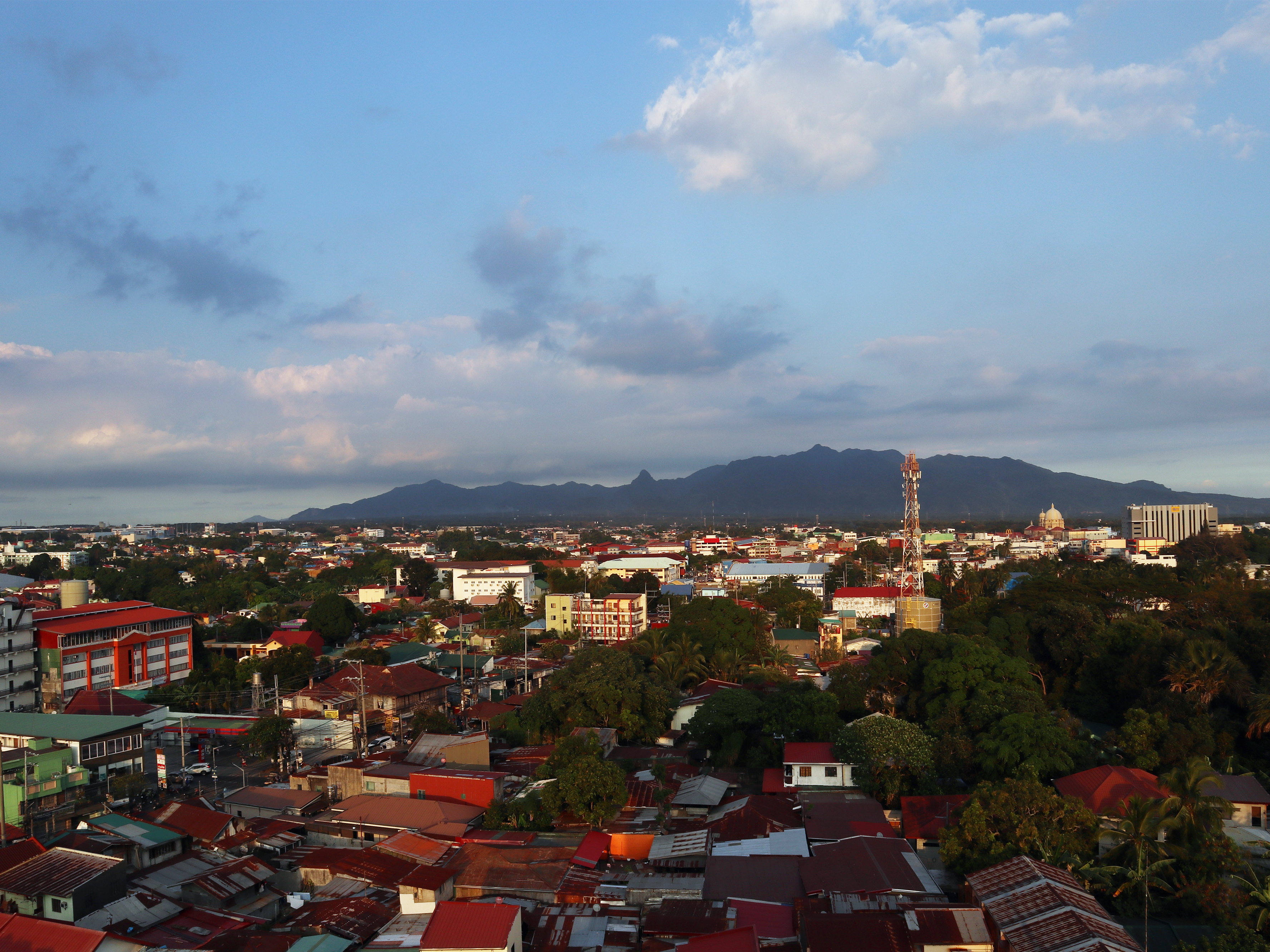
Manufacturing and logistics dominate the local economy, with industrial parks housing electronics, automotive parts, and food processing companies. Many residents commute to Manila via SLEX for higher-paying jobs in finance and tech, treating Lipa as a bedroom community. Local employment centers on retail, services, and small manufacturing, but salaries rarely exceed ₱25,000 monthly unless you're in management. The city benefits from Batangas port proximity, making it attractive for import/export businesses and warehousing operations.
One-bedroom apartments in the city center run $280 monthly, though newer developments targeting Manila commuters push closer to $400. Public transport relies on jeepneys and tricycles within the city, with bus terminals connecting to Manila in 2-3 hours depending on traffic. Healthcare is adequate with several private hospitals, but serious cases often require transfer to Manila facilities. Most locals speak English reasonably well, and government offices operate in both Filipino and English, making bureaucracy manageable compared to rural areas.
The tropical climate brings heavy rains June through October, with dry season heat reaching uncomfortable levels by April. Food scene centers on traditional Filipino fare with growing fast-food chains and some international options in malls. Weekend activities include nearby Taal Lake, hot springs in neighboring towns, and shopping at SM City Lipa. The expat community is small but growing, mostly retirees and Manila workers seeking cheaper housing. This city works best for budget-conscious expats who don't mind commuting or those seeking a quieter Philippine base with Manila access.
Estimate the cost of moving to Lipa, Philippines
Get a free moving cost estimate for moving to Lipa, Philippines. Takes 10 seconds.
How much are you shipping?
When are you moving?
Powered by Sirelo. Free quotes from international movers.
🏚️ Cost of Living
💰 Budgets and Costs
$350/mo, one person, rent included
Selected: budget lifestyle
Lipa at the budget tier comes to about $350 a month for one adult, with $61.00 of that going to rent. Beyond rent the estimate covers $72.00 on groceries, $13.00 on dining out, $20.00 on entertainment and lifestyle, $179 on utilities and connectivity and $5.00 on transport.
Rent
$61.00/mo
1BR outside the centre
Groceries
$72.00/mo
75% of mid-range grocery spend
Dining out
$13.00/mo
4 inexpensive meals
Entertainment & lifestyle
$20.00/mo
1 cinema trip, 8 cappuccinos
Utilities & connectivity
$179/mo
utilities, mobile, internet
Transport
$5.00/mo
Monthly pass
Budgets (excl. rent)
Single person$289/mo
Excludes rent. The total above is all-in, rent included.
$437/mo, one person, rent included
Selected: mid-range lifestyle
Lipa at the mid-range tier comes to about $437 a month for one adult, with $61.00 of that going to rent. Beyond rent the estimate covers $96.00 on groceries, $32.00 on dining out, $64.00 on entertainment and lifestyle, $179 on utilities and connectivity and $5.00 on transport.
Rent
$61.00/mo
1BR outside the centre
Groceries
$96.00/mo
Staples basket scaled to a full month
Dining out
$32.00/mo
10 inexpensive meals
Entertainment & lifestyle
$64.00/mo
gym, 2 cinema trips, 12 cappuccinos
Utilities & connectivity
$179/mo
utilities, mobile, internet
Transport
$5.00/mo
Monthly pass
Budgets (excl. rent)
Single person$376/mo
Excludes rent. The total above is all-in, rent included.
$553/mo, one person, rent included
Selected: comfortable lifestyle
Lipa at the comfortable tier comes to about $553 a month for one adult, with $80.00 of that going to rent. Beyond rent the estimate covers $134 on groceries, $67.00 on dining out, $88.00 on entertainment and lifestyle, $179 on utilities and connectivity and $5.00 on transport.
Rent
$80.00/mo
1BR in the centre
Groceries
$134/mo
140% of mid-range grocery spend
Dining out
$67.00/mo
6 inexpensive meals + 6 mid-range meals
Entertainment & lifestyle
$88.00/mo
gym, 4 cinema trips, 20 cappuccinos
Utilities & connectivity
$179/mo
utilities, mobile, internet
Transport
$5.00/mo
Monthly pass
Budgets (excl. rent)
Single person$473/mo
Excludes rent. The total above is all-in, rent included.
Estimates for one adult, built from this city's average prices and the usage shown for each tier. Your spending will differ with how often you eat out and where you live.
A 1BR in the center runs about $79.7/mo. If your income is in another currency, bank FX fees add up. A multi-currency account can cut that cost.
Lipa feels moderately safe for expats during daylight hours, with reasonable walkability in commercial and residential zones. Nighttime solo walking is not recommended, particularly in unfamiliar areas. The city's safety perception is mixed—locals navigate it routinely, but petty crime and occasional opportunistic theft mean you'll need situational awareness. Most expats report feeling secure in established neighborhoods and gated communities.
Common risks include pickpocketing in crowded markets, bag snatching from motorcycles, and phone theft. Avoid displaying expensive jewelry, cameras, or large cash amounts. Scams targeting foreigners exist but are typically low-level (overcharging, fake tours). Solo female travelers should avoid isolated areas after dark and use registered taxis or ride-sharing apps. Robbery is rare but possible in poorly lit peripheral zones.
The Philippines has moderate political stability, though Mindanao (southern region) experiences occasional unrest unrelated to Lipa's safety. Police presence is adequate but corruption exists; avoid confrontations and keep documentation handy. For a 30-65 American considering relocation, Lipa is livable with standard precautions—comparable to mid-tier Southeast Asian cities. It's not a top-tier safe haven but safer than many urban areas globally. Establish local networks and follow expat community advice for neighborhood selection.
Lipa has a safety index of 55/100. Petty theft and lost belongings are the most common problems for newcomers. Compare travel insurance before you go.
Lipa experiences a tropical climate with hot, humid conditions year-round, a pronounced dry season from November to April, and a wet monsoon season from May to October with heavy rainfall.
💻 Digital Nomad
Avg Internet Speed
35 Mbps
Internet (monthly)
$23/mo
Coworking Availability
Moderate
Coworking Spaces Nearby
0
Digital Nomad Score
58/100
Community Notes
Lipa provides a suburban environment with reasonable facilities for digital nomads.
A popular independent coworking space in Lipa, WorkPlays offers a relaxed and productive environment. It's known for its strong community and is located in a central area, making it easily accessible.
Located in the Metro Lipa TechCenter, this Regus location provides a professional and reliable workspace. It offers various office solutions and is suitable for those seeking a more corporate environment.
See how Lipa's digital nomad life compares with Clark Freeport
🧳 Expat Life
English Proficiency
Limited
Expat Community
Small
Top Neighborhoods
Lipa City Center
Banks Nearby
62
ATMs Nearby
14
Expat Life Notes
Lipa offers cooler weather and a growing BPO economy. Popular with retiree families.
Pros
✓ Native English widespread
✓ Cooler mountain air
✓ Growing amenities
Cons
✗ Traffic congestion
✗ Utility instability
✗ Quiet social life
🏘️ Neighborhoods in Lipa
Areas of Lipa that expats often consider.
Conditions can change from one block to the next, and these descriptions are general guides, not safety assessments. Before choosing where to stay or live, check current travel advisories, talk to people who live there, and visit in person if you can.
Ayala Highway (near De La Salle Lipa)
Student-centric, convenient, commercial
This area is popular due to its proximity to De La Salle Lipa, offering numerous restaurants, cafes, and shops catering to students and young professionals. It's relatively easy to get around via jeepney or tricycle, but traffic can be heavy. Expect some noise and crowds, but also convenience and accessibility to amenities.
Marawoy
Residential, quiet, family-oriented
Marawoy is a primarily residential barangay, offering a more peaceful environment compared to the city center. It's a good option for retirees or those seeking a quieter lifestyle. Transportation relies mainly on tricycles and jeepneys, and English proficiency may be lower than in more commercial areas.
Banay-Banay
Agricultural, rural, laid-back
Banay-Banay offers a rural setting with a focus on agriculture. It's ideal for those seeking a very quiet and simple life, but it's further from city amenities. Transportation is limited, and a car or motorcycle is recommended. Expect a more traditional Filipino lifestyle.
Kayumanggi
Developing, residential, accessible
Kayumanggi is a growing residential area with new subdivisions and increasing commercial development. It offers a balance of affordability and accessibility to the city center. While jeepneys are available, having a personal vehicle is beneficial. Expect ongoing construction and development in the area.
Brgy. 1 (Poblacion)
Historic, central, commercial
Located in the heart of Lipa, Brgy. 1 is the city's historic center and offers a mix of commercial establishments, government offices, and residential areas. It's highly walkable and accessible to public transportation. Expect a bustling environment with some noise and traffic.
Tibig
Suburban, residential, growing
Tibig is a suburban barangay experiencing growth with new housing developments. It's a more peaceful residential area, but still relatively close to commercial centers. Transportation is primarily via tricycle and jeepney, and a personal vehicle can be useful.
Page 1 of 2
Could living/working in Lipa cut years off your work life?
With a 1-bedroom in the center at $80/mo, your FIRE number here might be much lower than you think.
Lipa has a population of approximately 387,392 people.
A single person can expect to spend around $199 per month in Lipa, including rent. A 1-bedroom apartment in the city center costs approximately $80/month.
The nearest airport to Lipa is MNL, approximately 4.2km away.
Lipa is considered moderate in terms of safety, with a safety index of 55.0. As with any city abroad, expats should research specific neighborhoods before committing to a location.
Lipa has an average internet speed of 35 Mbps. It is not yet considered a well-established digital nomad destination.
Bus travel from Lipa to Manila takes 2-3 hours depending on traffic, with regular services via SLEX. Peak hours can extend travel time significantly, making it challenging for daily commuting.
Monthly expenses typically range $600-900 including rent ($280-400), food ($150-200), utilities ($50-80), and transportation ($50-100), depending on lifestyle choices and housing location.
Lipa has a moderate safety index of 55, with typical urban crime concerns like petty theft. Expats generally feel safe in residential areas and commercial districts, though standard precautions are recommended.
Lipa has a tropical monsoon climate, meaning distinct wet and dry seasons. Expect hot and humid weather year-round, with the wettest months typically from June to September. Bring lightweight, breathable clothing and be prepared for occasional typhoons.
While Tagalog is the primary language, English is widely spoken, especially in commercial areas and among younger generations. You'll find it relatively easy to communicate in English for most daily interactions, but learning some basic Tagalog phrases will definitely enhance your experience.
Many expats prefer neighborhoods like Ayala Greenfield Estates or Summit Point for their security and amenities, though these are pricier. For more budget-friendly options, consider areas closer to the city center like Banay-Banay or Maraouy, but be mindful of traffic.
Internet connectivity in Lipa is generally reliable, with several providers offering fiber optic connections. Expect speeds sufficient for video conferencing and other remote work tasks, but it's always wise to have a backup plan like a mobile hotspot in case of outages.
Coworking spaces are still developing in Lipa, but you can find some options, particularly in nearby Batangas City. Many cafes also offer decent Wi-Fi and a conducive environment for remote work, though they may not have all the amenities of a dedicated coworking space.
For retirement, the Special Resident Retiree's Visa (SRRV) is a popular option, requiring a deposit with a Philippine bank. Alternatively, you could explore long-term tourist visas, but these require regular renewals and don't grant the same rights as the SRRV.
Jeepneys are a common and affordable mode of transport, but can be crowded. Tricycles are useful for short distances. Ride-hailing apps like Grab are also available and offer a more convenient option, especially for longer trips or when carrying luggage.
Lipa has several hospitals and clinics, including some with modern facilities. While the quality of care may not be on par with the US, it's generally adequate for routine medical needs. Consider supplemental health insurance for more comprehensive coverage and access to private hospitals.
As a US citizen, you're still required to file US taxes even when living abroad. The Foreign Earned Income Exclusion (FEIE) can help you exclude a certain amount of your income from US taxes, and you may also need to report foreign bank accounts (FBAR) if they exceed a certain threshold.
Opening a bank account in Lipa is possible, but it requires some documentation, including your passport, visa, and proof of address. Some banks may also require a local reference. Be prepared for some paperwork and potential delays.
Several options exist for transferring money, including bank transfers, online platforms like Wise (formerly TransferWise), and remittance services like Xoom or Remitly. Compare fees and exchange rates to find the most cost-effective method for your needs.
Lipa offers a diverse food scene, from traditional Filipino cuisine to international options. You'll find numerous restaurants, cafes, and street food stalls catering to various tastes and budgets. Don't miss trying local specialties like Lomi and Bulalo.
Lipa can be a viable option for early retirement on $2000 USD per month, but it requires careful budgeting. You'll likely need to live modestly, perhaps outside the most expensive gated communities, and prioritize local transportation and dining options to make your budget stretch.
While Lipa doesn't have a huge established expat community like some larger cities, you can still find social connections. Online groups and local events can help you meet other expats and locals. Joining clubs or volunteering can also be great ways to integrate into the community.
Cost-of-living and visa updates for Lipa and the rest of Philippines. Free with RA Postcards.
By submitting your email address, you will receive a free subscription to RA Postcards and special offers from Rewire Abroad and our affiliates. You can unsubscribe at any time, and we encourage you to read more about our Privacy Policy.