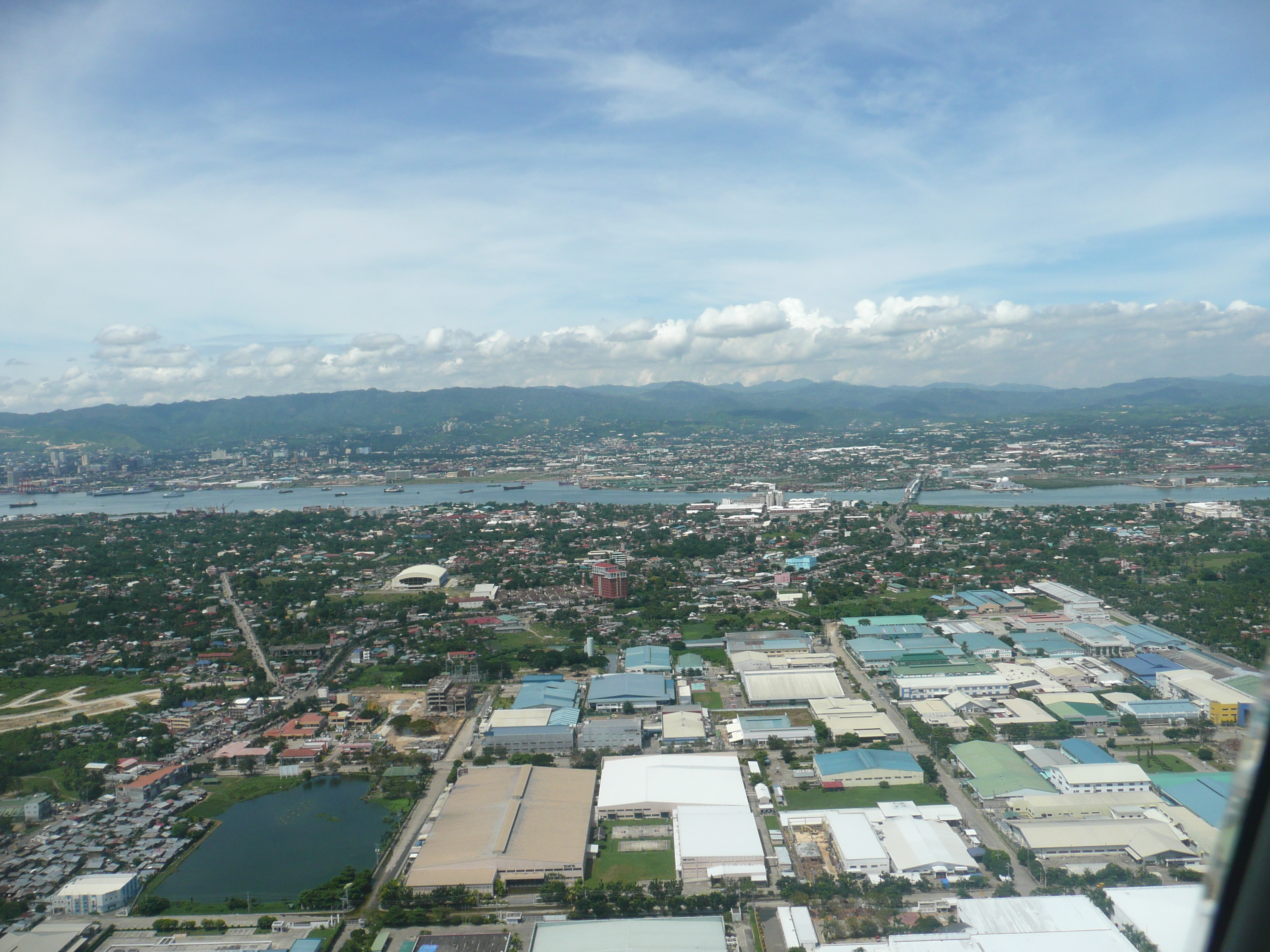
Lapu-Lapu sits on Mactan Island in the central Philippines, just a short bridge from Cebu City. The city has a tropical climate with hot, humid conditions year-round, a dry season from November to May, and a wet monsoon season from June to October with frequent heavy rainfall. Expats tend to settle in neighborhoods like Maribago, Punta Engaño, and Mactan New Town, where the expat community is medium-sized and English proficiency is limited.
Living costs here are low by American standards. A single adult can live on a budget of $900/mo including rent, while a mid-range lifestyle runs $1,500/mo and a comfortable one $2,500/mo. Rent for a one-bedroom in the city center averages $480/mo, or $350/mo outside the center. A three-bedroom in the center is $1,000/mo, and outside the center it is $700/mo. Excluding rent, a single person spends about $550/mo and a family of four about $1,650/mo. The overall cost of living index is 42 out of 100, with New York City as 100.
Safety is moderate, with a safety index of 55 out of 100 and a crime index of 45 out of 100 (lower is safer). Healthcare quality is rated as fair. Air quality is moderate, with an index of 52 (lower is better). The average internet speed is 40 Mbps, which is adequate for remote work.
For visas, retirees can apply for the Philippines SRRV Retirement Visa, which requires a minimum monthly income of $1,500/mo. Digital nomads can use the Philippines SEZ Remote Work Visa (PEZA Zone). The nearest airport is CEB, located 47 km away. Lapu-Lapu suits expats looking for a low-cost tropical base, especially those on a FIRE track (FIRE score: 73/100) or digital nomads (digital nomad score: 60/100), though retirees may find the retiree score of 52/100 less compelling.
Estimate the cost of moving to Lapu-Lapu, Philippines
Get a free moving cost estimate for moving to Lapu-Lapu, Philippines. Takes 10 seconds.
How much are you shipping?
When are you moving?
Powered by Sirelo. Free quotes from international movers.
🏚️ Cost of Living
💰 Budgets and Costs
A category breakdown is not available for Lapu-Lapu yet. We publish a breakdown only when every category can be priced from local data, rather than showing figures we cannot stand behind.
Rent, 1 bedroom in the centre
$480/mo
Living costs, excluding rent
$550/mo
Still needed for a full breakdown: grocery prices, restaurant prices and utility bills.
Lapu-Lapu is a moderately safe city for expats, with a day-to-day feel that's generally secure in populated commercial and residential areas. Daytime walkability is good, though nighttime solo walks are best avoided in unfamiliar neighborhoods. The city benefits from being a major tourist and business hub, which brings police presence and infrastructure, but petty crime remains a concern in less developed zones.
Common risks include pickpocketing, bag snatching, and motorcycle theft—particularly in crowded markets and near transportation hubs. Avoid displaying expensive jewelry, cameras, or large cash amounts. Scams targeting foreigners (overpaying for services, fake tours) occur but are easily mitigated with local awareness. Solo female travelers should exercise standard precautions; violent crime against expats is rare but street harassment can occur. Stick to established expat areas like Mactan and the business district.
The Philippines has moderate corruption and police reliability varies, though Lapu-Lapu's tourism economy incentivizes order. No significant political instability affects daily life here. The city is generally stable for long-term expats, but petty crime and occasional scams mean you'll need street smarts rather than paranoia. It's suitable for those comfortable in a developing-world city with reasonable precautions in place.
Lapu-Lapu has a safety index of 55/100. Petty theft and lost belongings are the most common problems for newcomers. Compare travel insurance before you go.
See how Lapu-Lapu's healthcare compares with Davao
🌤️ Climate
Summer Temp
32°C
Winter Temp
26°C
Humidity
78%
Air Quality Index
52
Annual Rainfall
2814 mm
Best Months
MarAprMay
Climate Notes
Lapu-Lapu has a tropical climate with hot, humid conditions year-round, a dry season from November to May, and a wet monsoon season from June to October with frequent heavy rainfall.
💻 Digital Nomad
Avg Internet Speed
40 Mbps
Coworking Availability
Limited
Coworking Spaces Nearby
4
Digital Nomad Score
58/100
Community Notes
Popular for beachgoers with access to Cebu's emerging business scene.
Located in Mactan Newtown, this coworking space offers a modern and professional environment with various membership options. It's a good option for expats looking for a reliable workspace with good amenities and a central location.
While technically in Cebu City, iioffice has a location easily accessible from Lapu-Lapu. It provides a premium coworking experience with a focus on design and community, making it attractive to digital nomads seeking a more upscale environment.
Located in Mactan Newtown, this Regus location offers a reliable and professional coworking environment with flexible membership options. It's a convenient choice for expats seeking a well-known brand with established facilities.
See how Lapu-Lapu's digital nomad life compares with Davao
🧳 Expat Life
English Proficiency
Limited
Expat Community
Medium
Top Neighborhoods
Maribago, Punta Engaño, Mactan New Town
Banks Nearby
284
ATMs Nearby
141
Expat Life Notes
Located on Mactan Island adjacent to Cebu City. It is a mix of high-end resorts, industrial zones, and residential areas popular with retirees.
Pros
✓ Proximity to airport and beaches
✓ Developing modern condos
✓ Affordable living
Cons
✗ Heavy traffic to mainland Cebu
✗ Poverty-stricken pockets
✗ Power outages can occur
🏘️ Neighborhoods in Lapu-Lapu
Areas of Lapu-Lapu that expats often consider.
Conditions can change from one block to the next, and these descriptions are general guides, not safety assessments. Before choosing where to stay or live, check current travel advisories, talk to people who live there, and visit in person if you can.
Basak
Local, affordable, bustling community
Basak offers a glimpse into authentic Filipino life. It's less touristy and more residential, with local markets and eateries. While affordable, English isn't as widely spoken, and transportation relies heavily on jeepneys and tricycles.
Maribago
Resort area, tourist-focused, lively
Maribago is known for its numerous resorts, restaurants, and dive shops. It's very expat-friendly, with plenty of English speakers and amenities catering to tourists. Expect higher prices and more noise due to the tourist activity.
Pajac
Residential, quiet, family-oriented
Pajac is a primarily residential area, offering a quieter environment compared to the more touristy zones. It's a good option for those seeking a more local experience, but English proficiency is lower, and transportation is less convenient without a personal vehicle.
Gun-ob
Central, commercial, densely populated
Gun-ob is a central barangay with a mix of residential and commercial establishments. It's densely populated and can be quite busy, but it offers easy access to markets, shops, and transportation. While some expats live here, it's not as heavily geared towards foreigners as Maribago.
Suba-basbas
Coastal, relaxed, residential-resort mix
Suba-basbas offers a blend of residential areas and smaller resorts along the coast. It's generally more relaxed than Maribago but still has some tourist amenities. It's a good compromise for those wanting a quieter environment with some expat presence.
Bankal
Developing, residential, up-and-coming
Bankal is a developing area with increasing residential options. It's more affordable than the coastal areas but further from the beaches and tourist attractions. It's becoming more popular with locals and offers a glimpse into the city's growth, but English is not as widely spoken.
Page 1 of 2
Could living/working in Lapu-Lapu cut years off your work life?
With a 1-bedroom in the center at $480/mo, your FIRE number here might be much lower than you think.
In Lapu-Lapu, a one-bedroom runs $480 in the center and $350 outside it and three bedrooms come to $1,000 in the center and $700 outside it, per month.
Lapu-Lapu scores 55 on the safety index (higher is safer) and a crime index of 45 (lower is safer).
Average internet speed in Lapu-Lapu is 40 Mbps.
In Lapu-Lapu, summer averages 32°C, winter averages 26°C and annual rainfall is 2814 mm.
Expect $800-1200 monthly for a comfortable lifestyle including $480 rent, food, utilities, and transport. It's pricier than provincial Philippines due to tourism and airport proximity, but cheaper than Manila or BGC.
Limited opportunities exist mainly in tourism, English teaching, or remote work. The airport brings some aviation jobs, but work permits are required. Most expats here are retirees, digital nomads, or married to locals.
Bridges connect to mainland Cebu with taxis costing $8-12 to Cebu City (45 minutes). Local tricycles and jeepneys are cheap but crowded. Having a motorbike helps significantly for daily mobility around the island.
Lapu-Lapu has a tropical climate, meaning it's hot and humid year-round. Expect the rainy season from June to November, with occasional typhoons. The dry season, from December to May, is generally more pleasant, but still expect high temperatures and humidity.
Yes, English is widely spoken in Lapu-Lapu, especially in tourist areas and businesses. You'll find most locals can communicate effectively in English, making daily life much easier for expats. While learning some basic Cebuano is appreciated, it's not essential for getting by.
For expats, popular choices include areas near Mactan Newtown and Maribago, offering convenient access to amenities, restaurants, and beaches. These areas tend to have more modern housing options and a higher concentration of expats. Budget-friendly options can be found further inland, but may require more local transport.
Lapu-Lapu is generally considered safe, but petty crime like pickpocketing can occur, especially in crowded areas. It's wise to avoid walking alone late at night in less populated areas. Gated communities offer an added layer of security, and it's always best to be aware of your surroundings.
US citizens can enter the Philippines visa-free for 30 days. For longer stays, you'll need a visa. Common options include tourist visa extensions (up to 36 months), or a Special Resident Retiree's Visa (SRRV) if you meet the financial requirements. Consult with a Philippine immigration lawyer for the most up-to-date information.
Lapu-Lapu has several hospitals and clinics, including some with English-speaking doctors. While the quality of care is generally good, it may not be on par with US standards. Expats often opt for private health insurance to access better facilities and avoid long wait times. Consider Chong Hua Hospital Mandaue or Cebu Doctors' University Hospital for more advanced care.
Rental costs vary greatly depending on location and amenities. You can find a basic apartment for around $300-$500 USD per month. More modern condos in areas like Mactan Newtown can range from $700-$1200 USD per month. Factor in utilities, which can add another $50-$100 USD.
Internet speeds in Lapu-Lapu are generally reliable, especially in newer developments. You can expect speeds of 25-50 Mbps, sufficient for most remote work tasks. Check with your accommodation provider about their internet setup. Coworking spaces are available in nearby Cebu City if you need a dedicated workspace.
Yes, ATMs are widely available in Lapu-Lapu, especially at banks and shopping malls. Major banks like BDO and Metrobank accept foreign cards. Be aware of ATM fees, which can range from $2-$5 USD per transaction. Consider opening a local bank account for cheaper access to funds.
Lapu-Lapu offers a significantly lower cost of living compared to the US, allowing your Social Security or pension income to go further. By embracing local markets for groceries, eating at local restaurants (carenderias), and opting for local transportation, you can live comfortably on a modest budget. Negotiate long-term rental rates for further savings.
Lapu-Lapu offers a diverse culinary scene. For Filipino food, try Lantaw Native Restaurant or Golden Cowrie. For international cuisine, check out Giuseppe Pizzeria and Sicilian Roast. Many resorts also have excellent restaurants, but they tend to be pricier. Don't miss trying fresh seafood at the local wet market.
As a US citizen, you're still required to file US taxes even when living abroad. You may be able to exclude a significant portion of your foreign earned income using the Foreign Earned Income Exclusion (FEIE). You may also need to report foreign bank accounts if they exceed $10,000 USD using FinCEN Form 114 (FBAR). Consult with a tax professional specializing in expat taxes.
Lapu-Lapu can be a viable option for early retirement, depending on your budget and lifestyle preferences. The lower cost of living allows you to stretch your savings. However, consider factors like healthcare access, cultural adjustment, and distance from family. A monthly budget of $1500-$2500 USD could provide a comfortable lifestyle.
Lapu-Lapu has a growing expat community, offering opportunities for socializing and networking. Join online expat groups on Facebook to connect with others. Many bars and restaurants in tourist areas are popular expat hangouts. Consider joining local clubs or activities to meet people with shared interests.
Cost-of-living and visa updates for Lapu-Lapu and the rest of Philippines. Free with RA Postcards.
By submitting your email address, you will receive a free subscription to RA Postcards and special offers from Rewire Abroad and our affiliates. You can unsubscribe at any time, and we encourage you to read more about our Privacy Policy.