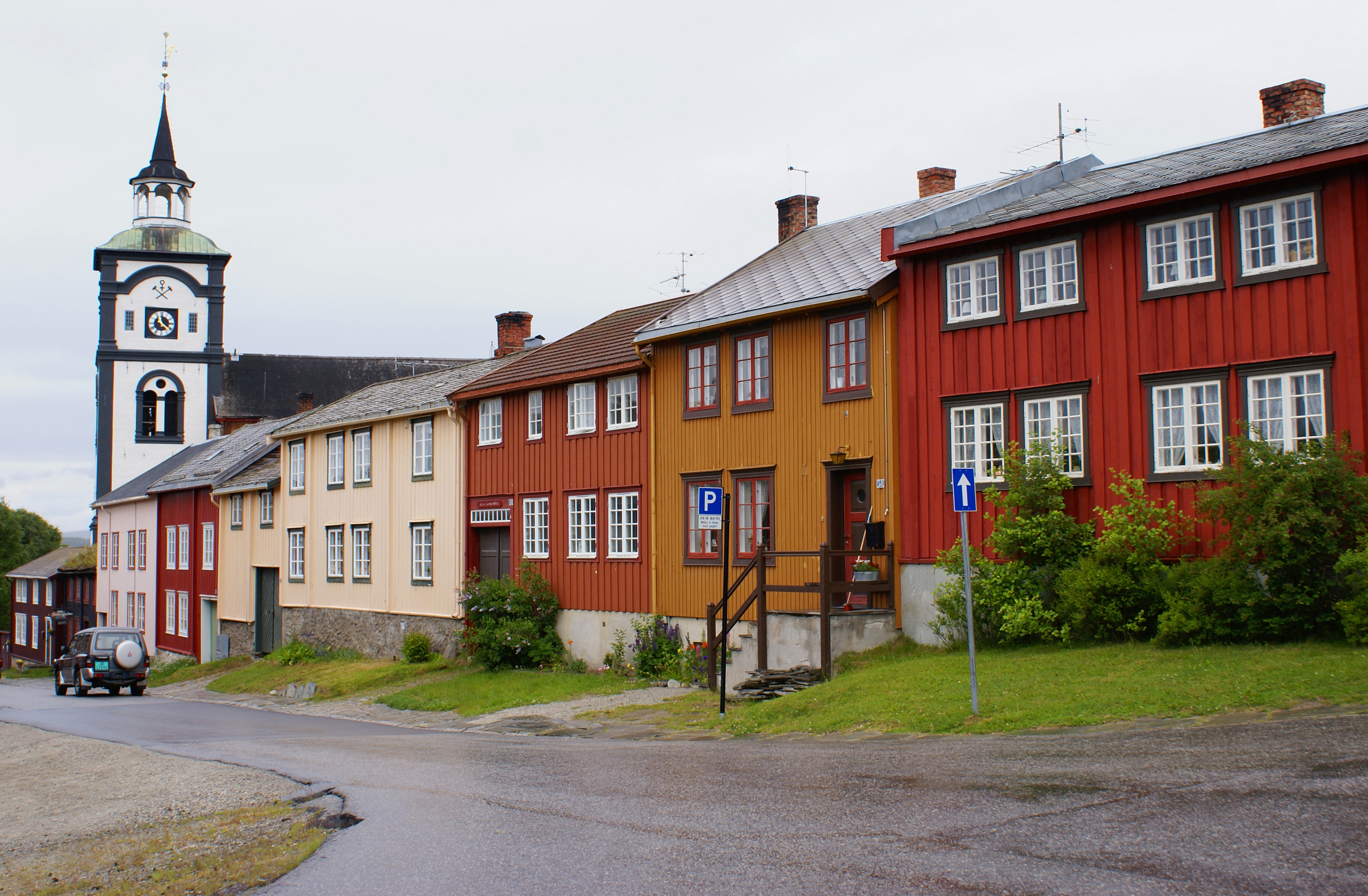
Røros, Norway
Data updated Sep 3, 2026
📊 Scores
Best fit: Digital Nomad (score: 70)
Tourism and heritage preservation drive Røros's economy now—the copper mines closed in 1977. Most employment centers on hospitality, cultural institutions, and small retail serving the 200,000+ annual visitors drawn by UNESCO status and 17th-century wooden architecture. Remote work is realistic; local employers are thin. You're not moving here for job prospects; you're moving here despite them, banking on freelance income or savings.
Rent for a historic cottage runs €800–1,200/month; groceries cost 30% more than Oslo. The Rørosbanen railway connects to Trondheim (2 hours), but you need a car for daily life—buses are sparse. Healthcare access is solid through regional hospitals in Trondheim. Norwegian bureaucracy is efficient but unforgiving; residency requires documented income or savings. Winter temperatures drop to −20°C; darkness lasts November through January.
Winters are brutal and long; summers are brief and mild. Food culture centers on traditional Norwegian fare and local game. The expat community is tiny—mostly remote workers and heritage enthusiasts. Weekends mean cross-country skiing, hiking preserved mining trails, or day trips to Trondheim. Røros suits only those who genuinely love isolation, heritage architecture, and Nordic winters—not casual digital nomads seeking social scenes.
🏚️ Cost of Living
💰 Budgets and Costs
Grocery Basket
Eating Out
Utilities & Lifestyle
Housing
A 1BR in the center runs about $900/mo. If your income is in another currency, bank FX fees add up. A multi-currency account can cut that cost.
See low-fee transfersWe may earn a commission at no cost to you.
💰 Real Spend Reports
🛡️ Safety & Crime
(Higher is safer)
(Lower is safer)
Røros is genuinely one of Norway's safest towns. With a population under 6,000, violent crime is virtually nonexistent, and you can walk anywhere at any hour without concern. The UNESCO-listed mining town has a tight-knit community feel where locals know each other, creating natural social accountability. Day-to-day life feels secure and relaxed—this isn't reputation inflation; it reflects actual low crime rates.
Petty theft is rare but not impossible; secure valuables in vehicles and accommodations as a precaution. Scams targeting expats are minimal in a town this small. Solo female travelers face no specific safety concerns beyond standard Nordic winter hazards (icy roads, darkness). The main risks are environmental—harsh winters, isolation, and limited emergency services compared to larger cities—rather than criminal.
Norway has stable governance, reliable police, and zero political instability. Corruption is negligible. The primary consideration is whether you're suited to extreme isolation and long, dark winters rather than safety threats. For Americans seeking a genuinely secure, peaceful retirement or remote work base, Røros delivers authentically. The trade-off is limited amenities, harsh climate, and potential loneliness rather than any security deficit.
🏥 Healthcare
🌤️ Climate
Best Months
Climate Notes
Røros has a subarctic climate with long, harsh winters (November–March) dropping below -10°C and short, mild summers around 14°C, requiring serious cold-weather preparation for expats.
💻 Digital Nomad
Community Notes
| Name | Price/mo | Notes |
|---|---|---|
| Røros Cowork | $250 | Located in the heart of Røros, this coworking space offers a modern and comfortable environment with high-speed internet, printing facilities, and meeting rooms. It's ideal for digital nomads seeking a professional workspace in a historic setting. |
| Kjerkgata 32 | $200 | While primarily a cafe and guesthouse, Kjerkgata 32 offers a cozy and relaxed atmosphere suitable for remote work. It's located in a central area, providing easy access to local amenities and a chance to connect with other travelers and locals. |
Planning to live in Røros long-term? Norway Svalbard Digital Nomad lets remote workers live legally with a minimum income of $2,251/month.
View full requirements →Working remotely from Røros? Nomad health insurance covers you across borders, month to month.
See nomad insuranceWe may earn a commission at no cost to you.
🧳 Expat Life
🛂 Visa Options for Norway
Many long-stay visas require proof of health insurance. Compare international health plans before you apply.
Compare health insuranceWe may earn a commission at no cost to you.
Earning over $2,251/mo? You may qualify for a Norway visa.
Answer 10 questions and get a personalized match in under 2 minutes.
Could living/working in Røros cut years off your work life?
With a 1-bedroom in the center at $360/mo, your FIRE number here might be much lower than you think.
Moving to Røros? Estimate what an international move would cost and compare mover quotes.
Estimate my move costShare This Guide
Røros won't stay this cheap forever.
Cost-of-living and visa updates for Røros and the rest of Norway. Free with RA Postcards.
By submitting your email address, you will receive a free subscription to RA Postcards and special offers from Rewire Abroad and our affiliates. You can unsubscribe at any time, and we encourage you to read more about our Privacy Policy.