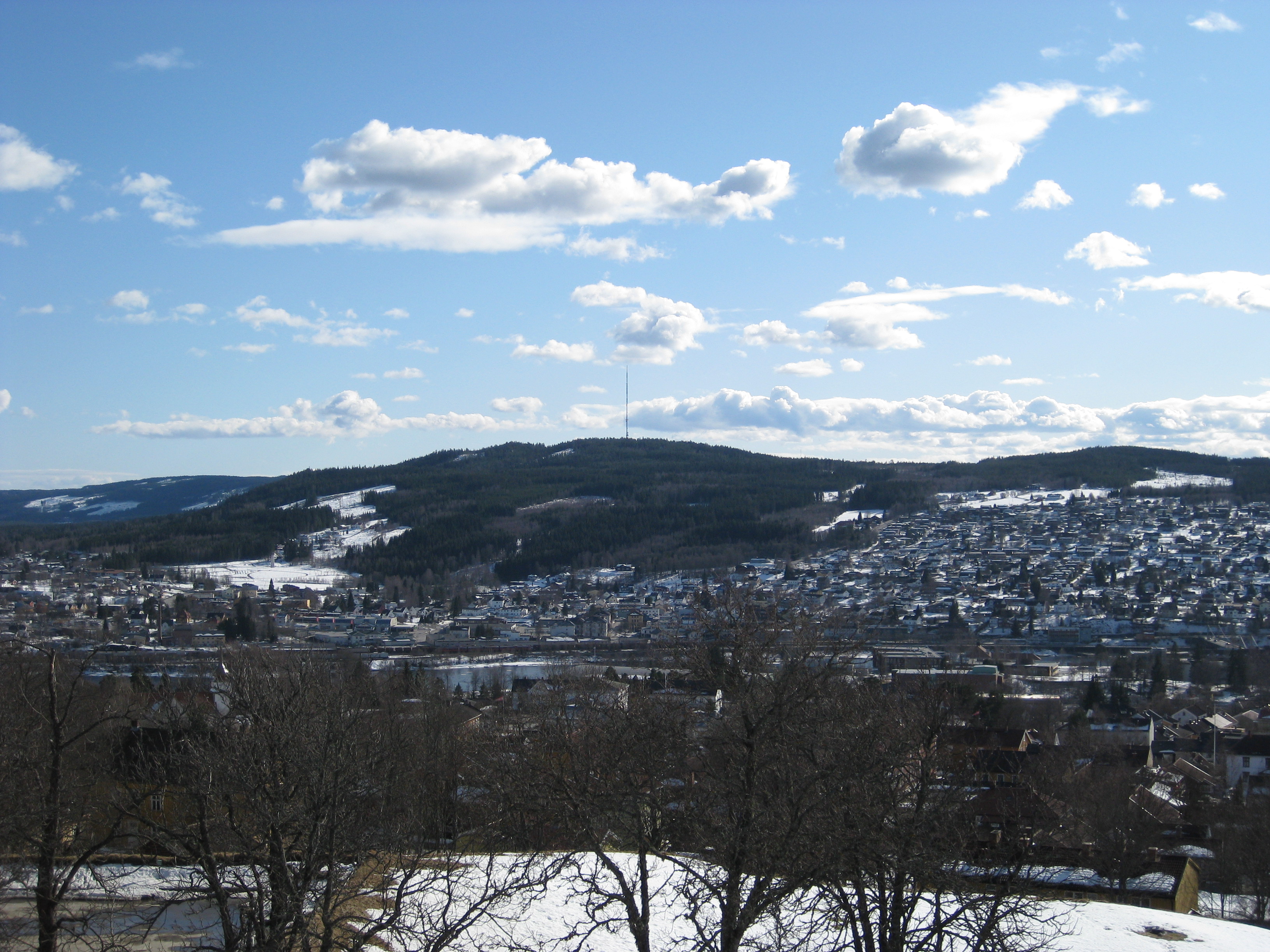
Kongsvinger, Norway
Data updated Sep 3, 2026
📊 Scores
Kongsvinger's economy runs on forestry, agriculture, small manufacturing, and increasingly public services and tourism. The Glomma river historically powered mills; now it's mostly heritage. Real jobs here are in municipal administration, retail, and the fortress tourism circuit. Remote work is the honest play—local wages won't match Oslo, and job hunting outside government or tourism is thin. The railway to Oslo helps commuters, but this isn't a tech hub.
Rent for a one-bedroom city center runs $1,150/month—steep for a town of 18,000, but cheaper than Oslo or Bergen. Heating costs spike hard in winter; budget another $150–200/month November through March. Healthcare is solid through Norway's system. The language barrier is real: English works in shops and with younger people, but bureaucracy and local life demand Norwegian. Winter driving requires winter tires by law and genuine skill on ice.
Winters are long and dark (subarctic climate); summers are brief and pleasant. Food is expensive and Nordic—expect to cook. The fortress draws tourists and hosts cultural events; weekends mean hiking the Glomma valley or cross-country skiing. The expat community is small and scattered. Kongsvinger suits remote workers who want Nordic stability, outdoor access, and lower costs than major cities—but only if you're genuinely comfortable with isolation and cold.
🏚️ Cost of Living
💰 Budgets and Costs
Grocery Basket
Eating Out
Utilities & Lifestyle
Housing
A 1BR in the center runs about $1150/mo. If your income is in another currency, bank FX fees add up. A multi-currency account can cut that cost.
See low-fee transfersWe may earn a commission at no cost to you.
💰 Real Spend Reports
🛡️ Safety & Crime
(Higher is safer)
(Lower is safer)
Kongsvinger is genuinely one of Norway's safest small cities. Walking alone at night is routine and unremarkable; locals don't think twice about it. The overall atmosphere is quiet, orderly, and predictable. For expats accustomed to American crime rates, the difference is stark—this feels like a place where serious crime is genuinely rare, not just statistically low.
Petty theft exists but is minimal; pickpocketing and bag snatching are uncommon. Scams targeting expats are rare here. Violent crime is extremely rare. The main practical concerns are weather-related hazards (icy roads, darkness in winter) rather than criminal ones. Solo female travelers face virtually no gender-specific safety concerns. Property crime is low, though standard precautions (locking doors, not leaving valuables visible) apply.
Norway has stable governance, reliable police, and no significant political instability or corruption affecting daily life. Kongsvinger, as a small regional city, is far removed from any geopolitical tensions. Police are professional and responsive. For an American considering relocation, safety is genuinely not a concern here—the real adjustment will be weather, isolation, and cost of living, not personal security.
🏥 Healthcare
🌤️ Climate
Best Months
Climate Notes
Kongsvinger has a continental climate with cold, snowy winters (December–February) and mild summers, offering a genuine Nordic experience with significant seasonal variation.
💻 Digital Nomad
Community Notes
| Name | Price/mo | Notes |
|---|---|---|
| Kongsvingerregionen Næringshage | $250 | This business incubator and coworking space offers flexible desk options and private offices. Located centrally in Kongsvinger, it provides a professional environment and networking opportunities, making it suitable for expats looking to connect with the local business community. |
| Regus Kongsvinger | $300 | Regus provides a reliable and professional coworking environment with various membership options. Located in a central business area of Kongsvinger, it offers amenities like high-speed internet, meeting rooms, and administrative support, appealing to remote workers seeking a structured workspace. |
Planning to live in Kongsvinger long-term? Norway Svalbard Digital Nomad lets remote workers live legally with a minimum income of $2,251/month.
View full requirements →Working remotely from Kongsvinger? Nomad health insurance covers you across borders, month to month.
See nomad insuranceWe may earn a commission at no cost to you.
🧳 Expat Life
Expat Life Notes
A fortress town near the Swedish border. Primarily a commuter and regional hub.
Pros
- ✓ Affordable (for Norway)
- ✓ Nature access
- ✓ Safe
Cons
- ✗ Quiet social scene
- ✗ Commuter town
- ✗ High costs
🛂 Visa Options for Norway
Many long-stay visas require proof of health insurance. Compare international health plans before you apply.
Compare health insuranceWe may earn a commission at no cost to you.
Earning over $2,251/mo? You may qualify for a Norway visa.
Answer 10 questions and get a personalized match in under 2 minutes.
Could living/working in Kongsvinger cut years off your work life?
With a 1-bedroom in the center at $460/mo, your FIRE number here might be much lower than you think.
Moving to Kongsvinger? Estimate what an international move would cost and compare mover quotes.
Estimate my move costShare This Guide
Kongsvinger won't stay this cheap forever.
Cost-of-living and visa updates for Kongsvinger and the rest of Norway. Free with RA Postcards.
By submitting your email address, you will receive a free subscription to RA Postcards and special offers from Rewire Abroad and our affiliates. You can unsubscribe at any time, and we encourage you to read more about our Privacy Policy.