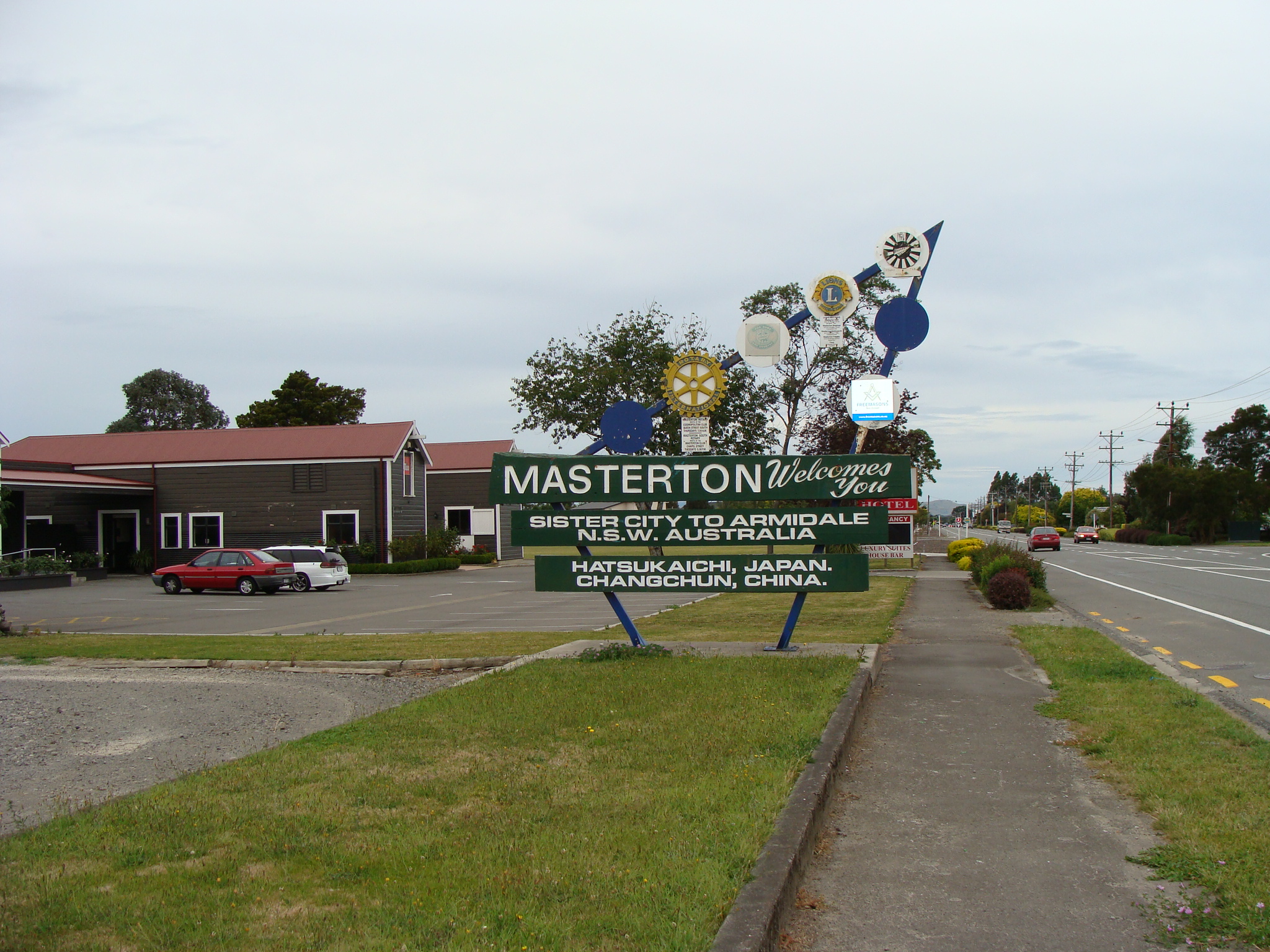
Masterton, New Zealand
Data updated Sep 29, 2026
📊 Scores
Best fit: FIRE / Geoarbitrage (score: 80)
Agriculture and agricultural services dominate Masterton's economy, supporting the surrounding Wairarapa farming region's sheep and dairy industries. Three new industrial parks (Waingawa, Solway, Upper Plain) are being developed to diversify beyond farming. Print works and light manufacturing exist here due to 1980s government decentralization efforts, but the town never fully recovered from the 1974 Britain-EU shock that decimated NZ export demand. Most employment is still tied to farming, processing, or service roles—not a place for tech jobs or high salaries.
Rent runs $350–500/month for a modest one-bedroom; housing is genuinely cheap compared to Wellington or Auckland. The rail connection to Wellington (100km south) takes 90 minutes and is reliable but infrequent. Healthcare access is adequate—Masterton Medical Centre handles basics, serious cases go to Wellington. You'll need a car; public transport is minimal. No language barrier (English-speaking), but bureaucracy is standard NZ red tape. The median age is 42.7 (vs 38.1 nationally), so it skews older and quieter than major cities.
Winters are cool and damp; summers mild. The Golden Shears competition (annual sheep-shearing event) brings genuine cultural energy each March. Weekends mean hiking the Remutaka ranges, local pubs, farmers' markets, or driving to Wellington for nightlife. The expat community is tiny—mostly retirees and remote workers. Masterton suits people seeking affordable, low-stress rural living with farming heritage, not those craving urban amenities or career momentum.
🏚️ Cost of Living
💰 Budgets and Costs
Grocery Basket
Eating Out
Utilities & Lifestyle
Housing
A 1BR in the center runs about $1200/mo. If your income is in another currency, bank FX fees add up. A multi-currency account can cut that cost.
See low-fee transfersWe may earn a commission at no cost to you.
💰 Real Spend Reports
🛡️ Safety & Crime
(Higher is safer)
(Lower is safer)
Masterton is genuinely safe for daily life. You can walk around town and residential areas during the day without concern, and evening walks are generally secure. The city has a small-town feel with low violent crime rates. Expats consistently report feeling comfortable here, though it's quieter than larger NZ cities—which contributes to the safety rather than detracting from it.
Property crime (car break-ins, petty theft) occurs occasionally but is not endemic. Avoid leaving valuables visible in vehicles. Violent crime is rare. The main risks are typical of rural New Zealand: occasional opportunistic theft in less-monitored areas. Solo female travelers and residents report no specific safety concerns beyond standard urban awareness. Drink-driving and rural road accidents pose greater statistical risk than crime.
New Zealand has stable governance, reliable police, and no significant political instability affecting daily life. Masterton specifically has no corruption or geopolitical concerns relevant to expats. The police are professional and responsive. For an American considering relocation, this is one of New Zealand's safer regional towns—ideal if you want genuine safety without the cost or density of Auckland or Wellington. The main trade-off is limited nightlife and cultural amenities, not security.
🏥 Healthcare
🌤️ Climate
Best Months
Climate Notes
Masterton has a temperate oceanic climate with mild summers (December-February around 20°C) and cool winters (June-August around 8°C), with moderate rainfall year-round and occasional strong winds from the Cook Strait.
💻 Digital Nomad
Community Notes
| Name | Price/mo | Notes |
|---|---|---|
| WorkSpace Wairarapa | $200 | Located in central Masterton, WorkSpace Wairarapa offers a professional environment with various membership options. It's a good option for expats seeking a structured workspace with networking opportunities in the local business community. |
| Regus Masterton | $250 | Located in the Masterton Centre, Regus provides a reliable and globally recognized coworking experience. It offers private offices and coworking spaces, suitable for those who need a professional and well-equipped environment with administrative support. |
Planning to live in Masterton long-term? New Zealand Digital Nomad Visa lets remote workers live legally.
View full requirements →Working remotely from Masterton? Nomad health insurance covers you across borders, month to month.
See nomad insuranceWe may earn a commission at no cost to you.
🧳 Expat Life
Expat Life Notes
A safe, quiet market town in the Wairarapa region. Popular with families looking for a slower lifestyle and safe residential streets.
Pros
- ✓ Safe and clean
- ✓ Affordable housing for NZ
- ✓ Clean air
Cons
- ✗ Isolated
- ✗ Limited career variety
- ✗ Cold winters
🛂 Visa Options for New Zealand
Many long-stay visas require proof of health insurance. Compare international health plans before you apply.
Compare health insuranceWe may earn a commission at no cost to you.
Not sure which New Zealand visa you qualify for?
Answer 10 questions and get a personalized match in under 2 minutes.
Could living/working in Masterton cut years off your work life?
With a 1-bedroom in the center at $480/mo, your FIRE number here might be much lower than you think.
Moving to Masterton? Estimate what an international move would cost and compare mover quotes.
Estimate my move costShare This Guide
Masterton won't stay this cheap forever.
Cost-of-living and visa updates for Masterton and the rest of New Zealand. Free with RA Postcards.
By submitting your email address, you will receive a free subscription to RA Postcards and special offers from Rewire Abroad and our affiliates. You can unsubscribe at any time, and we encourage you to read more about our Privacy Policy.