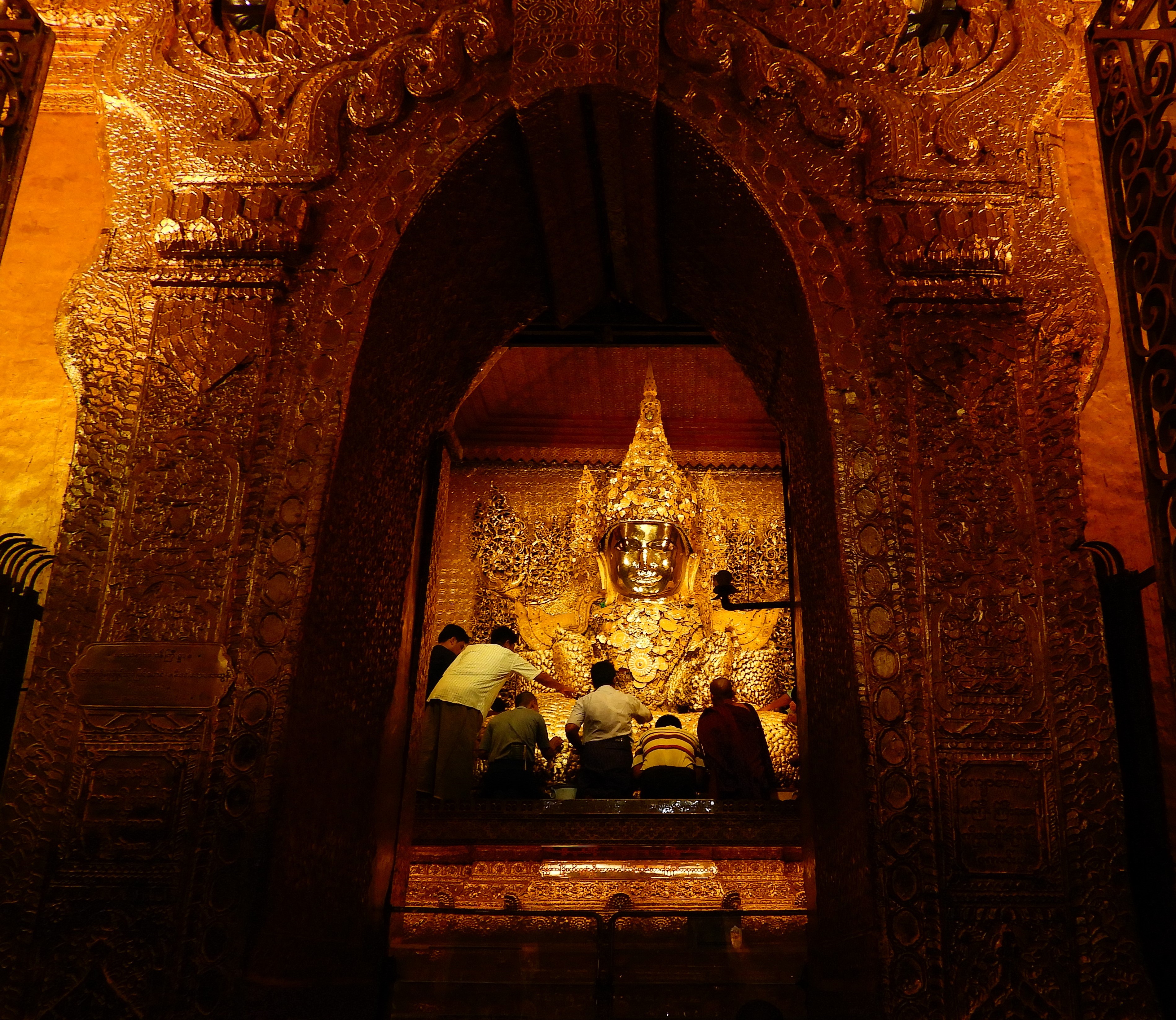
Upper Myanmar's commercial engine runs on jade, textiles, and cross-border trade with China — and that last one increasingly dominates. Since the 1990s, Yunnan Chinese have reshaped Mandalay's business districts, and today Chinese capital flows through real estate, retail, and the jade market, which moves billions annually despite being notoriously opaque and cartel-adjacent. Light manufacturing, agriculture, and what remains of tourism round things out. Remote workers exist here but are rare; this is a city where people earn money through trade, not laptops.
A one-bedroom in the city center runs around $450/month, and you can find decent places outside the center for $250–$300. Street food meals cost under $1; a sit-down restaurant meal rarely exceeds $5. Healthcare is a real concern — Mandalay has the best hospitals in Upper Myanmar, but that's a low bar, and serious conditions mean a medical evacuation to Bangkok. The language barrier is significant: English is limited outside hotels and a handful of businesses. Post-2021 coup bureaucracy is genuinely unpredictable, and the political situation affects banking, internet access, and visa logistics in ways that change month to month.
Winters (November–February) are genuinely pleasant, with dry days around 25°C. Summers are brutal — 40°C+ before the monsoon hits in May. The food scene is good if you like Burmese cuisine and Chinese-Burmese hybrids; international options are thin. Weekends mean temple visits, the Zegyo Market, or day trips to Inwa and Mingun. The expat community is small and shrinking since the 2021 military coup, consisting mostly of NGO workers and a handful of long-term residents. This city suits someone with deep Myanmar ties, a high tolerance for instability, and no dependence on expat infrastructure.
Estimate the cost of moving to Mandalay, Myanmar
Get a free moving cost estimate for moving to Mandalay, Myanmar. Takes 10 seconds.
How much are you shipping?
When are you moving?
Powered by Sirelo. Free quotes from international movers.
🏚️ Cost of Living
💰 Budgets and Costs
A category breakdown is not available for Mandalay yet. We publish a breakdown only when every category can be priced from local data, rather than showing figures we cannot stand behind.
Mandalay presents moderate safety challenges typical of Myanmar's second-largest city. Petty theft, bag snatching, and scams targeting foreigners occur regularly, particularly in crowded markets and tourist areas. Avoid displaying valuables, traveling alone at night, and the outskirts where gang activity exists. Political instability since 2021 remains a backdrop concern—avoid protests and military checkpoints. For expats, the main risks are opportunistic crime rather than violent crime. Exercise standard precautions and you'll likely find daily life manageable, though it requires more vigilance than Western cities.
Mandalay has a safety index of 32.11/100. Petty theft and lost belongings are the most common problems for newcomers. Compare travel insurance before you go.
Regus offers a reliable, professional environment in Mandalay. Located in a central business district, it provides standard amenities like high-speed internet, meeting rooms, and administrative support, making it suitable for expats seeking a familiar and structured workspace.
The City Office is a popular coworking space in Mandalay, known for its modern design and collaborative atmosphere. It offers a range of facilities, including dedicated desks, meeting rooms, and a communal kitchen, making it a great option for digital nomads looking to connect with other professionals.
Mandalay Coworking Space provides a budget-friendly option for remote workers. It offers basic amenities such as Wi-Fi, printing facilities, and a relaxed environment, making it ideal for those who prioritize affordability and a casual workspace.
See how Mandalay's digital nomad life compares with Pathein
🧳 Expat Life
English Proficiency
Limited
Expat Community
Small
Top Neighborhoods
Mandalay Hill, Pyi Gyi Tagon
Banks Nearby
104
ATMs Nearby
106
Expat Life Notes
A major cultural hub currently facing political and security challenges. Expats are mostly involved in NGOs or regional trade.
Pros
✓ Deep cultural and religious history
✓ Low cost of living
Cons
✗ Political instability
✗ Infrastructure challenges
✗ Limited healthcare
🏘️ Neighborhoods in Mandalay
Areas of Mandalay that expats often consider.
The US government advises against travel to this country. Check the current government travel advisory before you book.
Conditions can change from one block to the next, and these descriptions are general guides, not safety assessments. Before choosing where to stay or live, check current travel advisories, talk to people who live there, and visit in person if you can.
Chanmyathazi Township
Modern, convenient, growing expat area
A rapidly developing area with newer apartments and condominiums, making it popular with expats and wealthier locals. It offers better infrastructure and amenities compared to older parts of the city. While more modern, it can lack some of the traditional charm found elsewhere.
Aungmyethazan Township
Central, bustling, culturally rich
Located in the heart of Mandalay, this area is close to many historical sites and markets. It's a vibrant and lively area, but can be noisy and crowded. Good for those wanting to be immersed in local culture, but less ideal for those seeking peace and quiet.
Pyigyidagun Township
Residential, local, budget-friendly
Further from the city center, this township offers more affordable housing options. It's a predominantly residential area with fewer tourist amenities. Requires Burmese language skills or a local guide to navigate effectively.
Mahar Aungmyay Township
Commercial, convenient, mixed residential
A mix of residential and commercial areas, offering a balance of convenience and local life. It's generally more walkable than some of the outer townships. Expect a moderate level of noise and traffic.
Amarapura
Historic, scenic, lakeside tranquility
A former capital located south of Mandalay, Amarapura offers a more relaxed atmosphere with its lakeside setting and historical sites like U Bein Bridge. Transportation to Mandalay is readily available, but it's less convenient for daily errands. Best suited for those seeking a quieter, more traditional lifestyle.
Patheingyi Township
Developing, rural, budget-conscious living
Located to the east of Mandalay, this area is still developing and offers very affordable living. It's quite rural and lacks many amenities. Requires a high degree of self-sufficiency and Burmese language skills.
Page 1 of 2
Could living/working in Mandalay cut years off your work life?
With a 1-bedroom in the center at $200/mo, your FIRE number here might be much lower than you think.
In Mandalay, a one-bedroom runs $200 in the center and $300 outside it and three bedrooms come to $300 in the center and $600 outside it, per month.
Average monthly net salary in Mandalay is $200.
Mandalay scores 32.11 on the safety index (higher is safer) and a crime index of 67.89 (lower is safer).
Average internet speed in Mandalay is 10 Mbps.
In Mandalay, summer averages 36°C, winter averages 15°C and annual rainfall is 1693 mm.
The safety index sits at 50, which is middling, but the political situation adds unpredictability that numbers don't capture. Street crime targeting foreigners is relatively low, but internet shutdowns, banking restrictions, and the broader instability of military rule create real day-to-day friction. Most Western governments advise against non-essential travel to Myanmar. If you go, have an exit plan and keep cash on hand — international banking is severely disrupted.
It's substantial and visible. Large parts of the commercial center are now majority Chinese-owned, Mandarin is heard as commonly as Burmese in some districts, and Chinese signage is everywhere. For expats, this means Mandarin speakers have a practical advantage in business dealings. It also means prices in some areas have risen relative to the rest of Myanmar, and local Burmese residents have mixed feelings about the demographic shift — worth being aware of socially.
Mandalay has the best medical facilities in Upper Myanmar, including several hospitals and medical colleges, but standards fall well short of what most Western expats expect. Routine care and minor issues can be handled locally at low cost. For anything serious — surgery, complex diagnostics, specialist care — most expats travel to Bangkok, which is roughly a 2-hour flight. Comprehensive international health insurance with medical evacuation coverage is not optional here; it's essential.
You can find basic apartments outside the city center for around $200-$300 USD per month. Expect to pay more, $400+, for modern amenities and central locations near 70th street or closer to Mandalay Hill. Negotiating rent is common, so don't be afraid to haggle.
Long-term visas are tricky and often require a business connection or investment. Tourist visas are extendable, but require regular border runs. Consult with a local visa agent; they're essential for navigating the bureaucracy.
While some private clinics have English-speaking staff, it's limited. For serious medical issues, many expats travel to Bangkok or Singapore. Having comprehensive travel insurance with evacuation coverage is crucial.
While Mandalay is generally safe, exercise caution in crowded markets and at night, especially in less-lit areas further from the city center. Be aware of your surroundings and avoid displaying wealth.
Outside of tourist areas and businesses catering to foreigners, English proficiency is limited. Learning basic Burmese phrases will significantly improve your daily interactions and show respect.
Western Union and MoneyGram are available, but can have high fees. Using online platforms like Wise (formerly TransferWise) can be more cost-effective, but check for local restrictions and availability.
Internet speeds can be unreliable, especially outside the city center. While fiber optic is available in some areas, power outages are common, so a backup generator or mobile hotspot is a good idea. Expect speeds sufficient for video calls but not always consistently.
The expat community is smaller than in Yangon, but there are still opportunities to connect through online groups and language exchange programs. Networking can help you find resources and support.
Mandalay has a tropical climate with distinct wet and dry seasons. Expect intense heat from March to May, followed by monsoon season from June to October. The cooler months from November to February are the most pleasant.
Motorbikes are a popular option, but require a local license and can be dangerous. Taxis and ride-hailing apps like Grab are readily available and affordable. Walking is feasible in some areas, but be prepared for heat and traffic.
Street food is incredibly cheap, with meals costing just a dollar or two. Restaurant prices vary, but you can expect to pay $5-$10 USD for a decent meal at a mid-range establishment. Imported food will be significantly more expensive.
Yes, $2,000 USD per month would allow for a comfortable retirement in Mandalay, covering rent, food, and some leisure activities. You'd need to budget carefully and be mindful of healthcare costs, but it's definitely achievable.
As a US citizen, you're still required to file US taxes even while living abroad. The Foreign Earned Income Exclusion (FEIE) can help you exclude a certain amount of your income from US taxes. Also, be aware of FBAR reporting requirements for foreign bank accounts.
Coworking spaces are limited but growing in popularity. Check online directories and local business listings for options. Some cafes also offer decent Wi-Fi and a workspace atmosphere.
Cost-of-living and visa updates for Mandalay and the rest of Myanmar. Free with RA Postcards.
By submitting your email address, you will receive a free subscription to RA Postcards and special offers from Rewire Abroad and our affiliates. You can unsubscribe at any time, and we encourage you to read more about our Privacy Policy.