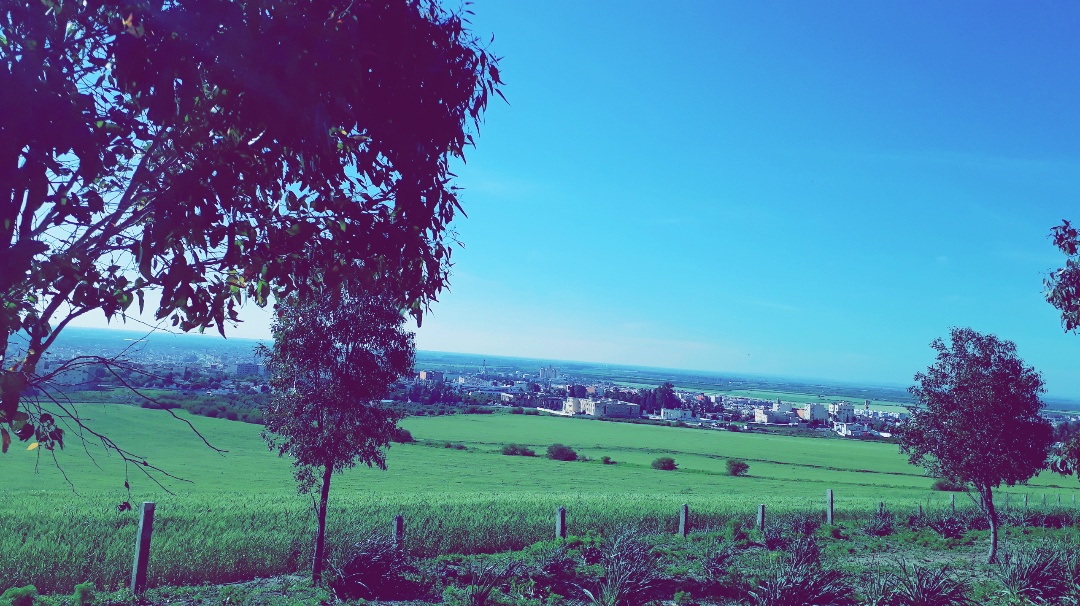
Sidi Kacem, Morocco
Data updated Sep 29, 2026
📊 Scores
Best fit: FIRE / Geoarbitrage (score: 71)
The local economy revolves around oil refining—the SAMIR refinery has been the backbone since 1939—plus agriculture and regional trade. It's a working-class city, not a startup hub. Most employment is in refining, government administration, or small commerce. The railway historically made Sidi Kacem a crossroads, but modern direct routes have reduced that advantage. Don't expect a diverse job market; remote work or relocation to Rabat/Kenitra is more realistic for most expats.
Rent runs $195/month for a one-bedroom in the center—genuinely cheap. Transport is functional: ONCF trains, local taxis, and grand-taxis connect you to larger cities, though schedules can be loose. Healthcare exists but serious issues require Rabat (45km away). French is widely spoken; Arabic is essential for daily life. Bureaucracy is standard Moroccan friction—residency permits, bank accounts, and utilities require patience and repeated visits. No university means limited intellectual infrastructure.
Summers hit 32–36°C; winters are mild but wet (350–600mm rain annually). Food is solid Moroccan fare—tagines, couscous, fresh bread—at low cost. The expat community is tiny; you're not moving to a established foreign enclave. Weekends mean exploring the Zaouia tomb, day trips to Kenitra or Rabat, or sitting in cafés. This city suits remote workers seeking ultra-low cost of living and authentic small-town Morocco, not those needing career growth or a social scene.
🏚️ Cost of Living
💰 Budgets and Costs
Grocery Basket
Eating Out
Utilities & Lifestyle
Housing
A 1BR in the center runs about $195/mo. If your income is in another currency, bank FX fees add up. A multi-currency account can cut that cost.
See low-fee transfersWe may earn a commission at no cost to you.
💰 Real Spend Reports
🛡️ Safety & Crime
(Higher is safer)
(Lower is safer)
Sidi Kacem presents moderate safety concerns typical of smaller Moroccan cities. Petty theft, pickpocketing, and opportunistic scams targeting foreigners occur regularly, particularly in markets and crowded areas. Violent crime against expats is uncommon, but nighttime travel alone should be avoided. The city lacks the tourist infrastructure and police presence of larger centers like Fez or Marrakech. For remote workers or retirees, the main risks are property theft and financial scams rather than personal safety. Expats should maintain low profiles, use registered taxis, and avoid displaying valuables. Overall, it's manageable for cautious residents but requires more vigilance than Western cities.
Sidi Kacem has a safety index of 48/100. Petty theft and lost belongings are the most common problems for newcomers. Compare travel insurance before you go.
Compare travel insuranceWe may earn a commission at no cost to you.
🏥 Healthcare
🌤️ Climate
Best Months
Climate Notes
Sidi Kacem has a Mediterranean climate with hot, dry summers (June-September) and mild, wet winters (December-February), making it comfortable for expats during spring and fall but quite hot mid-year.
💻 Digital Nomad
Community Notes
| Name | Price/mo | Notes |
|---|---|---|
| Espace de Coworking Sidi Kacem | $60 | A local coworking space in the city center of Sidi Kacem, offering a basic but functional workspace. It's a good option for budget-conscious digital nomads looking for a simple place to work and connect with locals. |
| Centre d'Affaires Sidi Kacem | $75 | Located near the main commercial area, this business center likely offers shared office spaces suitable for coworking. It provides a more professional environment and may include services like printing and meeting rooms, appealing to those needing a formal workspace. |
Planning to live in Sidi Kacem long-term? Morocco Digital Nomad Visa lets remote workers live legally.
View full requirements →Working remotely from Sidi Kacem? Nomad health insurance covers you across borders, month to month.
See nomad insuranceWe may earn a commission at no cost to you.
🧳 Expat Life
Expat Life Notes
A local agricultural town in the Gharb region. Minimal international footprint.
Pros
- ✓ Very inexpensive
- ✓ Authentic lifestyle
Cons
- ✗ Poor infrastructure
- ✗ Zero English
- ✗ Isolated
🛂 Visa Options for Morocco
Many long-stay visas require proof of health insurance. Compare international health plans before you apply.
Compare health insuranceWe may earn a commission at no cost to you.
Living on investment or passive income? Morocco Retirement Visa may be the right fit.
View full requirements →Not sure which Morocco visa you qualify for?
Answer 10 questions and get a personalized match in under 2 minutes.
Could living/working in Sidi Kacem cut years off your work life?
With a 1-bedroom in the center at $117/mo, your FIRE number here might be much lower than you think.
Estimate the cost of moving to Sidi Kacem, Morocco
Get a free moving cost estimate for moving to Sidi Kacem, Morocco. Takes 10 seconds.
How much are you shipping?
When are you moving?
Powered by Sirelo. Free quotes from verified international movers.
Share This Guide
Sidi Kacem won't stay this cheap forever.
Cost-of-living and visa updates for Sidi Kacem and the rest of Morocco. Free with RA Postcards.
By submitting your email address, you will receive a free subscription to RA Postcards and special offers from Rewire Abroad and our affiliates. You can unsubscribe at any time, and we encourage you to read more about our Privacy Policy.