Morocco Digital Nomad Visa
Morocco · Africa
Data updated Sep 3, 2026
Difficulty
Moderate
Duration
12 months
Overview
Morocco’s Digital Nomad Visa is functionally a 12‑month residence permission aimed at people whose income comes from outside Morocco: remote employees, freelancers, and investors. There is no publicly specified minimum monthly income or savings threshold, so you are not qualifying against a hard floor like €3,000/month in Spain or $1,000/month in Panama. Consulates and DGSN offices instead look for evidence that you can support yourself: salary from a foreign employer, freelance contracts, or recurring passive income such as dividends or rental cash flow. A FIRE retiree drawing $3,800/month from ETF dividends and US rental property fits the intent, but you need to document the cash flow with statements rather than rely on an abstract net‑worth figure.
The visa runs for 12 months and is marked as renewable, with renewal typically handled annually through the local immigration office. Anyone planning a 10‑year relocation should assume a rolling 1‑year status and plan for periodic renewals with the local immigration office. Morocco uses standard 183-day tax residency rules, so staying more than 183 days in a year is what really matters for your tax profile, not just the visa sticker.
Local employment is explicitly off the table: you cannot work for a Moroccan company or generate Morocco‑sourced business income under this status. That matters for consultants and freelancers tempted to take on Moroccan clients; doing so can create “permanent establishment” risk and shift you into a different regulatory box. From an application standpoint, you must show valid health insurance covering your stay, but there is no requirement for an apostille, FBI background check, medical exam, or in‑person interview per published requirements, which keeps friction relatively low.
Bureaucracy is rated 1.375/5 and processing typically takes 1–2 weeks, and the government application fee is about $35 USD. The annoying parts are the lack of transparent financial thresholds and the need to infer long‑term prospects given the lack of clear long-term residency guidance. You will also see inconsistent document lists between consulates, especially around proof of funds and police clearances, even though neither apostilles nor FBI checks are formally required.
This setup makes the most sense if you want a 6–12 month base, have at least $3,000–$4,000/month in clearly documented foreign income, and are comfortable renewing annually without a codified PR track. It’s a poor fit if your plan is to build a Morocco‑focused business, buy local rentals, or lock in a guaranteed PR/citizenship timeline for the next decade.
Eligibility Requirements
Any nationality can apply in principle for Morocco’s Digital Nomad Visa, as the Visa Facts list nationality restrictions as “all.” In practice, applicants from sanctioned or diplomatically sensitive countries such as Iran, Syria, North Korea, and sometimes Russia or Cuba can encounter consulate refusals, difficulty obtaining police clearances, or banking hurdles even where the law does not expressly bar them. Before assembling a full document package or wiring the approximately $35 USD application fee, verify current eligibility and any consulate‑specific restrictions with Morocco’s Ministry of Foreign Affairs and the nearest Moroccan consulate or embassy.
Min Age
18 yrs
practical
Duration
12 months
Physical Presence
183 days/yr
Max 0% from local sources
Requirements Checklist
• Identity: Completed Morocco visa application form (DGSN long-stay/residency form); valid passport (at least 6 months’ validity); passport biodata page copy; passport-sized photos (recent, color).
• Financial: Recent bank statements showing sufficient financial means; proof of stable remote income (pay slips, client invoices, or contracts); proof of savings (if applicable).
• Employment: Remote work employment contract or employer letter confirming remote work and salary; or proof of self-employment/freelance activity (business registration, client contracts).
• Accommodation: Formal rental contract or lease agreement in Morocco (certified by local commune if required); or long-term hotel/guesthouse booking; or letter of accommodation from host with ID copy.
• Health: International travel health insurance covering full intended stay in Morocco; medical certificate (fit-to-travel/fit-to-reside, if requested).
• Background: Police clearance certificate / clean criminal record from country of residence; signed declaration of no local employment in Morocco (if requested).
• Fees: Proof of paid visa application fee (payment receipt).
• Other: Cover letter or explanatory letter stating purpose of stay as remote work/digital nomad; flight itinerary or proof of onward/return travel (if requested); copies of all submitted documents.
Tax Information
Local tax regime and what it means for you
Morocco’s Digital Nomad Visa sits inside a standard resident tax regime rather than a special non‑dom or flat‑tax program. Taxation hinges on whether you become a Moroccan tax resident, which generally happens once you pass 183 days in the country in a calendar year. Once resident, Morocco taxes worldwide income: remote salary from a foreign employer, freelance income billed abroad, foreign rental income, and dividends or interest from ETFs and brokerage accounts abroad are all potentially within scope. As of 2026, the rate schedule is progressive, ranging from 0% on income up to MAD 40,000 to 37% on income above MAD 180,000.
For FIRE readers, this means a $4,000/month stream from US rentals and an international index‑fund portfolio can be subject to Moroccan income tax if you spend more than 183 days in‑country, regardless of whether the money stays in a foreign bank. Non‑residents under 183 days are generally taxed only on Moroccan‑source income, and the visa itself does not override that distinction.
Capital gains on foreign investments
As of 2026, Morocco taxes capital gains on listed securities at 15% for individuals and on unlisted securities at 20%. The resident regime suggests that realized gains from selling ETFs or index funds held in a foreign brokerage are taxable, with certain exemptions, such as for a primary residence held more than 8 years. If you intend to fund your stay by periodically realizing gains from a Vanguard or Interactive Brokers account, assume these gains are reportable once you are over the 183‑day threshold, and get Morocco‑specific advice before executing large rebalancing trades while resident.
Tax residency triggers and compliance steps
The practical trigger for tax residency is spending more than 183 days in Morocco in a year; the visa grant alone does not automatically make you a tax resident if you spend much of the year elsewhere. The visa itself does not impose a separate physical presence requirement, so immigration status and tax status can diverge. In practice, anyone approaching 183 days should plan on being treated as resident for income tax purposes and on registering with the Moroccan tax authority and obtaining a tax ID.
Local filing obligations and deadlines are not spelled out specifically for Digital Nomad Visa holders. Expect the standard resident rules: annual income tax return and reporting of worldwide income once resident, with penalties for late filing. Because the visa is structured as a resident‑type permit, assume you are expected to be compliant rather than “off the grid.”
Tax treaty status with the US
A US-Morocco income tax treaty exists (signed 1977, entered into force 1981), though its provisions on pensions and investment income are limited. That means you cannot rely on the treaty to automatically eliminate double taxation on salary, dividends, or pensions. Some Morocco–US agreements exist in other domains (for example, investment protection), but without a totalization agreement, and given the treaty's limited pension provisions, a US person who is also Moroccan tax resident should assume full US reporting plus local Moroccan tax, using US foreign tax credits where possible.
For US Citizens and Green Card Holders
US citizens and green card holders on the Morocco Digital Nomad Visa remain fully taxable by the IRS on worldwide income. Three tools matter: the Foreign Earned Income Exclusion (FEIE), the Foreign Tax Credit (FTC), and foreign account reporting.
FEIE, claimed on Form 2555, can exclude up to $132,900 of foreign earned income in 2026, covering remote salary, self‑employment, and consulting income. It does not cover dividends, capital gains, rental income, pension distributions, or Social Security. Given this visa’s 12‑month duration and a resident‑style setup, both the Physical Presence Test (330 full days outside the US in any 12‑month period, days in Morocco count as foreign) and the Bona Fide Residence Test are theoretically available. In practice, many digital nomads rely on the Physical Presence Test because they split time between multiple countries and lack a single, continuous “tax home.”
Form 1116 for the Foreign Tax Credit matters once you become Moroccan tax resident and start paying Moroccan income tax on the same income the US taxes. The FTC only has value where Moroccan effective rates on a given income stream are high enough to offset US liability. If you stay under 183 days and pay zero Moroccan tax on your foreign salary and investment income, there is no foreign tax to credit; FEIE and FTC do not eliminate US tax on your dividends, ETF gains, or rental income.
FBAR (FinCEN 114) kicks in once your aggregate foreign financial accounts exceed $10,000 at any point during the year, and FATCA Form 8938 has higher, but related, thresholds. The Digital Nomad Visa does not publicly require a Moroccan bank account, but many residents open one for practical reasons, which counts toward these thresholds alongside Wise, Revolut, and foreign brokerage cash. Non‑willful FBAR penalties start around $16,700 per year, per form, as of 2026, so this is not a form to ignore.
For a US person using Morocco as a medium‑ to long‑term base, the sensible setup is: a US CPA who specializes in expat returns and understands FEIE/FTC/FBAR, and a Moroccan tax advisor who can handle registration, residency status, and local returns. The $1,500–$3,000 you spend in year one on this combined advice usually pays for itself in avoided penalties, optimized FEIE vs FTC choices, and timing of investment sales once you cross the 183‑day line.
Living in Morocco
COL Index vs NYC
27.2
Monthly Cost (excl. rent)
$487
1BR Rent (City Center)
$375
Safety Index
52.2
Healthcare Index
46.8
Quality of Life Index
110.8
Time Zone
UTC
Capital
Rabat
Population
36.9M
Official Languages
Arabic, Berber
Avg Internet Speed
81 Mbps
Public Transit Quality
Fair
With a budget covering rent and living costs, you'd need roughly $862/mo for a comfortable single-person lifestyle in Morocco.See how far your money goes →
🏙️ Best Cities in Morocco for Digital Nomads
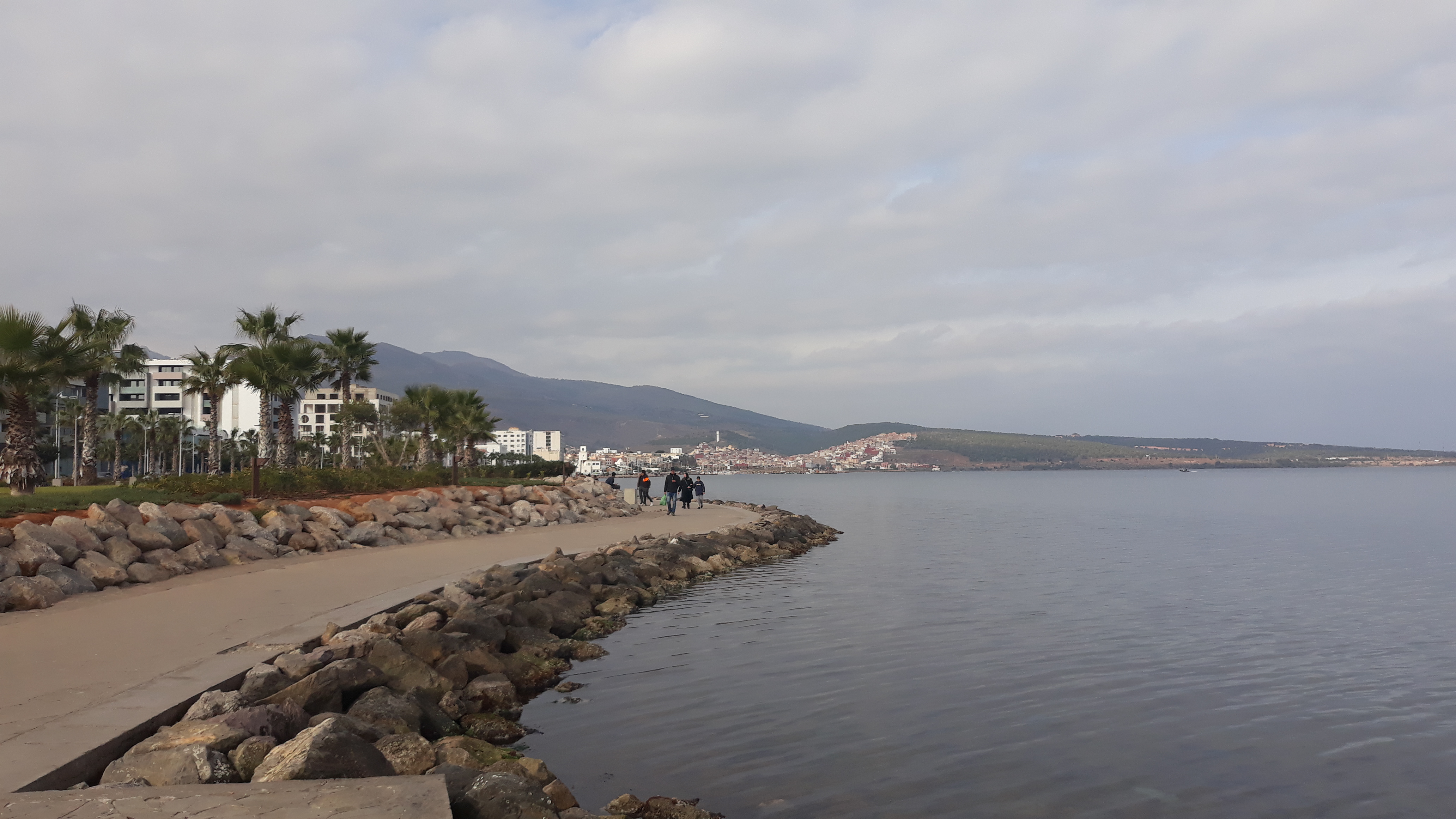 60
60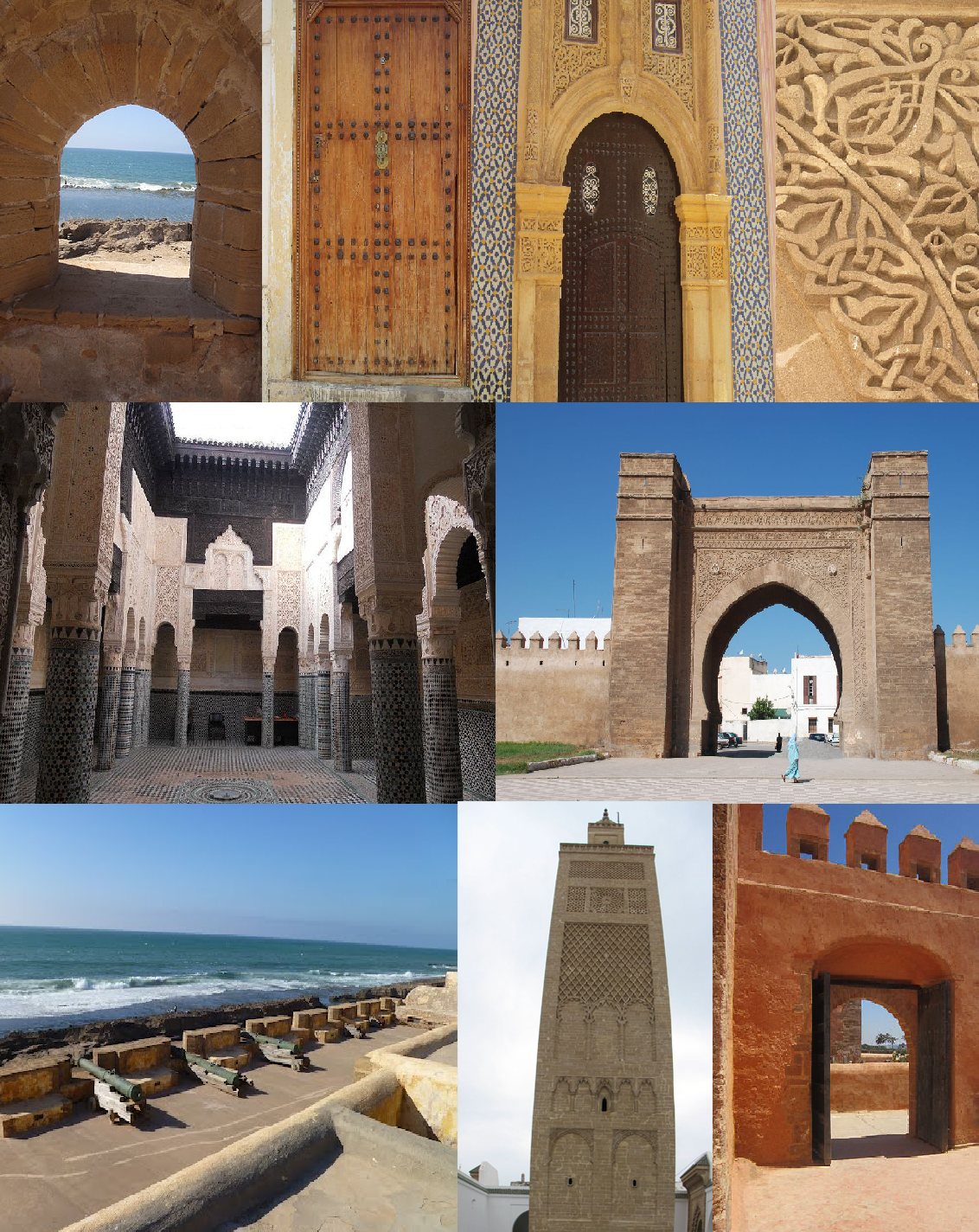 57
57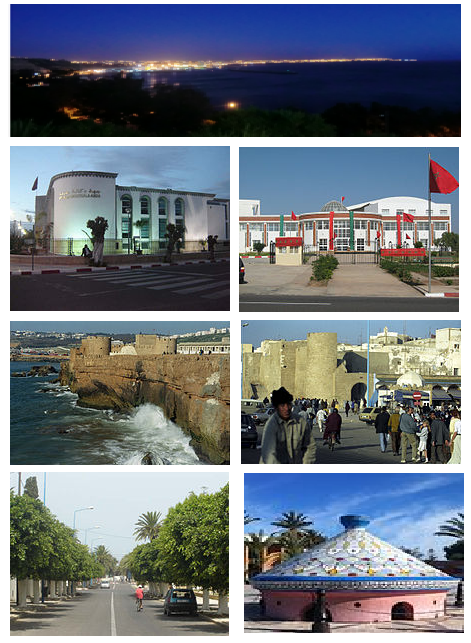 54
54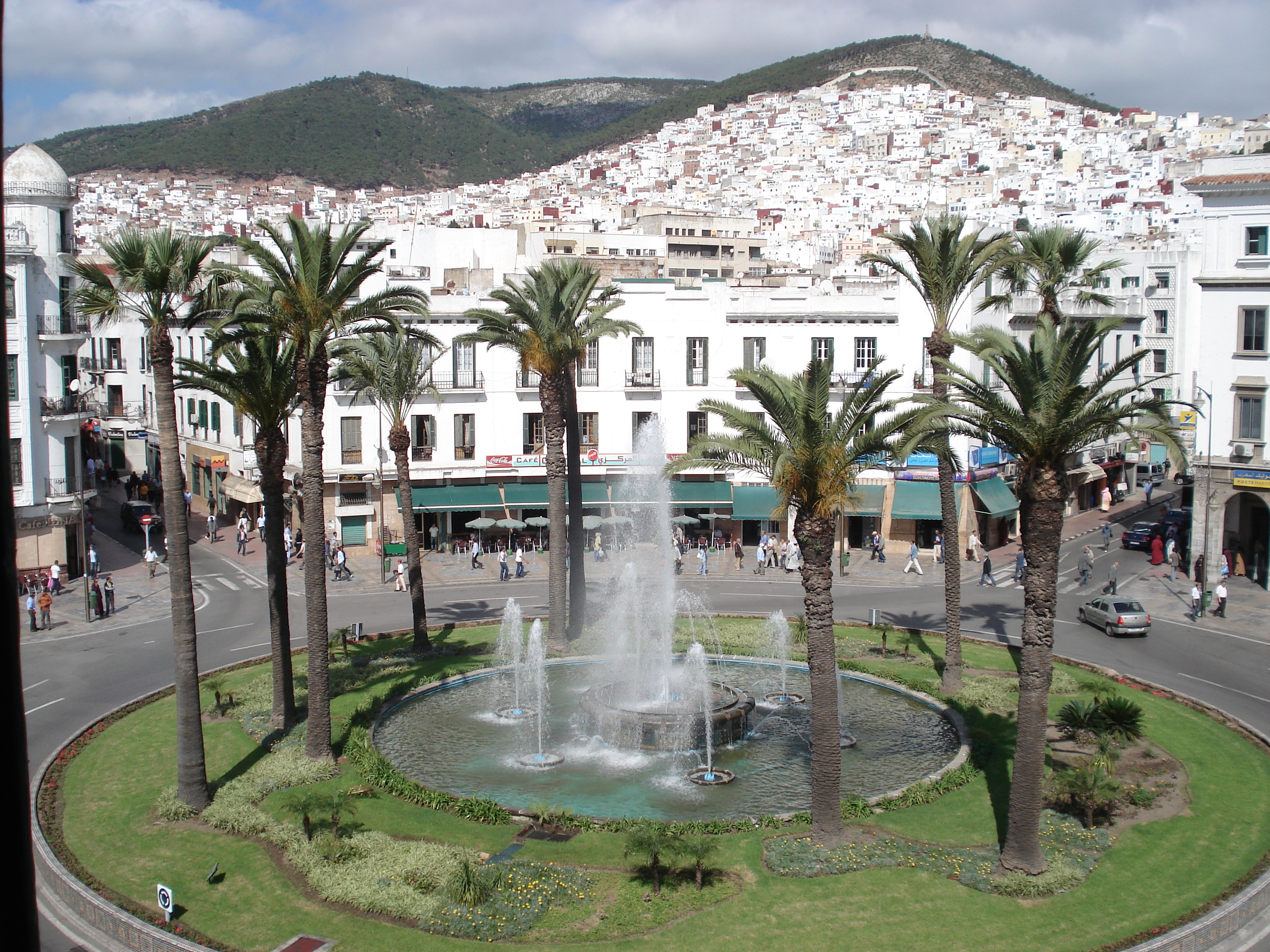 62
62The housing requirement and how people get it wrong
The instinct for a first-time applicant is to book a month on a short-term platform and treat that as the accommodation proof. It usually isn't enough, and even when it's accepted, it creates a problem down the line. What Morocco actually wants to see is a formal rental contract or lease, ideally one certified by the local commune, or a documented long-term booking, or a letter from a host with their ID attached. Officials want something they can trace to a person and an address, not a reservation confirmation that could be canceled the next day.
The complication is that most landlords in Morocco, especially those renting to foreigners month to month, aren't set up to produce a certified lease quickly. Certification through the commune takes coordination the landlord may not be used to doing, and plenty of otherwise good rentals fall through at this stage because the owner doesn't want the paperwork trail. This is worth sorting before you commit to a place, not after you've paid a deposit and discovered your landlord can't or won't get the lease certified.
The other mismatch is duration. A lease that covers three months doesn't map cleanly onto a visa track built around a twelve-month permit. If your paperwork shows a rental that expires well before the residency period you're requesting, expect a question about it. It's cleaner to either sign something that spans the period you're applying for or be upfront that you'll extend the lease once the visa is granted, with a letter from the landlord confirming that intent.
What happens after you land
Two routes get you into this system, and the choice between them is a real strategic one, not just a matter of preference. You can apply through a Moroccan consulate before you leave, or you can enter on a 90-day tourist visa and file for the Carte de Séjour in-country through the DGSN. Neither route hands you a finished status the moment your visa is stamped.
The consulate route front-loads the uncertainty. You're waiting on approval from outside the country, which can take anywhere from a few days to five weeks, before you've committed to housing or made the trip. The upside is that you arrive with your status already resolved instead of arriving as a tourist and hoping the in-country process goes smoothly.
The in-country route flips that risk. You get to Morocco on a tourist visa, find housing, get your lease certified, and then file with the DGSN for the residence card. This is often the more practical path if you want to see a city before locking in a year-long lease, but it means your legal status while you sort out housing is still that of a tourist, not a remote-work resident, and the clock on your 90 days is running the whole time. If the DGSN process stalls or a document comes back incomplete, you're now negotiating an extension on a tourist entry rather than sitting comfortably on an approved visa.
Either way, getting the visa approved and holding the actual residence card are two different milestones, and the paperwork you need for the second doesn't fully overlap with what got you the first.
The renewal reality behind the twelve-month permit
The initial grant runs twelve months and is renewable, which sounds like a straightforward extension mechanic. The friction is less about the renewal process itself and more about what you have to prove to qualify for it a second time. You'll need to show the same income continuity and housing legitimacy you showed the first time, except now you also have a year of Moroccan tax residency behind you, and the two systems don't always talk to each other cleanly.
Morocco taxes under a resident regime, and the visa carries a physical presence expectation of 183 days. That number matters more than it looks like on a checklist, because it puts genuine pressure on people who took this visa expecting to travel freely between countries while staying nominally based in Morocco. Spend fewer than that many days actually in the country and your renewal conversation gets harder, even if your income and housing paperwork are otherwise clean. This is the part of the visa that gets undersold in the pitch: it's a residency commitment with a income floor, not a light-touch permission slip for people who mostly want to keep moving.
There's no path spelled out here toward permanent residency or citizenship timelines, and I'd rather leave that unaddressed than guess at numbers I can't back up. What's clear is that renewal is a repeat performance of the original application, not a formality, and treating it as a formality is how people get caught flat-footed a year in.
The call against Portugal
For a lot of applicants weighing this visa, the real comparison isn't another Moroccan pathway, it's whether to just take the Portugal digital nomad route instead. The pull toward Portugal is obvious: it sits inside the EU and offers a clearer long-run path toward permanent status. The pull toward Morocco is cost and speed. The $35 application fee is a fraction of what most European nomad visas charge, and a processing window that can close in under a week for some applicants is not something Portugal or Spain can promise.
What Morocco asks for in return is a real physical presence commitment and a resident tax posture on worldwide income, with none of the social security credit that some other regimes offer expat workers. If your long-term plan runs through the EU eventually, Morocco doesn't advance that plan, it just buys you a year or more of low-cost runway somewhere else while you build savings or a stronger application elsewhere. If your plan is simply to live well on a US income without EU ambitions, the math tilts hard toward Morocco, and the speed of the process means you can test the fit without the multi-month limbo that comes with a lot of European alternatives. The decision isn't about which visa is objectively better. It's about whether you're optimizing for an EU foothold or for cost and speed in the next twelve months, and those two goals pull in different directions here.
Work Permissions
Application Steps
- 1
📄 Gather financial and employment documentation
1–2 weeks
- 2
📄 Secure proof of accommodation in Morocco
1–2 weeks
- 3
📄 Obtain international health insurance
1 week
- 4
📄 Obtain a clean criminal record certificate
2–6 weeks
- 5
📋 Verify your passport validity
Same day (if already valid)
- 6
📬 Submit application online or at consulate
Same day (submission)
- 7
📬 Pay the visa application fee
Same day
- 8
⏳ Await visa approval
10 days to 4 weeks
- 9
📋 Receive visa and arrange travel
1–2 weeks
- 10
🏛️ Register with local immigration upon arrival
Within 30 days of arrival
- 11
🏛️ Consult a tax professional about residency obligations
Within first month
Frequently Asked Questions
Click any question to expand the answer.
Ready to Apply?
Work with trusted visa specialists who handle the paperwork so you can focus on your move.
Get help with this visa →* We may earn a commission if you apply through our link
At a Glance
Last verified: July 15, 2026