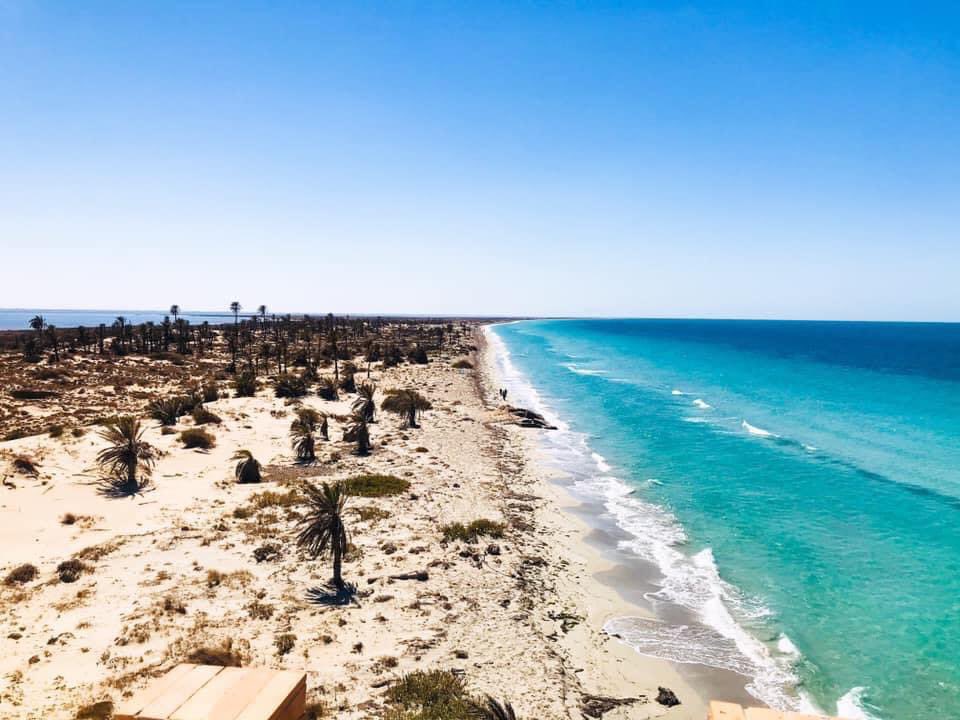
Zaltan, Libya
Data updated Sep 3, 2026
📊 Scores
Best fit: Retiree (score: 12)
Zaltan's economy centers on agriculture and traditional trading, with dryland farming of olives, dates, and citrus fruits forming the primary economic backbone. Cross-border trade with Tunisia provides additional economic opportunities. Livestock trading, particularly involving sheep, goats, and camels, remains a significant economic activity. Small-scale olive and palm oil processing contributes to local industrial output, supplementing agricultural revenues.
Living in Zaltan requires adaptability, with moderate infrastructure and limited urban amenities. Housing tends to be affordable but basic, reflecting the town's rural character. Transportation is primarily via local roads and regional connections. Healthcare facilities are limited, necessitating potential travel to larger cities for specialized medical treatment. Arabic language proficiency is essential for effective daily communication and integration.
The Mediterranean climate offers mild winters and hot summers, creating a challenging but manageable environment for expats. Local culture emphasizes community connections, with the annual poetry festival highlighting cultural preservation. Social life revolves around traditional gatherings and family networks. Limited but growing tourism potential exists through archaeological sites and local museum exhibitions, offering modest recreational opportunities for newcomers.
🏚️ Cost of Living
If your income is in another currency, bank FX fees add up every month. A multi-currency account can cut that cost.
See low-fee transfersWe may earn a commission at no cost to you.
💰 Real Spend Reports
🛡️ Safety & Crime
(Higher is safer)
(Lower is safer)
Zaltan presents significant safety challenges for expats. Libya remains unstable with ongoing militia activity, sporadic violence, and limited government control outside major cities. A Safety Index of 40 reflects serious concerns: petty theft, armed robbery, and carjacking occur; kidnapping risks exist, particularly for foreigners. Medical emergencies and evacuation options are severely limited. The city lacks reliable police presence and expat support infrastructure. Unless you have specific security arrangements through an employer (oil/gas sector), strong local connections, and security training, Zaltan is not advisable for remote workers or retirees seeking a stable retirement destination.
Zaltan has a safety index of 40/100. Petty theft and lost belongings are the most common problems for newcomers. Compare travel insurance before you go.
Compare travel insuranceWe may earn a commission at no cost to you.
🏥 Healthcare
🌤️ Climate
Best Months
Climate Notes
Zaltan experiences a hot desert climate with scorching summers (May-September) exceeding 38°C, mild winters around 12°C, and minimal rainfall year-round, requiring significant heat and dust adaptation.
💻 Digital Nomad
Community Notes
| Name | Price/mo | Notes |
|---|---|---|
| Regus Tripoli, Tripoli Tower | $150 | While technically in Tripoli, Regus is the most established international coworking option and offers a reliable workspace for those willing to commute or base themselves in the capital for part of the month. The Tripoli Tower location provides a professional environment with standard amenities. |
| IWG Spaces Tripoli, Dat Al-Emad Complex | $175 | Located in Tripoli, Spaces offers a more modern and design-focused coworking experience compared to Regus. It's a good option for digital nomads seeking a vibrant atmosphere and is located in the Dat Al-Emad Complex, a central business area. |
Working remotely from Zaltan? Nomad health insurance covers you across borders, month to month.
See nomad insuranceWe may earn a commission at no cost to you.
🧳 Expat Life
Expat Life Notes
Small coastal town. Currently high risk.
Pros
- ✓ Coastal region
Cons
- ✗ Security risks
- ✗ Zero expat amenities
- ✗ Isolation
Could living/working in Zaltan cut years off your work life?
With a 1-bedroom in the center at $99/mo, your FIRE number here might be much lower than you think.
Moving to Zaltan? Estimate what an international move would cost and compare mover quotes.
Estimate my move costShare This Guide
Zaltan won't stay this cheap forever.
Cost-of-living and visa updates for Zaltan and the rest of Libya. Free with RA Postcards.
By submitting your email address, you will receive a free subscription to RA Postcards and special offers from Rewire Abroad and our affiliates. You can unsubscribe at any time, and we encourage you to read more about our Privacy Policy.